• Fri frakt över 249 kr
  • •
  • Snabba leveranser
  • •
  • Billiga böcker
Kundservice

Du är på sajten för privatpersoner.

Företag, bibliotek eller offentlig verksamhet?

Du handlar på classic.bokus.com, där alla dina funktioner finns intakta.
Till classic.bokus.com
Bokus logotyp. Gå till startsidan.
  • Erbjudanden
  • Student
  • Topplistor
  • Barn & ungdom
  • Bokus Play
  • E-böcker
  • Ljudböcker
  • Pocketböcker
  • Spel och pussel

5% studentrabatt – använd koden KURSBOK27 →

Sidfot

Mina sidor

    Hjälp

    • Kundservice
    • Vanliga frågor och svar
    • Frakt och leverans
    • Retur vid ångerrätt
    • Reklamera vara
    • Betalning
    • Köpvillkor
    • Allmänna villkor
    • Information om webbplatsens tillgänglighet

    Om Bokus

    • Om oss
    • Pressrum
    • För studenter
    • För företag
    • För bibliotek och offentlig verksamhet
    • För leverantörer
    • Hållbarhet

    Populärt

    • Aktuella erbjudanden
    • Presentkort
    • Studentlitteratur
    • Nya böcker
    • Topplistor
    • Signerade böcker
    • Engelska böcker

    Inspiration

    • Boktips
    • BookTok
    • Barnbokskaraktärer
    • Populära författare
    Logotyp för Bokus
    Följ oss på Facebook (extern länk)Följ oss på Instagram (extern länk)Följ oss på YouTube (extern länk)Följ oss på TikTok (extern länk)
    bokus @ CookiesAnpassa cookiesIntegritetspolicyKöpvillkor
    Till Citymail hemsida (extern länk)Till Budbee hemsida (extern länk)Till Postnord hemsida (extern länk)Till Schenker hemsida (extern länk)Till Early Bird hemsida (extern länk)Till Walleys hemsida (extern länk)
    1. Historia och arkeologi
    2. Historia
    3. Historia: särskilda händelser och ämnen
    4. Socialhistoria och kulturhistoria

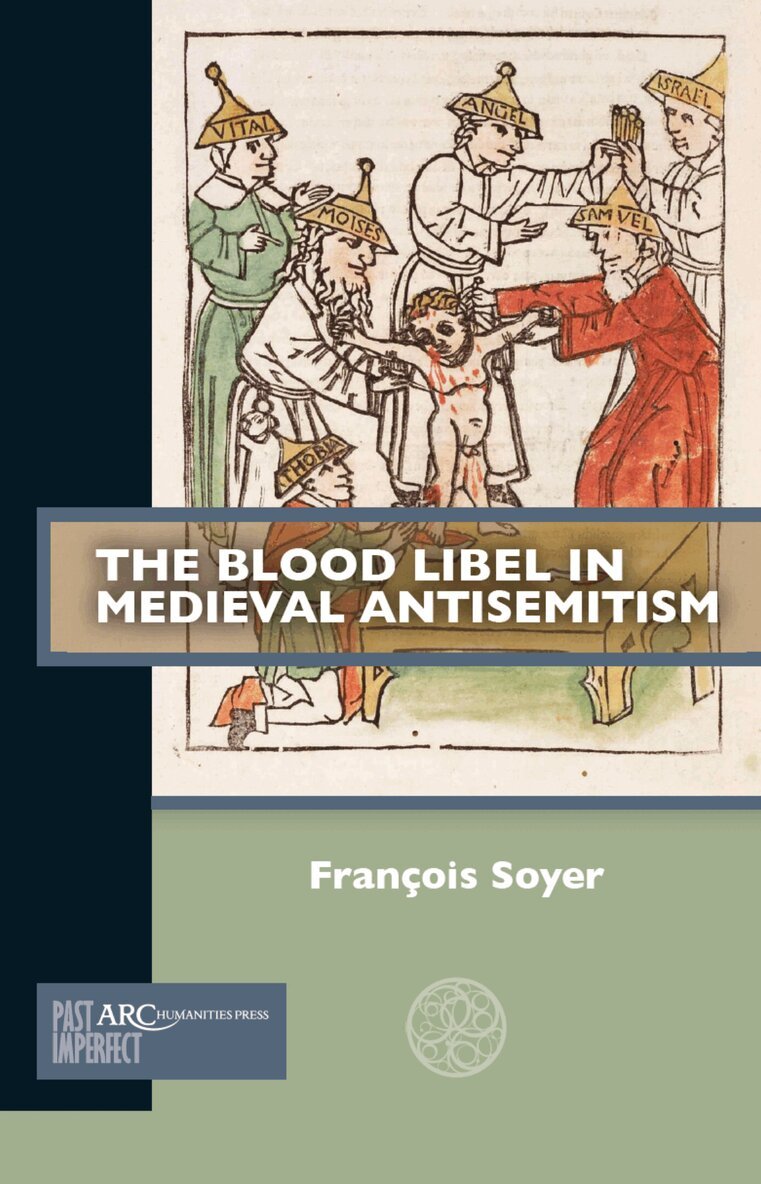
    Blood Libel in Medieval Antisemitism

    AvFrançois Soyer

    Häftad, Engelska, 2025

    Del i serien Past Imperfect

    251 kr

    Beställningsvara. Skickas inom 3-6 vardagar. Fri frakt över 249 kr.

    Beskrivning

    The claim that Jews abducted and murdered Christian children for alleged ritual purposes or in order to consume their blood during Passover is the most extreme of all the libels that have been used to attack Jews and present them as an existential threat to Christians. From the twelfth century to the modern era, it has been a staple of extreme antisemitic discourse seeking to dehumanize Jews and rationalize anti-Jewish violence.In the popular mind, “Ritual Murder” and “Blood Libel” have become synonymous but in medieval times they were different accusations with different origins. Why did the accusations appear in some areas and not others? What local factors contributed to accusations receiving support from some religious or lay authorities despite papal condemnation? How have modern historians and sociologists explained the phenomenon? This book offers a critical survey of the child murder libel in medieval Europe as well as an analysis of its history.

    Produktinformation

    • Utgivningsdatum:2025-07-31
    • Mått:114 x 178 x 8 mm
    • Vikt:128 g
    • Format:Häftad
    • Språk:Engelska
    • Serie:Past Imperfect
    • Antal sidor:120
    • Förlag:Arc Humanities Press
    • ISBN:9781802701807

    Utforska kategorier

    • Socialhistoria och kulturhistoria inom Historia och arkeologi
    • Religion: allmänt inom Filosofi och religion
    • Medeltiden inom Historia och arkeologi

    Mer om författaren

    François Soyer (PhD, University of Cambridge, 2007) is a Fellow of the Royal Historical Society. He is currently Associate Professor in early modern history at the University of New England (Australia).

    Innehållsförteckning

    • IntroductionChapter 1. The Genesis of the Child Murder Libel in Twelfth-Century EuropeChapter 2. The Birth of the “Blood Libel” and the Thirteenth-Century Papal ReactionChapter 3. Simon of Trent (1475): Apex of the Blood LibelChapter 4. El Santo Niño de la Guardia: The Child Murder Libel in the Iberian PeninsulaChapter 5. Medieval Echoes in Modern Times: The Legacy of the Child Murder LibelChapter 6. Why? The Attempts of Historians and Sociologists to Explain the PhenomenonConclusionFurther Reading