• Fri frakt över 249 kr
  • •
  • Snabba leveranser
  • •
  • Billiga böcker
Kundservice

Du är på sajten för privatpersoner.

Företag, bibliotek eller offentlig verksamhet?

Du handlar på classic.bokus.com, där alla dina funktioner finns intakta.
Till classic.bokus.com
Bokus logotyp. Gå till startsidan.
  • Erbjudanden
  • Nyheter
  • Student
  • Topplistor
  • Barn & ungdom
  • Bokus Play
  • E-böcker
  • Pocketböcker
  • Spel & pussel

10% studentrabatt med kod TERM26

Sidfot

Mina sidor

    Hjälp

    • Kundservice
    • Vanliga frågor och svar
    • Frakt och leverans
    • Retur vid ångerrätt
    • Reklamera vara
    • Betalning
    • Köpvillkor
    • Allmänna villkor
    • Information om webbplatsens tillgänglighet

    Om Bokus

    • Om oss
    • Pressrum
    • För studenter
    • För företag
    • För bibliotek och offentlig verksamhet
    • För leverantörer
    • Hållbarhet

    Populärt

    • Aktuella erbjudanden
    • Presentkort
    • Studentlitteratur
    • Nya böcker
    • Topplistor
    • Signerade böcker
    • Engelska böcker

    Inspiration

    • Boktips
    • BookTok
    • Populära bokserier
    • Barnbokskaraktärer
    • Populära författare

    Mina sidor

      Hjälp

      • Kundservice
      • Vanliga frågor och svar
      • Frakt och leverans
      • Retur vid ångerrätt
      • Reklamera vara
      • Betalning
      • Köpvillkor
      • Allmänna villkor
      • Information om webbplatsens tillgänglighet

      Om Bokus

      • Om oss
      • Pressrum
      • För studenter
      • För företag
      • För bibliotek och offentlig verksamhet
      • För leverantörer
      • Hållbarhet

      Populärt

      • Aktuella erbjudanden
      • Presentkort
      • Studentlitteratur
      • Nya böcker
      • Topplistor
      • Signerade böcker
      • Engelska böcker

      Inspiration

      • Boktips
      • BookTok
      • Populära bokserier
      • Barnbokskaraktärer
      • Populära författare
      Logotyp för Bokus
      Följ oss på Facebook (extern länk)Följ oss på Instagram (extern länk)Följ oss på YouTube (extern länk)Följ oss på TikTok (extern länk)
      bokus @ CookiesAnpassa cookiesIntegritetspolicyKöpvillkor
      Till Citymail hemsida (extern länk)Till Budbee hemsida (extern länk)Till Postnord hemsida (extern länk)Till Schenker hemsida (extern länk)Till Early Bird hemsida (extern länk)Till Walleys hemsida (extern länk)
      1. Naturvetenskap och teknik
      2. Teknik och industri
      3. Tillverkningsteknik

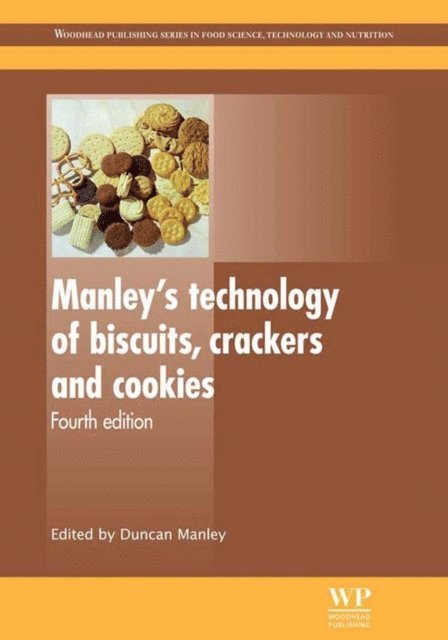
      Manley's Technology of Biscuits, Crackers and Cookies

      AvDuncan Manley

      Inbunden, Engelska, 2011

      Del i serien Woodhead Publishing Series in Food Science, Technology and Nutrition

      2 803 kr

      Beställningsvara. Skickas inom 10-15 vardagar. Fri frakt över 249 kr.

      Beskrivning

      Manley's Technology of Biscuits, Crackers and Cookies is widely regarded as the standard work in its field. Part one covers management issues such as HACCP, quality control, process control and product development. Part two deals with the selection of raw materials and ingredients. The range and types of biscuits is covered in part three, while part four covers the main production processes and equipment, from bulk handling and metering of ingredients to packaging, storage and waste management.

      Eight expert authors have joined Duncan Manley in extensively updating and expanding the book, which is now some 25% longer than the previous edition. Part one now includes a new chapter on sustainability in the biscuit industry and the discussion of process and efficiency control is more detailed. In part two the information on wheat flour has been extensively revised to reflect recent developments and there are entirely new chapters on fats and oils and packaging materials. Photographs of the major types of biscuits now illustrate chapters in part three, which also includes a newly-composed chapter on the position of biscuits in nutrition. Finally, part four has been comprehensively reviewed and revised with the assistance of an author from a major machinery manufacturer.

      With its distinguished editor and team of expert contributors this new edition consolidates the position of Manley's Technology of Biscuits, Crackers and Cookies as the standard reference work in the industry.


      • Widely regarded as the standard work in its field
      • Covers management issues such as HACCP, quality control, process control and product development
      • Deals with the selection of raw materials and ingredients
      Produktinformation

      • Utgivningsdatum:2011-09-28
      • Mått:175 x 245 x undefined mm
      • Vikt:1 190 g
      • Format:Inbunden
      • Språk:Engelska
      • Serie:Woodhead Publishing Series in Food Science, Technology and Nutrition
      • Antal sidor:632
      • Upplaga:4
      • Förlag:Elsevier Science
      • ISBN:9781845697709

      Utforska kategorier

      • Tillverkningsteknik inom Naturvetenskap och teknik

      Mer om författaren

      Duncan Manley is an internationally-renowned consultant to the biscuit and food industries, with over 40 years’ experience. He is the author of the Biscuit, cookie and cracker manufacturing manuals and Biscuit, cracker and cookie recipes for the food industry, also published by Woodhead Publishing.

      Recensioner i media

      "Clear, authoritative and practical – you can find the answer to most problems in it." --Mike Webber, The Biscuit, Cake, Chocolate and Confectionery Association, UK on the third edition

      Innehållsförteckning

      • Chapter 1: Setting the scene: A history and the position of biscuitsAbstract:1.1 Introduction1.2 The beginnings of biscuit manufacturing1.3 Ingredients and formulation development1.4 EngineeringPart I: Management of technology in biscuit manufactureChapter 2: The role of the technical department in biscuit manufactureAbstract:2.1 Introduction2.2 The requirements of the technical (or technology) department2.3 Selection of staff for the technical department2.4 Facilities for the technical department2.5 Liaison with other technical establishments2.6 Support for purchasing2.7 Support for training2.8 Management of technical developmentsChapter 3: Quality management systems and hazard analysis critical control point (HACCP) in biscuit manufactureAbstract:3.1 Quality management3.2 Management of product safetyChapter 4: Quality control and good manufacturing practice (GMP) in the biscuit industryAbstract:4.1 Principles and management4.2 Quality control tasks for finished product inspection4.3 Quality control tasks for ingredient and packaging materials4.4 Good manufacturing practice (GMP)4.5 Hygiene surveysChapter 5: Process and efficiency control in biscuit manufactureAbstract:5.1 Process control and efficiency5.2 Process audit5.3 Process control checks and records for plants with no continuous monitoring sensors5.4 Making process control measurements5.5 Action procedures as a result of product measurements5.6 Instrumentation for monitoring5.7 Efficiency and integrated plant control5.8 Outline of the instrumentation that is available5.9 Troubleshooting5.10 Energy efficiencyChapter 6: Product development in the biscuit industryAbstract:6.1 Introduction6.2 Product development6.3 Facilities for process and product development6.4 Assessing products6.5 Establishing the product specification6.6 Management of product developmentChapter 7: Sustainability in the biscuit industryAbstract:7.1 Introduction7.2 Key drivers for sustainability in the biscuit industry7.3 Carbon emissions and energy use7.4 Reducing water use7.5 Reducing waste7.6 Packaging7.7 Other options for improving sustainabilityPart II: Materials and ingredients for biscuit manufactureChapter 8: Choosing materials for biscuit productionAbstract:8.1 Introduction8.2 Important technical aspects8.3 Important commercial aspects8.4 Programme for the meeting with a supplierChapter 9: Wheat flour and vital wheat gluten as biscuit ingredientsAbstract:9.1 Introduction9.2 Flour from the viewpoint of the miller9.3 Flour from the viewpoint of the biscuit manufacturer9.4 Vital wheat glutenChapter 10: Meals, grits, flours and starches (other than wheat)Abstract:10.1 Introduction10.2 Cereal-based materials10.3 Non-cereal flours and starchesChapter 11: Sugars and syrups as biscuit ingredientsAbstract:11.1 Introduction11.2 Common sugar, sucrose11.3 Syrups11.4 Sugars and syrups from starches – glucose11.5 Non-diastatic malt extract11.6 Maillard reaction11.7 PolyolsChapter 12: Fats and oils as biscuit ingredientsAbstract:12.1 Introduction12.2 The role of fat in biscuits12.3 The chemistry and physical properties of fats12.4 Quality and handling issues of fats12.5 Key characteristics of fats for biscuits12.6 Quality control of fats12.7 General specification requirements for oils and fats12.8 Challenges for the biscuit manufacturerChapter 13: Emulsifiers (surfactants) and antioxidants as biscuit ingredientsAbstract:13.1 Introduction13.2 Function of emulsifiers in biscuits13.3 Types of food emulsifiers13.4 Reduced fat biscuits13.5 General use of emulsifiers in biscuit doughs13.6 Application help13.7 AntioxidantsChapter 14: Milk products and egg as biscuit ingredientsAbstract:14.1 Introduction14.2 Milk and milk products14.3 EggChapter 15: Dried fruits and nuts as biscuit ingredientsAbstract:15.1 Introduction15.2 Dried grapes15.3 Other dried fruits used in biscuits15.4 Fruit pastes and syrups15.5 Tree nuts15.6 Peanuts, arachis or ground nut15.7 Health problems associated with nutsChapter 16: Yeast and enzymes as biscuit ingredientsAbstract:16.1 Introduction16.2 Yeast16.3 EnzymesChapter 17: Flavours, spices and flavour enhancers as biscuit ingredientsAbstract:17.1 Introduction17.2 Sources and types of flavours17.3 Suitability of a flavour material17.4 Flavouring of biscuits17.5 Flavour enhancers17.6 Storage of flavours and quality controlChapter 18: Additives as biscuit ingredientsAbstract:18.1 Introduction18.2 Common salt (sodium chloride, NaCl)18.3 Leavening agents18.4 Processing aids18.5 Food acids18.6 Colours18.7 Artificial sweetenersChapter 19: Chocolate and cocoa as biscuit ingredientsAbstract:19.1 Introduction19.2 The flavour of chocolate19.3 Chocolate viscosity19.4 Cocoa butter, cocoa butter equivalents and hard butters19.5 Definitions of cocoa and chocolate products19.6 Types of chocolate19.7 Supply and storage of chocolate19.8 Chocolate drops and chips19.9 Cocoa19.10 Handling of chocolate and chocolate chips19.11 Compound chocolate19.12 Carob powderChapter 20: Packaging materials for biscuits and their influence on shelf lifeAbstract:20.1 Introduction20.2 Packaging materials20.3 Packaging and shelf life20.4 Indices of failure (IoFs)20.5 Package requirements to address indices of failure (IoFs)Part III: Types of biscuitsChapter 21: Classification of biscuitsAbstract:21.1 Introduction21.2 Classification based on enrichment of the formulation21.3 Conversion of unitsChapter 22: Cream crackersAbstract:22.1 History and introduction to cream crackers22.2 Mixing and fermentation of cream cracker doughs22.3 Dough piece forming22.4 Baking of cream crackers22.5 Yields from fermented doughsChapter 23: Soda crackersAbstract:23.1 Introduction23.2 Dough preparation23.3 Outline of typical soda cracker manufacturing techniquesChapter 24: Savoury or snack crackersAbstract:24.1 General description24.2 Manufacturing technology24.3 Post-oven oil sprayingChapter 25: Matzos and water biscuitsAbstract:25.1 Matzos25.2 Water biscuits25.3 Typical recipesChapter 26: Puff biscuitsAbstract:26.1 General description26.2 Puff dough preparation26.3 Baking of puff biscuits26.4 Puff biscuit production techniquesChapter 27: Hard sweet, semi-sweet and Garibaldi fruit sandwich biscuitsAbstract:27.1 General description of this group of biscuits27.2 Ingredients and recipes27.3 Dough mixing27.4 Mixer instrumentation27.5 Dough piece forming27.6 Instrumentation of the forming machine27.7 Baking27.8 Flavouring of biscuits27.9 Cooling and handling of biscuits27.10 Continental semi-sweet biscuits27.11 Garibaldi or fruit sandwich biscuitsChapter 28: Short dough biscuitsAbstract:28.1 Description of the group28.2 Recipes and ingredients28.3 Dough mixing28.4 Dough piece forming28.5 Instrumentation of the forming machine28.6 Baking28.7 Factors affecting dough piece spread during bakingChapter 29: Deposited soft dough and sponge drop biscuitsAbstract:29.1 Description of deposited biscuits29.2 Description of sponge batter drops29.3 Typical recipesChapter 30: Wafer biscuitsAbstract:30.1 Introduction30.2 The wafer oven or wafer baker30.3 Wafer sheet production30.4 Batter mixing30.5 Batter handling30.6 Batter deposition and baking30.7 Sheet handling, creaming and cutting30.8 Process control of wafer production30.9 Hollow rolled wafer sticksChapter 31: The position of biscuits in nutritionAbstract:31.1 Introduction31.2 Biscuits in our diets31.3 The evolution of biscuit nutrition31.4 Different biscuits for different people31.5 Food labelling can help – when you understand itChapter 32: Miscellaneous biscuit-like productsAbstract:32.1 Introduction32.2 Products that are made on a type of biscuit plant 32.2.1 Crispbread32.3 Products that are not made on conventional biscuit plantPart IV: Biscuit production processes and equipmentChapter 33: Bulk handling and metering of biscuit ingredientsAbstract:33.1 Introduction33.2 Bulk handling33.3 Some technical aspects of bulk handling33.4 Process control in bulk storage33.5 Metering of ingredients to mixersChapter 34: Mixing and premixes in biscuit manufactureAbstract:34.1 Introduction34.2 General conditions for mixing34.3 Process control and instrumentation of mixers34.4 Considerations in the selection of a mixer34.5 Types of mixer available for biscuit doughs34.6 Integrated mixing schemes in the future34.7 PremixesChapter 35: Sheeting, gauging and cutting in biscuit manufactureAbstract:35.1 Principles35.2 Sheeters35.3 Gauge rolls35.4 Multiple-roller gauging units35.5 Dough relaxation units35.6 Cutting35.7 Cutter scrap dough handling35.8 Dough piece garnishing and panning35.9 Control of biscuit cutting machines35.10 Operator maintenance requirementsChapter 36: Laminating in biscuit manufactureAbstract:36.1 Principles and techniques of laminating36.2 Types of automatic laminator36.3 Is laminating really necessary?36.4 Process control during laminatingChapter 37: Rotary moulding in biscuit manufactureAbstract:37.1 Introduction37.2 General description of the rotary moulding machine37.3 The formation of the dough piece37.4 Dough piece weight control37.5 Differential speeds of moulding roller and extraction roller37.6 Common difficulties that may be encountered with rotary moulders37.7 Instrumentation of a rotary moulder37.8 Disadvantages of a rotary moulder37.9 The soft dough rotary moulder and Rotodepositor37.10 Printing on dough piecesChapter 38: Extruding and depositing of biscuit doughAbstract:38.1 Introduction38.2 General description of extruding and depositing machines for doughs38.3 Process control of extruded and deposited biscuits38.4 Sponge batter drops and sponge finger biscuitsChapter 39: Biscuit bakingAbstract:39.1 Introduction39.2 Changes to the dough piece during baking39.3 Oven conditions39.4 Typical baking profiles39.5 Types of oven39.6 Preparation and care of oven bands39.7 Measurement and control in baking39.8 Post oven oil sprayingChapter 40: Biscuit cooling and handlingAbstract:40.1 Introduction40.2 Checking40.3 Methods and speeds of cooling40.4 Biscuit handling prior to packagingChapter 41: Secondary processing of biscuitsAbstract:41.1 General considerations41.2 Sandwich creams41.3 Icing41.4 Jams, jellies, caramels and marshmallows41.5 Chocolate and chocolate flavoured coatingsChapter 42: Biscuit packaging and storageAbstract:42.1 Introduction42.2 Functions of a pack42.3 Types of primary packages42.4 Collation and feeding to wrapping machines42.5 Biscuit size variations42.6 Post-wrapping operations42.7 Process and quality control42.8 Storage42.9 RoboticsChapter 43: Recycling, handling and disposal of waste biscuit materialsAbstract:43.1 Management of waste43.2 Sources of waste materials43.3 Estimating the size of the problem43.4 Recycling43.5 Disposal of waste materials that are not recycledPart V: Suppliers’ presentationsIndex
      Hoppa över listan

      Du kanske också är intresserad av

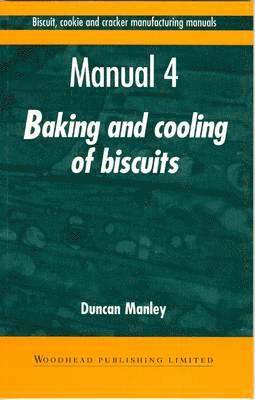
      Duncan Manley - Biscuit, Cookie and Cracker Manufacturing Manuals, E-bok

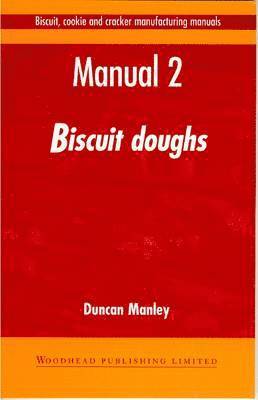
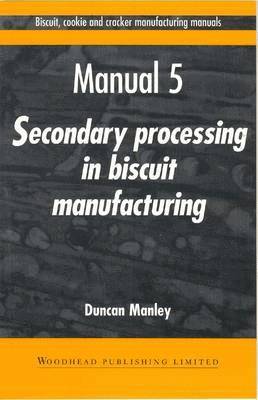
      Biscuit, Cookie and Cracker Manufacturing Manuals

      Duncan Manley

      E-bok
      1998

      673 kr

      Duncan Manley - Manley's Technology of Biscuits, Crackers and Cookies, E-bok

      Manley's Technology of Biscuits, Crackers and Cookies

      Duncan Manley

      E-bok
      2011

      2 998 kr

      Duncan Manley - Biscuit, Cookie and Cracker Manufacturing Manuals, Häftad

      Biscuit, Cookie and Cracker Manufacturing Manuals

      Duncan Manley

      Häftad, 1998

      603 kr

      Duncan Manley - Biscuit, Cookie and Cracker Manufacturing Manuals, E-bok

      Biscuit, Cookie and Cracker Manufacturing Manuals

      Duncan Manley

      E-bok
      1998

      671 kr

      Duncan Manley - Biscuit, Cookie and Cracker Manufacturing Manuals, Häftad

      Biscuit, Cookie and Cracker Manufacturing Manuals

      Duncan Manley

      Häftad, 1998

      535 kr

      Duncan Manley - Biscuit, Cookie and Cracker Manufacturing Manuals, Häftad

      Biscuit, Cookie and Cracker Manufacturing Manuals

      Duncan Manley

      Häftad, 1998

      535 kr

      Duncan Manley - Biscuit, Cracker and Cookie Recipes for the Food Industry, E-bok

      Biscuit, Cracker and Cookie Recipes for the Food Industry

      Duncan Manley

      E-bok
      2001

      2 604 kr

      Duncan Manley - Biscuit, Cookie and Cracker Manufacturing Manuals, E-bok

      Biscuit, Cookie and Cracker Manufacturing Manuals

      Duncan Manley

      E-bok
      1998

      671 kr

      Duncan Manley - Biscuit, Cookie and Cracker Manufacturing Manuals, Häftad

      Biscuit, Cookie and Cracker Manufacturing Manuals

      Duncan Manley

      Häftad, 1998

      603 kr

      Duncan Manley - Biscuit, Cookie and Cracker Manufacturing Manuals, E-bok

      Biscuit, Cookie and Cracker Manufacturing Manuals

      Duncan Manley

      E-bok
      1998

      671 kr