• Fri frakt över 249 kr
  • •
  • Snabba leveranser
  • •
  • Billiga böcker
Kundservice

Du är på sajten för privatpersoner.

Företag, bibliotek eller offentlig verksamhet?

Du handlar på classic.bokus.com, där alla dina funktioner finns intakta.
Till classic.bokus.com
Bokus logotyp. Gå till startsidan.
  • Erbjudanden
  • Nyheter
  • Student
  • Topplistor
  • Barn & ungdom
  • Bokus Play
  • E-böcker
  • Pocketböcker
  • Spel & pussel

10% studentrabatt med kod TERM26

Sidfot

Mina sidor

    Hjälp

    • Kundservice
    • Vanliga frågor och svar
    • Frakt och leverans
    • Retur vid ångerrätt
    • Reklamera vara
    • Betalning
    • Köpvillkor
    • Allmänna villkor
    • Information om webbplatsens tillgänglighet

    Om Bokus

    • Om oss
    • Pressrum
    • För studenter
    • För företag
    • För bibliotek och offentlig verksamhet
    • För leverantörer
    • Hållbarhet

    Populärt

    • Aktuella erbjudanden
    • Presentkort
    • Studentlitteratur
    • Nya böcker
    • Topplistor
    • Signerade böcker
    • Engelska böcker

    Inspiration

    • Boktips
    • BookTok
    • Populära bokserier
    • Barnbokskaraktärer
    • Populära författare
    Logotyp för Bokus
    Följ oss på Facebook (extern länk)Följ oss på Instagram (extern länk)Följ oss på YouTube (extern länk)Följ oss på TikTok (extern länk)
    bokus @ CookiesAnpassa cookiesIntegritetspolicyKöpvillkor
    Till Citymail hemsida (extern länk)Till Budbee hemsida (extern länk)Till Postnord hemsida (extern länk)Till Schenker hemsida (extern länk)Till Early Bird hemsida (extern länk)Till Walleys hemsida (extern länk)
    1. Kultur
    2. Konstböcker
    3. Konsthistoria

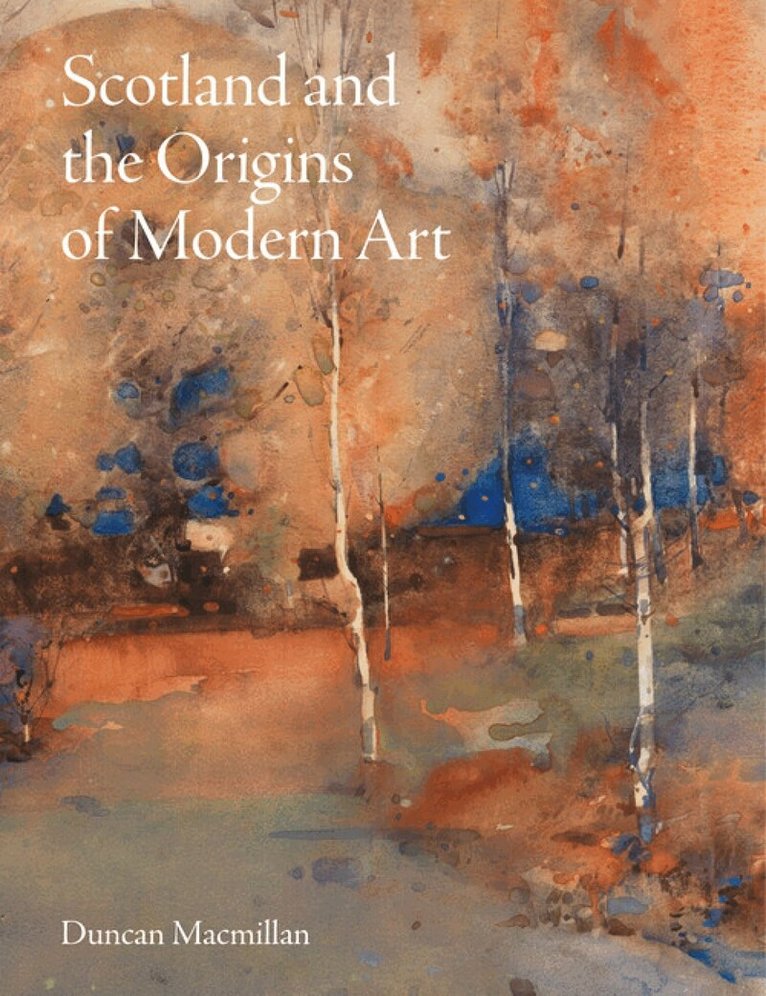
    Scotland and the Origins of Modern Art

    AvDuncan Macmillan

    Inbunden, Engelska, 2023

    625 kr

    Beställningsvara. Skickas inom 5-8 vardagar. Fri frakt över 249 kr.

    Beskrivning

    A discussion of sensibility, sensation, perception and painting, Scotland and the Origins of Modern Art is an original work which argues that the eighteenth-century Scottish philosophy of moral sense played a central role in shaping ideas explored by figures such as Cézanne and Monet over one hundred years later.Proposing that sensibility not reason was the basis of morality, the philosophy of moral sense gave birth to the idea of the supremacy of the imagination. Allied to the belief that the imagination flourished more freely in the primitive history of humanity, this idea became a potent inspiration for artists. The author also highlights Thomas Reid's method in his philosophy of common sense of using art and artists to illustrate how perception and expression are intuitive. To be truly expressive, artists should unlearn what they have learned and record their raw sensations, rather than the perceptions that derive from them.Exploring the work of key philosophical and artistic protagonists, this thought-provoking book unearths the fascinating exchanges between art, philosophy and literature during Enlightenment in Scotland that provided the blueprint for modernism.

    Produktinformation

    • Utgivningsdatum:2023-03-10
    • Mått:190 x 250 x 24 mm
    • Vikt:1 082 g
    • Format:Inbunden
    • Språk:Engelska
    • Antal sidor:256
    • Förlag:Lund Humphries Publishers Ltd
    • Medarbetare:AlexanderMcCallSmith
    • ISBN:9781848226333

    Utforska kategorier

    • Konsthistoria inom Kultur
    • Målarkonst inom Kultur

    Mer om författaren

    Duncan Macmillan is Professor Emeritus of the History of Scottish Art at the University of Edinburgh, art critic for The Scotsman and author of numerous books including widely acclaimed Scottish Art: 1460-2000 (2000) and Scotland's Shrine: The Scottish National War Memorial (2014).

    Recensioner i media

    'Subtle and rigorous analysis makes a convincing case that attributes that are now synonymous with Modernism—imagination, truth to individual feelings, prodding the dark recesses of the heart, liberation from convention—first came from north of Hadrian’s Wall.' – Michael Prodger, Country Life

    Innehållsförteckning

    • Introduction; Part 1: Moral Sense and the New Primitive, 1. David Hume and Allan Ramsay; 2. The True Homer; 3. Heroines of Moral Sense; 4. A New Art; 5. J.L.David; Part 2: Common Sense, 6. Reid’s theory of Perception and Expression; 7. Art and Expression; 8. Perception and Association; Part 3: Paris, 9. New Ideas from Scotland; 10. Walter Scott, Wilkie and the French Painters; 11. From Courbet to Cézanne; Part 4: Scotland, 12. The legacy of the Enlightenment; Epilogue; Index.