• Fri frakt över 249 kr
  • •
  • Snabba leveranser
  • •
  • Billiga böcker
Kundservice

Du är på sajten för privatpersoner.

Företag, bibliotek eller offentlig verksamhet?

Du handlar på classic.bokus.com, där alla dina funktioner finns intakta.
Till classic.bokus.com
Bokus logotyp. Gå till startsidan.
  • Erbjudanden
  • Nyheter
  • Student
  • Topplistor
  • Barn & ungdom
  • Bokus Play
  • E-böcker
  • Pocketböcker
  • Spel & pussel

10% rabatt på allt med kod NYSTART10 →

Sidfot

Mina sidor

    Hjälp

    • Kundservice
    • Vanliga frågor och svar
    • Frakt och leverans
    • Retur vid ångerrätt
    • Reklamera vara
    • Betalning
    • Köpvillkor
    • Allmänna villkor
    • Information om webbplatsens tillgänglighet

    Om Bokus

    • Om oss
    • Pressrum
    • För studenter
    • För företag
    • För bibliotek och offentlig verksamhet
    • För leverantörer
    • Hållbarhet

    Populärt

    • Aktuella erbjudanden
    • Presentkort
    • Studentlitteratur
    • Nya böcker
    • Topplistor
    • Signerade böcker
    • Engelska böcker

    Inspiration

    • Boktips
    • BookTok
    • Populära bokserier
    • Barnbokskaraktärer
    • Populära författare
    Logotyp för Bokus
    Följ oss på Facebook (extern länk)Följ oss på Instagram (extern länk)Följ oss på YouTube (extern länk)Följ oss på TikTok (extern länk)
    bokus @ CookiesAnpassa cookiesIntegritetspolicyKöpvillkor
    Till Citymail hemsida (extern länk)Till Budbee hemsida (extern länk)Till Postnord hemsida (extern länk)Till Schenker hemsida (extern länk)Till Early Bird hemsida (extern länk)Till Walleys hemsida (extern länk)
    1. Samhälle och politik
    2. Samhälle och kultur
    3. Kultur och medier
    4. Kulturvetenskap

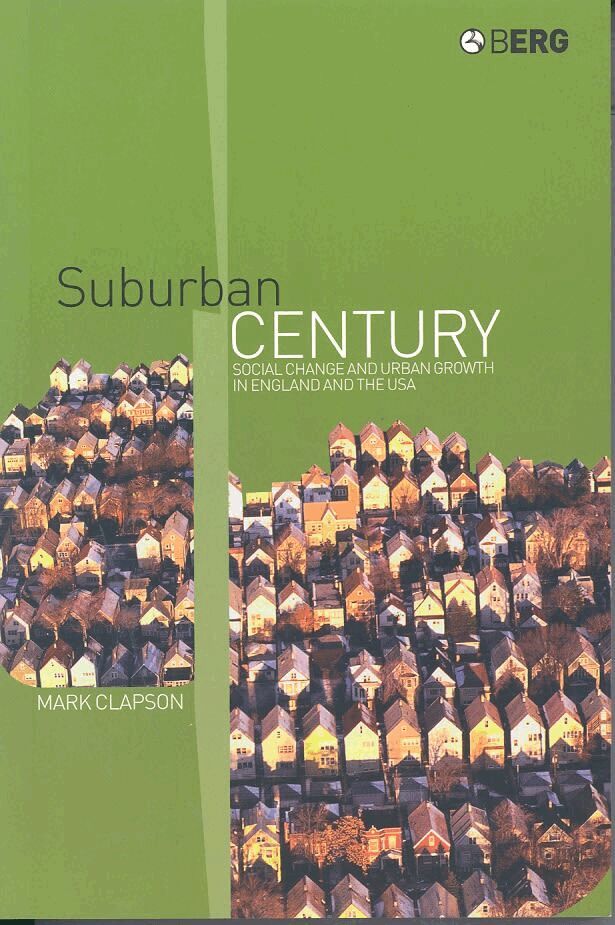
    Suburban Century

    Social Change and Urban Growth in England and the USA

    AvMark Clapson

    Inbunden, Engelska, 2003

    1 813 kr

    Beställningsvara. Skickas inom 10-15 vardagar. Fri frakt över 249 kr.

    Fler format och utgåvor

    Häftad

    563 kr

    Beskrivning

    Bad architecture. Soulless. Destructive of communities. The suburbs are much-maligned places. We see this time and again in films like American Beauty and novels like The Ice Storm. But are they really as homogenous and conservative as we think they are? In this wide-ranging comparative study of England and the United States, Mark Clapson offers new interpretations on suburbia. The majority of people in both countries now live in suburbs, largely as a result of the rising affluence of the postwar period. Millions of Americans pursued an aspiration to settle away from the poorer town and city centres in new subdivisions, while in England people were keen to leave terraced streets and poorer suburban housing areas. Examining housing policies, the politics of affluence and social class, Clapson challenges deeply held myths by demonstrating the complexity of suburban life. He shows how suburbs are becoming increasingly multicultural and compares the minority experience in both countries. He analyzes voting patterns to reveal some surprising political trends. In addition, he discusses gender and the experience of community life.Throughout, he uncovers the similarities and differences in the English and American experience of suburbanization in the twentieth century. This is a timely and original account that looks beyond the stereotypes of life in the 'burbs.

    Produktinformation

    • Utgivningsdatum:2003-09-01
    • Mått:138 x 216 x 19 mm
    • Vikt:446 g
    • Format:Inbunden
    • Språk:Engelska
    • Antal sidor:248
    • Förlag:Bloomsbury Publishing PLC
    • ISBN:9781859736432

    Utforska kategorier

    • Kulturvetenskap inom Samhälle och politik
    • Regional planering inom Naturvetenskap och teknik
    • Sociala grupper och identitet inom Samhälle och politik

    Mer om författaren

    Mark Clapson is Visiting Research Fellow at the University of Westminster, London.

    Recensioner i media

    Suburban Century provides an important and accessible new approach to suburbia for which both political and social historians will be indebted, and a number of critical questions do arise from its approach. Tim Cooper (University of Cambridge), Urban History