• Fri frakt över 249 kr
  • •
  • Snabba leveranser
  • •
  • Billiga böcker
Kundservice

Du är på sajten för privatpersoner.

Företag, bibliotek eller offentlig verksamhet?

Du handlar på classic.bokus.com, där alla dina funktioner finns intakta.
Till classic.bokus.com
Bokus logotyp. Gå till startsidan.
  • Erbjudanden
  • Nyheter
  • Student
  • Topplistor
  • Barn & ungdom
  • Bokus Play
  • E-böcker
  • Pocketböcker
  • Spel & pussel

10% rabatt på allt med kod NYSTART10 →

Sidfot

Mina sidor

    Hjälp

    • Kundservice
    • Vanliga frågor och svar
    • Frakt och leverans
    • Retur vid ångerrätt
    • Reklamera vara
    • Betalning
    • Köpvillkor
    • Allmänna villkor
    • Information om webbplatsens tillgänglighet

    Om Bokus

    • Om oss
    • Pressrum
    • För studenter
    • För företag
    • För bibliotek och offentlig verksamhet
    • För leverantörer
    • Hållbarhet

    Populärt

    • Aktuella erbjudanden
    • Presentkort
    • Studentlitteratur
    • Nya böcker
    • Topplistor
    • Signerade böcker
    • Engelska böcker

    Inspiration

    • Boktips
    • BookTok
    • Populära bokserier
    • Barnbokskaraktärer
    • Populära författare
    Logotyp för Bokus
    Följ oss på Facebook (extern länk)Följ oss på Instagram (extern länk)Följ oss på YouTube (extern länk)Följ oss på TikTok (extern länk)
    bokus @ CookiesAnpassa cookiesIntegritetspolicyKöpvillkor
    Till Citymail hemsida (extern länk)Till Budbee hemsida (extern länk)Till Postnord hemsida (extern länk)Till Schenker hemsida (extern länk)Till Early Bird hemsida (extern länk)Till Walleys hemsida (extern länk)
    1. Psykologi och pedagogik
    2. Pedagogik
    3. Pedagogik: historia

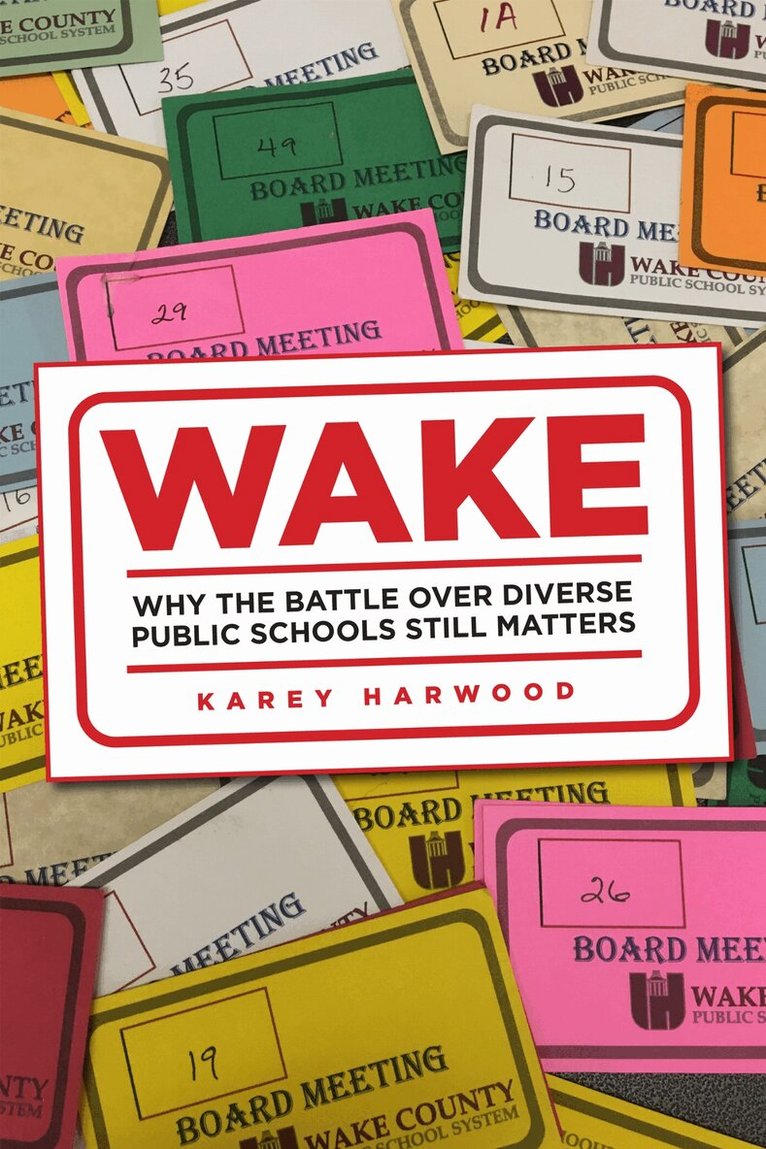
    Wake

    Why the Battle Over Diverse Public Schools Still Matters

    AvKarey Alison Harwood

    Inbunden, Engelska, 2024

    Del i serien Critical Issues in American Education

    1 657 kr

    Beställningsvara. Skickas inom 5-8 vardagar. Fri frakt över 249 kr.

    Fler format och utgåvor

    Häftad

    326 kr

    Beskrivning

    The Wake County Public School System was once described as a beacon of hope for American school districts. It was both academically successful and successfully integrated. It accomplished these goals through the hard work of teachers and administrators, and through a student assignment policy that made sure no school in the countywide district became a high poverty school. Although most students attended their closest school, the “diversity policy” modified where some students were assigned to make sure no school had more than 40% of its students qualifying for free or reduced-price lunch or more than 25% performing below grade level. When the school board election of 2009 swept into office a majority who favored “neighborhood schools,” the diversity policy that had governed student assignment for years was eliminated. Wake: Why the Battle Over Diverse Public Schools Still Matters tells the story of the aftermath of that election, including the fierce public debate that ensued during school board meetings and in the pages of the local newspaper, and the groundswell of community support that voted in a pro-diversity school board in 2011. What was at stake in those years was the fundamental direction of the largest school district in North Carolina and the 14th largest in the U.S. Would it maintain a commitment to diverse schools, and if so, how would it balance that commitment with various competing interests and demands? Through hundreds of published opinion articles and several in depth interviews with community leaders, Wake examines the substance of that debate and explores the community’s vision for public education. Wake also explores the importance of knowing the history of a place, including the history of school segregation. Wake County’s example still resonates, and the battle over diverse public schools still matters, because owning responsibility for the problem of segregated schools (or not) will shape the direction of America’s future.

    Produktinformation

    • Utgivningsdatum:2024-05-17
    • Mått:152 x 229 x 15 mm
    • Vikt:45 g
    • Format:Inbunden
    • Språk:Engelska
    • Serie:Critical Issues in American Education
    • Antal sidor:190
    • Förlag:Rutgers University Press
    • ISBN:9781978836570

    Utforska kategorier

    • Pedagogik: historia inom Psykologi och pedagogik
    • Utbildningsstrategier och utbildningspolitik inom Psykologi och pedagogik
    • Diskriminering och rättvisa inom Samhälle och politik

    Mer om författaren

    KAREY HARWOOD teaches at North Carolina State University in Raleigh, North Carolina. She is the author of The Infertility Treadmill: Feminist Ethics, Personal Choice, and the Use of Reproductive Technologies (University of North Carolina Press, 2007), and a parent of children who attended Wake County Public Schools.

    Recensioner i media

    “Harwood tackles a fascinating story and imparts new insights that could help guide readers to imagine a better future for schoolchildren. Wake provides a powerful narrative as a major school integration program that has been sustained to this day.”- Richard D. Kahlenberg (author of The Remedy: Class, Race, and Affirmative Action) “Karey Harwood does a brilliant job of describing Wake County, North Carolina’s struggles to create a more equitable and integrated school system. Most importantly, Harwood shows how “school choice” has seriously undermined those efforts, providing a cautionary tale of how charters and vouchers now facilitate the new white flight, forcing the reader to consider the consequences of viewing schooling as a marketplace commodity.” - Carol Corbett Burris (author of On the Same Track: How Schools Can Join the Twenty-First-Century Struggle against Resegreg)

    Innehållsförteckning

    • AcknowledgmentsChapter 1. Wake County’s Example: What Happened Here was RemarkableChapter 2. Contested Values in the Public Debate: Published Opinions, 2009-2011Chapter 3. Defenders of the Faith: Leaders Reflect on Diversity a Decade LaterChapter 4. Arguing from the Past, Fighting for the FutureChapter 5. Moral Logics and the Case for True IntegrationAppendix AAppendix BAppendix C