

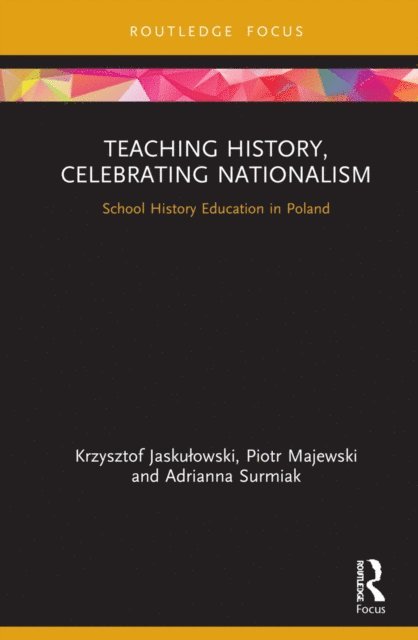
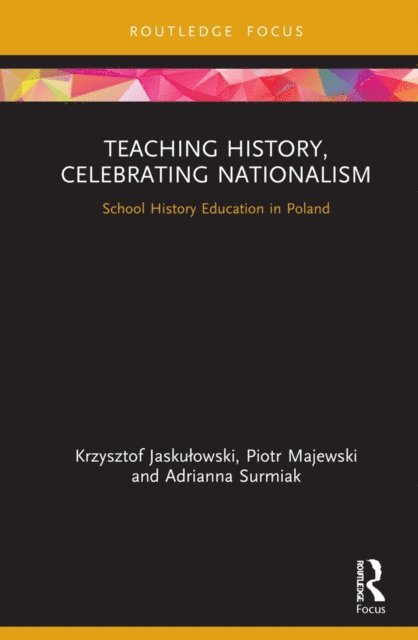
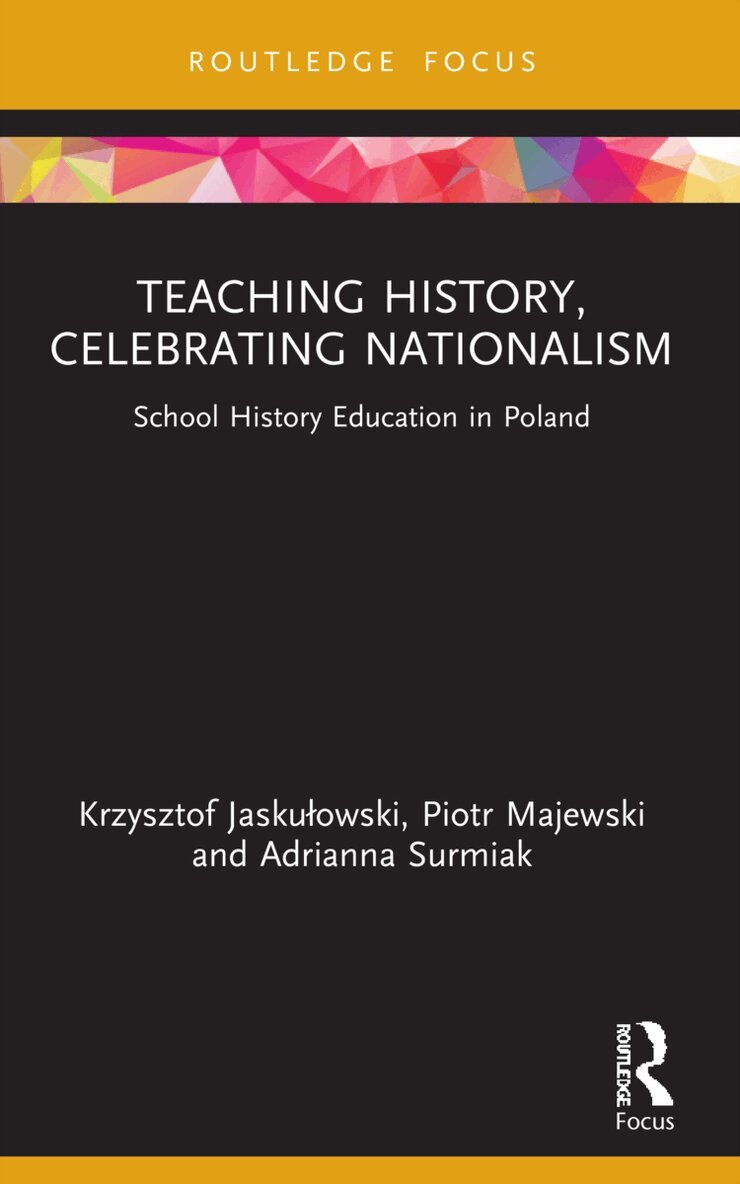
Teaching History, Celebrating Nationalism
Krzysztof Jaskułowski, Piotr Majewski, Adrianna Surmiak
Inbunden, 2021
954 kr
612 kr
Beställningsvara. Skickas inom 10-15 vardagar. Fri frakt över 249 kr.
Krzysztof Jaskułowski, Piotr Majewski, Adrianna Surmiak
Inbunden, 2021
954 kr
Adrianna Surmiak, Piotr Majewski, Krzysztof Jaskulowski
412 kr
Adrianna Surmiak, Piotr Majewski, Krzysztof Jaskulowski
412 kr
Krzysztof Jaskułowski, Piotr Majewski, Adrianna Surmiak
Häftad, 2023
355 kr

Krzysztof Jaskułowski, Piotr Majewski
Inbunden, 2024
982 kr

Krzysztof Jaskułowski, Piotr Majewski
Häftad, 2025
376 kr

Krzysztof Jaskułowski, Marek Pawlak
Inbunden, 2026
982 kr

Marek Pawlak, Krzysztof Jaskulowski
424 kr

Marek Pawlak, Krzysztof Jaskulowski
424 kr


Agniezka Bielewska-Mensah, Krzysztof Jaskulowski, Tomasz Kamusella
Häftad, 2012
576 kr

Blessing-Miles Tendi, Krzysztof Jaskulowski, Tomasz Kamusella
Häftad, 2010
629 kr
Marek Pawlak, Krzysztof Jaskulowski
424 kr

Marek Pawlak, Krzysztof Jaskulowski
424 kr
Adrianna Surmiak, Piotr Majewski, Krzysztof Jaskulowski
412 kr
Adrianna Surmiak, Piotr Majewski, Krzysztof Jaskulowski
412 kr
Krzysztof Jaskułowski, Piotr Majewski
Inbunden, 2024
982 kr
Krzysztof Jaskułowski, Piotr Majewski, Adrianna Surmiak
Inbunden, 2021
954 kr
Krzysztof Jaskułowski, Marek Pawlak
Inbunden, 2026
982 kr
612 kr
Beställningsvara. Skickas inom 10-15 vardagar. Fri frakt över 249 kr.
Krzysztof Jaskułowski, Piotr Majewski, Adrianna Surmiak
Inbunden, 2021
954 kr
Adrianna Surmiak, Piotr Majewski, Krzysztof Jaskulowski
412 kr
Adrianna Surmiak, Piotr Majewski, Krzysztof Jaskulowski
412 kr
Krzysztof Jaskułowski, Piotr Majewski, Adrianna Surmiak
Häftad, 2023
355 kr
Krzysztof Jaskułowski, Piotr Majewski
Inbunden, 2024
982 kr
Krzysztof Jaskułowski, Piotr Majewski
Häftad, 2025
376 kr
Krzysztof Jaskułowski, Marek Pawlak
Inbunden, 2026
982 kr
Marek Pawlak, Krzysztof Jaskulowski
424 kr
Marek Pawlak, Krzysztof Jaskulowski
424 kr
Agniezka Bielewska-Mensah, Krzysztof Jaskulowski, Tomasz Kamusella
Häftad, 2012
576 kr
Blessing-Miles Tendi, Krzysztof Jaskulowski, Tomasz Kamusella
Häftad, 2010
629 kr
Marek Pawlak, Krzysztof Jaskulowski
424 kr
Marek Pawlak, Krzysztof Jaskulowski
424 kr
Adrianna Surmiak, Piotr Majewski, Krzysztof Jaskulowski
412 kr
Adrianna Surmiak, Piotr Majewski, Krzysztof Jaskulowski
412 kr
Krzysztof Jaskułowski, Piotr Majewski
Inbunden, 2024
982 kr
Krzysztof Jaskułowski, Piotr Majewski, Adrianna Surmiak
Inbunden, 2021
954 kr
Krzysztof Jaskułowski, Marek Pawlak
Inbunden, 2026
982 kr