E-bok, Engelska, 2020
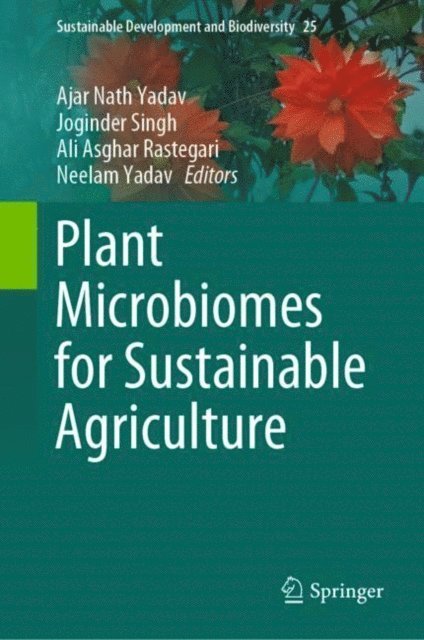
Plant Microbiomes for Sustainable Agriculture
Av Neelam Yadav, Ali Asghar Rastegari, Joginder Singh, Ajar Nath Yadav
2599 kr
Läs direkt i Bokus Reader – eller ladda ned till din enhet
Beskrivning
This book encompasses the current knowledge of plant microbiomes and their potential biotechnological application for plant growth, crop yield and soil health for sustainable agriculture. The plant microbiomes (rhizospheric, endophytic and epiphytic) play an important role in plant growth, development, and soil health. Plant and rhizospheric soil are a valuable natural resource harbouring hotspots of microbes, and it plays critical roles in the maintenance of global nutrient balance and ecosystem function. The diverse group of microbes is key components of soil–plant systems, where they are engaged in an intense network of interactions in the rhizosphere/endophytic/phyllospheric. The rhizospheric microbial diversity present in rhizospheric zones has a sufficient amount of nutrients release by plant root systems in form of root exudates for growth, development and activities of microbes. The endophytic microbes are referred to those microorganisms, which colonize in the interior ofthe plant parts, viz root, stem or seeds without causing any harmful effect on host plant. Endophytic microbes enter in host plants mainly through wounds, naturally occurring as a result of plant growth, or through root hairs and at epidermal conjunctions. Endophytes may be transmitted either vertically (directly from parent to offspring) or horizontally (among individuals). The phyllosphere is a common niche for synergism between microbes and plant. The leaf surface has been termed as phyllosphere and zone of leaves inhabited by microorganisms as phyllosphere. The plant part, especially leaves, is exposed to dust and air currents resulting in the establishments of typical flora on their surface aided by the cuticles, waxes and appendages, which help in the anchorage of microorganisms. The phyllospheric microbes may survive or proliferate on leaves depending on extent of influences of material in leaf diffuseness or exudates. The leaf diffuseness contains the principal nutrients factors (amino acids, glucose, fructose and sucrose), and such specialized habitats may provide niche for nitrogen fixation and secretions of substances capable of promoting the growth of plants.
The microbes associated with plant as rhizospheric, endophytic and epiphytic with plant growth promoting (PGP) attributes have emerged as an important and promising tool for sustainable agriculture. PGP microbes promote plant growth directly or indirectly, either by releasing plant growth regulators; solubilization of phosphorus, potassium and zinc; biological nitrogen fixation or by producing siderophore, ammonia, HCN and other secondary metabolites which are antagonistic against pathogenic microbes. The PGP microbes belong to different phylum of archaea (Euryarchaeota); bacteria (Acidobacteria, Actinobacteria, Bacteroidetes, Deinococcus-Thermus, Firmicutes and Proteobacteria) and fungi (Ascomycota and Basidiomycota), which include different genera namely Achromobacter,Arthrobacter, Aspergillus, Azospirillum, Azotobacter, Bacillus, Beijerinckia, Burkholderia, Enterobacter, Erwinia, Flavobacterium, Gluconoacetobacter, Haloarcula, Herbaspirillum, Methylobacterium, Paenibacillus, Pantoea, Penicillium, Piriformospora, Planomonospora, Pseudomonas, Rhizobium, Serratia and Streptomyces. These PGP microbes could be used as biofertilizers/bioinoculants at place of chemical fertilizers for sustainable agriculture.
The aim of “Plant Microbiomes for Sustainable Agriculture” is to provide the current developments in the understanding of microbial diversity associated with plant systems in the form of rhizospheric, endophytic and epiphytic. The book is useful to scientist, research and students related to microbiology, biotechnology, agriculture, molecular biology, environmental biology and related subjects.
Produktinformation
- Utgivningsdatum: 2020-03-06
- Språk: Engelska
- Filformat: EPUB
- Kopieringsskydd: LCP
- ISBN: 9783030384531
- Förlag: Springer International Publishing
Utforska kategorier
Betyg & recensioner
0 recensioner
Inga recensioner tillgängliga.