• Fri frakt över 249 kr
  • •
  • Snabba leveranser
  • •
  • Billiga böcker
Kundservice

Du är på sajten för privatpersoner.

Företag, bibliotek eller offentlig verksamhet?

Du handlar på classic.bokus.com, där alla dina funktioner finns intakta.
Till classic.bokus.com
Bokus logotyp. Gå till startsidan.
  • Erbjudanden
  • Nyheter
  • Student
  • Topplistor
  • Barn & ungdom
  • Bokus Play
  • E-böcker
  • Pocketböcker
  • Spel & pussel

10% rabatt på allt med kod: NYSTART10 →

Sidfot

Mina sidor

    Hjälp

    • Kundservice
    • Vanliga frågor och svar
    • Frakt och leverans
    • Retur vid ångerrätt
    • Reklamera vara
    • Betalning
    • Köpvillkor
    • Allmänna villkor
    • Information om webbplatsens tillgänglighet

    Om Bokus

    • Om oss
    • Pressrum
    • För studenter
    • För företag
    • För bibliotek och offentlig verksamhet
    • För leverantörer
    • Hållbarhet

    Populärt

    • Aktuella erbjudanden
    • Presentkort
    • Studentlitteratur
    • Nya böcker
    • Topplistor
    • Signerade böcker
    • Engelska böcker

    Inspiration

    • Boktips
    • BookTok
    • Populära bokserier
    • Barnbokskaraktärer
    • Populära författare
    Logotyp för Bokus
    Följ oss på Facebook (extern länk)Följ oss på Instagram (extern länk)Följ oss på YouTube (extern länk)Följ oss på TikTok (extern länk)
    bokus @ CookiesAnpassa cookiesIntegritetspolicyKöpvillkor
    Till Citymail hemsida (extern länk)Till Budbee hemsida (extern länk)Till Postnord hemsida (extern länk)Till Schenker hemsida (extern länk)Till Early Bird hemsida (extern länk)Till Walleys hemsida (extern länk)
    1. Naturvetenskap och teknik
    2. Geovetenskap
    3. Miljövetenskap och miljöpolitik

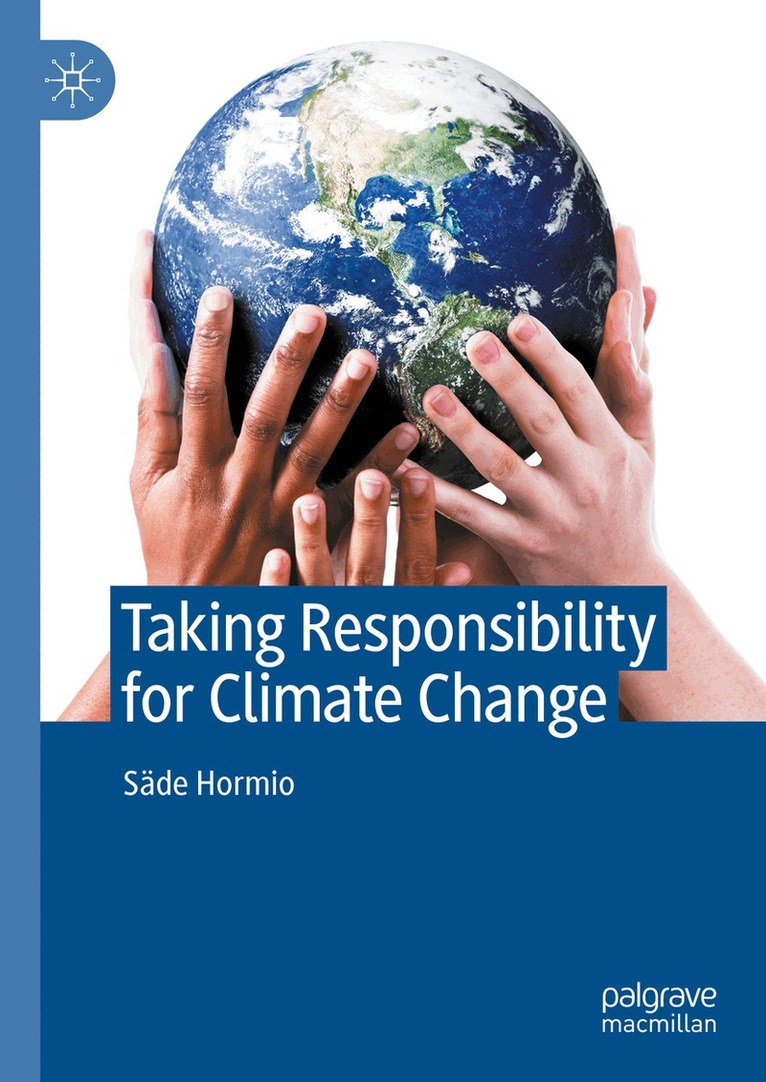
    Taking Responsibility for Climate Change

    AvSäde Hormio

    Inbunden, Engelska, 2024

    1 194 kr

    Beställningsvara. Skickas inom 10-15 vardagar. Fri frakt över 249 kr.

    Fler format och utgåvor

    Häftad

    1 194 kr

    Beskrivning

    This book proposes that it is not only states and international bodies that have a responsibility to take action toward mitigating climate change. Other collective agents, such as corporations, need to also come onboard. Additionally, the book argues that climate change is not solely a problem for collective agents, but also for individuals, as they are members of collectives and groups of several kinds. Therefore, framing climate change responsibility exclusively from either the collective or the individual perspective leaves out something crucial: how we all are influenced by the collectives we belong to and how, in turn, collectives are influenced by individuals. The focus of the book is on areas of climate change responsibility that are often left out of the picture or get too little attention in climate ethics, such as carbon inequality within countries. But why should any theoretical arguments about normative issues matter when we have a real-life climate crisis on our hands? Säde Hormio argues that ethical arguments have an important role in setting climate policy: they can highlight what values are at stake and help ground normative arguments in public deliberations.

    Produktinformation

    • Utgivningsdatum:2024-02-21
    • Mått:148 x 210 x 14 mm
    • Vikt:333 g
    • Format:Inbunden
    • Språk:Engelska
    • Antal sidor:150
    • Förlag:Springer International Publishing AG
    • ISBN:9783031517525

    Utforska kategorier

    • Miljövetenskap och miljöpolitik inom Naturvetenskap och teknik
    • Filosofiska discipliner inom Filosofi och religion
    • Naturvetenskapens filosofi inom Naturvetenskap och teknik

    Mer om författaren

    Säde Hormio is an Academy Research Fellow in Practical Philosophy at the University of Helsinki. She is also affiliated with the Institute for Futures Studies in Stockholm. Her research focuses on shared and collective responsibility.

    Innehållsförteckning

    • 1. Introduction to collective and shared responsibility for climate change.- 2. Calling all collective agents.- 3. Responsibility as members.- 4. Shared social orientation and responsibility as constituents.- 5. Carbon inequality and direct responsibility.- 6.Why we need ethical arguments to set good climate policies.