Inbunden, Engelska, 2025
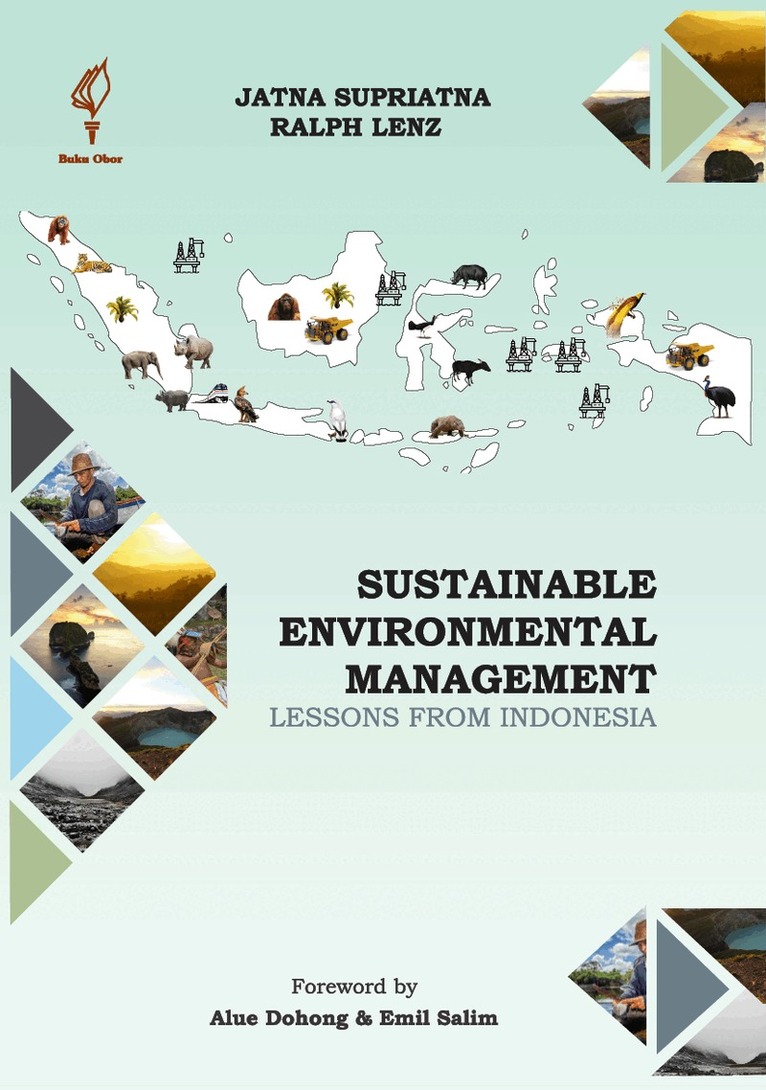
Sustainable Environmental Management
Av Jatna Supriatna, Ralph Lenz
1853 kr
Beställningsvara. Skickas inom 10-15 vardagar. Fri frakt över 249 kr.
Beskrivning
Environmental sustainability in the developing world is the focus of this book. Our purpose will not, however, be to produce an endless list of huge numbers of facts about the many developing countries. Indonesia could be considered a proto-typical example of a developing world country. As an archipelago situated along the equator in Southeast Asia, its location is ideal for a prototype—almost all developing countries are tropical. Kalimantan, Sumatra, and Papua in particular, contain a substantial portion of the world’s remaining equatorial rainforests; rainforest management is among the most pressing global sustainability problems.However, Indonesia’s forests are far from monolithic; they include a large set of different biome types. Indonesia’s population is multi-ethnic, a characteristic not only of other very large developing countries like India and Nigeria, but of nearly every African country and of many other formerly colonized regions. Another factor favoring a prototype designation is a relatively recent escape from the category of severe under-development. Indonesia ranked eighth in the world in real per capita GDP growth rate between 1960 and 2018, not an atypical outcome for Southeast Asian market economies—Thailand, Malaysia, Singapore and Myanmar ranked even higher (EarthTrends of World Resources Institute). Like most developing countries, economic growth has mainly been sparked by exports of energy and mineral extraction products and plantation crops. There is also manufacturing growth; Indonesia has seven ‘million’ cities and the world’s sixth-largest metro area by population. At the same time, many of the population remain engaged in agriculture; many are extremely impoverished. Environmental problems Indonesia encounters in its path to economic development are typical of those in other developing countries, and solutions it may find can serve as guidelines for other developing countries anticipating a similar economic take-off. This book consists of 21 chapters on sustainability efforts in Indonesia by many stakeholders, government, local government, private sectors, NGOs and communities.
Produktinformation
- Utgivningsdatum: 2025-07-03
- Mått: 168 x 240 x 41 mm
- Vikt: 1 216 g
- Format: Inbunden
- Språk: Engelska
- Antal sidor: 630
- Förlag: Springer International Publishing AG
- ISBN: 9783031766411
Utforska kategorier
Betyg & recensioner
0 recensioner
Inga recensioner tillgängliga.