Inbunden, Engelska, 2025
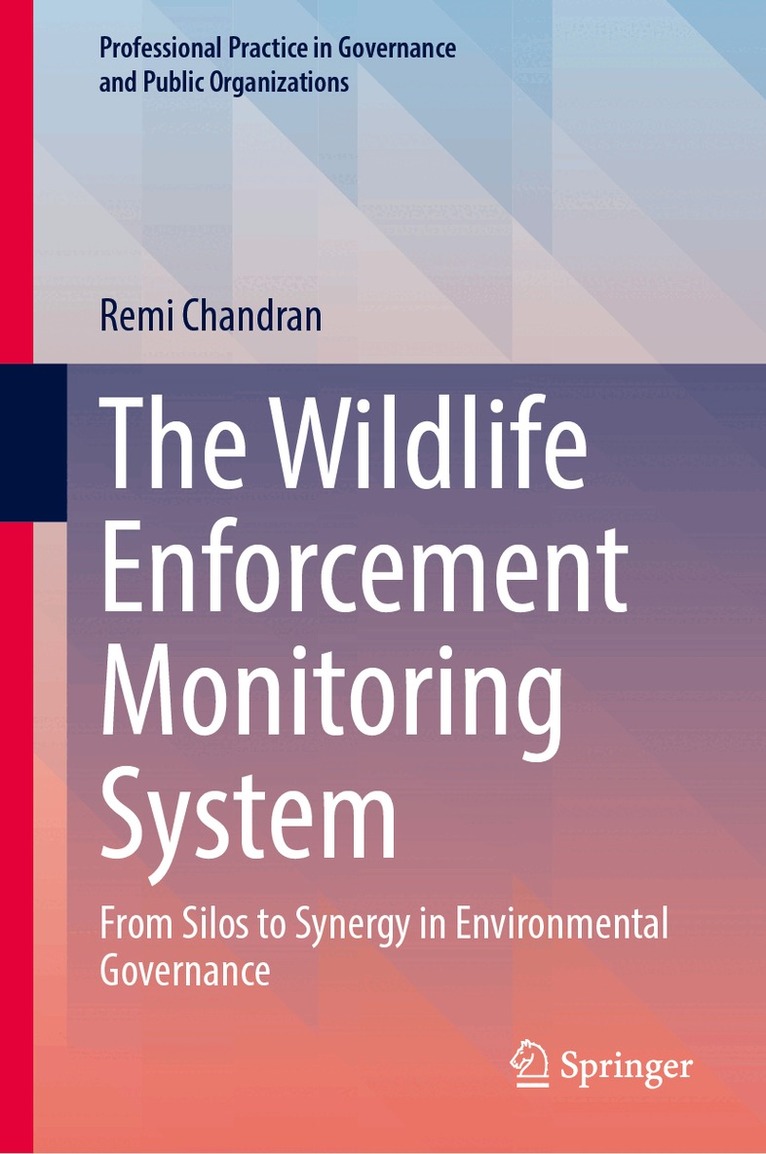
Wildlife Enforcement Monitoring System
1530 kr
Beställningsvara. Skickas inom 10-15 vardagar. Fri frakt över 249 kr.
Beskrivning
In The Wildlife Enforcement Monitoring System, Remi Chandran chronicles a twenty-year journey to develop an innovative tool that enhances wildlife law enforcement information sharing through mapping technology. The book examines the intrinsic challenges of data sharing, which is shackled by conflicting regulations, ideologies, and institutional barriers. By exploring the changes in the wildlife-trade policy system and the evolving roles of key actors, Chandran reveals how these shifts transformed the Wildlife Enforcement Monitoring System (WEMS). The novel WEMS initiative redefined data-exchange practices and shaped the way for platforms like the Digital Public Infrastructure to tackle humanature conflicts. More than a technical achievement, this is a story of collaboration, resilience, and shared knowledge.
Produktinformation
- Utgivningsdatum: 2025-09-01
- Mått: 155 x 235 x 18 mm
- Vikt: 487 g
- Format: Inbunden
- Språk: Engelska
- Serie: Professional Practice in Governance and Public Organizations
- Antal sidor: 184
- Förlag: Springer International Publishing AG
- ISBN: 9783031970832
Utforska kategorier
Betyg & recensioner
0 recensioner
Inga recensioner tillgängliga.