• Fri frakt över 249 kr
  • •
  • Snabba leveranser
  • •
  • Billiga böcker
Kundservice

Du är på sajten för privatpersoner.

Företag, bibliotek eller offentlig verksamhet?

Du handlar på classic.bokus.com, där alla dina funktioner finns intakta.
Till classic.bokus.com
Bokus logotyp. Gå till startsidan.
  • Erbjudanden
  • Nyheter
  • Student
  • Topplistor
  • Barn & ungdom
  • Bokus Play
  • E-böcker
  • Pocketböcker
  • Spel & pussel

10% rabatt på allt med kod: NYSTART10 →

Sidfot

Mina sidor

    Hjälp

    • Kundservice
    • Vanliga frågor och svar
    • Frakt och leverans
    • Retur vid ångerrätt
    • Reklamera vara
    • Betalning
    • Köpvillkor
    • Allmänna villkor
    • Information om webbplatsens tillgänglighet

    Om Bokus

    • Om oss
    • Pressrum
    • För studenter
    • För företag
    • För bibliotek och offentlig verksamhet
    • För leverantörer
    • Hållbarhet

    Populärt

    • Aktuella erbjudanden
    • Presentkort
    • Studentlitteratur
    • Nya böcker
    • Topplistor
    • Signerade böcker
    • Engelska böcker

    Inspiration

    • Boktips
    • BookTok
    • Populära bokserier
    • Barnbokskaraktärer
    • Populära författare
    Logotyp för Bokus
    Följ oss på Facebook (extern länk)Följ oss på Instagram (extern länk)Följ oss på YouTube (extern länk)Följ oss på TikTok (extern länk)
    bokus @ CookiesAnpassa cookiesIntegritetspolicyKöpvillkor
    Till Citymail hemsida (extern länk)Till Budbee hemsida (extern länk)Till Postnord hemsida (extern länk)Till Schenker hemsida (extern länk)Till Early Bird hemsida (extern länk)Till Walleys hemsida (extern länk)
    1. Filosofi och religion
    2. Filosofi
    3. Filosofiska discipliner

    Palgrave Handbook on the Ethics of Artificial Intelligence

    AvSteven S. Gouveia

    Inbunden, Engelska, 2026

    2 381 kr

    Beställningsvara. Skickas inom 10-15 vardagar. Fri frakt över 249 kr.
    Beskrivning

    This Handbook explores the ethical dimensions of Artificial Intelligence (AI) across philosophical, legal, and applied perspectives. Bringing together leading scholars and practitioners, the handbook examines key issues in this field, including algorithmic bias, privacy, responsibility, and AI’s impact on human rights and democracy. It also explores sector-specific challenges in healthcare, law, finance, art and many more, offering a multidisciplinary approach to AI Ethics. With a balance of theoretical insights and practical studies and with a diversity of authorship, this handbook serves as an essential resource for academics, policymakers, and technology professionals navigating the ethical challenges of AI in the 21st century.

    Produktinformation

    • Utgivningsdatum:2026-05-08
    • Mått:155 x 235 x 56 mm
    • Vikt:1 552 g
    • Format:Inbunden
    • Språk:Engelska
    • Antal sidor:898
    • Förlag:Springer Nature Switzerland AG
    • ISBN:9783032151117

    Utforska kategorier

    • Filosofiska discipliner inom Filosofi och religion
    • Artificiell intelligens inom Data och IT
    • Etiska frågor och debatter inom Samhälle och politik

    Mer om författaren

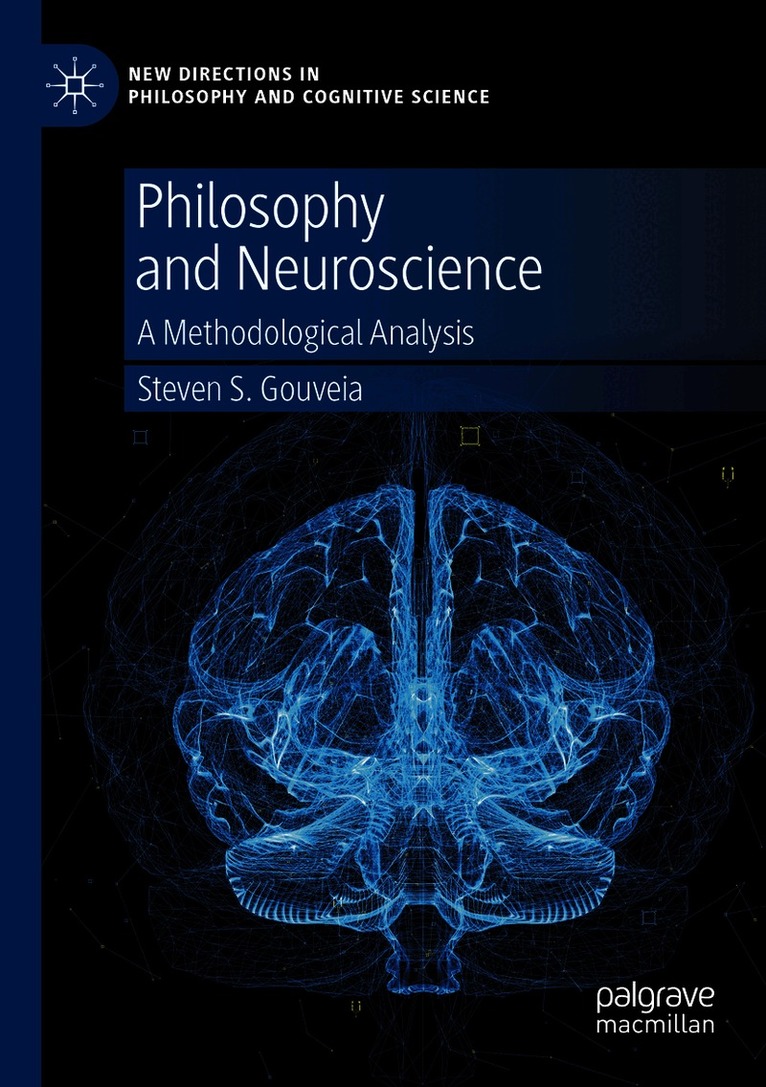
    Steven S. Gouveia is a Research Fellow at the Mind, Language and Action Group of the Institute of Philosophy of the University of Porto, Portugal. He has published 16 academic books, including The Age of Artificial Intelligence: An Exploration (2019), Philosophy and Neuroscience: A Methodological Analysis (2020), Thinking the New World: Conversations on Artificial Intelligence (2022), and The Odyssey of the Mind (2024), which have been translated into more than 10 languages. He hosted the international documentary available on YouTube titled “The Age of Artificial Intelligence: A Documentary”, and his TEDx Talk on AI reached over 40.000 views. He delivers keynotes to audiences across the globe.

    Innehållsförteckning

    • Section 1: Meta-Ethics of AI.- Chapter 1: “Re-Aligning Value Alignment: a Metaethical Perspective on AI Ethics” | Mehmet B. Unver (University of Hertfordshire Law School).- Chapter 2: “ELSA Labs as Method to Study AI-based Systems at the Micro, Meso and Macro Level” | Vincent Blok (Wageningen University / Erasmus University Rotterdam).- Chapter 3: “Recasting AI, Sustainability, and the Naturalism-Normativity Problem” | Nythamar de Oliveira (Pontificia University of Rio Grande do Sul).- Chapter 4: “On the Brazilian Regulatory Law of Artificial Intelligence: Epistemic and Ethical Obscurities” | Deivide Oliveira (Federal University of Sergip).- Section 2: Anthropocene and AI.- Chapter 5: “A(I)Nthropocene: From the Enframing to The Enveloping” | Agostino Cera (Università Di Ferrara).- Chapter 6: “From Bytes to Biosphere: The Environmental Implications of Digital Technologies in the Anthropocene” | João Ribeiro Mendes (University of Minho).- Chapter 7: “Humanity Without a World: Unworldliness as a Hermeneutical Criterion for an Ethic of AI and the Anthropocene” | Lorenzo De Stefano (University of Naples “Federico II” / University of Basilicata).- Chapter 8: “Rethinking Earth Digitally: AI’s Ontological Trade-offs as an Ethical Challenge in the Anthropocene” | Ângelo Milhano (University of Évora).- Section 3: Privacy and Explainability in AI.- Chapter 9: “A Narrative Understanding of Privacy and the Problem of AI Generated Content for Narrative Identity” | Paul Hayes and Noel Fitzpatrick (Technological University Dublin).- Chapter 10: “Balancing Privacy and Security: The Role of AI in Interagency Intelligence Databases” | Luca Di Vincenzo (Sapienza University of Rome), Simone Conversano (University of Pisa) and Gianluca Tirozzi (Sapienza University of Rome).- Chapter 11: “On the Ethical Role of Explainability” | João Cortese (University of São Paulo).- Chapter 12: “Ethics of Model Memorization and Machine Unlearning” | Arto Laitinen (Tampere University) and Otto Sahlgren (Tampere University).- Section 4: Justice and AI.- Chapter 13: “Implementation of Justice into AI systems” | Luka Perušić (University of Zagreb).- Chapter 14: “Epistemic Defeat and the Ethics of Machine Learning” | Keith Begley (Durham University).- Chapter 15: “Triumph and Debacle: Ethics of Artificial Intelligence between Exemption and Resonance” | Luciano Sesta (University of Palermo).- Chapter 16: “Legitimacy in the Age of Algocracy” | Megan Foster (Luiss Guido Carli University).- Section 5: Responsibility and AI.- Chapter 17: “Humanity’s Moral Burden: As AI Advances, Responsibility Escalates” | Benjamin Gregg (University of Texas, Austin).- Chapter 18: “AI, Agency, and Responsibility” | Nikhil Mahant (Uppsala University).- Chapter 19: “Conceptual and Ethical Foundations of Responsibility in Artificial Intelligence: Bridging Principles and Practice” | Joaquim Giannotti (Universidad Mayor) and Heber Leal (Universidad Mayor).- Chapter 20: “Responsible AI in Science” | Sabina Leonelli (Technical University of Munich), Shannon Vallor (University of Edinburgh) and Alex Mussgnug (University of Edinburgh / University of Exeter).- Section 6: AI and Aristotelian Virtues.- Chapter 21: “Can We Instill Moral Virtue to AI?” | Christos Kyriacou (University of Cyprus).- Chapter 22: “Aristotelian Responsibility in AI” | Hasse Hämäläinen (Mehiläinen) and Steven S. Gouveia (University of Porto).