• Fri frakt över 249 kr
  • •
  • Snabba leveranser
  • •
  • Billiga böcker
Kundservice

Du är på sajten för privatpersoner.

Företag, bibliotek eller offentlig verksamhet?

Du handlar på classic.bokus.com, där alla dina funktioner finns intakta.
Till classic.bokus.com
Bokus logotyp. Gå till startsidan.
  • Erbjudanden
  • Nyheter
  • Student
  • Topplistor
  • Barn & ungdom
  • Bokus Play
  • E-böcker
  • Pocketböcker
  • Spel & pussel

10% rabatt på allt med kod: NYSTART10 →

Sidfot

Mina sidor

    Hjälp

    • Kundservice
    • Vanliga frågor och svar
    • Frakt och leverans
    • Retur vid ångerrätt
    • Reklamera vara
    • Betalning
    • Köpvillkor
    • Allmänna villkor
    • Information om webbplatsens tillgänglighet

    Om Bokus

    • Om oss
    • Pressrum
    • För studenter
    • För företag
    • För bibliotek och offentlig verksamhet
    • För leverantörer
    • Hållbarhet

    Populärt

    • Aktuella erbjudanden
    • Presentkort
    • Studentlitteratur
    • Nya böcker
    • Topplistor
    • Signerade böcker
    • Engelska böcker

    Inspiration

    • Boktips
    • BookTok
    • Populära bokserier
    • Barnbokskaraktärer
    • Populära författare
    Logotyp för Bokus
    Följ oss på Facebook (extern länk)Följ oss på Instagram (extern länk)Följ oss på YouTube (extern länk)Följ oss på TikTok (extern länk)
    bokus @ CookiesAnpassa cookiesIntegritetspolicyKöpvillkor
    Till Citymail hemsida (extern länk)Till Budbee hemsida (extern länk)Till Postnord hemsida (extern länk)Till Schenker hemsida (extern länk)Till Early Bird hemsida (extern länk)Till Walleys hemsida (extern länk)
    1. Psykologi och pedagogik
    2. Pedagogik
    3. Pedagogisk teori och filosofi
    • Nyhet

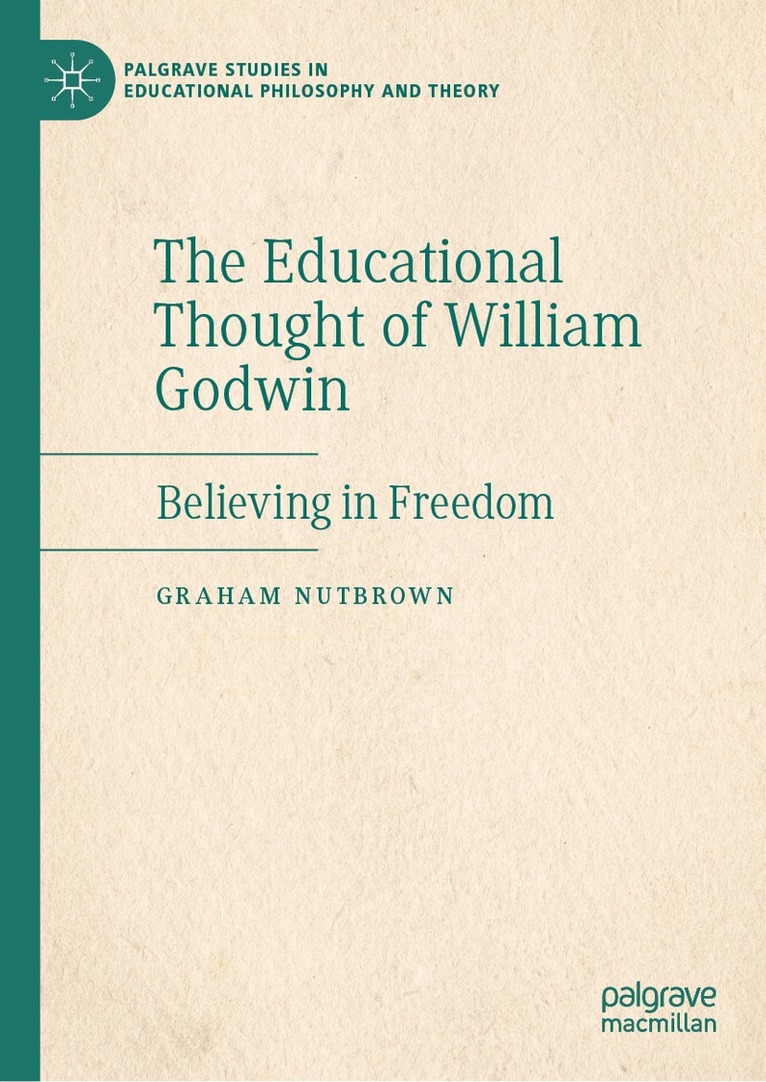
    Educational Thought of William Godwin

    Believing in Freedom

    AvGraham Nutbrown

    Inbunden, Engelska, 2026

    Del i serien Palgrave Studies in Educational Philosophy and Theory

    1 593 kr

    Beställningsvara. Skickas inom 11-20 vardagar. Fri frakt över 249 kr.

    Beskrivning

    This book examines the educational philosophy of William Godwin, who is best known today as the founding father of philosophical anarchism, the husband of the feminist philosopher Mary Wollstonecraft, and the father of Mary Shelley. In the 1790s, after the French Revolution, he was regarded as the leading British political philosopher and novelist of the day. The book argues that his political philosophy can be appreciated best when attention is paid to the core role and nature of education. Graham Nutbrown posits that Godwin’s philosophy of education represents a road not taken, an alternative to the road followed by progressive educationalists who looked to Rousseau for inspiration, on the one hand, and to the nineteenth century advocates of state schooling on the other. Godwin’s direct influence on educational theory and practice today is limited, yet he anticipated many of its themes and commitments – in relation, for example, to pedagogical and curricular priorities and to educational justice. The book will appeal to academics and postgraduate students of philosophy of education, political philosophy, the long eighteenth century and Romanticism.

    Produktinformation

    • Utgivningsdatum:2026-08-20
    • Mått:148 x 210 x undefined mm
    • Format:Inbunden
    • Språk:Engelska
    • Serie:Palgrave Studies in Educational Philosophy and Theory
    • Antal sidor:272
    • Förlag:Springer Nature Switzerland AG
    • ISBN:9783032257802

    Utforska kategorier

    • Pedagogisk teori och filosofi inom Psykologi och pedagogik
    • Utbildningsstrategier och utbildningspolitik inom Psykologi och pedagogik
    • Politiskt förtryck inom Samhälle och politik

    Mer om författaren

    Graham Nutbrown is Visiting Lecturer in the Department of Education at the University of Bath, UK.

    Innehållsförteckning

    • Chapter 1: Introduction.- Chapter 2: Godwin’s Life and Times.- Chapter 3: From Private Judgement to Political Justice.- Chapter 4: Godwin’s Philosophy of Education.- Chapter 5: Godwin and the Philosophy of Education Today.- Chapter 6: Conclusions.