• Fri frakt över 249 kr
  • •
  • Snabba leveranser
  • •
  • Billiga böcker
Kundservice

Du är på sajten för privatpersoner.

Företag, bibliotek eller offentlig verksamhet?

Du handlar på classic.bokus.com, där alla dina funktioner finns intakta.
Till classic.bokus.com
Bokus logotyp. Gå till startsidan.
  • Erbjudanden
  • Nyheter
  • Student
  • Topplistor
  • Barn & ungdom
  • Bokus Play
  • E-böcker
  • Pocketböcker
  • Spel & pussel

10% rabatt på allt med kod NYSTART10 →

Sidfot

Mina sidor

    Hjälp

    • Kundservice
    • Vanliga frågor och svar
    • Frakt och leverans
    • Retur vid ångerrätt
    • Reklamera vara
    • Betalning
    • Köpvillkor
    • Allmänna villkor
    • Information om webbplatsens tillgänglighet

    Om Bokus

    • Om oss
    • Pressrum
    • För studenter
    • För företag
    • För bibliotek och offentlig verksamhet
    • För leverantörer
    • Hållbarhet

    Populärt

    • Aktuella erbjudanden
    • Presentkort
    • Studentlitteratur
    • Nya böcker
    • Topplistor
    • Signerade böcker
    • Engelska böcker

    Inspiration

    • Boktips
    • BookTok
    • Populära bokserier
    • Barnbokskaraktärer
    • Populära författare
    Logotyp för Bokus
    Följ oss på Facebook (extern länk)Följ oss på Instagram (extern länk)Följ oss på YouTube (extern länk)Följ oss på TikTok (extern länk)
    bokus @ CookiesAnpassa cookiesIntegritetspolicyKöpvillkor
    Till Citymail hemsida (extern länk)Till Budbee hemsida (extern länk)Till Postnord hemsida (extern länk)Till Schenker hemsida (extern länk)Till Early Bird hemsida (extern länk)Till Walleys hemsida (extern länk)
    1. Kultur
    2. Konstböcker
    3. Konsthistoria

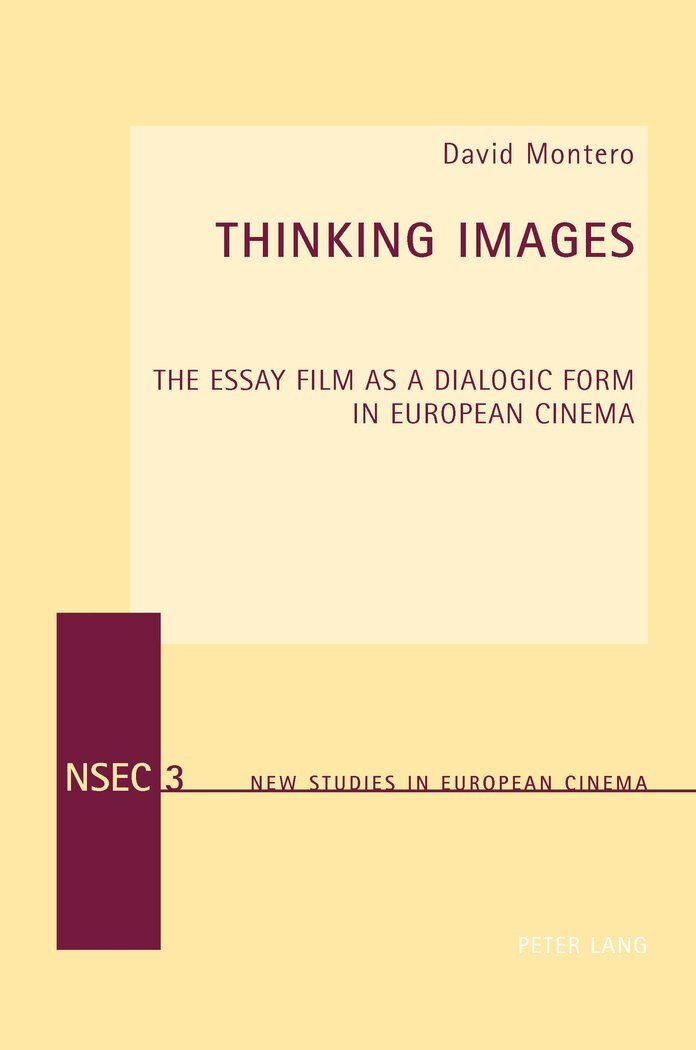
    Thinking Images

    The Essay Film as a Dialogic Form in European Cinema

    AvDavid Montero

    Häftad, Engelska, 2012

    Del 3 i serien New Studies in European Cinema

    859 kr

    Beställningsvara. Skickas inom 5-8 vardagar. Fri frakt över 249 kr.

    Beskrivning

    The essay film – ‘a form that thinks’ – serves to create a self-reflexive space for contemporary society by challenging expectations and demanding the creative involvement of the spectator. Using film to provoke thought has never been more important than now, when non-fiction films are gaining in popularity and playing a growing part in debates about culture and politics. This timely publication argues that the appeal of the essay film lies primarily in the dialogic engagement with the spectator and the richness of the intellectual and artistic debate it stimulates.The book focuses on the work of three key European film directors associated with the essay film: Chris Marker, Harun Farocki and José Luis Guerín. It provides a detailed analysis of several films by each director, exploring the relationship between dialogism and essayism in their work and placing this in the wider context of debates on the cinematic essay as a genre. Central aspects of essayistic filmmaking are explored, including its radical approach to knowledge, its distinctive patterns of subjectivity, its challenging of the formal representation of reality, and its contribution to new understandings of spectatorship. Written with clarity and perception, this volume offers new insights into the rise of the non-fiction film and the essay film, in particular.

    Produktinformation

    • Utgivningsdatum:2012-05-02
    • Mått:150 x 225 x 13 mm
    • Vikt:310 g
    • Format:Häftad
    • Språk:Engelska
    • Serie:New Studies in European Cinema
    • Antal sidor:194
    • Förlag:Peter Lang AG, Internationaler Verlag der Wissenschaften
    • ISBN:9783034307307

    Utforska kategorier

    • Konsthistoria inom Kultur
    • Skrivande och redigering inom Språk och ordböcker
    • Konstteori inom Kultur

    Mer om författaren

    David Montero is a lecturer and postdoctoral researcher in film and communication studies at the University of Seville, Spain. He completed his PhD at the University of Bath in 2009 and has previously published on the essay film.

    Innehållsförteckning

    • Contents: The thinking form – Questions and answers: Towards a dialogical understanding of the essay film – Essayistic filmmaking as a non-fictional practice: Self-reflexivity and heteroglossia in Harun Farocki’s Workers Leaving the Factory, José Luis Guerín’s Train of Shadows and Chris Marker’s Sunless – Beyond the ‘I’: Subjectivity and dialogical authorship in Chris Marker’s Level 5 – Unfinalizability, addressivity and tact: Harun Farocki’s Videograms of a Revolution – Interpellation, active spectatorship and the returned gaze: José Luis Guerín’s In the City of Sylvia – Mapping the origins of an essayistic sensibility in five films.