• Fri frakt över 249 kr
  • •
  • Snabba leveranser
  • •
  • Billiga böcker
Kundservice

Du är på sajten för privatpersoner.

Företag, bibliotek eller offentlig verksamhet?

Du handlar på classic.bokus.com, där alla dina funktioner finns intakta.
Till classic.bokus.com
Bokus logotyp. Gå till startsidan.
  • Erbjudanden
  • Nyheter
  • Student
  • Topplistor
  • Barn & ungdom
  • Bokus Play
  • E-böcker
  • Pocketböcker
  • Spel & pussel

10% rabatt på allt med kod: NYSTART10 →

Sidfot

Mina sidor

    Hjälp

    • Kundservice
    • Vanliga frågor och svar
    • Frakt och leverans
    • Retur vid ångerrätt
    • Reklamera vara
    • Betalning
    • Köpvillkor
    • Allmänna villkor
    • Information om webbplatsens tillgänglighet

    Om Bokus

    • Om oss
    • Pressrum
    • För studenter
    • För företag
    • För bibliotek och offentlig verksamhet
    • För leverantörer
    • Hållbarhet

    Populärt

    • Aktuella erbjudanden
    • Presentkort
    • Studentlitteratur
    • Nya böcker
    • Topplistor
    • Signerade böcker
    • Engelska böcker

    Inspiration

    • Boktips
    • BookTok
    • Populära bokserier
    • Barnbokskaraktärer
    • Populära författare
    Logotyp för Bokus
    Följ oss på Facebook (extern länk)Följ oss på Instagram (extern länk)Följ oss på YouTube (extern länk)Följ oss på TikTok (extern länk)
    bokus @ CookiesAnpassa cookiesIntegritetspolicyKöpvillkor
    Till Citymail hemsida (extern länk)Till Budbee hemsida (extern länk)Till Postnord hemsida (extern länk)Till Schenker hemsida (extern länk)Till Early Bird hemsida (extern länk)Till Walleys hemsida (extern länk)
    1. Filosofi och religion
    2. Religion och tro
    3. Religion: allmänt

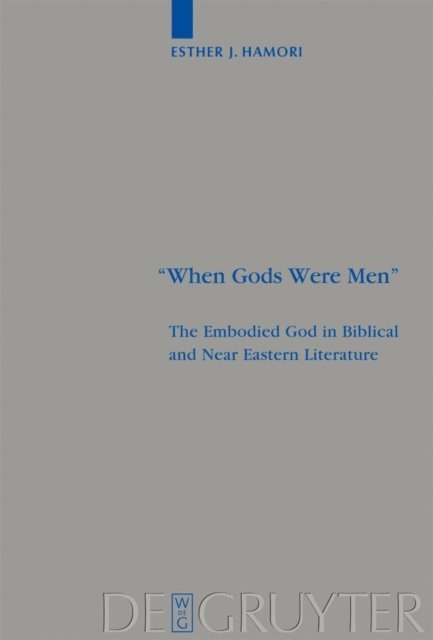
    &quote;When Gods Were Men&quote;

    The Embodied God in Biblical and Near Eastern Literature

    AvEsther J. Hamori

    E-bok
    PDF, Engelska, 2008

    1 574 kr

    Läs direkt i Bokus Reader – eller ladda ned till din enhet (PDF kräver ofta zoom och scroll på små skärmar).

    Beskrivning

    In the texts of Genesis 18 and 32, God appears to a patriarch in person and is referred to by the narrator as a man, both times by the Hebrew word īsh. In both texts, God as īsh is described in graphically human terms. This type of divine appearance is identified here as the "īsh theophany". The phenomenon of God appearing in concrete human form is first distinguished from several other types of anthropomorphism, such as divine appearance in dreams. The īsh theophany is viewed in relation to appearances of angels and other divine beings in the Bible, and in relation to anthropomorphic appearances of deities in Near Eastern literature. The īsh theophany has implications for our understanding of Israelite concepts of divine-human contact and communication, and for the relationship to Ugaritic literature in particular. The book also includes discussion of philosophical approaches to anthropomorphism. The development of philosophical opposition to anthropomorphism can be traced from Greek philosophy and early Jewish and Christian writings through Avicenna, Averroes, Maimonides and Aquinas, and into the work of later philosophers such as Hume and Kant. However, the work of others can be applied fruitfully to the problem of divine anthropomorphism, such as Wittgenstein''s language games.

    Produktinformation

    • Utgivningsdatum:2008-08-27
    • Språk:Engelska
    • Filformat:PDF
    • Kopieringsskydd:LCP
    • ISBN:9783110206715
    • Förlag:De Gruyter

    Utforska kategorier

    • Religion: allmänt inom Filosofi och religion
    • Biblar inom Filosofi och religion
    • Forntida religioner och mytologier inom Filosofi och religion