
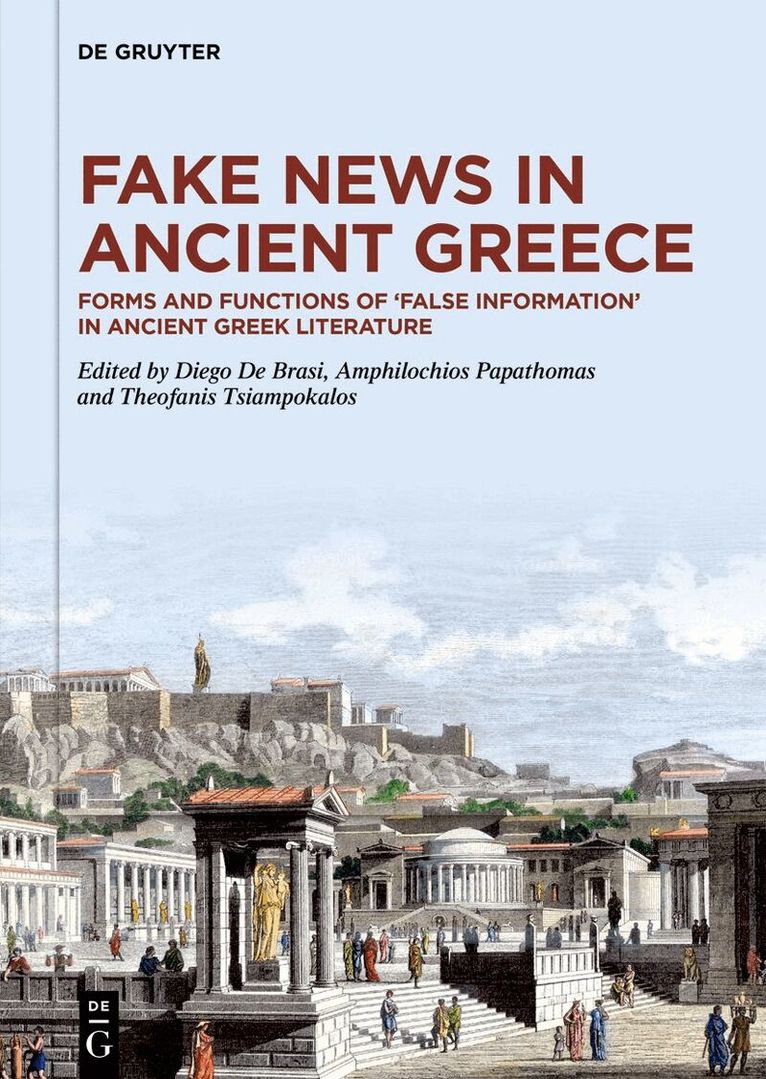
Fake News in Ancient Greece
Diego De Brasi, Amphilochios Papathomas, Theofanis Tsiampokalos
Inbunden, 2024
1 984 kr
AvTheofanis Tsiampokalos,Amphilochios Papathomas
1 557 kr
Läs direkt i Bokus Reader – eller ladda ned till din enhet
Scholars have recognized that fake news is not a phenomenon peculiar to the 21st century. While efforts for a more focused approach to fake news in the ancient world have been carried out in the field of Roman history, the phenomenon of fake news in ancient Greece has received limited attention. The contributions in this volume offer a selective approach to this phenomenon by applying media and cultural studies instruments to ancient texts. They pinpoint parallels and differences between ancient and modern fake news by employing methods of literary and cultural studies, as well as historical-documentary analysis of ancient sources. In particular, they explore questions such as: To what extent does reflection on the concepts of truth, lie, and opinion influence ancient Greek political-rhetorical discourse? What is the political or social function of embedding ‘misleading information’ in ancient Greek historiographical texts or pamphlets? Which intentions are pursued with the help of fake news in literary and documentary texts? Can parallels be drawn with modern approaches to fake news? Thus, the volume investigates the mechanisms that historically lay behind the creation, dissemination, and adaptation of ‘misleading information’.
Diego De Brasi, Amphilochios Papathomas, Theofanis Tsiampokalos
Inbunden, 2024
1 984 kr
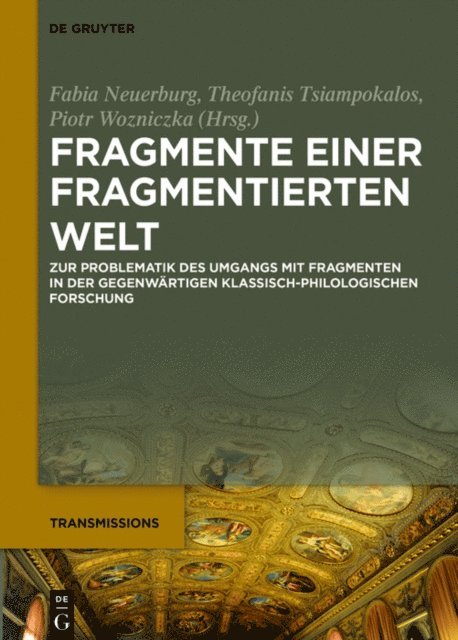
Piotr Wozniczka, Theofanis Tsiampokalos, Fabia Neuerburg
1 376 kr
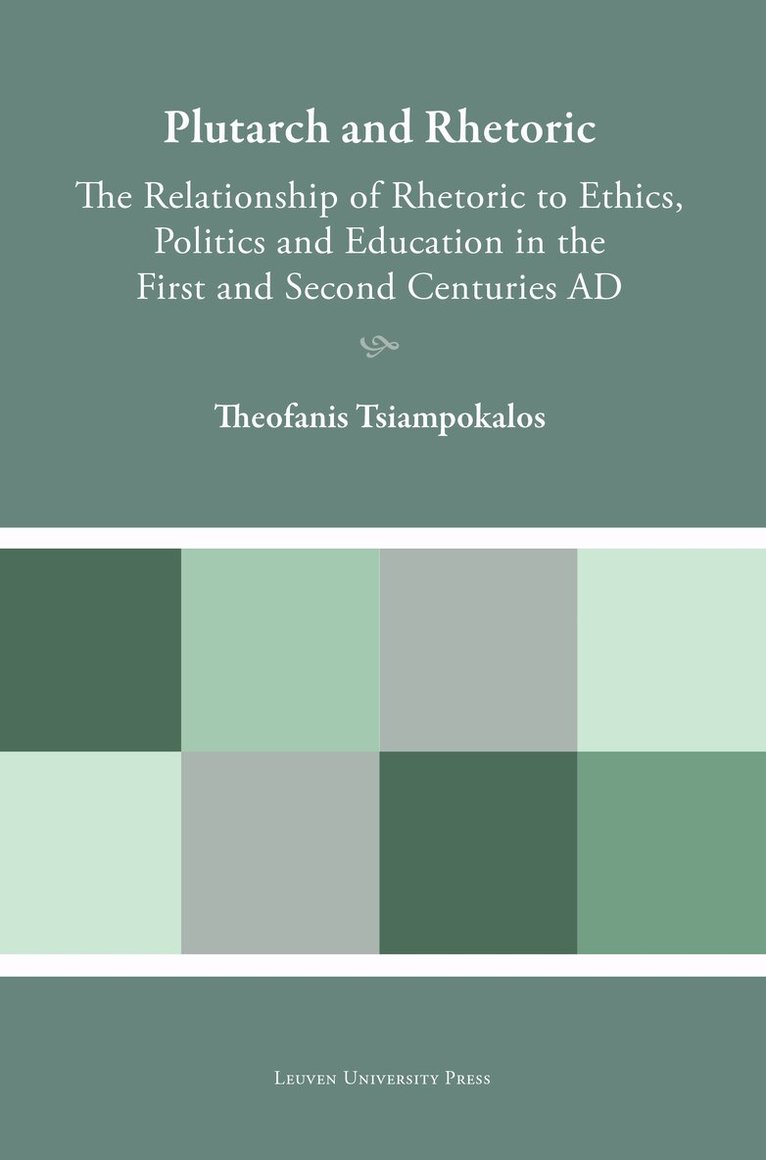
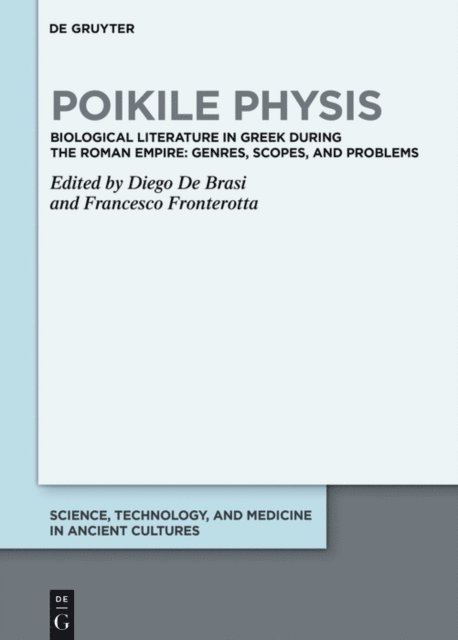

Fabia Neuerburg, Theofanis Tsiampokalos, Piotr Wozniczka
Inbunden, 2024
1 693 kr

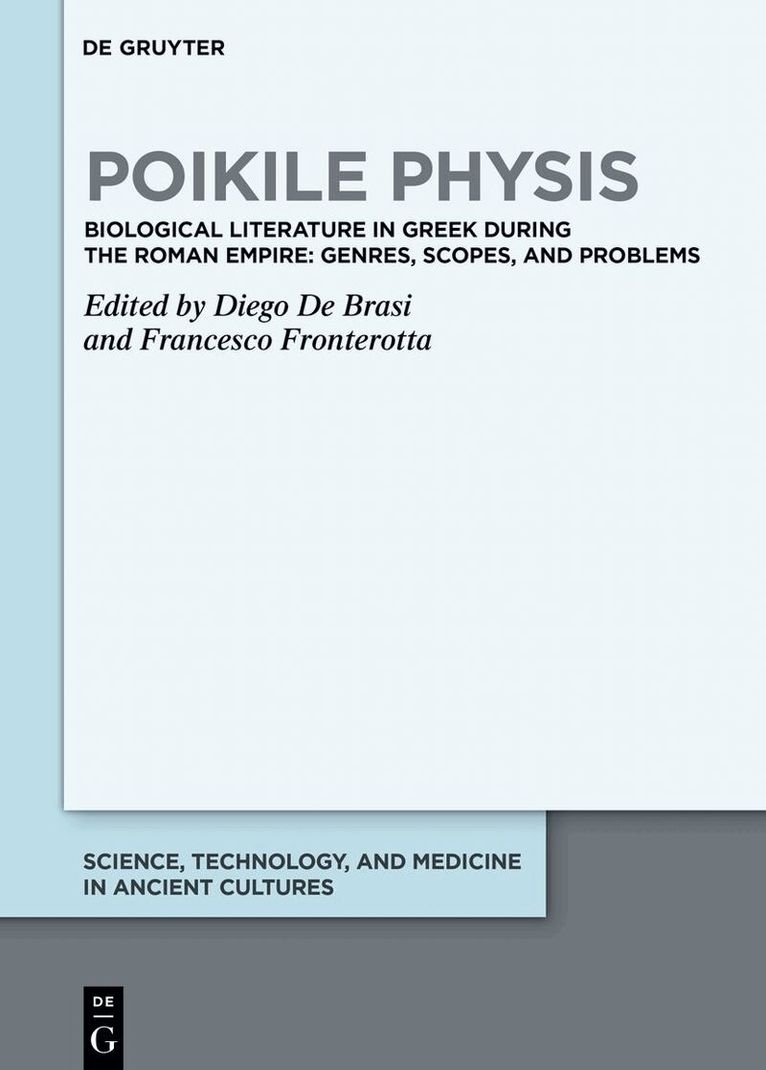


Amphilochios Papathomas
Inbunden, 2006
2 234 kr
AvTheofanis Tsiampokalos,Amphilochios Papathomas
1 557 kr
Läs direkt i Bokus Reader – eller ladda ned till din enhet
Scholars have recognized that fake news is not a phenomenon peculiar to the 21st century. While efforts for a more focused approach to fake news in the ancient world have been carried out in the field of Roman history, the phenomenon of fake news in ancient Greece has received limited attention. The contributions in this volume offer a selective approach to this phenomenon by applying media and cultural studies instruments to ancient texts. They pinpoint parallels and differences between ancient and modern fake news by employing methods of literary and cultural studies, as well as historical-documentary analysis of ancient sources. In particular, they explore questions such as: To what extent does reflection on the concepts of truth, lie, and opinion influence ancient Greek political-rhetorical discourse? What is the political or social function of embedding ‘misleading information’ in ancient Greek historiographical texts or pamphlets? Which intentions are pursued with the help of fake news in literary and documentary texts? Can parallels be drawn with modern approaches to fake news? Thus, the volume investigates the mechanisms that historically lay behind the creation, dissemination, and adaptation of ‘misleading information’.
Diego De Brasi, Amphilochios Papathomas, Theofanis Tsiampokalos
Inbunden, 2024
1 984 kr
Piotr Wozniczka, Theofanis Tsiampokalos, Fabia Neuerburg
1 376 kr
Fabia Neuerburg, Theofanis Tsiampokalos, Piotr Wozniczka
Inbunden, 2024
1 693 kr
Amphilochios Papathomas
Inbunden, 2006
2 234 kr