Inbunden, Engelska, 2022
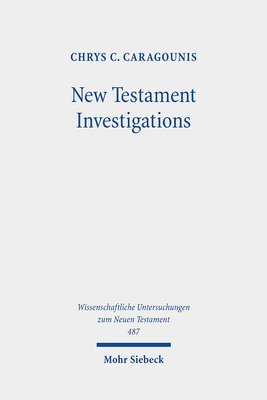
New Testament Investigations
2584 kr
Beställningsvara. Skickas inom 5-8 vardagar. Fri frakt över 249 kr.
Beskrivning
Chrys C. Caragounis erörtert eine Reihe zentraler Fragen des Neuen Testaments. Er behandelt die hellenische Sprache als eine Einheit und verwendet relevante linguistische und philologische Belege aus ihrer gesamten Literaturgeschichte.
Produktinformation
- Utgivningsdatum: 2022-07-30
- Mått: 163 x 241 x 30 mm
- Vikt: 781 g
- Format: Inbunden
- Språk: Engelska
- Serie: Wissenschaftliche Untersuchungen zum Neuen Testament
- Antal sidor: 425
- Förlag: Mohr Siebeck
- ISBN: 9783161615955
Utforska kategorier
Betyg & recensioner
0 recensioner
Inga recensioner tillgängliga.