• Fri frakt över 249 kr
  • •
  • Snabba leveranser
  • •
  • Billiga böcker
Kundservice

Du är på sajten för privatpersoner.

Företag, bibliotek eller offentlig verksamhet?

Du handlar på classic.bokus.com, där alla dina funktioner finns intakta.
Till classic.bokus.com
Bokus logotyp. Gå till startsidan.
  • Erbjudanden
  • Nyheter
  • Student
  • Topplistor
  • Barn & ungdom
  • Bokus Play
  • E-böcker
  • Pocketböcker
  • Spel & pussel

Må bättre, för mindre! Upp till 50% rabatt på hälsoböcker

Sidfot

Mina sidor

    Hjälp

    • Kundservice
    • Vanliga frågor och svar
    • Frakt och leverans
    • Retur vid ångerrätt
    • Reklamera vara
    • Betalning
    • Köpvillkor
    • Allmänna villkor
    • Information om webbplatsens tillgänglighet

    Om Bokus

    • Om oss
    • Pressrum
    • För studenter
    • För företag
    • För bibliotek och offentlig verksamhet
    • För leverantörer
    • Hållbarhet

    Populärt

    • Aktuella erbjudanden
    • Presentkort
    • Studentlitteratur
    • Nya böcker
    • Topplistor
    • Signerade böcker
    • Engelska böcker

    Inspiration

    • Boktips
    • BookTok
    • Populära bokserier
    • Barnbokskaraktärer
    • Populära författare
    Logotyp för Bokus
    Följ oss på Facebook (extern länk)Följ oss på Instagram (extern länk)Följ oss på YouTube (extern länk)Följ oss på TikTok (extern länk)
    bokus @ CookiesAnpassa cookiesIntegritetspolicyKöpvillkor
    Till Citymail hemsida (extern länk)Till Budbee hemsida (extern länk)Till Postnord hemsida (extern länk)Till Schenker hemsida (extern länk)Till Early Bird hemsida (extern länk)Till Walleys hemsida (extern länk)
    1. Filosofi och religion
    2. Religion och tro
    3. Kristendom
    4. Biblar

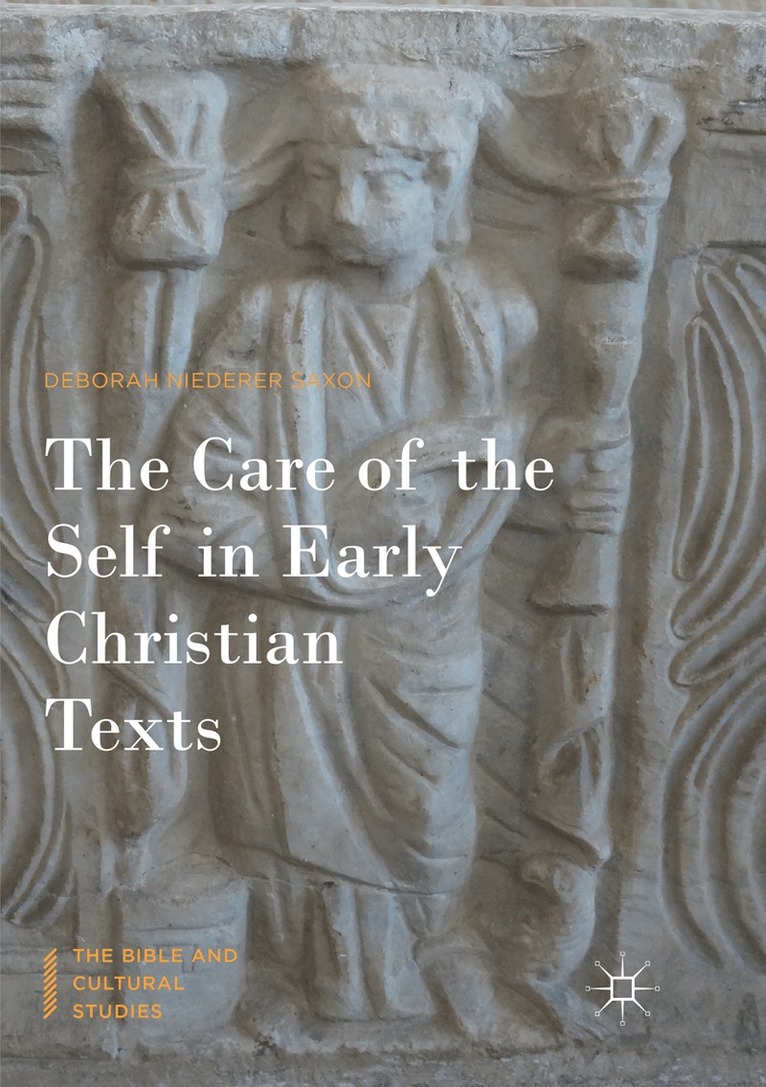
    Care of the Self in Early Christian Texts

    AvDeborah Niederer Saxon

    Häftad, Engelska, 2018

    Del i serien Bible and Cultural Studies

    277 kr

    Beställningsvara. Skickas inom 10-15 vardagar. Fri frakt över 249 kr.

    Fler format och utgåvor

    E-bok

    363 kr

    Beskrivning

    This book presents the first three Christian centuries through the lens of what Foucault called “the care of the self.” This lens reveals a rich variation among early Christ movements by illuminating their practices instead of focusing on what we anachronistically assume to have been their beliefs. A deep analysis of the discourse of martyrdom demonstrates how writers like Clement, Ignatius, and Polycarp represented self-care. Deborah Niederer Saxon brings to light an entire spectrum of alternative views represented in newly-discovered texts from Nag Hammadi and elsewhere. This insightful analysis has implications for feminist scholarship and exposes the false binary of thinking in terms of “orthodoxy” versus “heresy”/”Gnosticism.”

    Produktinformation

    • Utgivningsdatum:2018-08-15
    • Mått:148 x 210 x 13 mm
    • Vikt:306 g
    • Format:Häftad
    • Språk:Engelska
    • Serie:Bible and Cultural Studies
    • Antal sidor:213
    • Förlag:Springer International Publishing AG
    • ISBN:9783319878614

    Utforska kategorier

    • Biblar inom Filosofi och religion
    • Religion: allmänt inom Filosofi och religion
    • Sociologi inom Samhälle och politik

    Mer om författaren

    Deborah Niederer Saxon teaches at Butler University, USA. She researches newly-discovered Christian texts, women’s voices and the inclusive perspectives they reveal, and the intersection of gender and religion.  She serves on the board of Christian Feminism Today, as the Tanho Center Vice Chair, and is a Westar Fellow/Board Member.

    Innehållsförteckning

    • 1. Introduction.- 2. The Importance of the Care of the Self in the History of Early Christ Movements.- 3.  Martyrdom Represented as Care of the Self in the Texts of Clement, Ignatius and Polycarp.- 4. Competing Visions of the Care of the Self in the Apocalypse of Peter, the Testimony of Truth, Fragments of Basilides and Valentinus, and the Gospel of Judas.- 5. Complementary Representations of the Care of the Self in the Gospel of Mary and the Martyrdom of Perpetua and Felicity.- 6. The Two Poles of Parrhēsia and Concluding Remarks.