• Fri frakt över 249 kr
  • •
  • Snabba leveranser
  • •
  • Billiga böcker
Kundservice

Du är på sajten för privatpersoner.

Företag, bibliotek eller offentlig verksamhet?

Du handlar på classic.bokus.com, där alla dina funktioner finns intakta.
Till classic.bokus.com
Bokus logotyp. Gå till startsidan.
  • Erbjudanden
  • Nyheter
  • Student
  • Topplistor
  • Barn & ungdom
  • Bokus Play
  • E-böcker
  • Pocketböcker
  • Spel & pussel

10% rabatt på allt med kod: NYSTART10 →

Sidfot

Mina sidor

    Hjälp

    • Kundservice
    • Vanliga frågor och svar
    • Frakt och leverans
    • Retur vid ångerrätt
    • Reklamera vara
    • Betalning
    • Köpvillkor
    • Allmänna villkor
    • Information om webbplatsens tillgänglighet

    Om Bokus

    • Om oss
    • Pressrum
    • För studenter
    • För företag
    • För bibliotek och offentlig verksamhet
    • För leverantörer
    • Hållbarhet

    Populärt

    • Aktuella erbjudanden
    • Presentkort
    • Studentlitteratur
    • Nya böcker
    • Topplistor
    • Signerade böcker
    • Engelska böcker

    Inspiration

    • Boktips
    • BookTok
    • Populära bokserier
    • Barnbokskaraktärer
    • Populära författare
    Logotyp för Bokus
    Följ oss på Facebook (extern länk)Följ oss på Instagram (extern länk)Följ oss på YouTube (extern länk)Följ oss på TikTok (extern länk)
    bokus @ CookiesAnpassa cookiesIntegritetspolicyKöpvillkor
    Till Citymail hemsida (extern länk)Till Budbee hemsida (extern länk)Till Postnord hemsida (extern länk)Till Schenker hemsida (extern länk)Till Early Bird hemsida (extern länk)Till Walleys hemsida (extern länk)
    1. Samhälle och politik
    2. Samhälle och kultur

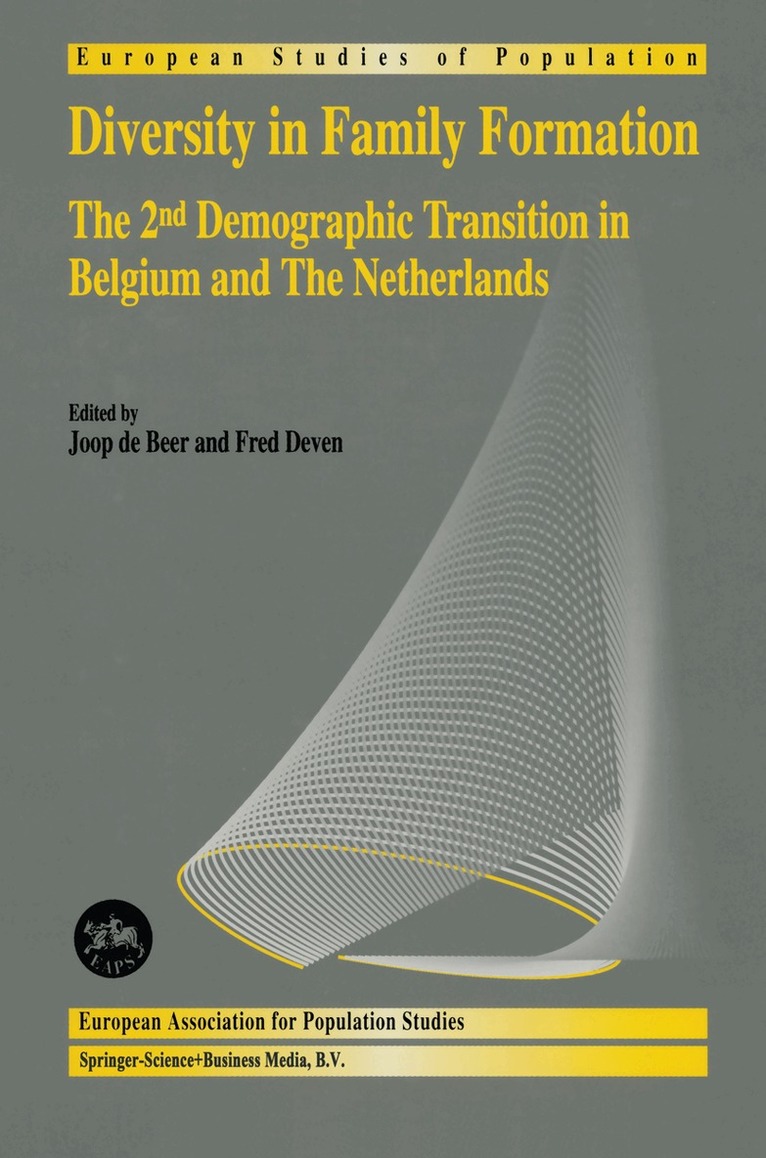
    Diversity in Family Formation

    The 2nd Demographic Transition in Belgium and The Netherlands

    AvJoop de Beer,F. Deven

    Häftad, Engelska, 2010

    Del i serien European Studies of Population

    1 086 kr

    Beställningsvara. Skickas inom 10-15 vardagar. Fri frakt över 249 kr.

    Beskrivning

    The aim of Diversity in Family Formation is to examine changes in the start of the family formation process. Rather than giving a rough overview of demographic changes in many countries, a comparison of differences in changes in family formation and fertility behaviour between Belgium and The Netherlands is interesting for various reasons. First, even though the economic and cultural differences between these countries are relatively small there is one important difference: Belgium is predominantly Catholic, whereas The Netherlands has about equal proportions of Catholics and Protestants. Second, if the Second Demographic Transition implies that there is one common pattern of change in different European countries and that differences across countries are due to the fact that countries are in a different stage of the transition process, and if it is assumed that the transition process started earlier in Protestant countries than in Catholic countries, one would expect The Netherlands to be in a further stage of the transition process than Belgium.Thus an in-depth comparison of changes in family formation and fertility behaviour between both countries may give us more insight in the question of whether there is one common transition process. The comparison of fertility and family survey-data in both countries brings us to the core question of whether there is one common explanation for differences between countries in various types of fertility and family behaviour under consideration, namely fertility regulation, the choice of living arrangement after leaving the parental home, and the labour force participation of mothers.

    Produktinformation

    • Utgivningsdatum:2010-12-15
    • Mått:160 x 240 x 9 mm
    • Vikt:248 g
    • Format:Häftad
    • Språk:Engelska
    • Serie:European Studies of Population
    • Antal sidor:141
    • Förlag:Springer
    • ISBN:9789048155217

    Utforska kategorier

    • Samhälle och kultur inom Samhälle och politik
    • Sociologi inom Samhälle och politik

    Innehållsförteckning

    • 1. General introduction.- 2. Fertility regulation.- 3. The choice of living arrangement after leaving the parental home.- 4. Fertility.- 5. Labour force participation of mothers.- 6. Summary and discussion.- 7. Technical appendix.