• Fri frakt över 249 kr
  • •
  • Snabba leveranser
  • •
  • Billiga böcker
Kundservice

Du är på sajten för privatpersoner.

Företag, bibliotek eller offentlig verksamhet?

Du handlar på classic.bokus.com, där alla dina funktioner finns intakta.
Till classic.bokus.com
Bokus logotyp. Gå till startsidan.
  • Erbjudanden
  • Nyheter
  • Student
  • Topplistor
  • Barn & ungdom
  • Bokus Play
  • E-böcker
  • Pocketböcker
  • Spel & pussel

10% rabatt på allt med kod NYSTART10 →

Sidfot

Mina sidor

    Hjälp

    • Kundservice
    • Vanliga frågor och svar
    • Frakt och leverans
    • Retur vid ångerrätt
    • Reklamera vara
    • Betalning
    • Köpvillkor
    • Allmänna villkor
    • Information om webbplatsens tillgänglighet

    Om Bokus

    • Om oss
    • Pressrum
    • För studenter
    • För företag
    • För bibliotek och offentlig verksamhet
    • För leverantörer
    • Hållbarhet

    Populärt

    • Aktuella erbjudanden
    • Presentkort
    • Studentlitteratur
    • Nya böcker
    • Topplistor
    • Signerade böcker
    • Engelska böcker

    Inspiration

    • Boktips
    • BookTok
    • Populära bokserier
    • Barnbokskaraktärer
    • Populära författare
    Logotyp för Bokus
    Följ oss på Facebook (extern länk)Följ oss på Instagram (extern länk)Följ oss på YouTube (extern länk)Följ oss på TikTok (extern länk)
    bokus @ CookiesAnpassa cookiesIntegritetspolicyKöpvillkor
    Till Citymail hemsida (extern länk)Till Budbee hemsida (extern länk)Till Postnord hemsida (extern länk)Till Schenker hemsida (extern länk)Till Early Bird hemsida (extern länk)Till Walleys hemsida (extern länk)
    1. Samhälle och politik
    2. Politik och statsskick
    3. Statsvetenskap och politisk teori

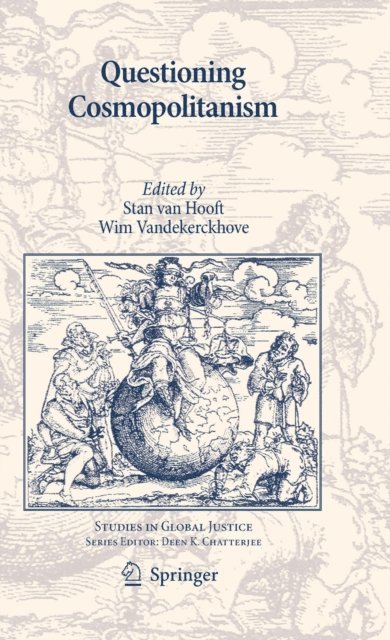
    Questioning Cosmopolitanism

    AvWim Vandekerckhove,Stan van Hooft

    E-bok
    PDF, Engelska, 2010

    1 413 kr

    Läs direkt i Bokus Reader – eller ladda ned till din enhet (PDF kräver ofta zoom och scroll på små skärmar).

    Beskrivning

    Wim Vandekerckhove and Stan van Hooft The philosopher, Diogenes the Cynic, in the fourth century BCE, was asked where he came from and where he felt he belonged. He answered that he was a “citi- 1 zen of the world” (kosmopolitês) . This made him the rst person known to have described himself as a cosmopolitan. A century later, the Stoics had developed that concept further, stating that the whole cosmos was but one polis, of which the order was logos or right reason. Living according to that right reason implied showing goodness to all of human kind. Through early Christianity, cosmopolitanism was given various interpretations, sometimes quite contrary to the inclusive notion of the Stoics. Augustine’s interpretation, for example, suggested that only those who love God can live in the universal and borderless “City of God”. Later, the red- covery of Stoic writings during the European Renaissance inspired thinkers like Erasmus, Grotius and Pufendorf to draw on cosmopolitanism to advocate world peace through religious tolerance and a society of states. That same inspiration can be noted in the American and French revolutions. In the eighteenth century, enlig- enment philosophers such as Bentham (through utilitarianism) and Kant (through universal reason) developed new and very different versions of cosmopolitanism that serve today as key sources of cosmopolitan philosophy. The nineteenth century saw the development of new forms of transnational ideals, including that of Marx’s critique of capitalism on behalf of an international working class.

    Produktinformation

    • Utgivningsdatum:2010-06-16
    • Språk:Engelska
    • Filformat:PDF
    • Kopieringsskydd:LCP
    • ISBN:9789048187041
    • Förlag:Springer Netherlands

    Utforska kategorier

    • Statsvetenskap och politisk teori inom Samhälle och politik
    • Filosofiska discipliner inom Filosofi och religion