• Fri frakt över 249 kr
  • •
  • Snabba leveranser
  • •
  • Billiga böcker
Kundservice

Du är på sajten för privatpersoner.

Företag, bibliotek eller offentlig verksamhet?

Du handlar på classic.bokus.com, där alla dina funktioner finns intakta.
Till classic.bokus.com
Bokus logotyp. Gå till startsidan.
  • Erbjudanden
  • Nyheter
  • Student
  • Topplistor
  • Barn & ungdom
  • Bokus Play
  • E-böcker
  • Pocketböcker
  • Spel & pussel

10% studentrabatt med kod TERM26

Sidfot

Mina sidor

    Hjälp

    • Kundservice
    • Vanliga frågor och svar
    • Frakt och leverans
    • Retur vid ångerrätt
    • Reklamera vara
    • Betalning
    • Köpvillkor
    • Allmänna villkor
    • Information om webbplatsens tillgänglighet

    Om Bokus

    • Om oss
    • Pressrum
    • För studenter
    • För företag
    • För bibliotek och offentlig verksamhet
    • För leverantörer
    • Hållbarhet

    Populärt

    • Aktuella erbjudanden
    • Presentkort
    • Studentlitteratur
    • Nya böcker
    • Topplistor
    • Signerade böcker
    • Engelska böcker

    Inspiration

    • Boktips
    • BookTok
    • Populära bokserier
    • Barnbokskaraktärer
    • Populära författare
    Logotyp för Bokus
    Följ oss på Facebook (extern länk)Följ oss på Instagram (extern länk)Följ oss på YouTube (extern länk)Följ oss på TikTok (extern länk)
    bokus @ CookiesAnpassa cookiesIntegritetspolicyKöpvillkor
    Till Citymail hemsida (extern länk)Till Budbee hemsida (extern länk)Till Postnord hemsida (extern länk)Till Schenker hemsida (extern länk)Till Early Bird hemsida (extern länk)Till Walleys hemsida (extern länk)
    1. Historia och arkeologi
    2. Historia
    3. Europas historia

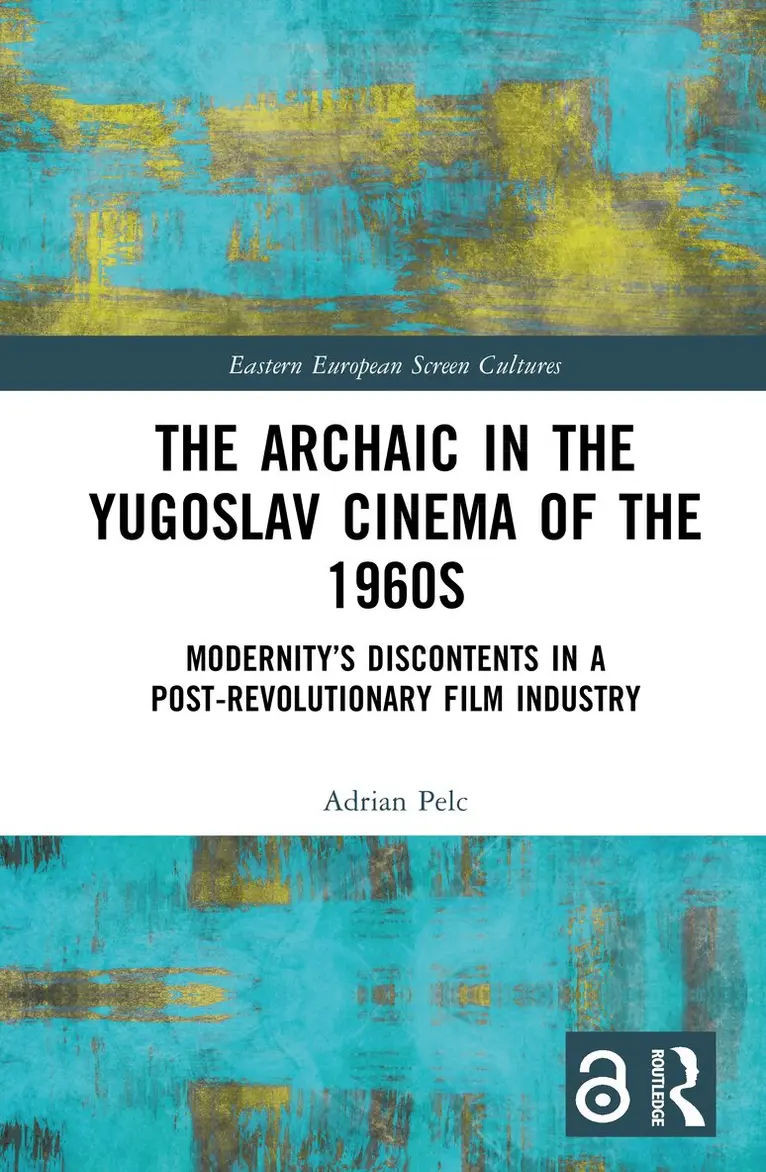
    Archaic in the Yugoslav Cinema of the 1960s

    Modernity’s Discontents in a Post-Revolutionary Film Industry

    AvAdrian Pelc

    Inbunden, Engelska, 2026

    Del i serien Eastern European Screen Cultures

    2 506 kr

    Beställningsvara. Skickas inom 10-15 vardagar. Fri frakt över 249 kr.

    Beskrivning

    This book investigates the “Golden Age” of Yugoslav cinema and sheds light on it from a fresh perspective. By examining various tropes and discourses of the “archaic” that shaped not only the flourishing Yugoslav cinematic modernism of the 1960s but also a broader Yugoslav cultural politics, the book reveals a nuanced panorama of cultural negotiations.The “archaic” – that which is at odds with modernity – is a peculiar crossroads where Marxism intersects with Balkanism, while both are circumscribed by a general distrust towards representation. The analysis thus opens new perspectives on a politics of aesthetics that shaped some of the most successful Yugoslav films of all time. Furthermore, its findings will be relevant to any context in which a political as well as artistic movement seeks to present itself as avant-garde but is confronted with a discourse assigning it time-lag.Addressing an academic audience of scholars and postgraduate students interested in Balkan and East European area studies, Slavic studies, cultural studies, film, and postcolonial studies, this book is also of interest to those researching the intersections of time, aesthetics, and politics.

    Produktinformation

    • Utgivningsdatum:2026-06-01
    • Mått:156 x 234 x 13 mm
    • Vikt:530 g
    • Format:Inbunden
    • Språk:Engelska
    • Serie:Eastern European Screen Cultures
    • Antal sidor:194
    • Förlag:Taylor & Francis Ltd
    • ISBN:9789048568895

    Utforska kategorier

    • Europas historia inom Historia och arkeologi
    • Film inom Kultur
    • Marxism och kommunism inom Samhälle och politik

    Mer om författaren

    Adrian Pelc is a postdoc assistant in the Department of Slavic Studies, University of Vienna, Austria. His interests include Yugoslav cinema, cultural studies, and critical theory.

    Innehållsförteckning

    • Introduction: Entering the Golden Age1. Coming to Terms: The Archaic2. The Yugoslav Celluloid Archaic: A PanoramaII. Setting the Figures in Motion: The Game of the Archaic on the Yugoslav 1960s Screen3. Balkanism: The Time-Lag of Realia4. In the Future, in the Past, Under the False Appearance of a Present: Miroslav Krleža’s Timings of Yugoslav Culture5. Bloody Weddings and Funeral Bells: Representations of History in Trajče Popov’s Macedonian Bloody Wedding and Antun Vrdoljak’s When You Hear the Bells6. Parody and Naiveté: Ante Babaja’s The Birch Tree and Dragoslav Lazić’s Poor Mary7. Two or Three Things I Know About Burduš: Mića Popović’s Burduš and Aleksandar Petrović’s It Rains in My VillageClosing Remarks on Backwardness and VitalityIII. Revenge on Representation: The “Move 3” in the Game of the Archaic on the Yugoslav 1960s Screen8. Images, Revolutions (and Their Crusts)9. Beauty and the Well: Dušan Makavejev’s Love Affair, or The Case of the Missing Switchboard Operator10. Yet Another Effort Yugoslavs, If You Would Become Communists: Želimir Žilnik’s Early WorksConcluding Remarks on the Game of the ArchaicBibliography