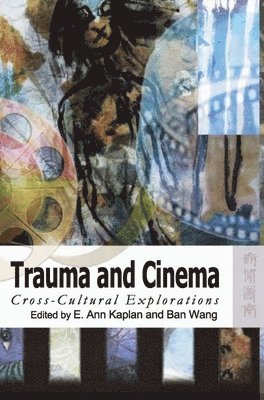
Häftad, Engelska, 2004
Trauma and Cinema – Cross–Cultural Explorations
Av E. Ann Kaplan, Ban Wang, Department of English Kaplan, E Ann, Ban Wang
663 kr
Beställningsvara. Skickas inom 5-8 vardagar. Fri frakt över 249 kr.
Beskrivning
Produktinformation
- Utgivningsdatum: 2004-02-01
- Mått: 171 x 243 x 17 mm
- Vikt: 504 g
- Format: Häftad
- Språk: Engelska
- Antal sidor: 300
- Förlag: Hong Kong University Press
- ISBN: 9789622099791
Utforska kategorier
Mer om författaren
E. Ann Kaplan is professor of English and Comparative Literature and Director of the Humanities Institute at the Stony Brook University. She is the author of many books and articles, including several on feminism and film. Ban Wang is a professor of Asian Studies at Rutgers University and the author of The Sublime Figure of History: Aesthetics and Politics in Twentieth-Century China (Stanford University Press, 1997).
Recensioner i media
This path-finding volume makes good on the promise implicit in its title: it describes a range of new cinematic and visual forms that have emerged in the context of historical trauma in a variety of national settings, and it strives to define the specific styles that can best come to grips with events that are sometimes considered unrepresentable. The careful analysis of individual texts and the informed and reflective commentary on theories of trauma and modes of representation will have a major impact on emerging scholarship. -- Robert J. Burgoyne, author of Film Nation: Hollywood Looks at U.S. History
Betyg & recensioner
0 recensioner
Inga recensioner tillgängliga.