Inbunden, Engelska, 2019
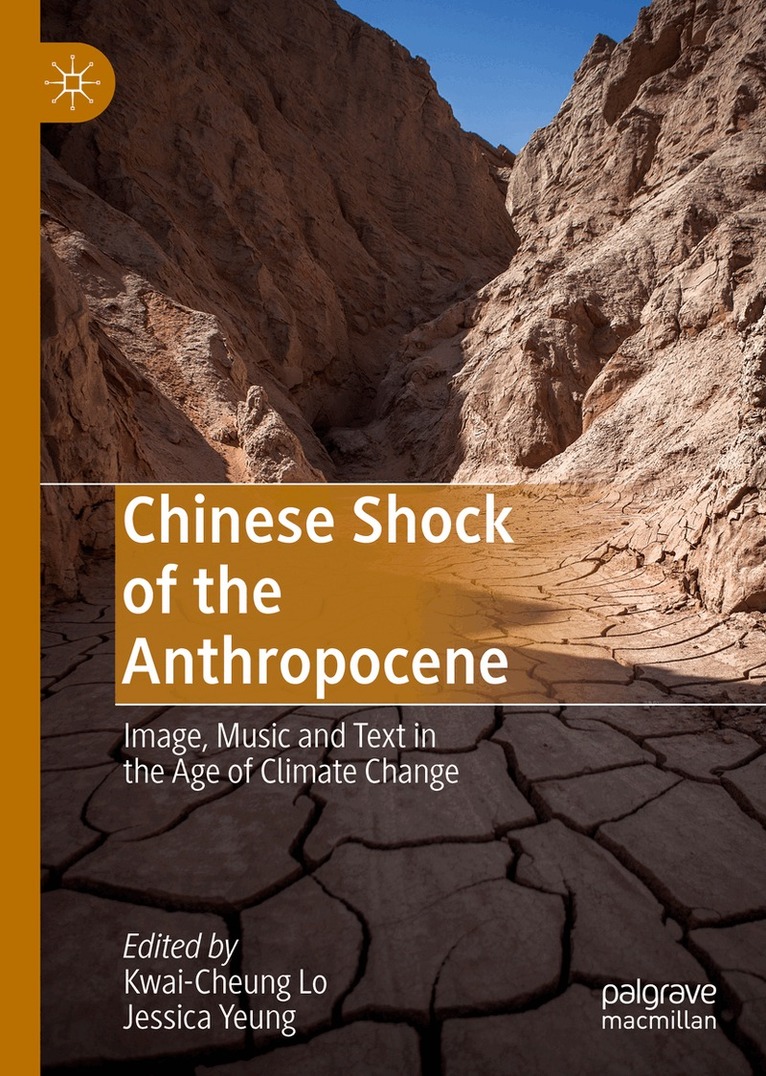
Chinese Shock of the Anthropocene
Av Kwai-Cheung Lo, Jessica Yeung
1795 kr
Beställningsvara. Skickas inom 10-15 vardagar. Fri frakt över 249 kr.
Beskrivning
This book examines China’s role and its cultural productions in the process of environmental destruction and transformation, focusing on how various cultural media play a significant role in shaping and reproducing Chinese subject formation in relation to changing ecological conditions. It argues that China under the leadership of Xi Jinping vowed in 2017 to play a leading role in preserving the planet for the future, but many of its actions such as its “Belt and Road” initiative have aroused apprehension rather than inspired confidence. Against this backdrop of environmental concern, this volume brings together a cutting-edge critical analysis of Chinese literature, music and cinema, offering a transdisciplinary and comprehensive vision of Chinese arts and literature under the current conditions of the Anthropocene. This volume sets a high scholarly standard in the field, and constitutes a valuable reference for scholars and students of Chinese cultural studies, Chinese studies and Anthropocene studies.
Produktinformation
- Utgivningsdatum: 2019-05-16
- Mått: 148 x 210 x 22 mm
- Vikt: 498 g
- Format: Inbunden
- Språk: Engelska
- Antal sidor: 281
- Förlag: Springer Verlag, Singapore
- ISBN: 9789811366840
Utforska kategorier
Betyg & recensioner
0 recensioner
Inga recensioner tillgängliga.