Inbunden, Engelska, 2024
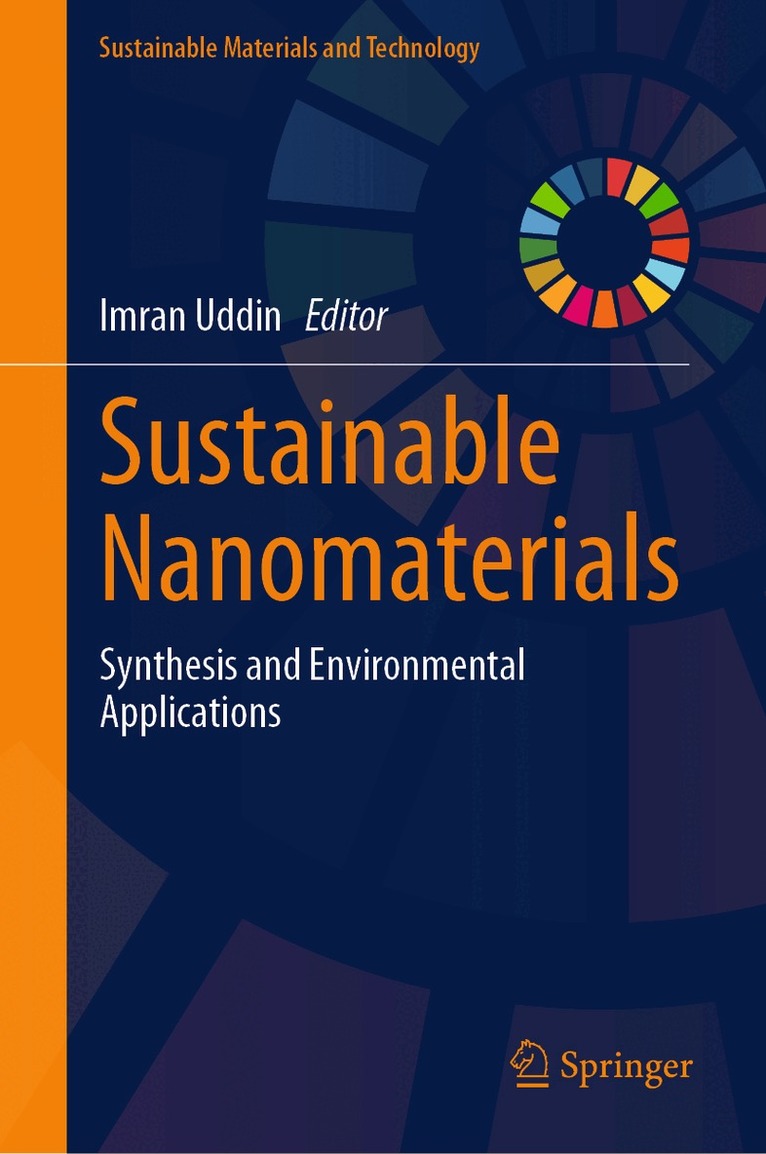
Sustainable Nanomaterials
Av Imran Uddin
3051 kr
Beställningsvara. Skickas inom 10-15 vardagar. Fri frakt över 249 kr.
Beskrivning
This book brings together various topics of nanomaterials in various industrial applications to promote sustainable development practices. The first part of the book describes green nanotechnology for clean energy and environmental sustainability, which includes heavy metal detoxification from water, wastewater remediation, dye degradation, and bioremediation. The second part of the book covers sustainable biomedical applications of nanomaterials such as antibacterial activity and drug delivery systems, which includes the toxicological as well as the antibacterial impacts that nanoparticles have on microorganisms. The subsequent chapters discuss the roles of nanomaterials for sustainability in agriculture, crop protection, plant disease management, food technology (increasing the efficiency of the food industry), and the textile industry. The book caters to researchers and scientists who are interested in the utilization of nanomaterials to enhance sustainable industrial practices.
Produktinformation
- Utgivningsdatum: 2024-06-21
- Mått: 155 x 235 x 26 mm
- Vikt: 817 g
- Format: Inbunden
- Språk: Engelska
- Serie: Sustainable Materials and Technology
- Antal sidor: 370
- Upplaga: 2024
- Förlag: Springer Verlag, Singapore
- ISBN: 9789819727605
Utforska kategorier
Betyg & recensioner
0 recensioner
Inga recensioner tillgängliga.