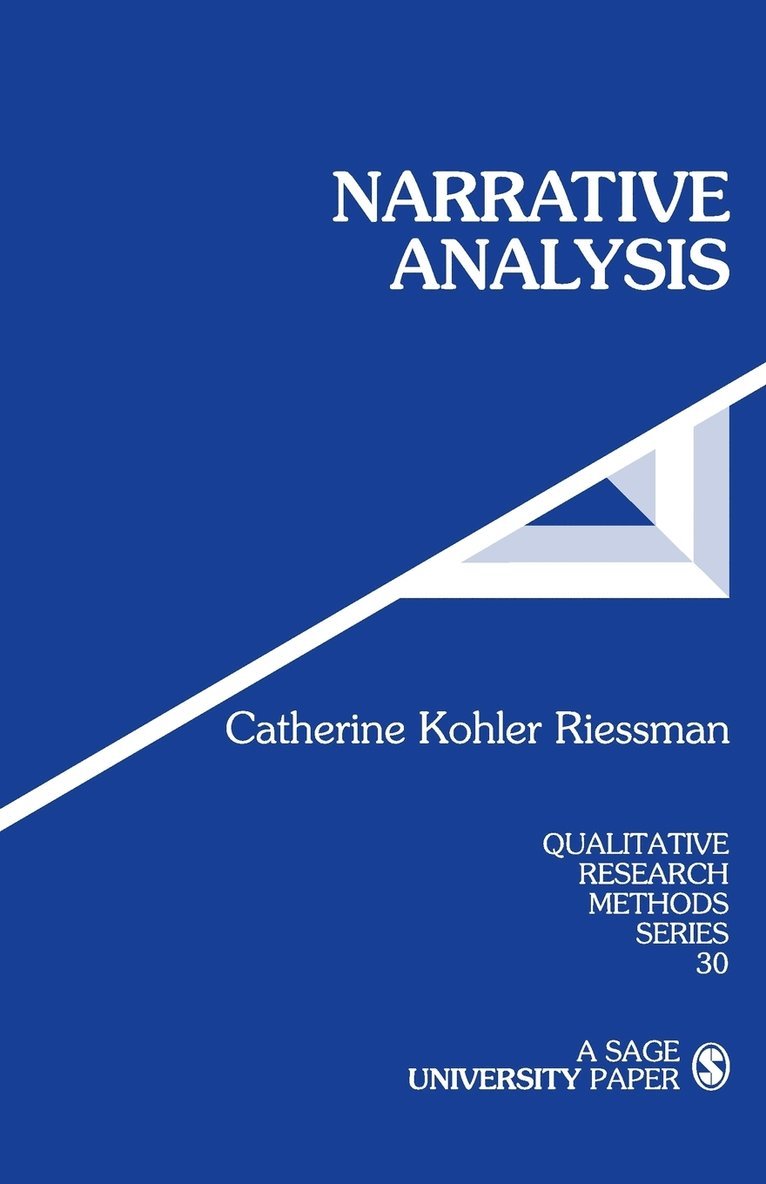
Thinking Thematically in Qualitative Data Analysis by David Morgan shows why themes matter and how to analyze and write up data thematically—combining clarity with practical guidance for researchers and students.
David L. Morgan received his PhD in sociology from the University of Michigan, and is currently an emeritus professor in the Department of Sociology at Portland State University. He is an inter-disciplinary research methodologist, working in both qualitative research and mixed methods research. In addition to artificial intelligence, his research interests include focus groups and mixed methods research. He is the author of more than fifty peer-reviewed articles and author or editor of nine books on research methods; he is currently the series editor for the Qualitative Research Methods Series from Sage (the “little blue books”).
Recensioner i media
Morgan has crafted a wonderfully useful guide on using thematic approaches to qualitative research. This book pulls together many approaches to utilizing theme-based analysis and explains how and when to use them. Excellent, real-world examples illuminate how to use the approaches, and the author bridges these different approaches to the construction of theory from research. An important book for years to come.
Innehållsförteckning
Series Editor IntroductionPrefaceAcknowledgementsAbout the AuthorsChapter 1: What is a ThemeDeveloping a Definition of ThemesThings That Are Not ThemesThe Practical Value of Thinking ThematicallyConclusionsChapter 2: Conceptualizing Theme-Based AnalysisContent Analysis and Theme-Based AnalysisConclusionsChapter 3: Thematic AnalysisWhat has Changed Since 2006?Six Phases in Reflective Thematic AnalysisConclusionsChapter 4: Iterative Thematic InquiryFour Phases in Iterative Thematic Inquiry (ABLE)ConclusionsChapter 5: Writing Up Theme-Based AnalysesStart by Writing the Results Section FirstThe Basic Format for the Results SectionUsing Quotations in the Results SectionThe Discussion SectionConclusionsChapter 6: Themes, Theories, and ModelsModel BuildingConclusionsChapter 7: ConclusionsBibliography
Thinking Thematically in Qualitative Data Analysis by David Morgan shows why themes matter and how to analyze and write up data thematically—combining clarity with practical guidance for researchers and students.
David L. Morgan received his PhD in sociology from the University of Michigan, and is currently an emeritus professor in the Department of Sociology at Portland State University. He is an inter-disciplinary research methodologist, working in both qualitative research and mixed methods research. In addition to artificial intelligence, his research interests include focus groups and mixed methods research. He is the author of more than fifty peer-reviewed articles and author or editor of nine books on research methods; he is currently the series editor for the Qualitative Research Methods Series from Sage (the “little blue books”).
Recensioner i media
Morgan has crafted a wonderfully useful guide on using thematic approaches to qualitative research. This book pulls together many approaches to utilizing theme-based analysis and explains how and when to use them. Excellent, real-world examples illuminate how to use the approaches, and the author bridges these different approaches to the construction of theory from research. An important book for years to come.
Innehållsförteckning
Series Editor IntroductionPrefaceAcknowledgementsAbout the AuthorsChapter 1: What is a ThemeDeveloping a Definition of ThemesThings That Are Not ThemesThe Practical Value of Thinking ThematicallyConclusionsChapter 2: Conceptualizing Theme-Based AnalysisContent Analysis and Theme-Based AnalysisConclusionsChapter 3: Thematic AnalysisWhat has Changed Since 2006?Six Phases in Reflective Thematic AnalysisConclusionsChapter 4: Iterative Thematic InquiryFour Phases in Iterative Thematic Inquiry (ABLE)ConclusionsChapter 5: Writing Up Theme-Based AnalysesStart by Writing the Results Section FirstThe Basic Format for the Results SectionUsing Quotations in the Results SectionThe Discussion SectionConclusionsChapter 6: Themes, Theories, and ModelsModel BuildingConclusionsChapter 7: ConclusionsBibliography