Ahmet Erdi Öztürk – författare
Visar alla böcker från författaren Ahmet Erdi Öztürk. Handla med fri frakt och snabb leverans.
21 produkter
21 produkter
Inbunden, Engelska, 2019
2 179 kr
Skickas inom 10-15 vardagar
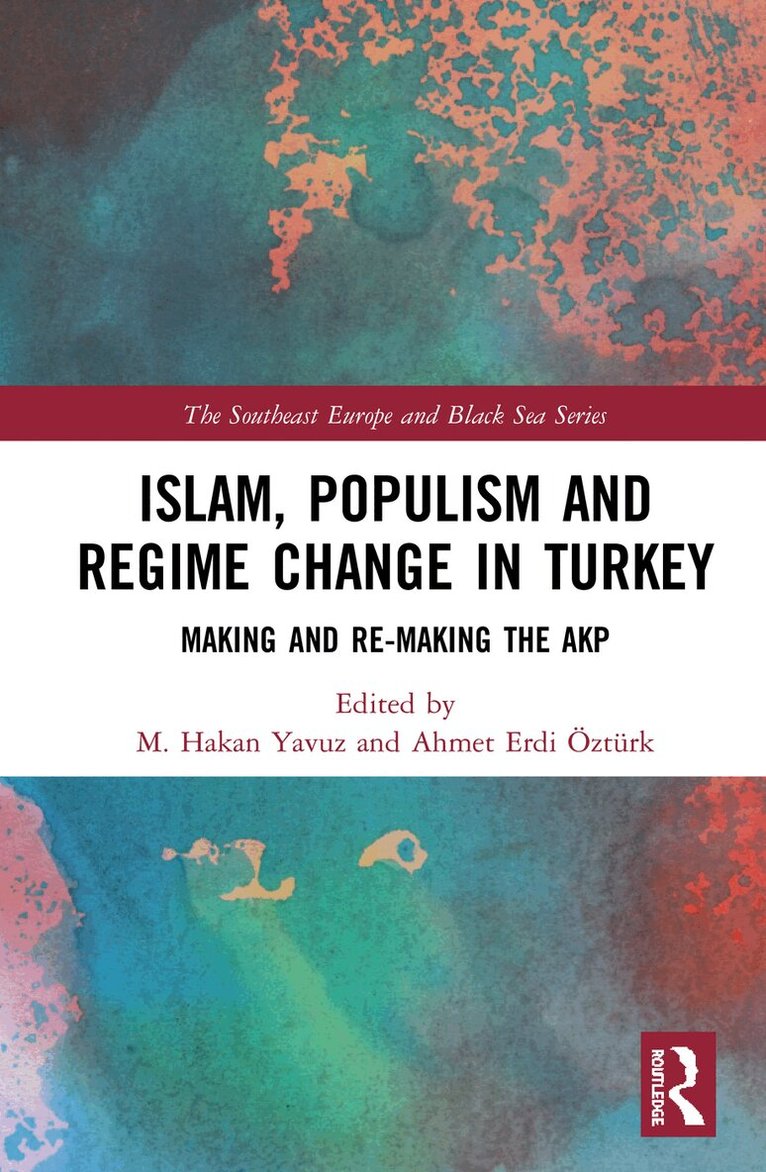
Islam, Populism and Regime Change in Turkey explores the role of religion (Sunni, Hanefi Islam) in the transformation of Turkey under the reign of President Recep Tayyip Erdoğan and his Justice and Development Party (Adalet ve Kalkınma Partisi, AKP). The chapters argue that the Turkish understanding of secularism was also one of the building blocks and the constitutive elements of Turkey’s modernization until the rise of the AKP. Currently, however, it seems that religion has become a new or re-born element of the new Turkey and has been transforming many areas such as: the media, the Kurdish issue, implementation of the rule of law, foreign policy and gender issues. This book therefore aims to scrutinize the question: how does a religion-based transformation in Turkey influence the raison d’etat of the state, and effect in various ways different areas such as gender, foreign policy, economy and socio-political relations of various power groups within the society?Islam, Populism and Regime Change in Turkey will be of great interest to scholars of Religion and Politics, and governance in Turkey. It was originally published as a special issue of Southeast European and Black Sea Studies.
Inbunden, Engelska, 2021
2 179 kr
Skickas inom 10-15 vardagar
This book explores the role of religion in the transformation of Turkey under the reign of President Recep Tayyip Erdoğan and his Justice and Development Party (Adalet ve Kalkınma Partisi, AKP). It attempts to come to terms with the current political crisis in Turkey and the government’s move toward authoritarianism. The chapters included in this book examine various ideological, political and social factors that have driven the transformation of the AKP. The book seeks to answer questions about how and in what direction have the AKP’s objectives and strategies changed in the last two decades the party has been in power, and the divergence between professed ideals and practices. The book also focuses on the major repercussions that the 15 July 2016 coup d'état attempt has had on key Turkish state institutions and policies, and how it has also affected Turkish foreign policy toward regional and international powers. The book addresses the many gaps and omissions in earlier studies of the AKP, and posits that there have been a more complex set of circumstances impacting Turkish politics since 2002 and that it makes little sense to continue to view Turkish politics as just a clash between Islam and secularism. Erdoğan’s Turkey is a significant new contribution to the study of Turkish politics and politics in general, and will be a great resource for academics, researchers and advanced students of Political Science, International Relations, History, Geography and Sociology. The chapters in this book were originally published as a special issue of the journal Middle East Critique.
Häftad, Engelska, 2023
637 kr
Skickas inom 10-15 vardagar
This book explores the role of religion in the transformation of Turkey under the reign of President Recep Tayyip Erdoğan and his Justice and Development Party (Adalet ve Kalkınma Partisi, AKP). It attempts to come to terms with the current political crisis in Turkey and the government’s move toward authoritarianism. The chapters included in this book examine various ideological, political and social factors that have driven the transformation of the AKP. The book seeks to answer questions about how and in what direction have the AKP’s objectives and strategies changed in the last two decades the party has been in power, and the divergence between professed ideals and practices. The book also focuses on the major repercussions that the 15 July 2016 coup d'état attempt has had on key Turkish state institutions and policies, and how it has also affected Turkish foreign policy toward regional and international powers. The book addresses the many gaps and omissions in earlier studies of the AKP, and posits that there have been a more complex set of circumstances impacting Turkish politics since 2002 and that it makes little sense to continue to view Turkish politics as just a clash between Islam and secularism. Erdoğan’s Turkey is a significant new contribution to the study of Turkish politics and politics in general, and will be a great resource for academics, researchers and advanced students of Political Science, International Relations, History, Geography and Sociology. The chapters in this book were originally published as a special issue of the journal Middle East Critique.
Häftad, Engelska, 2021
462 kr
Skickas inom 10-15 vardagar
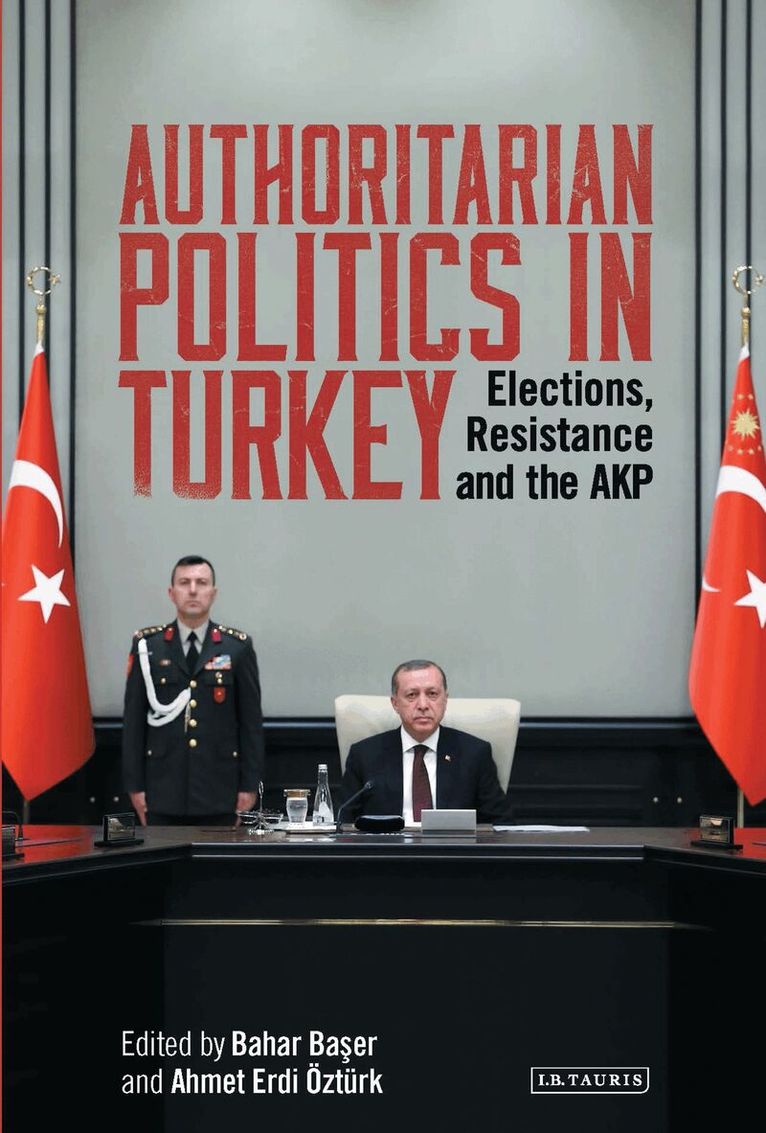
President Erdogan's victory in the April 2017 referendum granted him sweeping new powers across Turkey. The constitutional reforms transform the country from a parliamentary democracy into a "Turkish style" presidential republic. Despite being democratically elected, Turkey's ruling AKP party has moved towards increasingly authoritarian measures. During the coup attempt in July 2016, the AKP government declared a state of emergency which Erdogan saw as an opportunity to purge the public sector of pro-Gulenist individuals and criminalise opposition groups including Kurds, Alevites, leftists and liberals. The country experienced political turmoil and rapid transformation as a result. This book identifies the process of democratic reversal in Turkey. In particular, contributors explore the various ways that a democratically elected political party has used elections to implement authoritarian measures. They scrutinise the very concepts of democracy, elections and autocracy to expose their flaws which can be manipulated to advantage.The book includes chapters discussing the roots of authoritarianism in Turkey; the political economy of elections; the relationship between the political Islamic groups and the government; Turkish foreign policy; non-Muslim communities' attitudes towards the AKP; and Kurdish citizens' voting patterns. As well as following Turkey's political trajectory, this book contextualises Turkey in the wider literature on electoral and competitive authoritarianisms and explores the country's future options.
Häftad, Engelska, 2021
638 kr
Skickas inom 10-15 vardagar
Islam, Populism and Regime Change in Turkey explores the role of religion (Sunni, Hanefi Islam) in the transformation of Turkey under the reign of President Recep Tayyip Erdoğan and his Justice and Development Party (Adalet ve Kalkınma Partisi, AKP). The chapters argue that the Turkish understanding of secularism was also one of the building blocks and the constitutive elements of Turkey’s modernization until the rise of the AKP. Currently, however, it seems that religion has become a new or re-born element of the new Turkey and has been transforming many areas such as: the media, the Kurdish issue, implementation of the rule of law, foreign policy and gender issues. This book therefore aims to scrutinize the question: how does a religion-based transformation in Turkey influence the raison d’etat of the state, and effect in various ways different areas such as gender, foreign policy, economy and socio-political relations of various power groups within the society?Islam, Populism and Regime Change in Turkey will be of great interest to scholars of Religion and Politics, and governance in Turkey. It was originally published as a special issue of Southeast European and Black Sea Studies.
Inbunden, Engelska, 2022
1 971 kr
Skickas inom 10-15 vardagar
This book delves into Turkey’s increasing ethno-religious, pragmatic, and complicated involvement and activism in the Balkans since 2002, under the Justice and Development Party (Adalet ve Kalkınma Partisi – AKP). It primarily focusses on the intersectionality between domestic and foreign policy that has played an important role in Turkey’s recent relations with the Balkan countries as well as exploring how the Europeanisation process influences this relationality.Broadly, the chapters in this volume posit that religion, ethnicity and kin politics are indispensable components of identity politics and have the capacity to transform Turkey’s foreign policy attitudes as well as the orientations of the Balkan countries. The book also asserts that the impact of the processes of Europeanisation and de-Europeanisation on the relationship between Turkey and the Balkans needs to be included into the analysis.This book will be useful to students, researchers and academics interested in Politics, International Relations and Southeast European Studies. The chapters in this book were originally published as a special issue of Southeast European and Black Sea Studies.
Häftad, Engelska, 2024
596 kr
Skickas inom 10-15 vardagar
This book delves into Turkey’s increasing ethno-religious, pragmatic, and complicated involvement and activism in the Balkans since 2002, under the Justice and Development Party (Adalet ve Kalkınma Partisi – AKP). It primarily focusses on the intersectionality between domestic and foreign policy that has played an important role in Turkey’s recent relations with the Balkan countries as well as exploring how the Europeanisation process influences this relationality.Broadly, the chapters in this volume posit that religion, ethnicity and kin politics are indispensable components of identity politics and have the capacity to transform Turkey’s foreign policy attitudes as well as the orientations of the Balkan countries. The book also asserts that the impact of the processes of Europeanisation and de-Europeanisation on the relationship between Turkey and the Balkans needs to be included into the analysis.This book will be useful to students, researchers and academics interested in Politics, International Relations and Southeast European Studies. The chapters in this book were originally published as a special issue of Southeast European and Black Sea Studies.
Inbunden, Engelska, 2026
2 225 kr
Kommande
The Transnationalisation of Turkish Islam builds on current academic debates pertaining to the use of religion in global politics. By examining how and why religion is used as a tool for foreign policy aims, as well as for perpetuating a state’s identity and institutional capacity at home and abroad, the book presents a theory-informed discussion on contemporary Turkey’s transnational politics of religion from a comparative perspective. The country’s use of religion as a political tool outside of its borders has been studied in Continental Europe, Africa, Asia, and the Balkans thanks to extensive fieldwork and interviews conducted between 2016 and 2020. The book investigates how and why Turkey has implemented similar tools with different aims in different geographic territories and the underlying material and normative motivations for this pursuit. The main argument presented in the study is that Turkey, under the rule of the Adalet ve Kalkınma Partisi (AKP) (Justice and Development Party), employs religion for three fundamental reasons: to bolster its regional and global influence, to access regions or groups that are difficult to reach through traditional foreign policy tools, and to alter domestic political balances or amass power. The Transnationalisation of Turkish Islam will appeal to students and scholars of political science, international relations, and public policy.
Inbunden, Engelska, 2025
2 181 kr
Skickas inom 10-15 vardagar
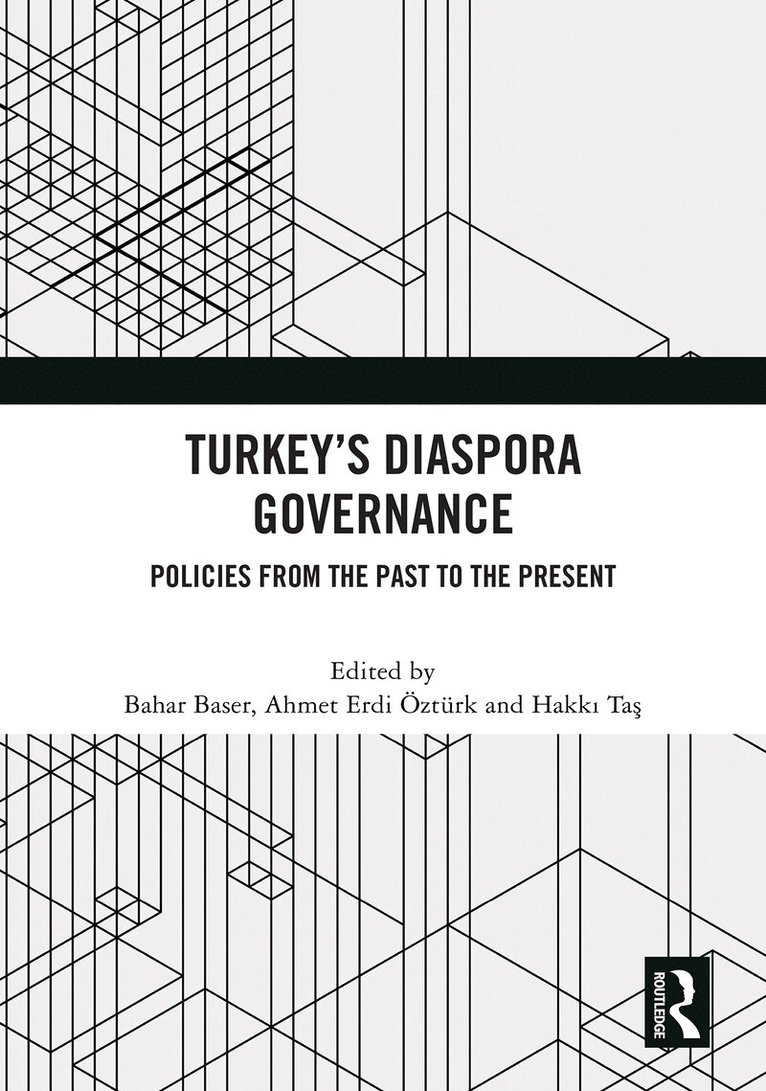
This book examines Turkey's evolving diaspora policies, analysing how the state engages, controls, and mobilizes its overseas communities as tools of diplomacy and nation-building. Through an interdisciplinary lens, it highlights the political, ideological, and cultural motivations driving Turkey’s approach, particularly under the Justice and Development Party's (AKP) influence.In recent decades, Turkey’s approach to its diaspora has undergone a dramatic transformation. From viewing its emigrants as “guest workers” in the 1960s to deploying sophisticated diaspora engagement policies today, Turkey’s approach mirrors larger trends in international migration politics. This book explores Turkey's unique and complex diaspora policies, illuminating how they blend diplomatic outreach with transnational control. With insights into the history and evolution of Turkish diaspora governance, the book analyses key questions:What motivates Turkey’s outreach efforts?How have recent shifts under the President Recep Tayyip Erdogan’s AKP influenced its strategies?And what role do nationalism and identity play in shaping these policies?The book brings together pioneering studies on Turkey's dynamic relationship with its emigrants, blending history, politics, and sociology to shed light on how diaspora governance has become a critical tool of statecraft. This compelling exploration is essential for understanding the impacts of state-led diaspora engagement on transnational identities and relations in a globalized world. It was originally published as a special issue of Middle East Critique.
Häftad, Engelska, 2026
665 kr
Kommande
This book examines Turkey's evolving diaspora policies, analysing how the state engages, controls, and mobilizes its overseas communities as tools of diplomacy and nation-building. Through an interdisciplinary lens, it highlights the political, ideological, and cultural motivations driving Turkey’s approach, particularly under the Justice and Development Party's (AKP) influence.In recent decades, Turkey’s approach to its diaspora has undergone a dramatic transformation. From viewing its emigrants as “guest workers” in the 1960s to deploying sophisticated diaspora engagement policies today, Turkey’s approach mirrors larger trends in international migration politics. This book explores Turkey's unique and complex diaspora policies, illuminating how they blend diplomatic outreach with transnational control. With insights into the history and evolution of Turkish diaspora governance, the book analyses key questions:What motivates Turkey’s outreach efforts?How have recent shifts under the President Recep Tayyip Erdogan’s AKP influenced its strategies?And what role do nationalism and identity play in shaping these policies?The book brings together pioneering studies on Turkey's dynamic relationship with its emigrants, blending history, politics, and sociology to shed light on how diaspora governance has become a critical tool of statecraft. This compelling exploration is essential for understanding the impacts of state-led diaspora engagement on transnational identities and relations in a globalized world. It was originally published as a special issue of Middle East Critique.
Inbunden, Engelska, 2023
2 038 kr
Skickas inom 3-6 vardagar
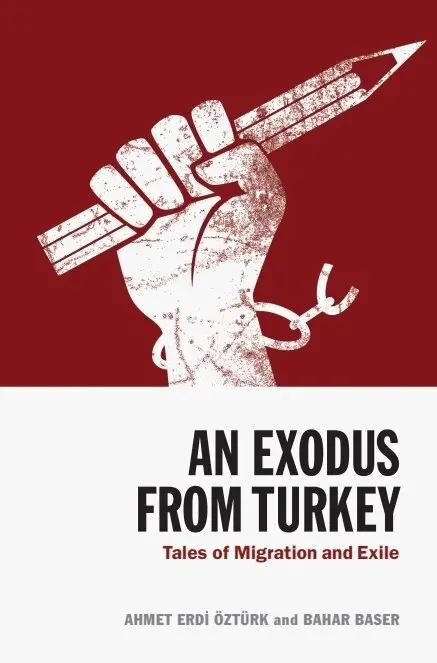
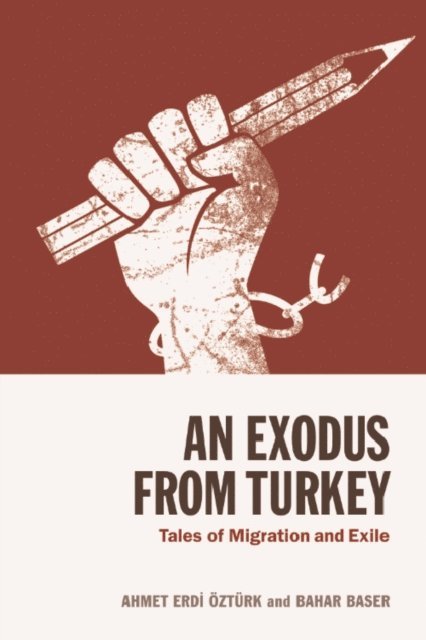
Examines the current wave of migration from Turkey through the experiences of 21 public figures in exileFeatures interviews with 21 Turkish public figures: Barbaros Sansal; Bulent Somay; Can Dundar; Deniz (nickname); Engin Sustam; Eser Karakas; Fatih Vural; Faysal Sariyildiz; Gokhan Bacik; Guliz Vural; Hasip Kaplan; Hayko Bagdat; Jinda Zekioglu; Meltem Arikan; Mine Gencel Bek; Murat Ozbank; Nazan Ustundag; Nil Mutluer; Ragip Durhan; Sehbal Senyurt Arinli; Yavuz BaydarExplores the political reality on the ground in Turkey; the political, social and economic impacts of authoritarianism; the meaning of exile; transnational repression mechanisms put in play by Turkey; and potential scenarios for reconciliation and normalisation in TurkeyThe book not only focuses on the experiences of exile but also reflects on current debates in politics and international relations regarding integration, asylum seeking experiences, statelessness, transnational repression, and mobilisationIncludes a foreword by Professor Samim Akgonul at the University of StrasbourgTurkey's authoritarian turn under the reign of Erdo?an, and the crackdown on freedom of speech and assembly, has caused many Turks either voluntarily or involuntarily to flee the country. Featuring interviews with former politicians, artists, journalists, academics and activists, this book gives a voice to those in exile. By presenting their own stories in their own words, we learn how individuals cope with the realities of separation from their homeland, how they have managed to build new lives abroad and the prospect of return to Turkey. Both heart-breaking and informative, this book provides a snapshot of a new layer of intellectual diaspora in the making.
Häftad, Engelska, 2023
248 kr
Skickas
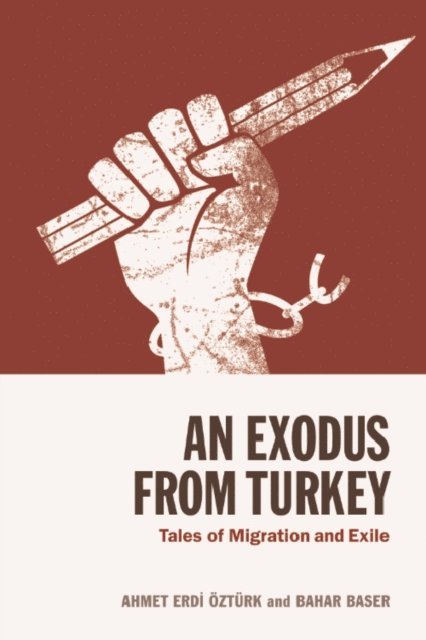
Examines the current wave of migration from Turkey through the experiences of 21 public figures in exileFeatures interviews with 21 Turkish public figures: Barbaros Sansal; Bulent Somay; Can Dundar; Deniz (nickname); Engin Sustam; Eser Karakas; Fatih Vural; Faysal Sariyildiz; Gokhan Bacik; Guliz Vural; Hasip Kaplan; Hayko Bagdat; Jinda Zekioglu; Meltem Arikan; Mine Gencel Bek; Murat Ozbank; Nazan Ustundag; Nil Mutluer; Ragip Durhan; Sehbal Senyurt Arinli; Yavuz BaydarExplores the political reality on the ground in Turkey; the political, social and economic impacts of authoritarianism; the meaning of exile; transnational repression mechanisms put in play by Turkey; and potential scenarios for reconciliation and normalisation in TurkeyThe book not only focuses on the experiences of exile but also reflects on current debates in politics and international relations regarding integration, asylum seeking experiences, statelessness, transnational repression, and mobilisationIncludes a foreword by Professor Samim Akgonul at the University of StrasbourgTurkey's authoritarian turn under the reign of Erdo?an, and the crackdown on freedom of speech and assembly, has caused many Turks either voluntarily or involuntarily to flee the country. Featuring interviews with former politicians, artists, journalists, academics and activists, this book gives a voice to those in exile. By presenting their own stories in their own words, we learn how individuals cope with the realities of separation from their homeland, how they have managed to build new lives abroad and the prospect of return to Turkey. Both heart-breaking and informative, this book provides a snapshot of a new layer of intellectual diaspora in the making.
Inbunden, Engelska, 2021
1 152 kr
Skickas
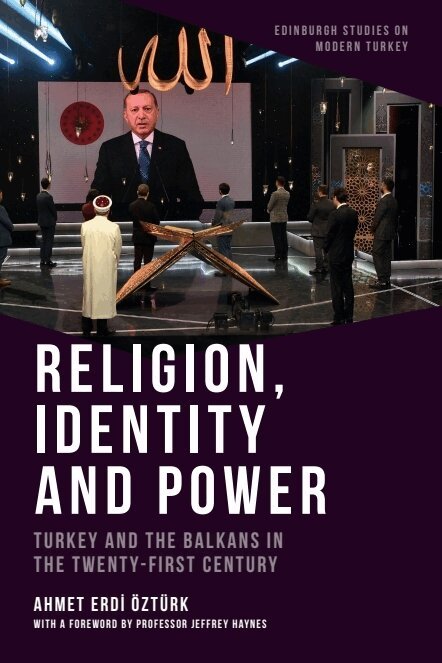
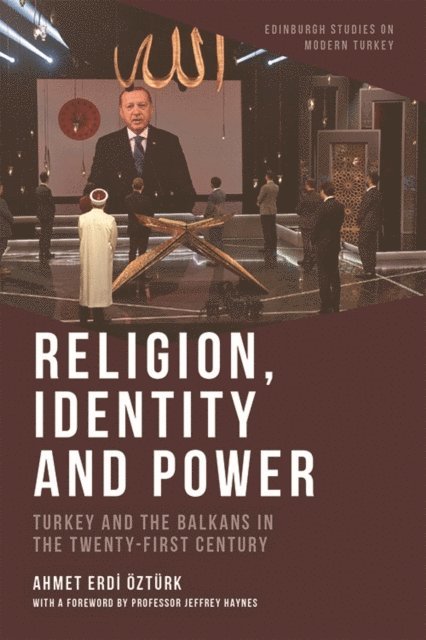
This book examines Turkey’s ethno-religious activism and power-related political strategies in the Balkans between 2002 and 2020, the period under the rule of the Justice and Development Party (AKP), to determine the scopes of its activities in the region.Ahmet Erdi Öztürk illuminates an often-neglected aspect of Turkey’s relations with its Balkan neighbours that emerged as a result of the much discussed ‘authoritarian turn’ – a broader shift in Turkish domestic and foreign policy from a realist-secular to a Sunni Islamic orientation with ethno-nationalist policies.Öztürk draws on personal testimonies given by both Turkish and non-Turkish, Muslim and non-Muslim interviewees in three country cases: Bulgaria, North Macedonia and Albania. The findings shed light on contemporary issues surrounding the continuous redefinition of Turkish secularism under the AKP rule and the emergence of a new Muslim elite in Turkey.
Häftad, Engelska, 2022
579 kr
Skickas inom 3-6 vardagar
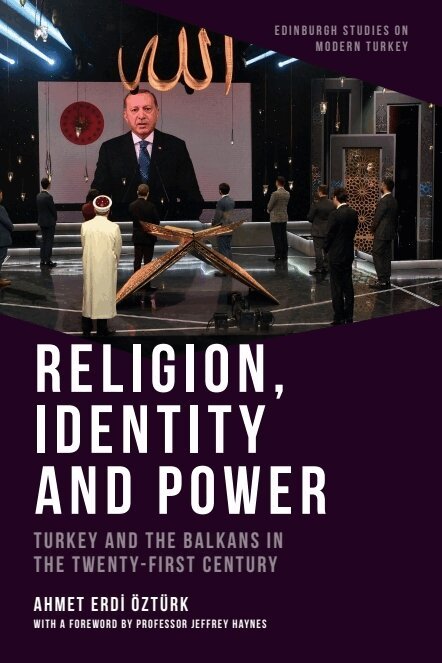
Examines the role of religion and state identity transformation in Erdogan's Turkey and its reflections to the Balkan Peninsula Discusses the effects of Turkey's authoritarian turn during the AKP rule in the domain of foreign policyExamines the role of religion, ethnicity, state identity and power in the relations between Turkey and the Balkan PeninsulaPresents the results of more than 120 semi-structured interviews with political actors, diplomats, religious leaders, scholars, journalists and religious community representatives in Turkey and the BalkansProvides an example of a hybrid insider/outsider status when conducting ethnographical fieldwork among religious groupsWatch a webinar from The Berkley Center for Religion, Peace, and World Affairs (Georgetown University) where Ahmet Erdi zt rk discusses the book with Nukhet SandalWatch Ahmet Erdi zt rk talk about his book with Prof. Scott Lucas on DeepDivePoliticsRead an interview with Ahmet Erdi zt rk about this book at The Adriatic ReportWatch Ahmet Erdi zt rk discuss this book on the Centre for Southeast European Studies YoutubeTurkey and its recent ethno-religious transformation have had a strong impact on the state identity and country's relation to the Balkan Peninsula. This book examines Turkey's ethno-religious activism and power-related political strategies in the Balkans between 2002 and 2020, the period under the rule of the Justice and Development Party (AKP), to determine the scopes of its activities in the region. Ahmet Erdi zt rk illuminates an often-neglected aspect of Turkey's relations with its Balkan neighbours that emerged as a result of the much discussed 'authoritarian turn' a broader shift in Turkish domestic and foreign policy from a realist-secular to a Sunni Islamic orientation with ethno-nationalist policies. In order to understand how these concepts have been received locally, zt rk draws on personal testimonies given by both Turkish and non-Turkish, Muslim and non-Muslim interviewees in three country cases: Republic of Bulgaria, Republic of North Macedonia and Republic of Albania. The findings shed light on contemporary issues surrounding the continuous redefinition of Turkish secularism under the AKP rule and the emergence of a new Muslim elite in Turkey."
Inbunden, Engelska, 2023
2 426 kr
Skickas inom 7-10 vardagar
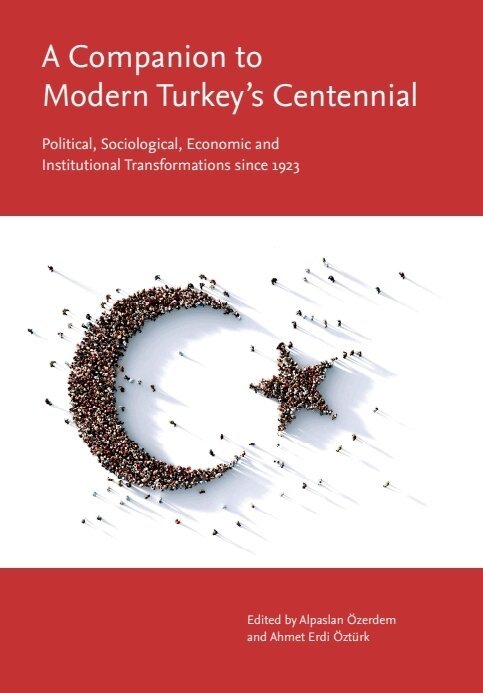
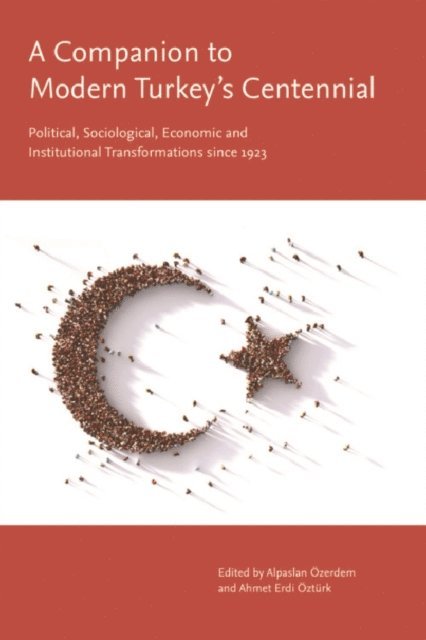
Explores the evolution of modern Turkey its past, current situation and potential future trajectories from an interdisciplinary perspective52 original chapters from an interdisciplinary group of world-leading scholars 7 parts examine the founding of the republic; political ideologies in Turkey; governance challenges and politics; conflicts and protracted political fault-lines; foreign policy; economy, development and environment; and society and cultureCovers a wide range of cultural, sociological, economical, institutional and political points of view of contemporary TurkeyBringing together rigorous, original scholarship from over 60 contributors from different disciplines and from around the globe, this reference volume examines Turkey's evolution from the early days of the Republic to the present time and on to its potential futures, offering a critical portrait of a vibrant country at a crossroads. This rich volume explores aspects from political ideologies to economic development, and from foreign policy to society and culture.Since its birth in 1923, modern Turkey is a nation that has experienced paramount transformation: politically, socially, economically, institutionally and structurally. The changes over the last century have sent and continue to send ripples throughout the wider Middle East, the Balkans, Europe, Asia and the Arab World.
Inbunden, Engelska, 2017
1 801 kr
Skickas inom 10-15 vardagar
President Erdogan's victory in the April 2017 referendum granted him sweeping new powers across Turkey. The constitutional reforms transform the country from a parliamentary democracy into a "Turkish style" presidential republic. Despite being democratically elected, Turkey's ruling AKP party has moved towards increasingly authoritarian measures. During the coup attempt in July 2016, the AKP government declared a state of emergency which Erdogan saw as an opportunity to purge the public sector of pro-Gulenist individuals and criminalise opposition groups including Kurds, Alevites, leftists and liberals. The country experienced political turmoil and rapid transformation as a result. This book identifies the process of democratic reversal in Turkey. In particular, contributors explore the various ways that a democratically elected political party has used elections to implement authoritarian measures. They scrutinise the very concepts of democracy, elections and autocracy to expose their flaws which can be manipulated to advantage.The book includes chapters discussing the roots of authoritarianism in Turkey; the political economy of elections; the relationship between the political Islamic groups and the government; Turkish foreign policy; non-Muslim communities' attitudes towards the AKP; and Kurdish citizens' voting patterns. As well as following Turkey's political trajectory, this book contextualises Turkey in the wider literature on electoral and competitive authoritarianisms and explores the country's future options.
E-bok
Engelska, 2017486 kr
Läs direkt efter köp
Despite being democratically elected, Turkey's ruling AKP party moved towards increasingly authoritarian measures in the years that followed. After the coup attempt in July 2016, the AKP government declared a state of emergency which President Erdo?an saw as an opportunity to purge the public sector of pro-Gülenist individuals and criminalise opposition groups including Kurdish separatists, Alevites, leftists and liberals. The country experienced political turmoil and rapid transformation, and debates around constitutional amendments began that would change the regime to a “Turkish style” presidential system. This book identifies the process of democratic reversal in Turkey. In particular, contributors explore the various ways that a democratically elected political party used elections to implement authoritarian measures. They scrutinise the very concepts of democracy, elections and autocracy to expose their flaws which can be manipulated to advantage. The book includes chapters discussing the roots of authoritarianism in Turkey; the political economy of elections; the relationship between the political Islamic groups and the government; Turkish foreign policy; non-Muslim communities' attitudes towards the AKP; and Kurdish citizens' voting patterns. As well as following Turkey's political trajectory, this book contextualises Turkey in the wider literature on electoral and competitive authoritarianisms and explores the country's future options.
E-bok
PDF, Engelska, 2017482 kr
Läs direkt efter köp
President Erdogan's victory in the April 2017 referendum granted him sweeping new powers across Turkey. The constitutional reforms transform the country from a parliamentary democracy into a "Turkish style" presidential republic. Despite being democratically elected, Turkey's ruling AKP party has moved towards increasingly authoritarian measures. During the coup attempt in July 2016, the AKP government declared a state of emergency which Erdogan saw as an opportunity to purge the public sector of pro-Gulenist individuals and criminalise opposition groups including Kurds, Alevites, leftists and liberals. The country experienced political turmoil and rapid transformation as a result. This book identifies the process of democratic reversal in Turkey. In particular, contributors explore the various ways that a democratically elected political party has used elections to implement authoritarian measures. They scrutinise the very concepts of democracy, elections and autocracy to expose their flaws which can be manipulated to advantage.The book includes chapters discussing the roots of authoritarianism in Turkey; the political economy of elections; the relationship between the political Islamic groups and the government; Turkish foreign policy; non-Muslim communities' attitudes towards the AKP; and Kurdish citizens' voting patterns. As well as following Turkey's political trajectory, this book contextualises Turkey in the wider literature on electoral and competitive authoritarianisms and explores the country's future options.
Inbunden, Engelska, 2023
549 kr
Skickas inom 5-8 vardagar
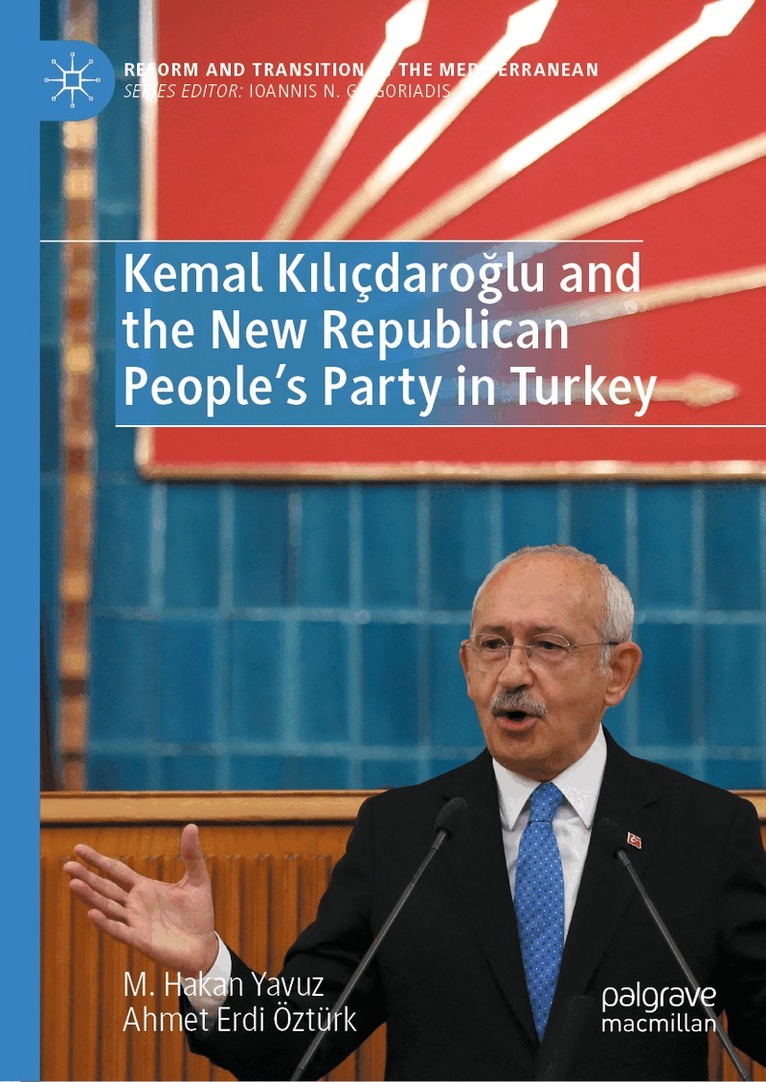
This book discusses the life and professional struggle of Kemal Kılıçdaroğlu and the transformation of the CHP under his leadership. It deals with the transformational periods and phases of the CHP, up to the period when Kemal Kılıçdaroğlu became prominent in the party. The CHP’s transformation and how it variously affected its popular standing in public opinion and revealed political liabilities and limitations cumulatively can indicate and explain to what extent political parties are likely to change as leadership changes and different regime governing approaches take hold. Furthermore, this book aims to answer the following questions: How and for what reasons did Kılıçdaroğlu decide to ally with the center-right wing in the CHP? What was the collective impact of the center-right wing in positive and negative terms regarding the CHP’s general identity, especially in historical context? After the 2015 elections, what constituted the shifts and revisions in Kılıçdaroğlu’s ideology andhow did they alter the political power of the CHP as a major opposition party? What evidence exists to shed light on his capabilities for building coalitions as a viable option for the possibility of forming a national government in elections?
631 kr
Skickas inom 5-8 vardagar
Inbunden, Engelska, 2026
1 525 kr
Skickas inom 10-15 vardagar
This book explores anti-Westernism in Turkey by locating it in historical, ideological, and political contexts. It examines how anti-Westernism has evolved from the early period of Turkish modernization to the present day. The book traces admiration, scepticism, and resistance in the Turkish attitude toward the West through a historical and ideological account of Turkish politics. Through contributions from experts, overarching themes such as sovereignty, security, and memory are analysed in a way to explain how historical grievances as reinvented by political actors representing different ideological dispositions converge to shape a negative attitude in Turkey toward the West.