Alexandra S. Moore – författare
Visar alla böcker från författaren Alexandra S. Moore. Handla med fri frakt och snabb leverans.
11 produkter
Technologies of Human Rights Representation
Av Alexandra S. Moore, James Dawes
Inbunden, 2022
1249 kr
Lägg i varukorg
Analyzes the effects of new technologies on human rights, with a particular focus on how representations of technology affect our ability to understand and control it.The speed of technological development, from cell phones to artificial intelligence, opens up exciting new opportunities for …
Technologies of Human Rights Representation
Av Alexandra S. Moore, James Dawes
Häftad, 2022
463 kr
Lägg i varukorg
Analyzes the effects of new technologies on human rights, with a particular focus on how representations of technology affect our ability to understand and control it.The speed of technological development, from cell phones to artificial intelligence, opens up exciting new opportunities for …
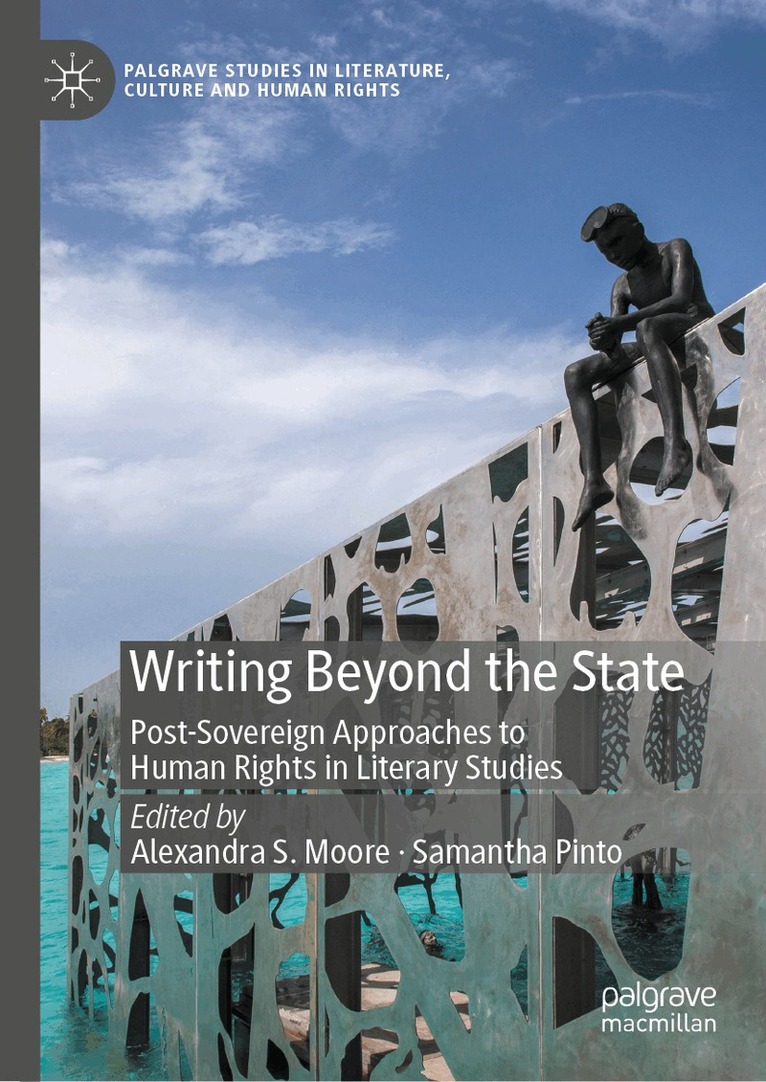
Writing Beyond the State
Post-Sovereign Approaches to Human Rights in Literary Studies
Av Alexandra S. Moore, Samantha Pinto
Inbunden, 2020
1199 kr
Lägg i varukorg
This book investigates the imaginative capacities of literature, art and culture as sites for reimagining human rights, addressing deep historical and structural forms of belonging and unbelonging; the rise of xenophobia, neoliberal governance, and securitization that result in the purposeful …
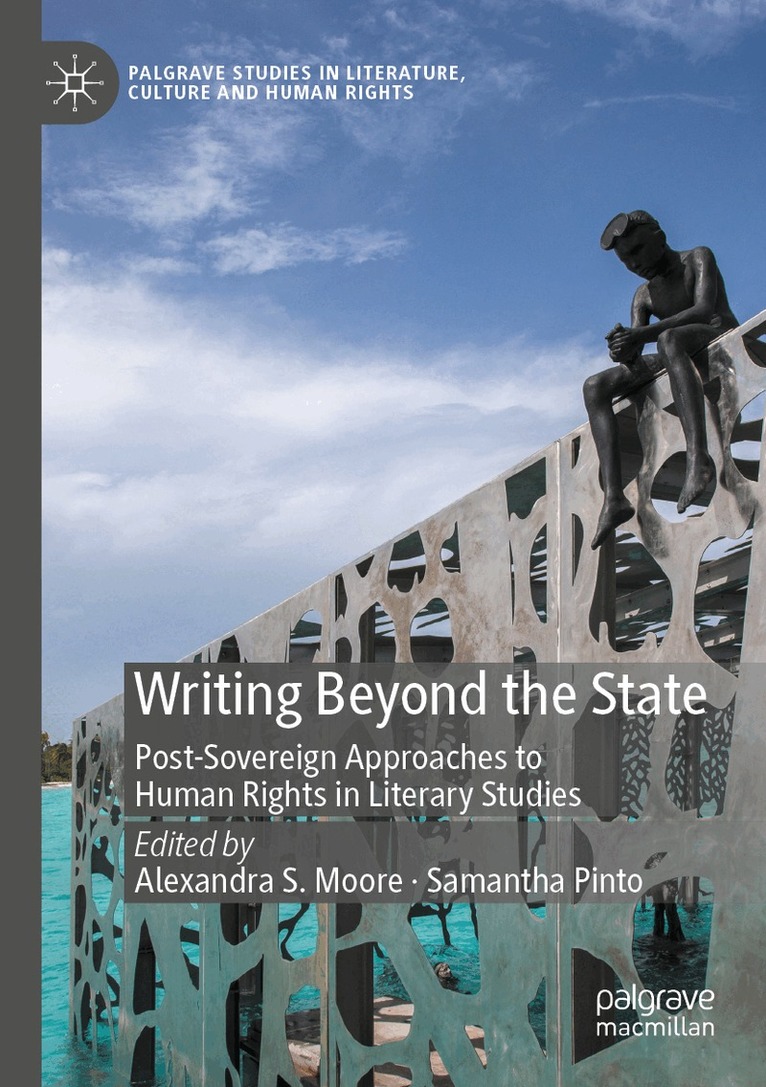
Writing Beyond the State
Post-Sovereign Approaches to Human Rights in Literary Studies
Av Samantha Pinto, Alexandra S. Moore
E-bok, 2020
1563 kr
Lägg i varukorg
This book investigates the imaginative capacities of literature, art and culture as sites for reimagining human rights, addressing deep historical and structural forms of belonging and unbelonging; the rise of xenophobia, neoliberal governance, and securitization that result in the purposeful …
Writing Beyond the State
Post-Sovereign Approaches to Human Rights in Literary Studies
Av Alexandra S. Moore, Samantha Pinto
Häftad, 2021
1199 kr
Lägg i varukorg
This book investigates the imaginative capacities of literature, art and culture as sites for reimagining human rights, addressing deep historical and structural forms of belonging and unbelonging; the rise of xenophobia, neoliberal governance, and securitization that result in the purposeful …
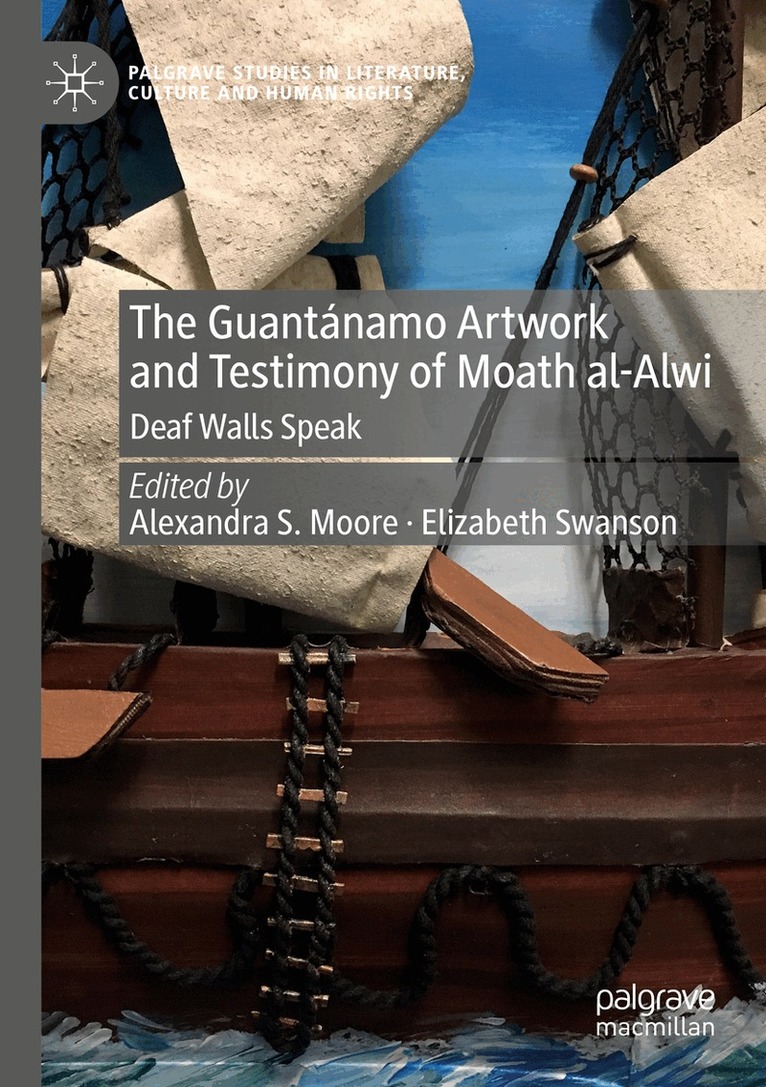
Guantánamo Artwork and Testimony of Moath Al-Alwi
Deaf Walls Speak
Av Alexandra S. Moore, Elizabeth Swanson
Inbunden, 2023
264 kr
Lägg i varukorg
Deaf Walls Speak presents an insider’s view of artmaking in Guantánamo, the world’s most notorious prison, as self-expression and protest, and to stage a fundamental human rights claim that has been denied by law and politics: the right to be recognized as human. The book juxtaposes detainee artist …
Guantanamo Artwork and Testimony of Moath Al-Alwi
Deaf Walls Speak
Av Elizabeth Swanson, Alexandra S. Moore
E-bok, 2023
378 kr
Lägg i varukorg
Deaf Walls Speak presents an insider’s view of artmaking in Guantánamo, the world’s most notorious prison, as self-expression and protest, and to stage a fundamental human rights claim that has been denied by law and politics: the right to be recognized as human. The book juxtaposes detainee artist …
Guantánamo Artwork and Testimony of Moath Al-Alwi
Deaf Walls Speak
Av Alexandra S. Moore, Elizabeth Swanson
Häftad, 2024
264 kr
Lägg i varukorg
Deaf Walls Speak presents an insider’s view of artmaking in Guantánamo, the world’s most notorious prison, as self-expression and protest, and to stage a fundamental human rights claim that has been denied by law and politics: the right to be recognized as human. The book juxtaposes detainee artist …
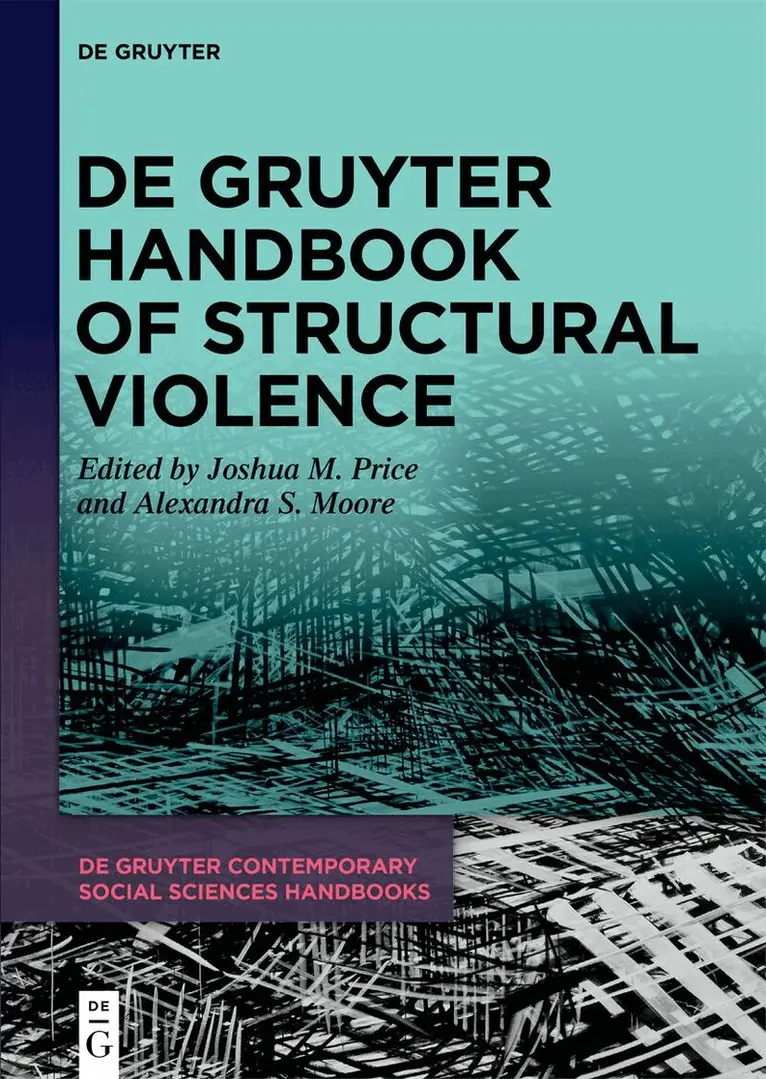
De Gruyter Handbook of Structural Violence
Av Joshua M. Price, Alexandra S. Moore
Inbunden, 2026
2148 kr
Lägg i varukorg
Structural violence as an analytical term emerged in the late 1960s to characterize the harm and injustice of poverty and other forms of inequality that can be traced to oppressive institutions and social structures. The term is intended to reach beyond physical violence to capture the manifold …
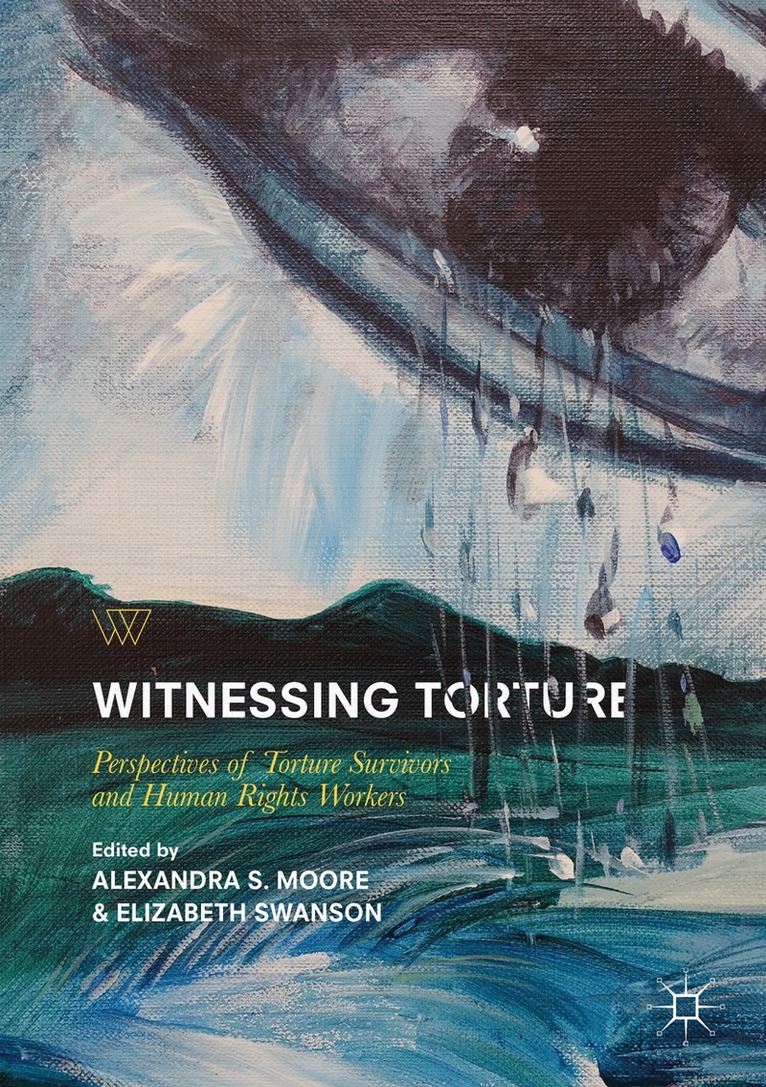
Witnessing Torture
Perspectives of Torture Survivors and Human Rights Workers
Av Alexandra S. Moore, Elizabeth Swanson
Häftad, 2018
341 kr
Lägg i varukorg
This book demonstrates a new, interdisciplinary approach to life writing about torture that situates torture firmly within its socio-political context, as opposed to extending the long line of representations written in the idiom of the proverbial dark chamber. By dismantling the rhetorical divide …
Witnessing Torture
Perspectives of Torture Survivors and Human Rights Workers
Av Elizabeth Swanson, Alexandra S. Moore
E-bok, 2018
437 kr
Lägg i varukorg
This book demonstrates a new, interdisciplinary approach to life writing about torture that situates torture firmly within its socio-political context, as opposed to extending the long line of representations written in the idiom of the proverbial dark chamber . By dismantling the rhetorical divide …