Amie Kreppel – författare
Visar alla böcker från författaren Amie Kreppel. Handla med fri frakt och snabb leverans.
11 produkter
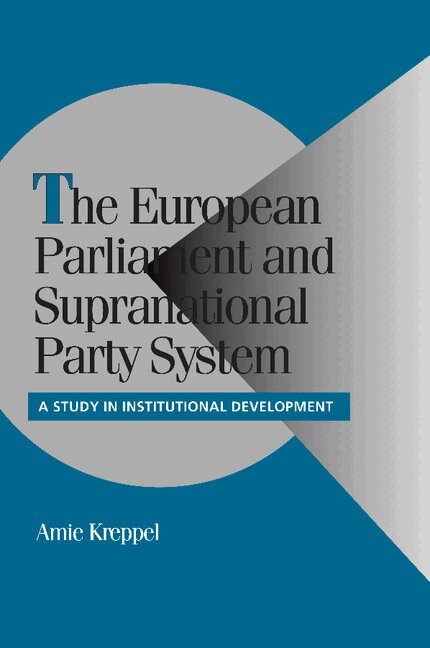
The European Parliament and Supranational Party System
A Study in Institutional Development
Av Amie Kreppel, Peter Lange m. fl.
Häftad, 2001
459 kr
Lägg i varukorg
This book examines the impact of increased legislative power and political authority on the internal development of the European Parliament and the supranational party group system. This is done through an analysis of changes in the hierarchical structures that regulate the internal organization of …
The European Parliament and Supranational Party System
A Study in Institutional Development
Av Amie Kreppel
Inbunden, 2001
1391 kr
Lägg i varukorg
This book examines the impact of increased legislative power and political authority on the internal development of the European Parliament and the supranational party group system. This is done through an analysis of changes in the hierarchical structures that regulate the internal organization of …
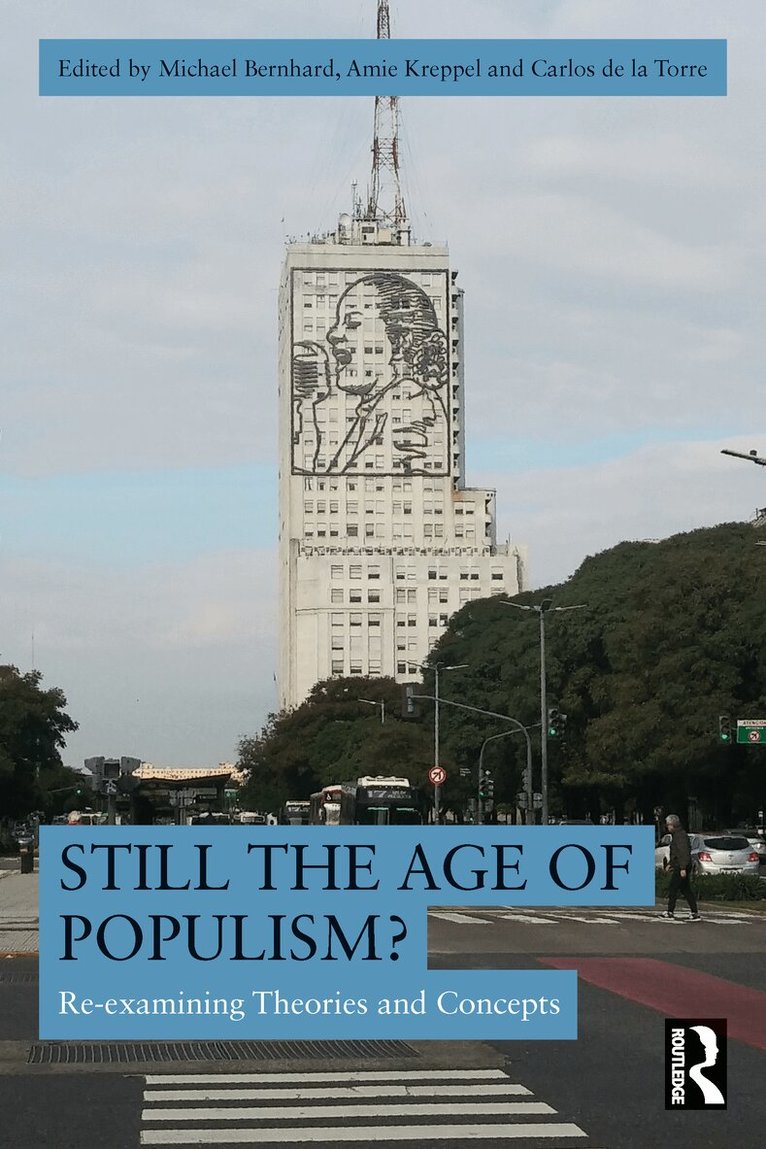
Still the Age of Populism?
Re-examining Theories and Concepts
Av Michael Bernhard, Amie Kreppel m. fl.
Inbunden, 2024
2512 kr
Lägg i varukorg
Still the Age of Populism? investigates current conceptions of populism and its relevance across the globe. Using contextualized case studies, cross-national comparisons, and theoretical interventions, this volume addresses key conceptual debates in comparative politics and political sociology.This …
Still the Age of Populism?
Re-examining Theories and Concepts
Av Michael Bernhard, Amie Kreppel m. fl.
Häftad, 2024
619 kr
Lägg i varukorg
Still the Age of Populism? investigates current conceptions of populism and its relevance across the globe. Using contextualized case studies, cross-national comparisons, and theoretical interventions, this volume addresses key conceptual debates in comparative politics and political sociology.This …
Still the Age of Populism?
Re-examining Theories and Concepts
Av Carlos de la Torre, Amie Kreppel m. fl.
E-bok, 2024
712 kr
Lägg i varukorg
Still the Age of Populism? investigates current conceptions of populism and its relevance across the globe. Using contextualized case studies, cross-national comparisons, and theoretical interventions, this volume addresses key conceptual debates in comparative politics and political sociology. …
Still the Age of Populism?
Re-examining Theories and Concepts
Av Carlos de la Torre, Amie Kreppel m. fl.
E-bok, 2024
712 kr
Lägg i varukorg
Still the Age of Populism? investigates current conceptions of populism and its relevance across the globe. Using contextualized case studies, cross-national comparisons, and theoretical interventions, this volume addresses key conceptual debates in comparative politics and political sociology. …
Decision making in the EU before and after the Lisbon Treaty
Av Madeleine Hosli, Amie Kreppel m. fl.
Häftad, 2017
545 kr
Lägg i varukorg
This book aims to assess what the changes of the Treaty of Lisbon envisaged and whether these ambitions have materialised since the Treaty entered into force. It offers analyses of the past, as well as what might be the future (because some provisions will only enter into effect in the years to …
Decision making in the EU before and after the Lisbon Treaty
Av Madeleine Hosli, Amie Kreppel m. fl.
Inbunden, 2015
1478 kr
Lägg i varukorg
This book aims to assess what the changes of the Treaty of Lisbon envisaged and whether these ambitions have materialised since the Treaty entered into force. It offers analyses of the past, as well as what might be the future (because some provisions will only enter into effect in the years to …
Decision making in the EU before and after the Lisbon Treaty
Av Amy Verdun, Bela Plechanovova m. fl.
E-bok, 2017
658 kr
Lägg i varukorg
Decision-making in the European Union before and after the Lisbon Treaty aims to assess what the changes the Treaty of Lisbon envisaged and whether these ambitions have materialised since the Treaty entered into force. It offers analyses of the past, as well as what might be the future (because …
Decision making in the EU before and after the Lisbon Treaty
Av Amy Verdun, Bela Plechanovova m. fl.
E-bok, 2017
658 kr
Lägg i varukorg
Decision-making in the European Union before and after the Lisbon Treaty aims to assess what the changes the Treaty of Lisbon envisaged and whether these ambitions have materialised since the Treaty entered into force. It offers analyses of the past, as well as what might be the future (because …
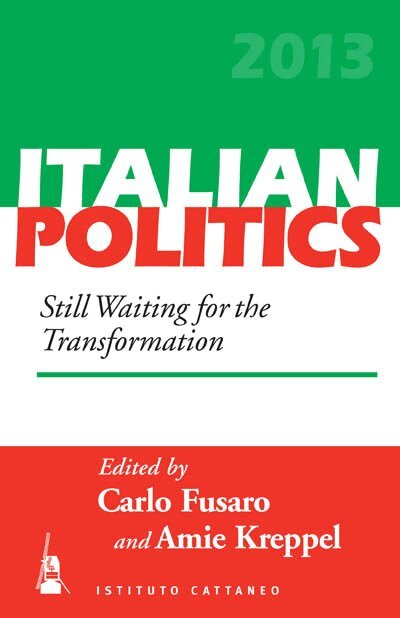
Still Waiting for the Transformation
Häftad, 2014
1041 kr
Lägg i varukorg
Italy in 2013 seemed to be continually on the cusp of substantive reform and forward motion, but never quite achieved it. The previous two years had seen the fall of the Berlusconi government and the beginning of the end of the Second Republic, followed by the predominance of technocrats in office. …