Angeliki E. Laiou – författare
Visar alla böcker från författaren Angeliki E. Laiou. Handla med fri frakt och snabb leverans.
14 produkter
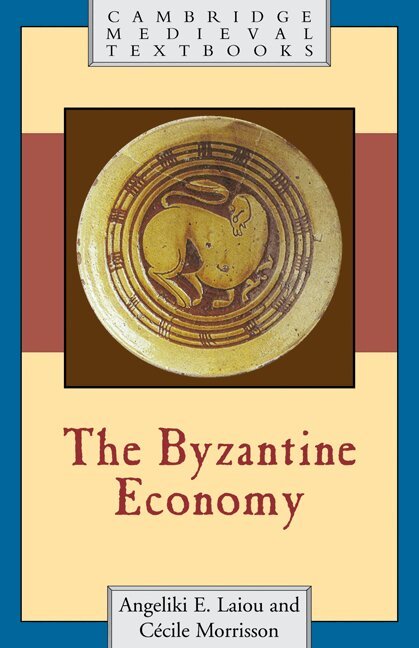
The Byzantine Economy
Av Angeliki E. Laiou, Cécile Morrisson
Häftad, 2007
541 kr
Lägg i varukorg
This is a concise survey of the economy of the Byzantine Empire from the fourth century AD to the fall of Constantinople in 1453. Organised chronologically, the book addresses key themes such as demography, agriculture, manufacturing and the urban economy, trade, monetary developments, and the role …
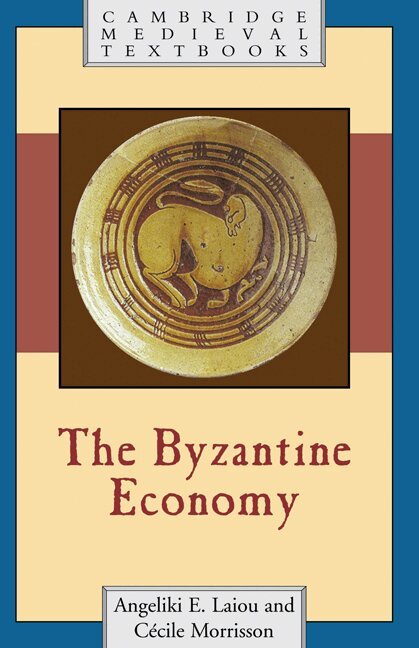
The Byzantine Economy
Av Angeliki E. Laiou, Cécile Morrisson
Inbunden, 2007
1224 kr
Lägg i varukorg
This is a concise survey of the economy of the Byzantine Empire from the fourth century AD to the fall of Constantinople in 1453. Organised chronologically, the book addresses key themes such as demography, agriculture, manufacturing and the urban economy, trade, monetary developments, and the role …
Gender, Society and Economic Life in Byzantium
Inbunden, 1992
2578 kr
Lägg i varukorg
The studies in this volume reflect the author’s interest in history as it was lived: not only the social and economic structures, but the men and women, collectively and individually, who made them function. The role of women in Byzantine economy and society is found to be much more important than …
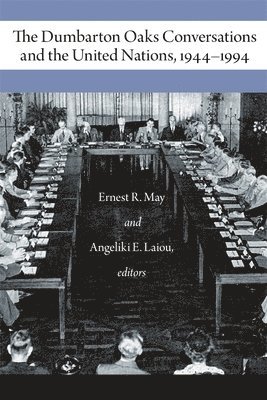
Dumbarton Oaks Conversations and the United Nations, 1944–1994
Av Angeliki E. Laiou, Ernest R. May
Häftad, 2019
221 kr
Lägg i varukorg
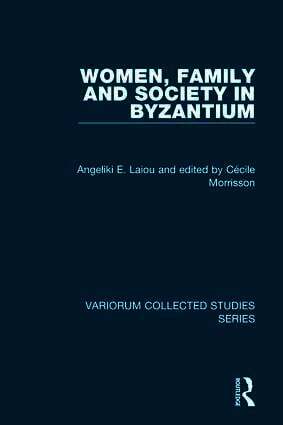
Women, Family and Society in Byzantium
Av Angeliki E. Laiou, Rowan Dorin m. fl.
E-bok, 2024
642 kr
Lägg i varukorg
Angeliki Laiou (1941-2008), one of the leading Byzantinists of her generation, broke new ground in the study of the social and economic history of the Byzantine Empire. Women, Family and Society in Byzantium, the first of three volumes to be published posthumously in the Variorum Collected Studies …
Gender, Society and Economic Life in Byzantium
E-bok, 2024
1052 kr
Lägg i varukorg
The studies in this volume reflect the author’s interest in history as it was lived: not only the social and economic structures, but the men and women, collectively and individually, who made them function. The role of women in Byzantine economy and society is found to be much more important …
Women, Family and Society in Byzantium
Av Angeliki E. Laiou, Rowan Dorin m. fl.
E-bok, 2024
642 kr
Lägg i varukorg
Angeliki Laiou (1941-2008), one of the leading Byzantinists of her generation, broke new ground in the study of the social and economic history of the Byzantine Empire. Women, Family and Society in Byzantium, the first of three volumes to be published posthumously in the Variorum Collected Studies …
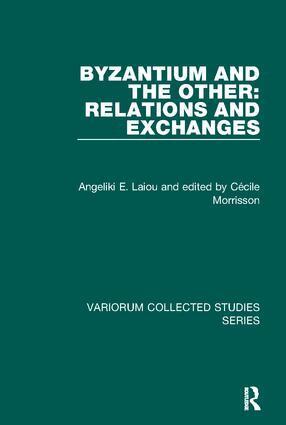
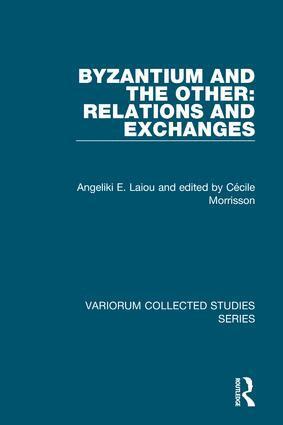
Byzantium and the Other: Relations and Exchanges
Av Angeliki E. Laiou, Cécile Morrisson m. fl.
Häftad, 2017
770 kr
Lägg i varukorg
Angeliki Laiou (1941-2008), one of the leading Byzantinists of her generation, broke new ground in the study of the social and economic history of the Byzantine Empire. Byzantium and the Other: Relations and Exchanges, the second of three volumes to be published posthumously in the Variorum …
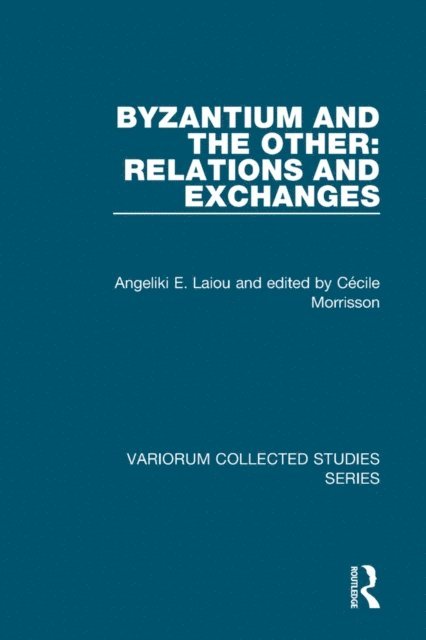
Byzantium and the Other: Relations and Exchanges
Av Angeliki E. Laiou, Rowan Dorin m. fl.
E-bok, 2018
910 kr
Lägg i varukorg
Angeliki Laiou (1941-2008), one of the leading Byzantinists of her generation, broke new ground in the study of the social and economic history of the Byzantine Empire. Byzantium and the Other: Relations and Exchanges, the second of three volumes to be published posthumously in the Variorum …
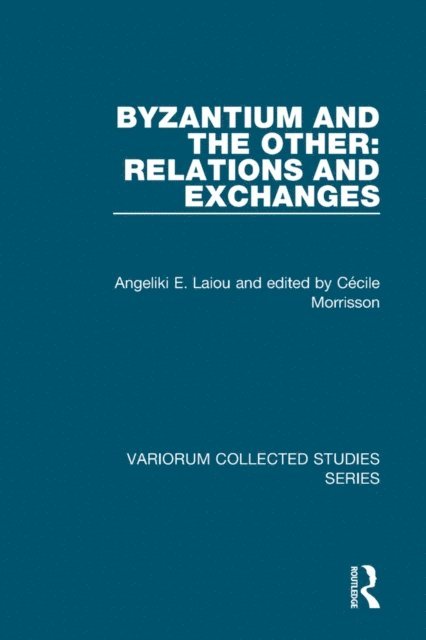
Byzantium and the Other: Relations and Exchanges
Av Angeliki E. Laiou, Rowan Dorin m. fl.
E-bok, 2018
890 kr
Lägg i varukorg
Angeliki Laiou (1941-2008), one of the leading Byzantinists of her generation, broke new ground in the study of the social and economic history of the Byzantine Empire. Byzantium and the Other: Relations and Exchanges, the second of three volumes to be published posthumously in the Variorum …
Women, Family and Society in Byzantium
Av Angeliki E. Laiou, Cécile Morrisson m. fl.
Inbunden, 2011
785 kr
Lägg i varukorg
Angeliki Laiou (1941-2008), one of the leading Byzantinists of her generation, broke new ground in the study of the social and economic history of the Byzantine Empire. Women, Family and Society in Byzantium, the first of three volumes to be published posthumously in the Variorum Collected Studies …
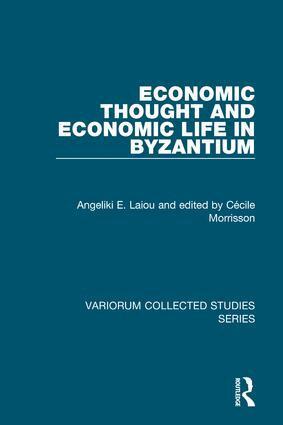
Economic Thought and Economic Life in Byzantium
Av Angeliki E. Laiou, Cécile Morrisson m. fl.
Inbunden, 2013
2578 kr
Lägg i varukorg
Angeliki Laiou (1941-2008), one of the leading Byzantinists of her generation, broke new ground in the study of the social and economic history of the Byzantine Empire. Economic Thought and Economic Life in Byzantium, the last of three volumes to be published posthumously in the Variorum Collected …
Byzantium and the Other: Relations and Exchanges
Av Angeliki E. Laiou, Cécile Morrisson m. fl.
Inbunden, 2012
2542 kr
Lägg i varukorg
Angeliki Laiou (1941-2008), one of the leading Byzantinists of her generation, broke new ground in the study of the social and economic history of the Byzantine Empire. Byzantium and the Other: Relations and Exchanges, the second of three volumes to be published posthumously in the Variorum …