Ardeshir B. Damania – författare
Visar alla böcker från författaren Ardeshir B. Damania. Handla med fri frakt och snabb leverans.
8 produkter
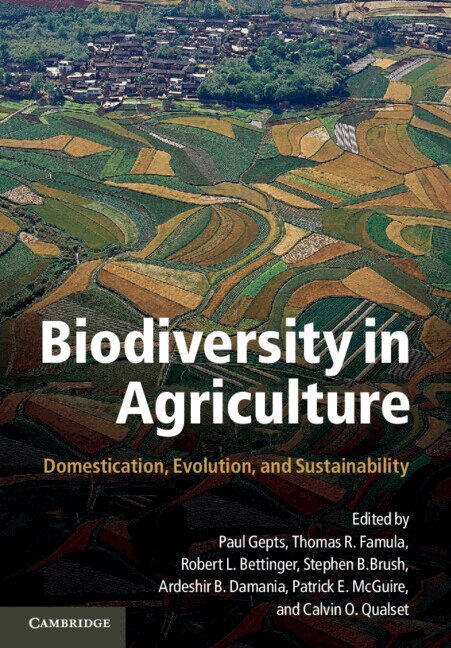
Biodiversity in Agriculture
Domestication, Evolution, and Sustainability
Av Paul Gepts, Thomas R. Famula m. fl.
Häftad, 2012
1279 kr
Lägg i varukorg
The introduction of plant and animal agriculture represents one of the most important milestones in human evolution. It contributed to the development of cities, alphabets, new technologies, and ultimately to civilizations, but it has also presented a threat to both human health and the …
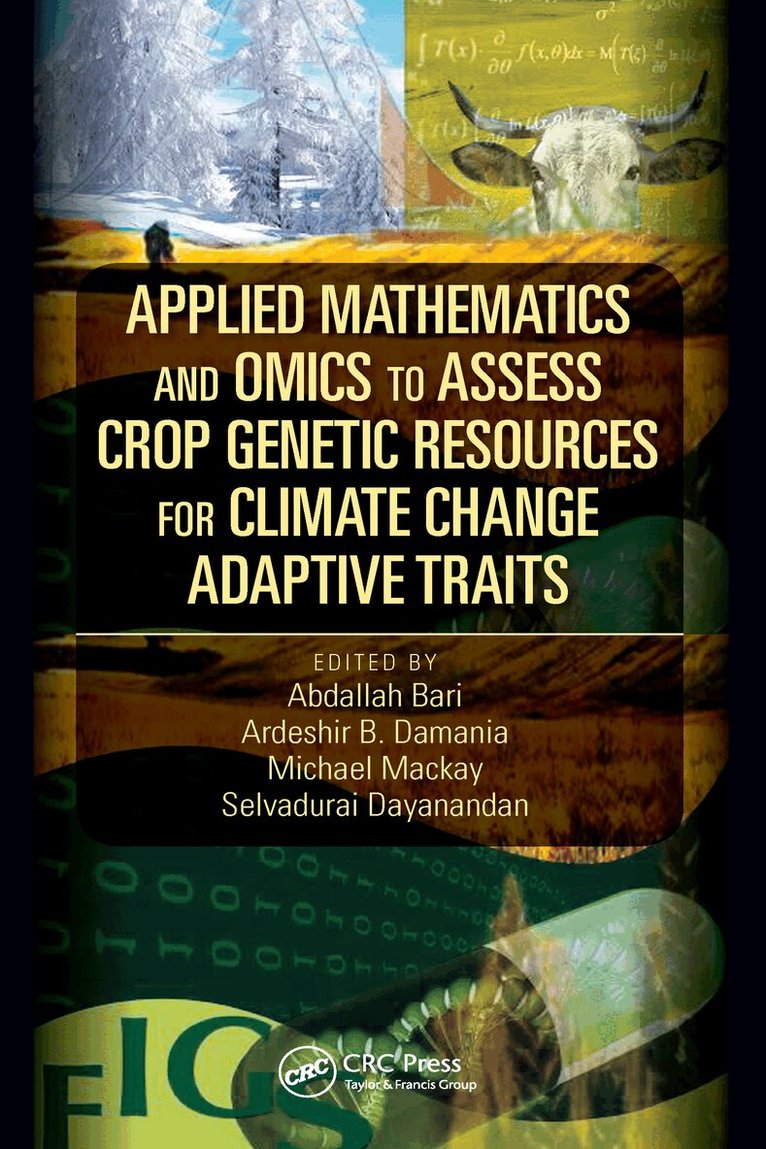
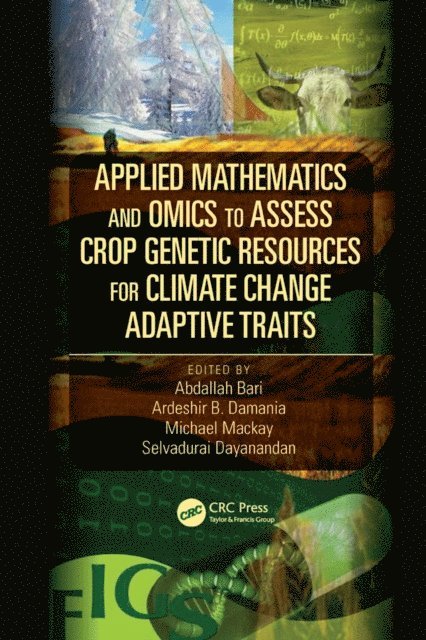
Applied Mathematics and Omics to Assess Crop Genetic Resources for Climate Change Adaptive Traits
Av Abdallah Bari, Ardeshir B. Damania m. fl.
Häftad, 2021
793 kr
Lägg i varukorg
Applied Mathematics and Omics to Assess Crop Genetic Resources for Climate Change Adaptive Traits focuses on practical means and approaches to further the use of genetic resources for mitigating the effects of climate change and improving crop production. Genetic diversity in crop plants is being …
Managing for Healthy Ecosystems
Av Ardeshir B. Damania, Calvin O. Qualset m. fl.
E-bok, 2002
10042 kr
Lägg i varukorg
One of the critical issues of our time is the dwindling capacity of the planet to provide life support for a large and growing human population. Based on a symposium on ecosystem health, Managing for Healthy Ecosystems identifies key issues that must be resolved if there is to be progress in this …
Applied Mathematics and Omics to Assess Crop Genetic Resources for Climate Change Adaptive Traits
Av Selvadurai Dayanandan, Michael Mackay m. fl.
E-bok, 2018
935 kr
Lägg i varukorg
Applied Mathematics and Omics to Assess Crop Genetic Resources for Climate Change Adaptive Traits focuses on practical means and approaches to further the use of genetic resources for mitigating the effects of climate change and improving crop production. Genetic diversity in crop plants is being …
Applied Mathematics and Omics to Assess Crop Genetic Resources for Climate Change Adaptive Traits
Av Selvadurai Dayanandan, Michael Mackay m. fl.
E-bok, 2018
915 kr
Lägg i varukorg
Applied Mathematics and Omics to Assess Crop Genetic Resources for Climate Change Adaptive Traits focuses on practical means and approaches to further the use of genetic resources for mitigating the effects of climate change and improving crop production. Genetic diversity in crop plants is being …
Managing for Healthy Ecosystems
Av Ardeshir B. Damania, Calvin O. Qualset m. fl.
E-bok, 2002
9825 kr
Lägg i varukorg
One of the critical issues of our time is the dwindling capacity of the planet to provide life support for a large and growing human population. Based on a symposium on ecosystem health, Managing for Healthy Ecosystems identifies key issues that must be resolved if there is to be progress in this …
Applied Mathematics and Omics to Assess Crop Genetic Resources for Climate Change Adaptive Traits
Av Abdallah Bari, Ardeshir B. Damania m. fl.
Inbunden, 2016
3012 kr
Lägg i varukorg
Applied Mathematics and Omics to Assess Crop Genetic Resources for Climate Change Adaptive Traits focuses on practical means and approaches to further the use of genetic resources for mitigating the effects of climate change and improving crop production. Genetic diversity in crop plants is being …
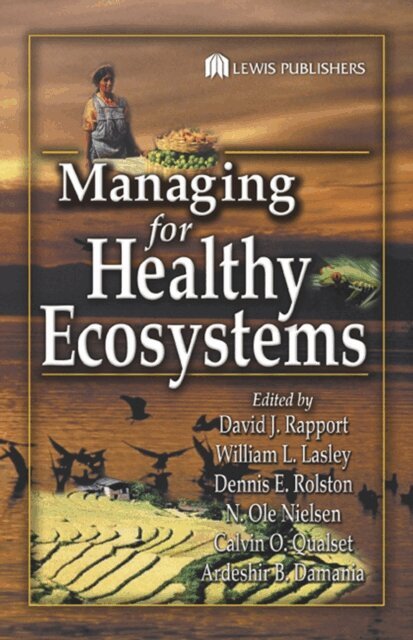
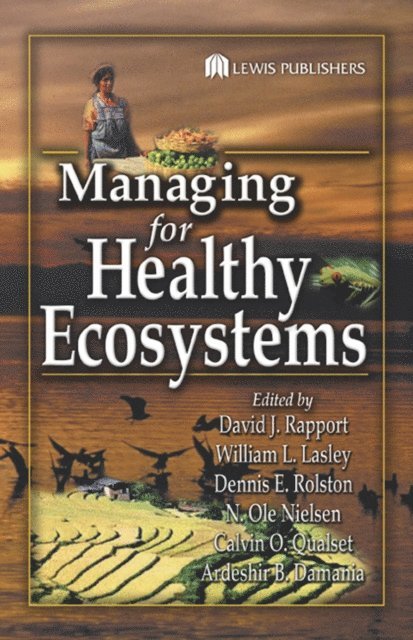
Managing for Healthy Ecosystems
Av David J. Rapport, Bill L. Lasley m. fl.
Inbunden, 2002
5354 kr
Tillfälligt slut
One of the critical issues of our time is the dwindling capacity of the planet to provide life support for a large and growing human population. Based on a symposium on ecosystem health, Managing for Healthy Ecosystems identifies key issues that must be resolved if there is to be progress in this …