Arti Gupta – författare
970 kr
Läs direkt efter köp
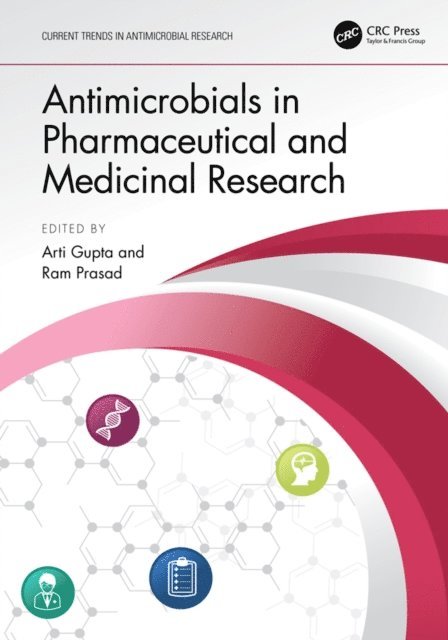
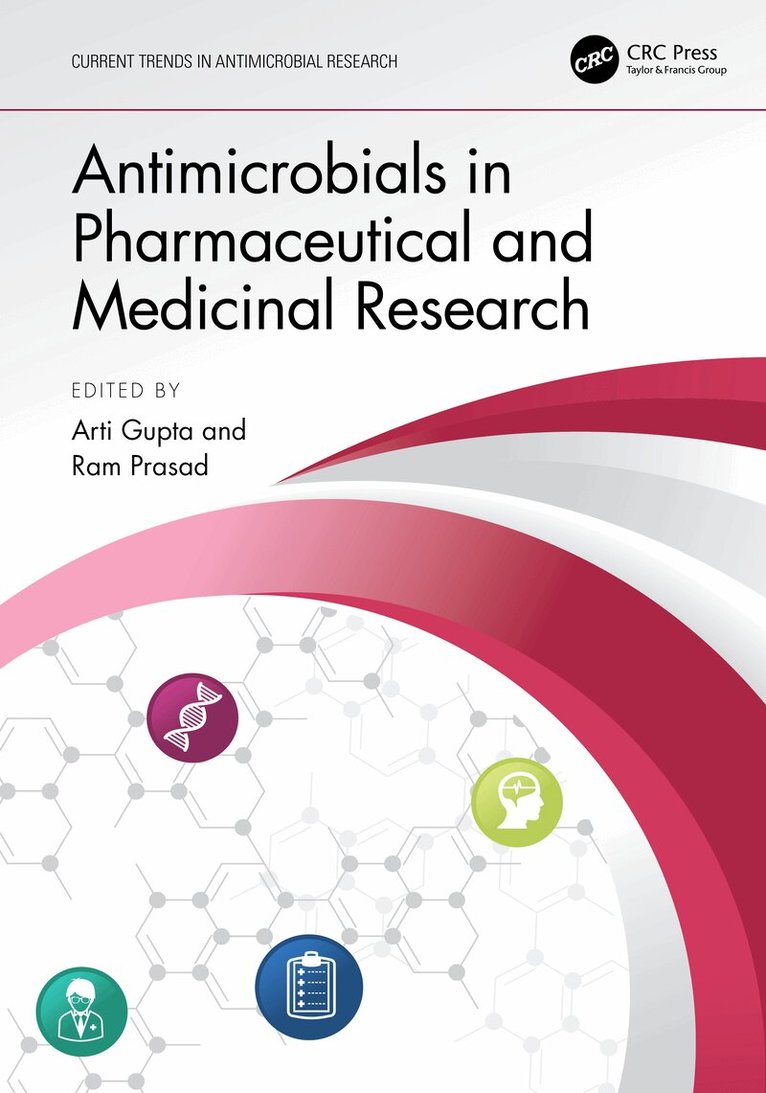
The need for state-of-the-art antimicrobial agents is greater than ever because of the development of multidrug resistance in communal pathogens, the rapid rise of new infections, and the potential for use of multidrug-resistant agents in biological protection. Although the need for novel antimicrobials is increasing, the development of such agents faces significant obstacles. Pharmaceutical research and development costs are estimated to be $400–$800 million per approved agent. The most important natural antimicrobial compounds derived from various plant sources containing a wide variety of secondary metabolites. With collected contributions from international subject experts, this volume focuses primarily on antimicrobials.
This book deliberates recent developments in microbial science in combating infectious diseases and explores advances in antimicrobial constituents and their applications in the fight against bacteria. In addition, it also provides a variety of photographs, diagrams, and tables to help illustrate the material. The novel strategies to combat antimicrobial resistance are also described, emphasizing collaborative measures of control. We describe the concerted efforts undertaken by global communities to combat antimicrobial resistance in detail. The most efficient strategy could be a behavioural change towards indiscriminate consumption, usage, and prescription of antibiotics.
Students, research scientists, academicians and policy makers can benefit from Antimicrobials in Pharmaceutical and Medicinal Research as a resource that addresses biotechnology, applied microbiology, healthcare/pharmaceutical products, medicinal plant products, and all disciplines related to antimicrobial research.
Features of the book:
Covers development in plant-based antimicrobials for sepsis management and progress Describes modern approaches for phyto-nanoconjugates in combating multidrug resistance in biomedicine Details methods to improve antimicrobial properties to have a longer service life in combating infection Describe bacteriocins and plant metabolites as biotechnological tools in food, pharmaceuticals and therapeutics applications Highlights natural antimicrobial therapeutic peptides Offers current and future applications of emerging antimicrobial technologies970 kr
Läs direkt efter köp
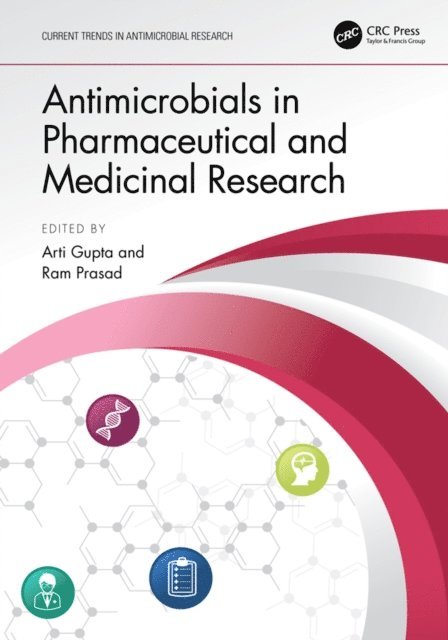
The need for state-of-the-art antimicrobial agents is greater than ever because of the development of multidrug resistance in communal pathogens, the rapid rise of new infections, and the potential for use of multidrug-resistant agents in biological protection. Although the need for novel antimicrobials is increasing, the development of such agents faces significant obstacles. Pharmaceutical research and development costs are estimated to be $400–$800 million per approved agent. The most important natural antimicrobial compounds derived from various plant sources containing a wide variety of secondary metabolites. With collected contributions from international subject experts, this volume focuses primarily on antimicrobials.
This book deliberates recent developments in microbial science in combating infectious diseases and explores advances in antimicrobial constituents and their applications in the fight against bacteria. In addition, it also provides a variety of photographs, diagrams, and tables to help illustrate the material. The novel strategies to combat antimicrobial resistance are also described, emphasizing collaborative measures of control. We describe the concerted efforts undertaken by global communities to combat antimicrobial resistance in detail. The most efficient strategy could be a behavioural change towards indiscriminate consumption, usage, and prescription of antibiotics.
Students, research scientists, academicians and policy makers can benefit from Antimicrobials in Pharmaceutical and Medicinal Research as a resource that addresses biotechnology, applied microbiology, healthcare/pharmaceutical products, medicinal plant products, and all disciplines related to antimicrobial research.
Features of the book:
Covers development in plant-based antimicrobials for sepsis management and progress Describes modern approaches for phyto-nanoconjugates in combating multidrug resistance in biomedicine Details methods to improve antimicrobial properties to have a longer service life in combating infection Describe bacteriocins and plant metabolites as biotechnological tools in food, pharmaceuticals and therapeutics applications Highlights natural antimicrobial therapeutic peptides Offers current and future applications of emerging antimicrobial technologies942 kr
Läs direkt efter köp
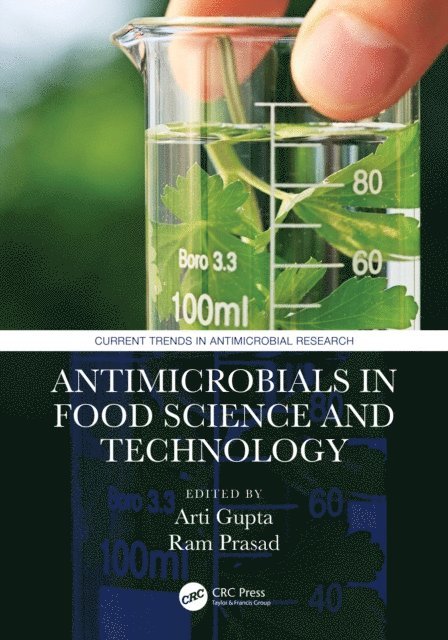
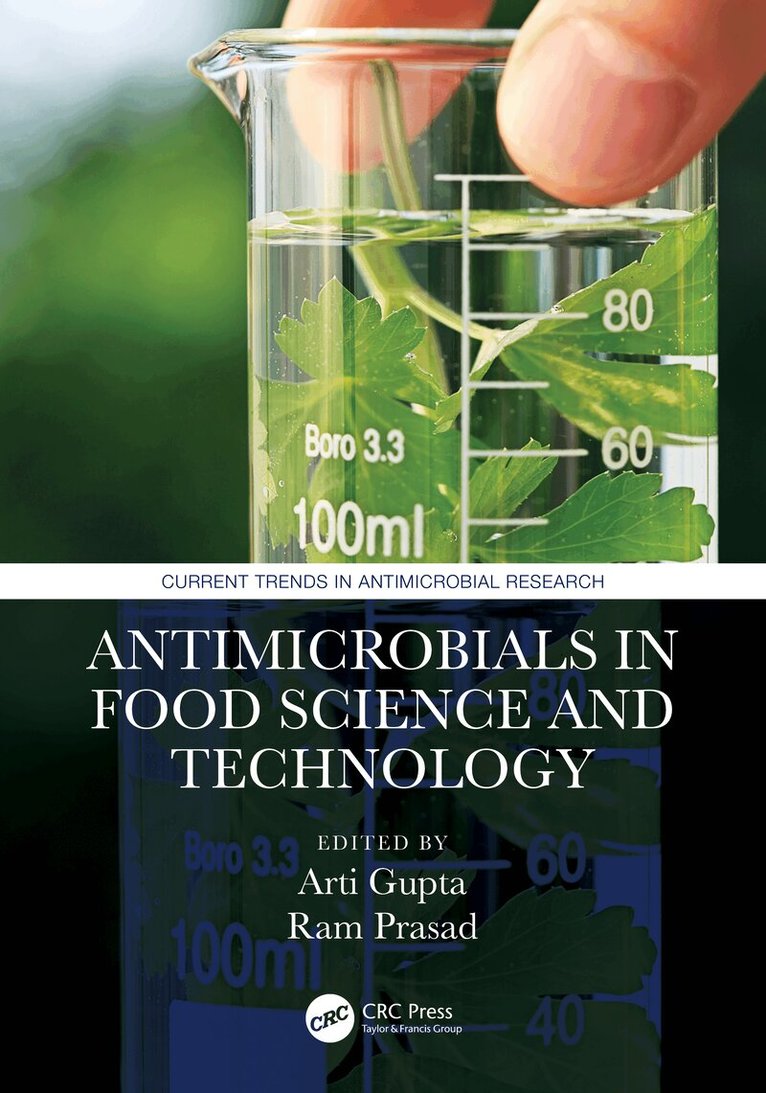
The demands of producing high-quality, pathogen-free food rely increasingly on natural sources of antimicrobials to inhibit food spoilage organisms, foodborne pathogens, and toxins. The recent developments and innovations of new antimicrobials from natural sources for a wide range of applications require that knowledge of traditional sources for food antimicrobials is combined with the latest technologies in identification, characterization, and applications. This book explores novel, natural sources of antimicrobials as well as the latest developments in using well-known antimicrobials in food, covering antimicrobials derived from microbial sources, animal-derived products, plants, and value-added products. This book includes the development and use of natural antimicrobials for processed and fresh food products. New and emerging technologies concerning antimicrobials are also discussed.
This bookconsiders recent developments and innovations in food technology in combating infectious diseases and explores advances in antimicrobial constituents and their applications in the fight against microbes. In addition, it also provides a variety of photographs, diagrams, and tables to help illustrate the material. The novel strategies to combat antimicrobial resistance are also described, emphasizing collaborative measures of control. Advanced topics in the volume include food processing, food security, preservation, nutritional analysis, quality control, and maintenance as well as good manufacturing practices in the food industries.
Students, research scientists, academicians, and policy makers can benefit from Antimicrobials in Food Science and Technology as a resource that addresses microbial biotechnology, food microbiology, fermentation technology, ethnopharmacology, toxicology, microbial/medicinal plant products, and all disciplines related to antimicrobial research.
Features of the book:
Covers all food antimicrobials, natural and synthetic, with up-to-date research on each type Recent references on every conceivable food antimicrobial Describes recent laws and regulatory guidelines in the selection of appropriate additives for specific food products Includes innovations in natural antimicrobial value-added products Offers current and future applications of emergent antimicrobial technologies and the use of multifactorial food preservation with antimicrobials Details methods to improve antimicrobial properties to have a longer service life in combating infection909 kr
Läs direkt efter köp
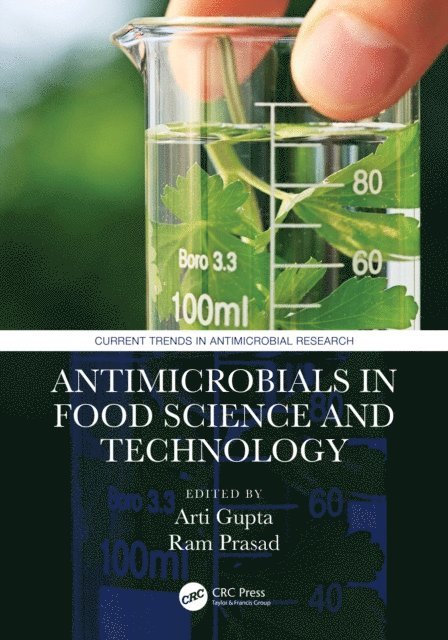
The demands of producing high-quality, pathogen-free food rely increasingly on natural sources of antimicrobials to inhibit food spoilage organisms, foodborne pathogens, and toxins. The recent developments and innovations of new antimicrobials from natural sources for a wide range of applications require that knowledge of traditional sources for food antimicrobials is combined with the latest technologies in identification, characterization, and applications. This book explores novel, natural sources of antimicrobials as well as the latest developments in using well-known antimicrobials in food, covering antimicrobials derived from microbial sources, animal-derived products, plants, and value-added products. This book includes the development and use of natural antimicrobials for processed and fresh food products. New and emerging technologies concerning antimicrobials are also discussed.
This bookconsiders recent developments and innovations in food technology in combating infectious diseases and explores advances in antimicrobial constituents and their applications in the fight against microbes. In addition, it also provides a variety of photographs, diagrams, and tables to help illustrate the material. The novel strategies to combat antimicrobial resistance are also described, emphasizing collaborative measures of control. Advanced topics in the volume include food processing, food security, preservation, nutritional analysis, quality control, and maintenance as well as good manufacturing practices in the food industries.
Students, research scientists, academicians, and policy makers can benefit from Antimicrobials in Food Science and Technology as a resource that addresses microbial biotechnology, food microbiology, fermentation technology, ethnopharmacology, toxicology, microbial/medicinal plant products, and all disciplines related to antimicrobial research.
Features of the book:
Covers all food antimicrobials, natural and synthetic, with up-to-date research on each type Recent references on every conceivable food antimicrobial Describes recent laws and regulatory guidelines in the selection of appropriate additives for specific food products Includes innovations in natural antimicrobial value-added products Offers current and future applications of emergent antimicrobial technologies and the use of multifactorial food preservation with antimicrobials Details methods to improve antimicrobial properties to have a longer service life in combating infection909 kr
Läs direkt efter köp
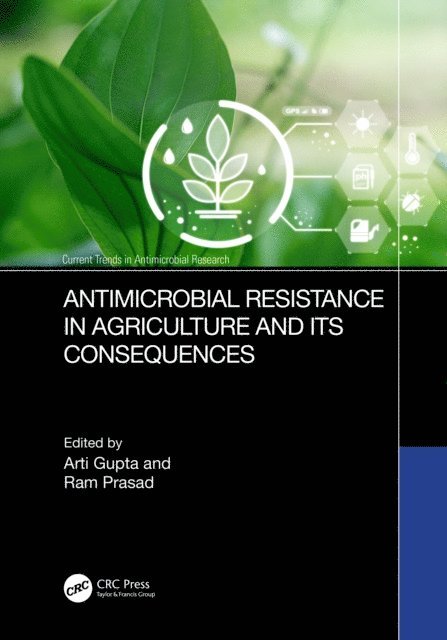
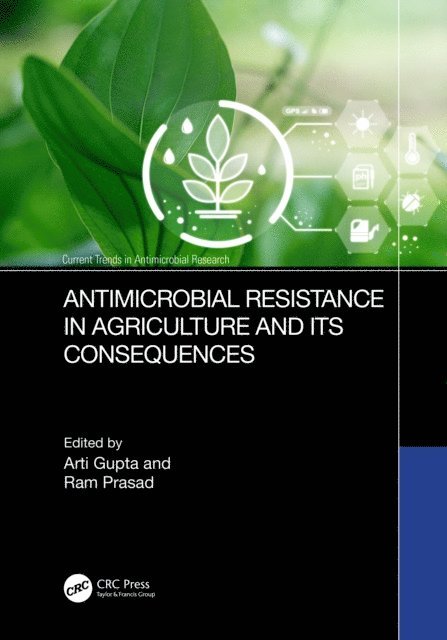
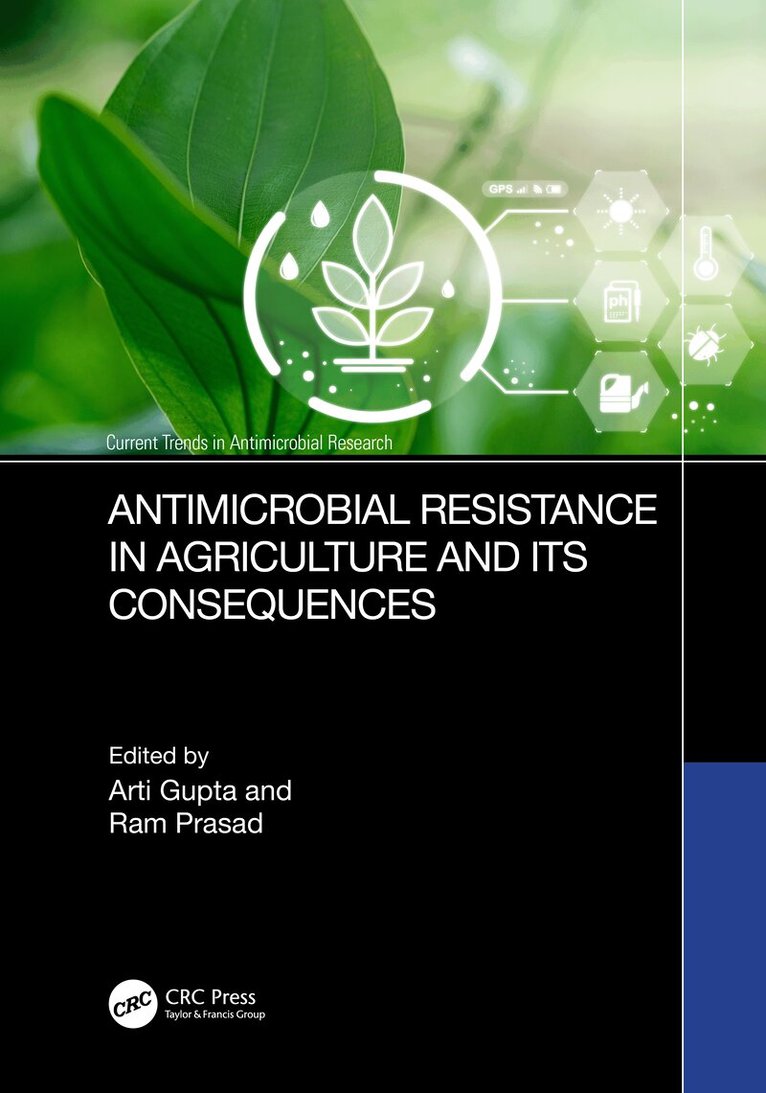
This book offers comprehensive coverage of all manifestations of resistance in combating infectious diseases and explores advances in antimicrobial resistance in agriculture and their applications in the fight against microbes. It discusses and compares biological, biochemical, and structural aspects of resistance and its evolution. This is a comprehensive tool covering all manifestations of antimicrobial resistance and microbial resistance genes. In addition, it also provides a variety of photographs, diagrams, and tables to help illustrate the material. Novel strategies to combat antimicrobial resistance are also described, emphasizing collaborative measures of control. The underlining molecular mechanisms, which depend not only on the microbe but on the specific drug (target) molecule, are highly diverse and are covered in great detail.
Students, researchers, scientists, practitioners, academics, computational biologists, stakeholders, and policymakers can benefit from using Antimicrobial Resistance in Agriculture and its Consequences as a resource that addresses microbial biotechnology, microbiology, ethnopharmacology, toxicology, medicinal plant products, and all disciplines related to antimicrobial research.
Features of the book:
Covers antimicrobial resistance in agriculture with up-to-date research Includes recent references on each plausible antimicrobial resistance in agriculture Details the possible spread of antibiotic resistance bacteria from animals to humans Provides several perspectives in the resistance flux with modern agricultural practices Describes the public health impact of the use of antibiotics in agriculture Presents cutting-edge research on epigenetics, nanotechnology, and emergent antimicrobial technologies Outlines recent laws and regulatory guidelines in the federal agency, responsibility, and authority942 kr
Läs direkt efter köp
This book offers comprehensive coverage of all manifestations of resistance in combating infectious diseases and explores advances in antimicrobial resistance in agriculture and their applications in the fight against microbes. It discusses and compares biological, biochemical, and structural aspects of resistance and its evolution. This is a comprehensive tool covering all manifestations of antimicrobial resistance and microbial resistance genes. In addition, it also provides a variety of photographs, diagrams, and tables to help illustrate the material. Novel strategies to combat antimicrobial resistance are also described, emphasizing collaborative measures of control. The underlining molecular mechanisms, which depend not only on the microbe but on the specific drug (target) molecule, are highly diverse and are covered in great detail.
Students, researchers, scientists, practitioners, academics, computational biologists, stakeholders, and policymakers can benefit from using Antimicrobial Resistance in Agriculture and its Consequences as a resource that addresses microbial biotechnology, microbiology, ethnopharmacology, toxicology, medicinal plant products, and all disciplines related to antimicrobial research.
Features of the book:
Covers antimicrobial resistance in agriculture with up-to-date research Includes recent references on each plausible antimicrobial resistance in agriculture Details the possible spread of antibiotic resistance bacteria from animals to humans Provides several perspectives in the resistance flux with modern agricultural practices Describes the public health impact of the use of antibiotics in agriculture Presents cutting-edge research on epigenetics, nanotechnology, and emergent antimicrobial technologies Outlines recent laws and regulatory guidelines in the federal agency, responsibility, and authority1 832 kr
Skickas inom 10-15 vardagar
1 762 kr
Skickas inom 10-15 vardagar
1 959 kr
Skickas inom 10-15 vardagar
1 902 kr
Skickas inom 10-15 vardagar
1 902 kr
Skickas inom 10-15 vardagar
1 621 kr
Skickas inom 10-15 vardagar
1 770 kr
Skickas inom 10-15 vardagar
1 621 kr
Skickas inom 10-15 vardagar
1 670 kr
Skickas inom 10-15 vardagar
1 653 kr
Kommande
1 764 kr
Kommande
942 kr
Läs direkt efter köp
This book offers comprehensive coverage of all manifestations of resistance in combating infectious diseases and explores advances in antimicrobials in agriculture and their applications in the fight against microbes. According to the World Health Organization, antimicrobial resistance is a major threat to global health because the number of alternative antibiotics is very limited. Antimicrobial resistance is a slow, evolutionary process that has been accelerated by human activities in the health, environment, and agriculture sectors. Due to their wide application, antibiotics and their residues have been found in almost all food products and natural ecosystems. This book appraises the drivers, impact, and mitigation of antimicrobials, with a focus on methods and targets. In addition, it also provides a variety of photographs, diagrams, and tables to help illustrate the material. The novel strategies to combat antimicrobial resistance are also described, emphasizing collaborative measures of control. The underlying molecular mechanisms, which depend not only on the microbe but on the specific drug molecule, are highly diverse and are covered in detail.
Students, researchers, scientists, practitioners, academicians, biologists, microbiologists, stakeholders, and policymakers can benefit from current trends in antimicrobials in agriculture that address microbiology, microbial biotechnology, ethnopharmacology, toxicology, natural medicinal plant products, secondary metabolites, and all disciplines related to antimicrobial research.
Features of the book:
Covers antimicrobials in agriculture with up-to-date research Recent references on plausible antimicrobials in agriculture Public health impact of the use of antibiotics in agriculture Antimicrobial efficacy of medicinal plants Role of phytoalexins in agriculture Nanoparticles as antimicrobial agents Presents cutting-edge research on microbiology, nanotechnology, and emergent antimicrobial technologies942 kr
Läs direkt efter köp
This book offers comprehensive coverage of all manifestations of resistance in combating infectious diseases and explores advances in antimicrobials in agriculture and their applications in the fight against microbes. According to the World Health Organization, antimicrobial resistance is a major threat to global health because the number of alternative antibiotics is very limited. Antimicrobial resistance is a slow, evolutionary process that has been accelerated by human activities in the health, environment, and agriculture sectors. Due to their wide application, antibiotics and their residues have been found in almost all food products and natural ecosystems. This book appraises the drivers, impact, and mitigation of antimicrobials, with a focus on methods and targets. In addition, it also provides a variety of photographs, diagrams, and tables to help illustrate the material. The novel strategies to combat antimicrobial resistance are also described, emphasizing collaborative measures of control. The underlying molecular mechanisms, which depend not only on the microbe but on the specific drug molecule, are highly diverse and are covered in detail.
Students, researchers, scientists, practitioners, academicians, biologists, microbiologists, stakeholders, and policymakers can benefit from current trends in antimicrobials in agriculture that address microbiology, microbial biotechnology, ethnopharmacology, toxicology, natural medicinal plant products, secondary metabolites, and all disciplines related to antimicrobial research.
Features of the book:
Covers antimicrobials in agriculture with up-to-date research Recent references on plausible antimicrobials in agriculture Public health impact of the use of antibiotics in agriculture Antimicrobial efficacy of medicinal plants Role of phytoalexins in agriculture Nanoparticles as antimicrobial agents Presents cutting-edge research on microbiology, nanotechnology, and emergent antimicrobial technologies942 kr
Läs direkt efter köp
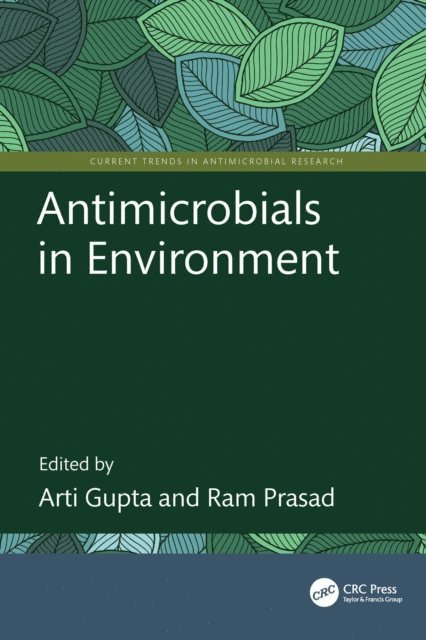
This book provides a multidisciplinary coverage of all manifestations of antimicrobials and antimicrobial resistance technology to promote eco-friendly processes and techniques for environmental sustainability. It covers various aspects of the multidisciplinary framework, applying principles of microbiology, environmental toxicology, and chemistry to assess the human and ecological risks associated with exposure to antibiotics or antibiotic resistance genes that are environmental contaminants. In addition, it also provides a variety of photographs, diagrams, and tables to help illustrate the material. Bringing together contributions from researchers on different continents with expertise in antibiotic resistance in a range of diverse environmental sections, the book offers a detailed reflection on the paths that make antibiotic resistance a global threat, and the state-of-the-art in antibiotic resistance surveillance and risk assessment in complex environmental conditions.
Students, researchers, scientists, environmentalists, academics, computational biologists, stakeholders, and policymakers can benefit from using Antimicrobials in Environment as a resource that addresses microbial biotechnology, microbiology, toxicology, and all disciplines related to antimicrobial research.
Features of the book:
Covers antimicrobial resistance in the environment with up-to-date research. Includes recent references on each plausible antimicrobial resistance in the environment. Details the possible spread of antibiotic-resistant bacteria from an ecosystem. Describes the public health impact of the use of antibiotics in the environment. Presents cutting-edge research on nanotechnology, especially in food packaging, and emergent antimicrobial technologies. Highlights the antibiotic resistance in the environment: challenges and outlook.942 kr
Läs direkt efter köp
This book provides a multidisciplinary coverage of all manifestations of antimicrobials and antimicrobial resistance technology to promote eco-friendly processes and techniques for environmental sustainability. It covers various aspects of the multidisciplinary framework, applying principles of microbiology, environmental toxicology, and chemistry to assess the human and ecological risks associated with exposure to antibiotics or antibiotic resistance genes that are environmental contaminants. In addition, it also provides a variety of photographs, diagrams, and tables to help illustrate the material. Bringing together contributions from researchers on different continents with expertise in antibiotic resistance in a range of diverse environmental sections, the book offers a detailed reflection on the paths that make antibiotic resistance a global threat, and the state-of-the-art in antibiotic resistance surveillance and risk assessment in complex environmental conditions.
Students, researchers, scientists, environmentalists, academics, computational biologists, stakeholders, and policymakers can benefit from using Antimicrobials in Environment as a resource that addresses microbial biotechnology, microbiology, toxicology, and all disciplines related to antimicrobial research.
Features of the book:
Covers antimicrobial resistance in the environment with up-to-date research. Includes recent references on each plausible antimicrobial resistance in the environment. Details the possible spread of antibiotic-resistant bacteria from an ecosystem. Describes the public health impact of the use of antibiotics in the environment. Presents cutting-edge research on nanotechnology, especially in food packaging, and emergent antimicrobial technologies. Highlights the antibiotic resistance in the environment: challenges and outlook.909 kr
Läs direkt efter köp
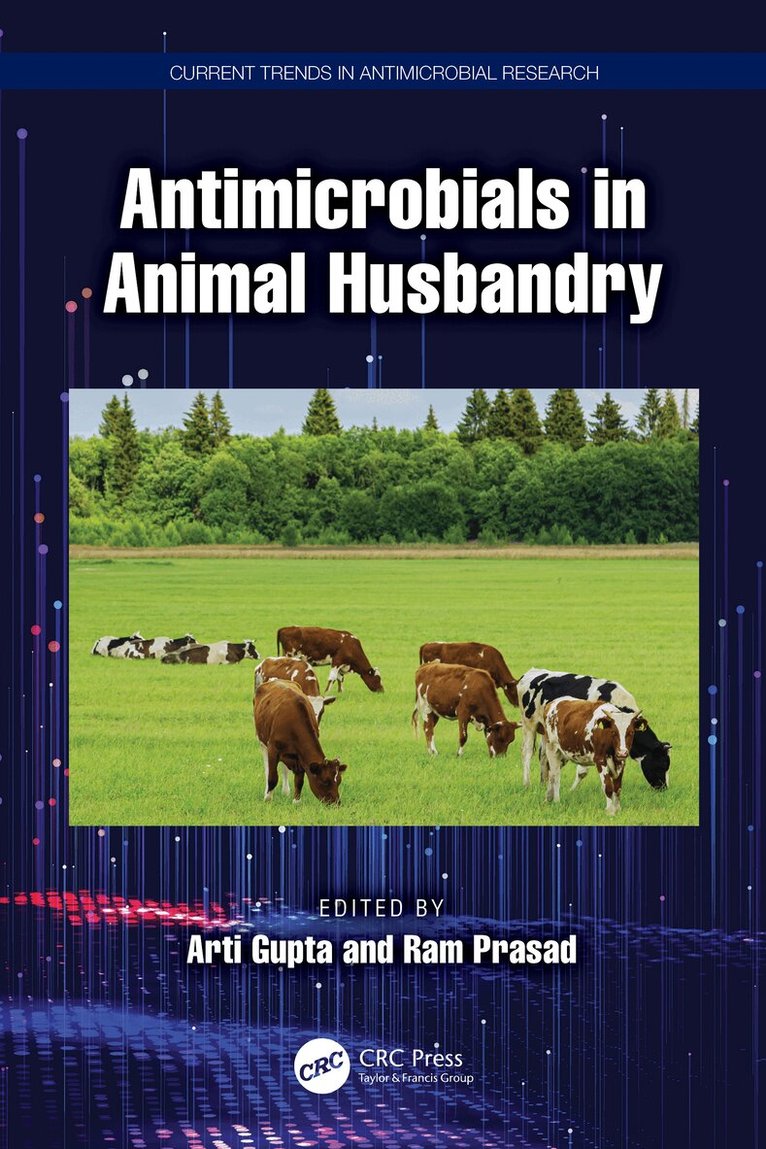
Using antibiotics to promote growth, increase feed efficiency, and reduce mortality in indoor poultry farming is unsustainable and has been implicated in increased antibiotic resistance in humans. The use of antibiotics in food-producing animals is recognized as favoring the development of antibiotic resistance, and the ongoing emergence of antibiotic-resistant bacteria is a public health issue of increasing concern. The concern is that current life-saving antibiotics are becoming less effective. The requirement is for more toxic and costly antibiotics, reducing the available alternatives. Antibiotic use is significant in the emerging public health crisis of antibiotic resistance. Although most antibiotic use occurs in agricultural settings, relatively little attention has been paid to how antibiotic use in farm animals contributes to the overall problem of antibiotic resistance. The global spread of antimicrobial-resistant pathogenic bacteria is a continuing challenge to the healthcare of humans and domesticated animals.
This book discusses antimicrobial resistance mechanisms relevant to food-producing animals. Students, researchers, scientists, environmentalists, veterinary practitioners, academicians, stakeholders, and policymakers can benefit from using Antimicrobials in Animal Husbandry as a resource that addresses microbial biotechnology, microbiology, toxicology, and all disciplines related to antimicrobial research.
Features of the book:
Covers antimicrobial resistance in animal husbandry with up-to-date research Describes the public health impact of the use of antibiotics in animal husbandry Includes recent references on each plausible antimicrobial resistance in human and animal health Describes the impact of improper use of antimicrobials on animal production Develops strategies for alternatives to antimicrobial application in food animals Aims to minimize the health-related problems of consumers resulting from antimicrobial residues in food-producing animals909 kr
Läs direkt efter köp
Using antibiotics to promote growth, increase feed efficiency, and reduce mortality in indoor poultry farming is unsustainable and has been implicated in increased antibiotic resistance in humans. The use of antibiotics in food-producing animals is recognized as favoring the development of antibiotic resistance, and the ongoing emergence of antibiotic-resistant bacteria is a public health issue of increasing concern. The concern is that current life-saving antibiotics are becoming less effective. The requirement is for more toxic and costly antibiotics, reducing the available alternatives. Antibiotic use is significant in the emerging public health crisis of antibiotic resistance. Although most antibiotic use occurs in agricultural settings, relatively little attention has been paid to how antibiotic use in farm animals contributes to the overall problem of antibiotic resistance. The global spread of antimicrobial-resistant pathogenic bacteria is a continuing challenge to the healthcare of humans and domesticated animals.
This book discusses antimicrobial resistance mechanisms relevant to food-producing animals. Students, researchers, scientists, environmentalists, veterinary practitioners, academicians, stakeholders, and policymakers can benefit from using Antimicrobials in Animal Husbandry as a resource that addresses microbial biotechnology, microbiology, toxicology, and all disciplines related to antimicrobial research.
Features of the book:
Covers antimicrobial resistance in animal husbandry with up-to-date research Describes the public health impact of the use of antibiotics in animal husbandry Includes recent references on each plausible antimicrobial resistance in human and animal health Describes the impact of improper use of antimicrobials on animal production Develops strategies for alternatives to antimicrobial application in food animals Aims to minimize the health-related problems of consumers resulting from antimicrobial residues in food-producing animals909 kr
Läs direkt efter köp
1 921 kr
Läs direkt efter köp
1 938 kr
Läs direkt efter köp
836 kr
Läs direkt efter köp
836 kr
Läs direkt efter köp
1 938 kr
Läs direkt efter köp
942 kr
Läs direkt efter köp