Bruno Losito – författare
Visar alla böcker från författaren Bruno Losito. Handla med fri frakt och snabb leverans.
8 produkter
8 produkter
Inbunden, Engelska, 2023
396 kr
Skickas
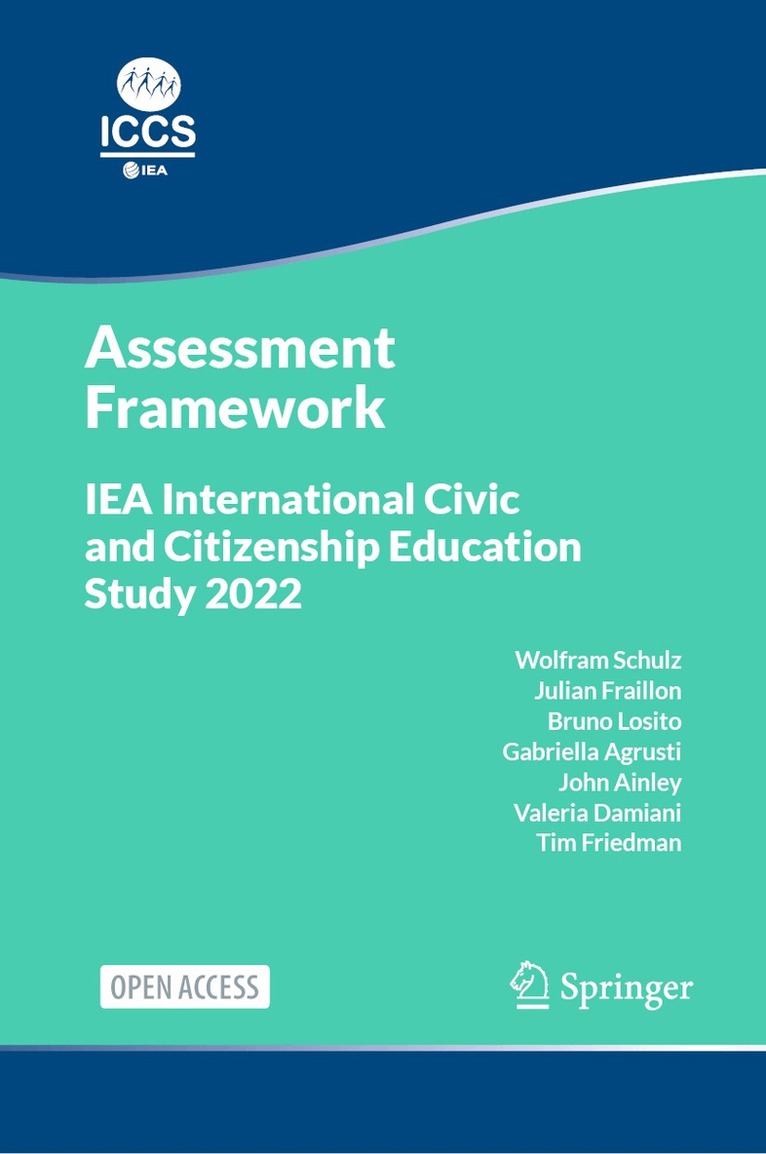
This open access publication outlines the underlying framework for gathering data on civic knowledge, attitudes, and engagement as well as contextual information, and it describes the assessment design for the International Association for the Evaluation of Educational Achievement’s (IEA) International Civic and Citizenship Education Study 2022.The IEA International Civic and Citizenship Study (ICCS) investigates how young people are prepared to undertake their roles as citizens in a range of countries in the second decade of the 21st century. ICCS 2022 is a continuation of two earlier IEA studies, ICCS 2009 and ICCS 2016, and, for the first time, this survey includes the option of a computer-based assessment. Responding to enduring and emerging challenges of educating young people in a world where contexts of democracy and civic participation continue to change, the study addresses issues related to young people’s engagement through digital technologies, migration and diversity, perceptions of the political system, global citizenship, and education for sustainable development. Over the past 50 years, IEA has conducted comparative research studies in a range of domains focusing on educational policies, practices, and outcomes in many countries around the world. Prior to ICCS 2022, IEA conducted four international comparative studies of civic and citizenship education, with a first survey implemented in 1971, a second one in 1999, third in 2009 and fourth in 2016. ICCS 2022 data will allow education systems to evaluate the strengths of educational policies, both internationally, and in a regional context, and to measure progress in achieving critical components of their educational policy agendas.
Häftad, Engelska, 2023
428 kr
Skickas inom 10-15 vardagar
This open access publication outlines the underlying framework for gathering data on civic knowledge, attitudes, and engagement as well as contextual information, and it describes the assessment design for the International Association for the Evaluation of Educational Achievement’s (IEA) International Civic and Citizenship Education Study 2022.The IEA International Civic and Citizenship Study (ICCS) investigates how young people are prepared to undertake their roles as citizens in a range of countries in the second decade of the 21st century. ICCS 2022 is a continuation of two earlier IEA studies, ICCS 2009 and ICCS 2016, and, for the first time, this survey includes the option of a computer-based assessment. Responding to enduring and emerging challenges of educating young people in a world where contexts of democracy and civic participation continue to change, the study addresses issues related to young people’s engagement through digital technologies, migration and diversity, perceptions of the political system, global citizenship, and education for sustainable development. Over the past 50 years, IEA has conducted comparative research studies in a range of domains focusing on educational policies, practices, and outcomes in many countries around the world. Prior to ICCS 2022, IEA conducted four international comparative studies of civic and citizenship education, with a first survey implemented in 1971, a second one in 1999, third in 2009 and fourth in 2016. ICCS 2022 data will allow education systems to evaluate the strengths of educational policies, both internationally, and in a regional context, and to measure progress in achieving critical components of their educational policy agendas.
Inbunden, Engelska, 2024
533 kr
Skickas inom 10-15 vardagar
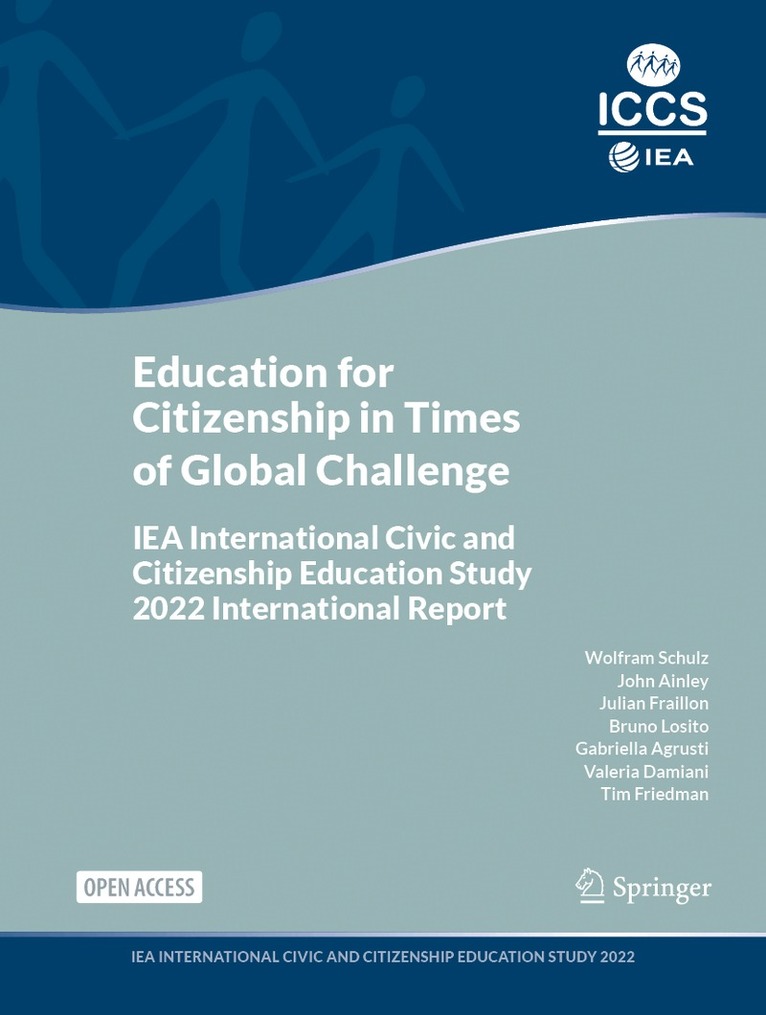
This open access book investigates the ways in which young people around the world are prepared to undertake their roles as citizens. It presents the international results from the third cycle of the study IEA’s International Civic and Citizenship Education Study (ICCS 2022). Based on data from 24 countries or benchmarking participants from Europe, Latin America, and Asia, ICCS 2022 studies contexts for and learning outcomes of civic and citizenship education in a wide range of national contexts at the beginning of the third decade of the 21st Century. It responds to both enduring and emerging challenges of educating young people in a world where contexts of democracy and civic participation continue to change. The study addresses issues related to young people’s engagement through digital technologies, migration and diversity, perceptions of the political system, global citizenship, and education for sustainable development. Further, it contains data that reflects civic-related aspects of recent developments such as students’ perceptions of restrictions in response to national emergencies and their trust in scientists. Over the past 50 years, the IEA has conducted comparative research studies in a range of domains focusing on educational policies, practices, and outcomes in many countries around the world. Prior to ICCS 2022, the IEA had conducted four international comparative studies of civic and citizenship education, with a first survey implemented in 1971, a second in 1999, a third in 2009 and a fourth in 2016. ICCS 2022 data allows education systems to evaluate the strengths of educational policies, from a comparative perspective, and to measure progress in achieving critical social objectives of their educational policy agendas.
Häftad, Engelska, 2024
428 kr
Skickas inom 10-15 vardagar
This open access book investigates the ways in which young people around the world are prepared to undertake their roles as citizens. It presents the international results from the third cycle of the study IEA’s International Civic and Citizenship Education Study (ICCS 2022). Based on data from 24 countries or benchmarking participants from Europe, Latin America, and Asia, ICCS 2022 studies contexts for and learning outcomes of civic and citizenship education in a wide range of national contexts at the beginning of the third decade of the 21st Century. It responds to both enduring and emerging challenges of educating young people in a world where contexts of democracy and civic participation continue to change. The study addresses issues related to young people’s engagement through digital technologies, migration and diversity, perceptions of the political system, global citizenship, and education for sustainable development. Further, it contains data that reflects civic-related aspects of recent developments such as students’ perceptions of restrictions in response to national emergencies and their trust in scientists. Over the past 50 years, the IEA has conducted comparative research studies in a range of domains focusing on educational policies, practices, and outcomes in many countries around the world. Prior to ICCS 2022, the IEA had conducted four international comparative studies of civic and citizenship education, with a first survey implemented in 1971, a second in 1999, a third in 2009 and a fourth in 2016. ICCS 2022 data allows education systems to evaluate the strengths of educational policies, from a comparative perspective, and to measure progress in achieving critical social objectives of their educational policy agendas.
Häftad, Engelska, 2024
428 kr
Skickas inom 10-15 vardagar
This open access report presents the European results from the third cycle (2022) of the IEA International Civic and Citizenship Education Study (ICCS). Eighteen countries and two benchmarking participants (the German states of North Rhine-Westphalia and Schleswig-Holstein) administered the European student questionnaire to target grade students. The purpose of the European student questionnaire is to explore specific European-related civic and citizenship issues derived from the overarching ICCS 2022 assessment framework. It includes questions on students’ opinions on European-related civic and citizenship issues such as students’ sense of European identity, students’ opportunities for learning about Europe, students’ attitudes toward free movement of European citizens, the European Union, and cooperation among European countries. It also includes questions on students’ sustainable behaviors and those related to political consumerism.ICCS 2022 data allows education systems to evaluate the strengths of educational policies, and measure progress in their educational policies.
Häftad, Engelska, 2016
533 kr
Skickas inom 10-15 vardagar
The International Civic and Citizenship Education Study (ICCS) investigates the ways in which young people are prepared to undertake their roles as citizens in a range of countries in the second decade of the 21st century. ICCS 2016 is a continuation of a study initiated in 2009. This document outlines the framework and assessment design for the ICCS 2016. ICCS 2016 will report on student knowledge and understanding of key aspects of civics and citizenship, as well as student attitudes to, and engagement with, civic life. This survey is intended to respond to enduring and emerging challenges of educating young people in a world where contexts of democracy and civic participation continue to change. New developments include the increase in the use of social media as a tool for civic engagement, growing concerns about global threats and sustainable development, as well as recognition of the role of schools in fostering peaceful ways of interaction between young people.
Häftad, Engelska, 2018
549 kr
Skickas inom 10-15 vardagar
This open access book presents findings from 15 European countries participating in the second cycle of the IEA International Civic and Citizenship Education Study (ICCS 2016). The study investigates the ways in which young people are prepared to undertake their roles as citizens in a range of countries in the second decade of the 21st century. It responds to new and persisting challenges in the area of civic and citizenship education. The main results presented in this book are based on data collected using a European student questionnaire and provide insights into lower-secondary students’ views on European identity (such as whether they identify as European, or have opportunities to learn about Europe in school), perceptions of freedom of movement and immigration (such as attitudes toward immigration, restriction of freedom of movement, and the freedom of European citizens to live and work across Europe), and perceptions of Europe and its future (such as views on European cooperation, expectations regarding Europe’s future, and attitudes toward the European Union). For the 12 countries that participated in the previous cycle (ICCS 2009), ICCS 2016 reveals changes in young people’s perceptions of immigration and European identity between 2009 and 2016. Test and questionnaire data from the international core study are used to review the extent to which region-specific perceptions are related to other factors, such as students’ level of civic knowledge and social or educational contexts.
Häftad, Engelska, 2018
549 kr
Skickas inom 10-15 vardagar
This open access book presents the results from the second cycle of the IEA International Civic and Citizenship Education Study (ICCS 2016). Using data from 24 countries in Asia, Europe and Latin America, the study investigates the ways in which young people are prepared to undertake their roles as citizens in a range of countries in the second decade of the 21st century. It also responds to the enduring and emerging challenges of educating young people in a world where contexts of democracy and civic participation continue to change. New developments of this kind include the increase in the use of social media by young people as a tool for civic engagement, growing concerns about global threats and sustainable development, as well as the role of schools in fostering peaceful ways of interaction between young people. Besides enabling the evaluation of a wide range of aspects of civic and citizenship education, including those related to recent developments in a number of countries,the inclusion of test and questionnaire material from the first cycle of the study in 2009 allows the results from ICCS 2016 to be used to examine changes in civic knowledge, attitudes and engagement over seven years.