C. Tara Satyavathi - Böcker
Visar alla böcker från författaren C. Tara Satyavathi. Handla med fri frakt och snabb leverans.
5 produkter
5 produkter
Del 118 - Agronomy Monographs
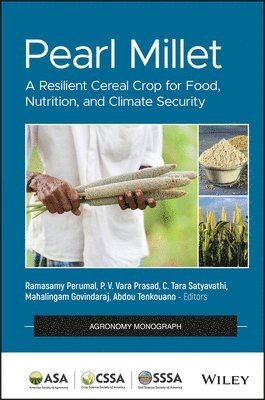
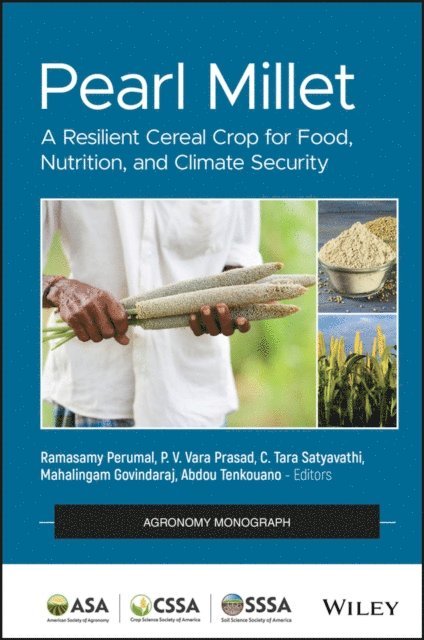
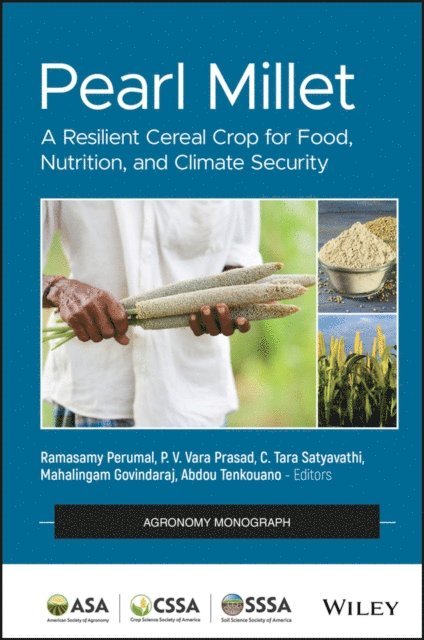
Pearl Millet
A Resilient Cereal Crop for Food, Nutrition, and Climate Security
Inbunden, Engelska, 2024
1 181 kr
Skickas inom 7-10 vardagar
In this age of climate change, discover how pearl millet is considered a viable alternative cereal crop for semi-arid and hot areas Pearl millet, a warm-season, dryland cereal crop, is a staple food for over 90 million people in Africa and Asia. Its nutritional superiority relative to other cereal crops, such as rice, wheat, maize, and sorghum, and its hardiness and adaptability to harsh environments and poor soils make it a potentially life-saving resource for poor populations and/or areas hit by damaging climatic conditions. With climate change Placing an ever-greater strain on global agrifood systems, pearl millet has never been a more important crop in the fight against poverty, hunger, and malnutrition. Pearl Millet offers a thorough introduction to this potentially vital grain. Coming on the heels of a 2023 United Nations declaration of the “International Year of Millets,” it is a crucial intervention in an essential humanitarian project. It is the first comprehensive book on the subject to appear in print. Key Features: Analysis of a potential lead crop for climate-change-affected areasDetailed coverage of all pearl millet’s unique features, such as inherent genetic diversity, gluten free applications, and suitability for double croppingAn author team with vast research and crop development experiencePearl Millet is ideal for advanced undergraduate and graduate students, certified and practicing professionals, as well as industry and academic researchers.
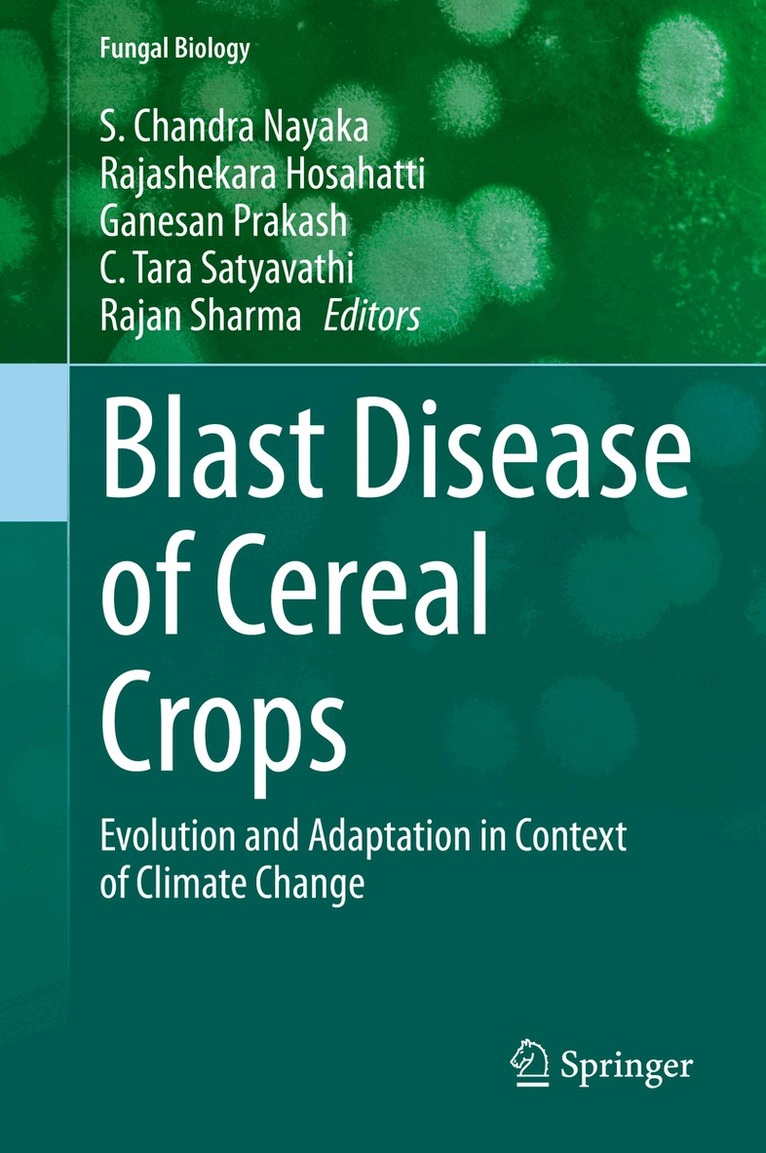
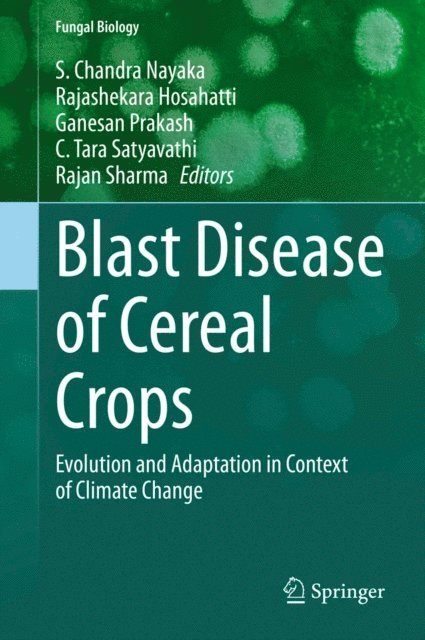
Blast Disease of Cereal Crops
Evolution and Adaptation in Context of Climate Change
Inbunden, Engelska, 2021
1 584 kr
Skickas inom 10-15 vardagar
Blast is an important foliar disease that infects the majority of cereal crops like rice, finger millet, pearl millet, foxtail millet and wheat, and thus resulting in a huge economic impact. The pathogen is responsible for causing epidemics in many crops and commonly shifts to new hosts. Magnaporthe spp. is the most prominent cause of blast disease on a broad host range of grasses including rice as well as other species of poaceae family. To date, 137 members of Poaceae hosting this fungus have been described in Fungal Databases. This book provides information on all blast diseases of different cereal crops. The pathogen evolves quickly due to its high variability, and thus can quickly adapt to new cultivars and cause an epidemic in a given crop. Some of the topics covered here include historical perspectives, pathogen evolution, host range shift, cross-infectivity, and pathogen isolation, use of chemicals fungicides, genetics and genomics, and management of blast disease in different cereal crops with adoption of suitable methodologies.In the past two decades there have been significant developments in genomics and proteomics approaches and there has been substantial and rapid progress in the cloning and mapping of R genes for blast resistance, as well as in comparative genomics analysis for resolving delineation of Magnaporthe species that infect both cereals and grass species. Blast disease resistance follows a typical gene-for-gene hypothesis. Identification of new Avr genes and effector molecules from Magnaporthe spp. can be useful to understand the molecular mechanisms involved in the fast evolution of different strains of this fungal genus. Advances in these areas may help to reduce the occurrence of blast disease by the identification of potential R genes for effective deployment. Additionally, this book highlights the importance of blast disease that infects different cereal hosts in the context of climate change, and genomics approaches that may potentially help in understanding and applying new concepts and technologies that can make real impact in sustainable management of blast disease in different cereal crops.
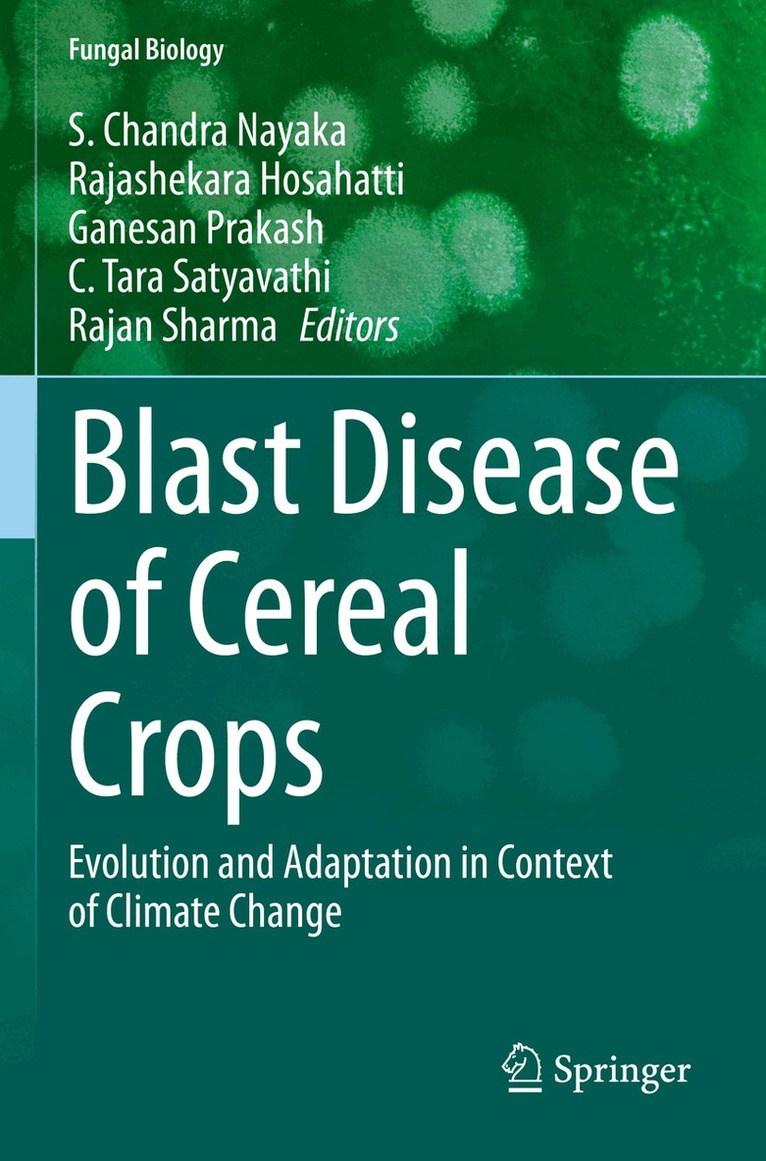
Blast Disease of Cereal Crops
Evolution and Adaptation in Context of Climate Change
Häftad, Engelska, 2022
1 584 kr
Skickas inom 10-15 vardagar
Blast is an important foliar disease that infects the majority of cereal crops like rice, finger millet, pearl millet, foxtail millet and wheat, and thus resulting in a huge economic impact. The pathogen is responsible for causing epidemics in many crops and commonly shifts to new hosts. Magnaporthe spp. is the most prominent cause of blast disease on a broad host range of grasses including rice as well as other species of poaceae family. To date, 137 members of Poaceae hosting this fungus have been described in Fungal Databases. This book provides information on all blast diseases of different cereal crops. The pathogen evolves quickly due to its high variability, and thus can quickly adapt to new cultivars and cause an epidemic in a given crop. Some of the topics covered here include historical perspectives, pathogen evolution, host range shift, cross-infectivity, and pathogen isolation, use of chemicals fungicides, genetics and genomics, and management of blast disease in different cereal crops with adoption of suitable methodologies.In the past two decades there have been significant developments in genomics and proteomics approaches and there has been substantial and rapid progress in the cloning and mapping of R genes for blast resistance, as well as in comparative genomics analysis for resolving delineation of Magnaporthe species that infect both cereals and grass species. Blast disease resistance follows a typical gene-for-gene hypothesis. Identification of new Avr genes and effector molecules from Magnaporthe spp. can be useful to understand the molecular mechanisms involved in the fast evolution of different strains of this fungal genus. Advances in these areas may help to reduce the occurrence of blast disease by the identification of potential R genes for effective deployment. Additionally, this book highlights the importance of blast disease that infects different cereal hosts in the context of climate change, and genomics approaches that may potentially help in understanding and applying new concepts and technologies that can make real impact in sustainable management of blast disease in different cereal crops.
2 110 kr
Skickas inom 10-15 vardagar
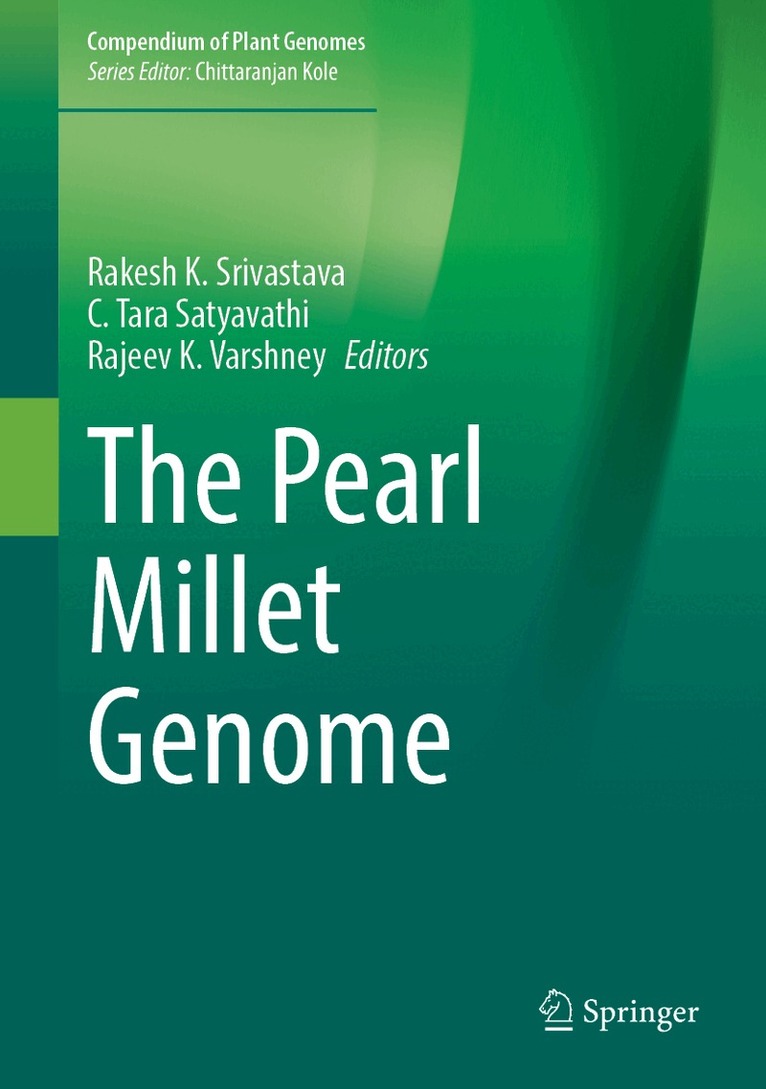
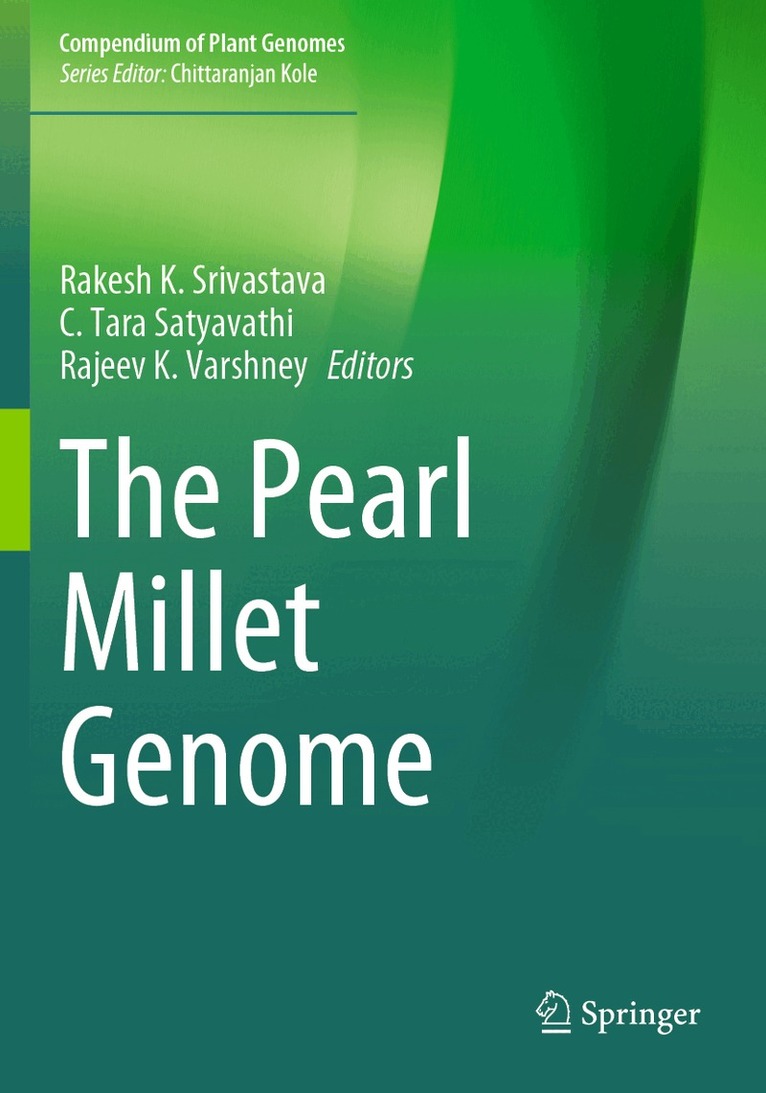
This book entitled, The Pearl Millet Genome, is the first comprehensive compilation of deliberations on history, domestication, genetic and genomic resources, traditional breeding, genetic diversity, molecular maps and mapping of important biotic stress as well as nutritional quality traits, whole genome sequencing and comparative genomics, functional genomics, genetic transformation. The economic, nutritional, and health importance of the pearl millet is also discussed. It also presents the input use efficiency and wide adaptation of the crop. Altogether, the book will contain about 200 pages over 10 chapters authored by globally reputed experts on the relevant field in this crop. This book will be useful to the students, teachers, and scientists in the academia and relevant private companies interested in genetics, pathology, molecular genetics and breeding, genetic engineering, structural and functional genomics, and nutritional quality aspects of the crop. This book will also be also useful to seed and pharmaceutical industries.
2 110 kr
Skickas inom 10-15 vardagar
This book entitled, The Pearl Millet Genome, is the first comprehensive compilation of deliberations on history, domestication, genetic and genomic resources, traditional breeding, genetic diversity, molecular maps and mapping of important biotic stress as well as nutritional quality traits, whole genome sequencing and comparative genomics, functional genomics, genetic transformation. The economic, nutritional, and health importance of the pearl millet is also discussed. It also presents the input use efficiency and wide adaptation of the crop. Altogether, the book will contain about 200 pages over 10 chapters authored by globally reputed experts on the relevant field in this crop. This book will be useful to the students, teachers, and scientists in the academia and relevant private companies interested in genetics, pathology, molecular genetics and breeding, genetic engineering, structural and functional genomics, and nutritional quality aspects of the crop. This book will also be also useful to seed and pharmaceutical industries.