Carsten Carlberg – författare
837 kr
Skickas inom 10-15 vardagar
1 022 kr
Läs direkt efter köp
The view “It’s all in our genes and we cannot change it” developed in the past 150 years since Gregor Mendel’s experiments with flowering pea plants. However, there is a special form of genetics, referred to as epigenetics, which does not involve any change of our genes but regulates how and when they are used. In the cell nucleus our genes are packed into chromatin, which is a complex of histone proteins and genomic DNA, representing the molecular basis of epigenetics. Our environment and lifestyle decisions influence the epigenetics of our cells and organs, i.e. epigenetics changes dynamically throughout our whole life. Thus, we have the chance to change our epigenetics in a positive as well as negative way and present the onset of diseases, such a type 2 diabetes or cancer.
This textbook provides a molecular explanation how our genome is connected with environmental signals. It outlines that epigenetic programming is a learning process that results in epigenetic memory in each of the cells of our body. The central importance of epigenetics during embryogenesis and cellular differentiation as well as in the process of aging and the risk for the development of cancer are discussed. Moreover, the role of the epigenome as a molecular storage of cellular events not only in the brain but also in metabolic organs and in the immune system is described.
The book represents an updated but simplified version of our textbook “Human Epigenomics” (ISBN 978-981-10-7614-8). The first five chapters explain the molecular basis of epigenetics, while the following seven chapters provide examples for the impact of epigenetics in human health and disease.
865 kr
Läs direkt efter köp
The fascinating area of Nutrigenomics describes this daily communication between our diet and our genome. This book describes how nutrition shapes human evolution and demonstrates its consequences for our susceptibility to diseases, such as diabetes and atherosclerosis. Inappropriate diet can yield stress for our cells, tissues and organs and then it is often associated with low-grade chronic inflammation. Overnutrition paired with physical inactivity leads to overweight and obesity and results in increased burden for a body that originally was adapted for a life in the savannahs of East Africa. Therefore, this textbook does not discuss a theoretical topic in science, but it talks about real life and our life-long “chat” with diet. We are all food consumers, thus each of us is concerned by the topic of this book and should be aware of its mechanisms.
The purpose of this book is to provide an overview on the principles of nutrigenomics and their relation to health or disease. The content of this book is based on the lecture course “Nutrigenomics”, which is held since 2003 once per year by Prof. Carlberg at the University of Eastern Finland in Kuopio. The book represents an updated but simplified version of our textbook “Nutrigenomics” (ISBN 978-3-319-30413-7). Besides its value as a textbook, “Nutrigenomics: how science works” will be a useful reference for individuals working in biomedicine893 kr
Skickas inom 10-15 vardagar
1 101 kr
Läs direkt efter köp
731 kr
Skickas inom 11-20 vardagar
865 kr
Läs direkt efter köp
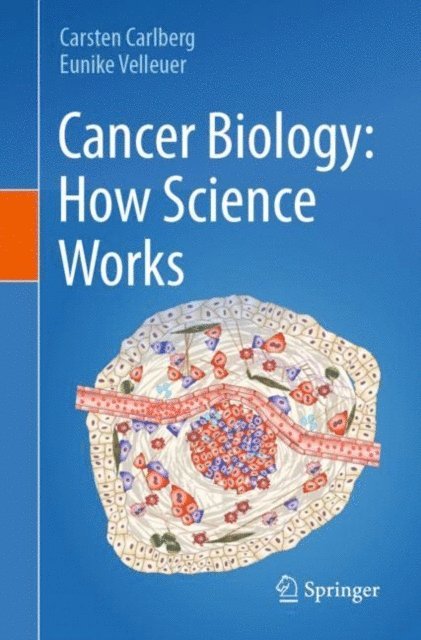
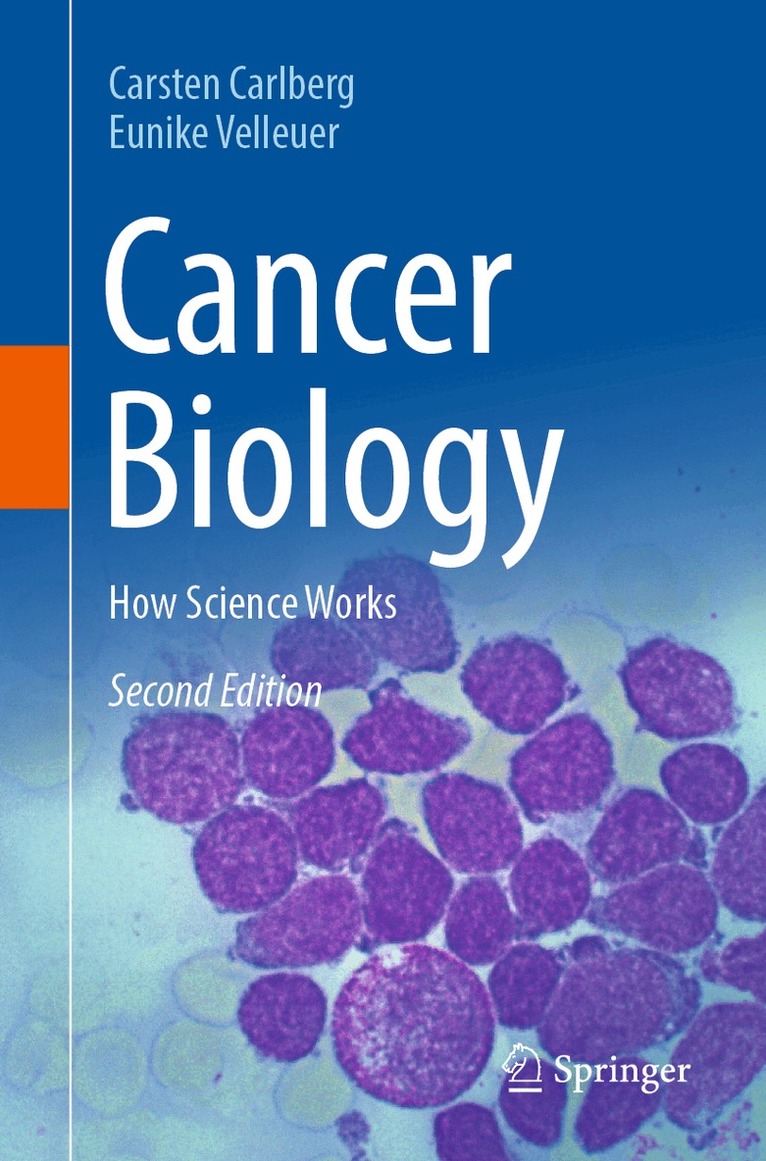
Cancer is a collection of diseases that can affect basically every organ of our body, all of which have in common uncontrolled cellular growth. The cells forming our body have the potential to grow in the context of wound healing or for the constant replacement of cells in our blood, skin or intestine. Behind every newly diagnosed malignant tumor in adulthood there is an individual history of probably 20 or more years of tumorigenesis. Therefore, malignant tumor formation often takes time making cancer in most cases to an aging-related disease that we seem not to be able to evade. However, tumorigenesis is dependent on multiple environmental influences, many of which we have under control by lifestyle decisions, such as retaining from smoking, selecting healthy food and being physically active. Thus, cancer preventive interventions are the most effective way to fight against cancer.
This textbook wants not only to describe basic mechanisms leading to cancer but also to provide the readers with a more holistic view including cancer surveaillance mechanisms of the immune system. We will place these insights in the context of the personal consequences of everyone’s lifestyle decisions. The content of the book is linked to the lecture course in “Cancer Biology”, which is given by Prof. Carlberg since 2005 at the University of Eastern Finland in Kuopio. Moreover, biological processes explained in this book will be set into a clinical context using the experience of Dr. Velleuer in the daily care in oncology. This book also relates to the textbooks “Mechanisms of Gene Regulation: How Science Works” (ISBN 978-3-030-52321-3), “Human Epigenetics: How Science Works” (ISBN 978-3-030-22907-8) and “Nutrigenomics: How Science Works” (ISBN 978-3-030-36948-4), the studying of which may be interesting to readers who like to get more detailed information.
727 kr
Skickas inom 10-15 vardagar
865 kr
Läs direkt efter köp
1 557 kr
Skickas inom 10-15 vardagar
1 879 kr
Läs direkt efter köp
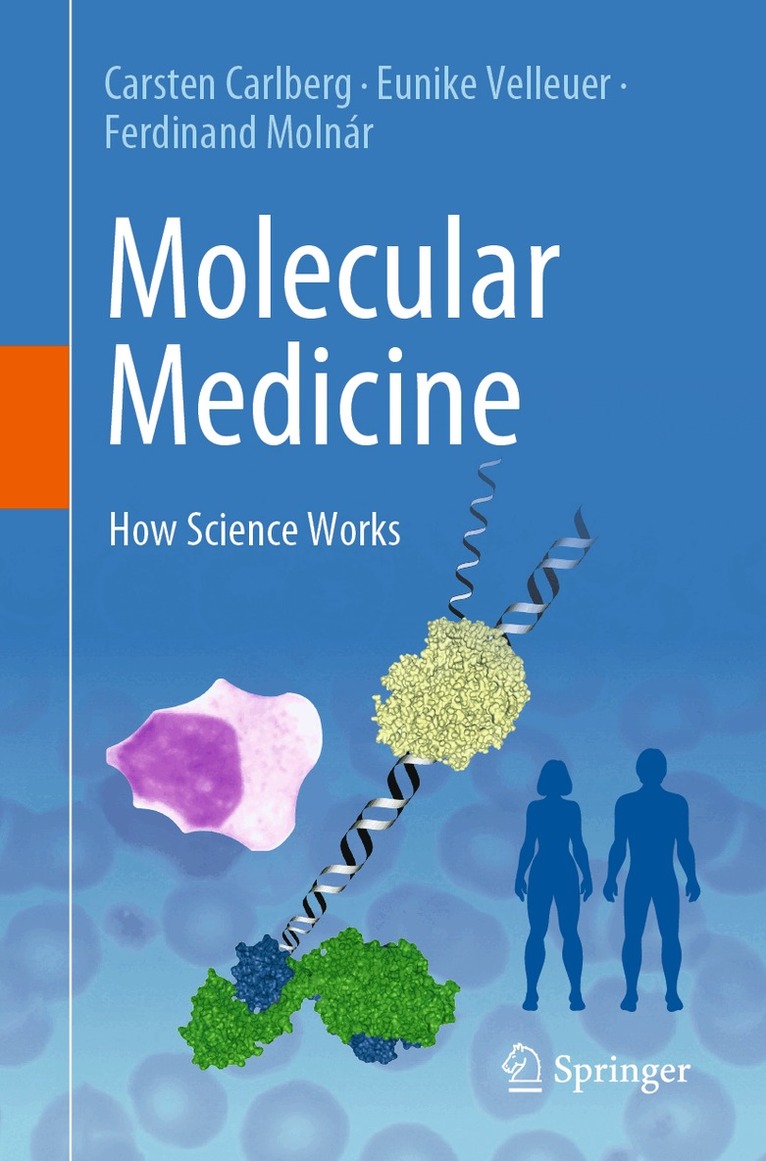
The fascinating area of molecular medicine provides a molecular and cellular description of health and disease. Starting with the understanding of gene regulation and epigenetics, i.e., the interplay of transcription factors and chromatin, this book will provide an fundamental basis of nearly all processes in physiology, both in health as well as in most common disorders, such as cancer, diabetes as well as in autoimmune diseases. Most non-communicable human diseases have a genetic (= inherited) as well as an epigenetic component. The later one is based on our lifestyle choices and environmental exposures. Many common diseases, such as type 2 diabetes, can be explained only to some 20% via a genetic predisposition. We cannot change the genes that we are born with but we can take care of the remaining 80% being primarily based on our epigenome. Therefore, there is a high level of individual responsibility for staying healthy. Thus, not only biologists and biochemists should be aware of this topic, but all students of biomedical disciplines will benefit from being introduced into the concepts of molecular medicine. This will provide them with a good basis for their specialized disciplines of modern life science research. The book is subdivided into 42 chapters that are linked to a series of lecture courses in “Molecular Medicine and Genetics”, “Molecular Immunology”, “Cancer Biology” and “Nutrigenomics” that is given by one of us (C. Carlberg) in different forms since 2002 at the University of Eastern Finland in Kuopio. This book represents an updated version and fusion of the books textbooks “Mechanisms of Gene Regulation: How Science Works” (ISBN 978-3-030-52321-3), “Human Epigenetics: How Science Works” (ISBN 978-3-030-22907-8). “Molecular Immunology: How Science Works” (ISBN 978-3-031-04024-5), “Cancer Biology: How Science Works” (ISBN 978-3-030-75699-4) and “Nutrigenomics: How Science Works” (ISBN 978-3-030-36948-4). By combining basic understanding of cellular mechanism with clinical examples, the authors hope to make this textbook a personal experience. A glossary in the appendix will explain the major specialist’s terms.
644 kr
Skickas inom 5-8 vardagar
400 kr
Skickas inom 10-15 vardagar
381 kr
Läs direkt efter köp
1 335 kr
Skickas inom 10-15 vardagar
1 730 kr
Läs direkt efter köp
Aging is a topic that concerns all of us, since none of us can escape it. The molecular and cellular process is built in every of the billions of cells forming our body. Some of these cells, such as immune cells and red blood cells, live only for a few days to weeks and get life-long constantly replaced by cells produced in the bone marrow. In contrast, there are cells, such as neurons and memory lymphocytes, that get as old as we get.
The process of aging limits our maximal life span, which is for us humans 120 years. However, only a very few individuals reached this age. How did their life differ from others that died decades earlier? Is it just the absence of life threatening disease paired with a more healthy life style? Or is it build in in our genome or epigenome? In this book we try to give answers to these questions from the perspectives of evolution, our genome, the epigenomes of our different tissues and cell types and the functionality of our cells.
We should try to understand ourselves in detail as well as in a global setting. Basic biology explains cellular mechanisms, such as growth, differentiation, and cell death, which make life as a whole possible. Every (human) organism represents a complex interplay between hundreds of different cell types forming distinctive tissues and organs with specialized tasks. These processes need to be highly orchestrated especially during development, maintenance and aging. Studying the cellular and molecular basis of aging is one of the most fascinating areas but also a great challenge. Nevertheless, research made the biggest steps in elucidating biological processes via studying malfunctions of normal mechanisms leading to different diseases, such as progeroid syndrome and cancer.
We will start this book with the understanding of the human genome in relation to principles of evolution. Then we will explain the basics of gene regulation and epigenetics, i.e., the interplay of transcription factors and chromatin. Next, we will shift to cellular mechanisms of aging and discuss then the impact of nutrition and immunity on the aging process. In the following the relation of aging to so-called aging-related common diseases, such as type 2 diabetes, atherosclerosis, cancer and Alzheimer. Do we get these diseases because we are aging or are we aging because we get one of these diseases? The book will end how we can slow down the aging process so that we can age healthy. In short, healthy aging is not an option but is a must. An ancient poem says “Teach us to number our days, that we may get a heart of wisdom.” It is up to each one of us and a daily decision to live a healthy lifestyle and to be aware of the unique gift of live we all have.
948 kr
Skickas inom 10-15 vardagar
1 179 kr
Läs direkt efter köp
This book delves into the fascinating realm of eukaryotic gene regulation. The specific expression of genes shapes the phenotype of cells and tissues. The regulation of gene expression, including up- and downregulation, is a fundamental aspect of nearly all physiological processes, both in health and disease. These dynamic processes respond to various daily challenges, such as dietary changes and infections. Therefore, it is crucial for not only biologists and biochemists but also all students in biomedical disciplines to understand gene regulation concepts. This foundational knowledge will benefit them in their specialized fields. A comprehensive understanding of transcription factors and the mechanisms that alter their activity is a fundamental goal of modern life science research.
Epigenetics refers to the packaging and accessibility of the genome in each of the trillions of cells in our bodies. The prefix “epi” (meaning “upon,” “above,” or “beyond”) indicates that epigenetic processes do not alter the DNA sequence of our genome, adding a layer of information beyond that encoded in our genome. Genomic DNA is wrapped around complexes of histone proteins, helping it fit into a cell nucleus with a diameter of less than 10 μm. This protein-DNA complex is known as chromatin.
The content of this book is linked to the “Molecular Medicine and Genetics” course, which the author has lectured on in various forms since 2002 at the University of Eastern Finland in Kuopio. This book is an updated version of the textbooks “Mechanisms of Gene Regulation” and “Human Epigenomics.” It is divided into 16 chapters. Following two introductory chapters, four chapters explore gene regulation from the perspective of transcription factors, while another four chapters focus on chromatin and non-coding RNA. Three chapters then discuss the impact of epigenetics from a health perspective, and the final three chapters address epigenetics from the perspective of diseases. A glossary in the appendix explains the major specialist terms.
837 kr
Skickas inom 10-15 vardagar
1 031 kr
Läs direkt efter köp
Now in its second edition, this concise textbook provides an overview of the field of nutrigenomics, a topic at the intersection of nutrition and genetics that explores how dietary molecules interact with our genome and epigenome to influence health and disease. Substantially updated and expanded, the book offers a fresh perspective on how diet has shaped human evolution and our susceptibility to conditions such as type 2 diabetes and cardiovascular disease.
The 11 chapters cover a wide range of topics, beginning with an overview of the role of nutrients in health and disease, basic mechanisms of nutrient sensing and nuclear receptors, and the impact of epigenetic regulation on health. Readers will discover how chromatin-modifying enzymes and energy status-sensing kinases play critical roles in signaling pathways between diet and the genome. The book also explores the influence of diet on cancer prevention, the importance of the microbiome, and low-grade chronic inflammation and aging.
Written in an accessible style, this textbook is intended for undergraduate and graduate students in nutrition, biochemistry, molecular biology, and biology as well as for students and practitioners in medicine. Numerous color illustrations aid in the transfer of knowledge by graphically summarizing complex processes. Combined with a glossary that explains key terms, this work is an indispensable resource for anyone interested in how our daily dietary choices interact with our genome.
837 kr
Skickas inom 10-15 vardagar
1 022 kr
Läs direkt efter köp
1 446 kr
Skickas inom 10-15 vardagar
1 250 kr
Läs direkt efter köp
The fascinating area of Nutrigenomics describes this daily communication between diet, food and nutrients, their metabolites and our genome. This book describes how nutrition shapes human evolution and demonstrates its consequences for our susceptibility to diseases, such as diabetes and atherosclerosis. Inappropriate diet can yield stress for our cells, tissues and organs and then it is often associated with low-grade chronic inflammation. Overnutrition paired with physical inactivity leads to overweight and obesity and results in increased burden for a body that originally was adapted for a life in the savannas of East Africa. Therefore, this textbook does not discuss a theoretical topic in science, but it talks about real life, and our life-long “chat” with diet. We are all food consumers, thus each of us is concerned by the topic of this book and should be aware of its mechanisms.
The purpose of this book is to provide an overview on the principles of nutrigenomics and their relation to health or disease. We are not aiming to compete with more comprehensive textbooks on molecular nutrition, evolutionary biology, genomics, gene regulation or metabolic diseases, but rather will focus on the essentials and will combine, in a compact form, elements from different disciplines. In order to facilitate the latter, we favor a high figure-to-text ratio following the rule “a picture tells more than thousand words”.
The content of this book is based on the lecture course “Nutrigenomics”, which is held since 2003 once per year by Prof. Carlberg at the University of Eastern Finland in Kuopio. The book is subdivided into three sections and twelve chapters. Following the "Introduction" there are sections on the "Molecular genetic basis" and the "Links to disease", which take a view on nutrigenomics from the perspective of molecular mechanisms or from the causes of metabolic diseases, respectively.
Besidesits value as a textbook, Nutrigenomics will be a usefull reference for individuals working in biomedicine.
1 003 kr
Skickas inom 10-15 vardagar
576 kr
Skickas inom 10-15 vardagar
7 358 kr
Läs direkt efter köp
292 kr
Skickas inom 3-6 vardagar
283 kr
Läs direkt efter köp
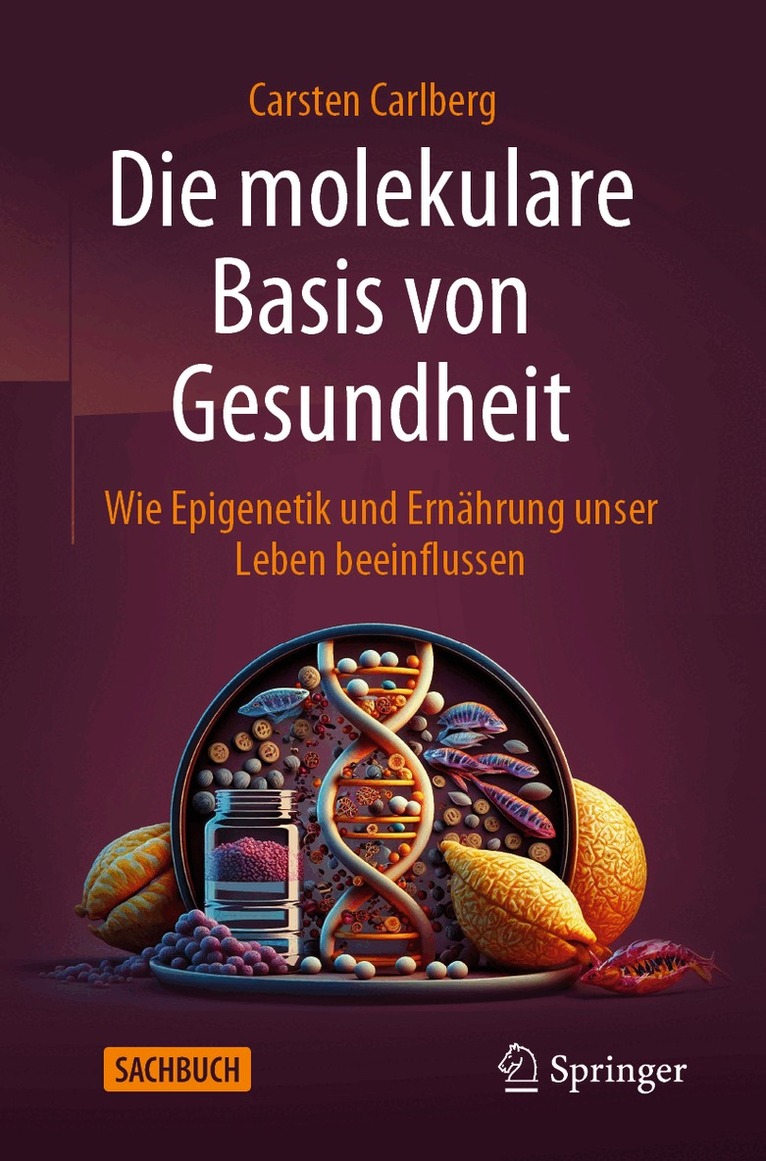
Tauchen Sie ein in die Welt der Epigenetik, die Ihnen erklärt, wie Sie Ihre Gesundheit fördern und das Beste aus sich selbst herausholen können.
Zunächst führt Sie das Werk in die molekularen Grundlagen ein, wie jede einzelne Zelle funktioniert und Information über ihre Umgebung verarbeitet. Letzteres hat sehr viel mit Epigenetik zu tun, die ein zentrales Thema in diesem Buch ist. Die Epigenetik, die für die Identität der mehr als 400 verschiedenen Zelltypen unseres Körpers entscheidend ist, hat auch einen dynamischen Aspekt. Sie lernen, wie intrazellulärer Signalübertragungswege über extrazelluläre Signale aktiviert werden und damit Transkriptionsfaktoren und Chromatin-modifizierenden Enzymen beeinflussen. Viele dieser Signale stammen direkt oder indirekt von unserer Ernährung. Letztere ist das wichtigste externe Signal, dem wir täglich ausgesetzt sind. Das führt zum zweiten zentralen Thema dieses Buches, der Nutrigenomik. Die Nahrung, die wir täglich zu uns nehmen, ist weit mehr als eine Ansammlung von Kohlenhydraten, Proteinen, Lipiden, Vitaminen und Mineralien, die Energie und Bausteine für unseren Körper liefert. Das faszinierende Fachgebiet der Nutrigenomik beschreibt die Wechselwirkung zwischen Nahrungsmolekülen, ihren Metaboliten und unserem (Epi)genom. Viele Nahrungsbestandteile, wie beispielsweise ungesättigte Fettsäuren, aktivieren direkt Transkriptionsfaktoren oder verursachen Veränderungen in den Konzentrationen von Metaboliten. Diese beeinflussen wiederum die Aktivität von Chromatin-modifizierenden Enzymen. Auf diese Weise „sprechen“ Moleküle unseres Frühstücks, Mittagessen oder Abendessen mit unserem Genom bzw. Epigenom.
Tauchen Sie ein in die faszinierende Welt der Selbstheilung und Verantwortung für Ihre Gesundheit!
369 kr
Skickas inom 10-15 vardagar