Christina Sharpe – författare
Visar alla böcker från författaren Christina Sharpe. Handla med fri frakt och snabb leverans.
13 produkter
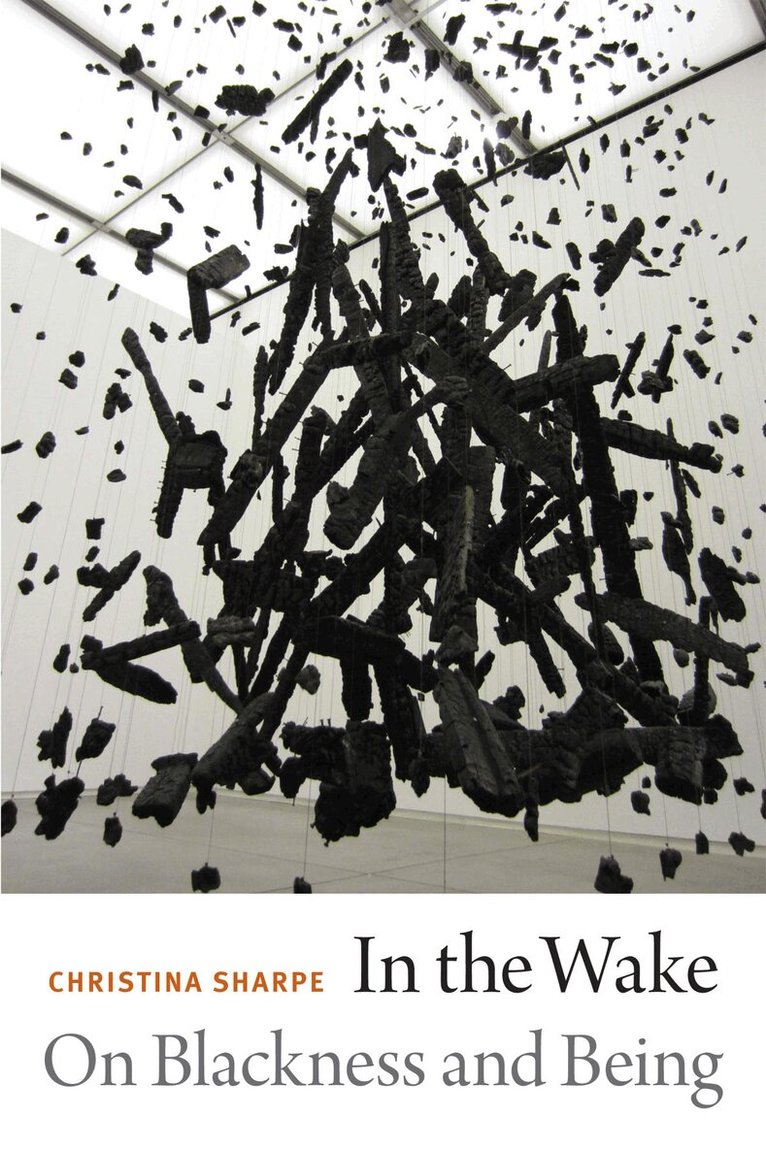
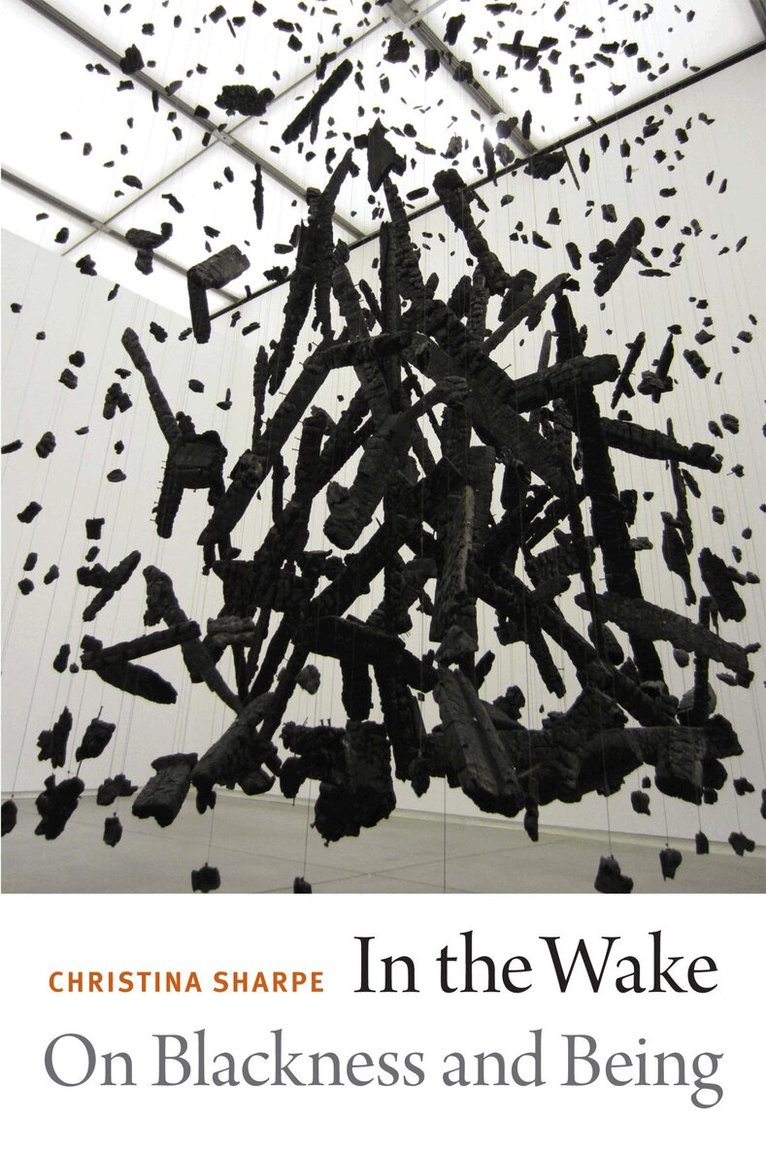
In the Wake
On Blackness and Being
Häftad, 2016
309 kr
Lägg i varukorg
In this original and trenchant work, Christina Sharpe interrogates literary, visual, cinematic, and quotidian representations of Black life that comprise what she calls the "orthography of the wake." Activating multiple registers of "wake"-the path behind a ship, keeping watch with the dead, coming …
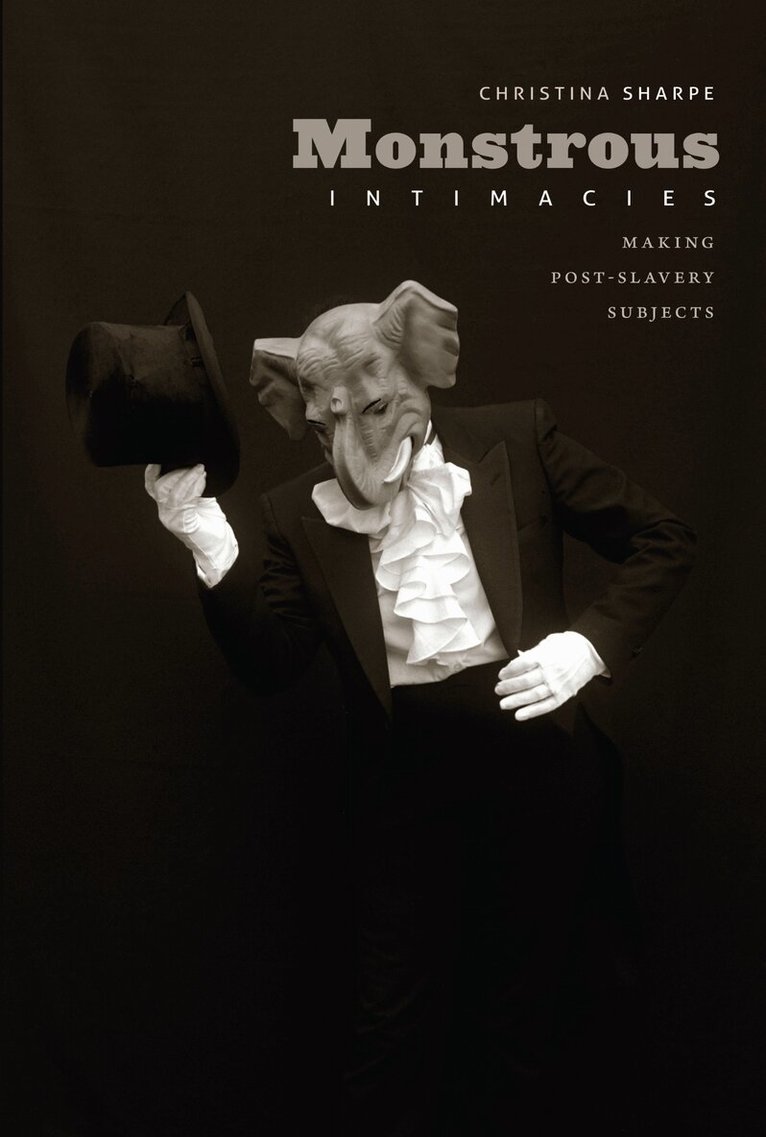
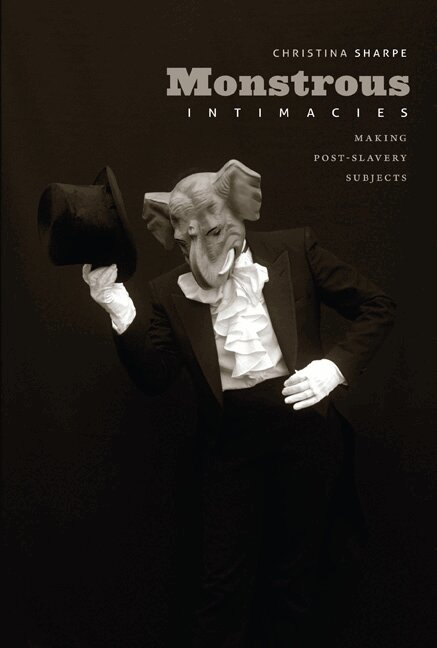
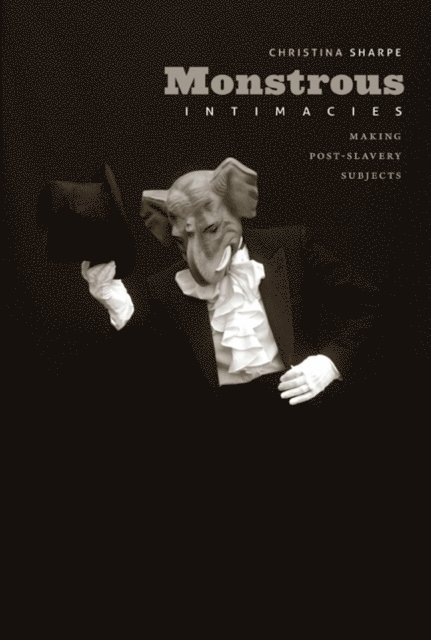
Monstrous Intimacies
Making Post-Slavery Subjects
Inbunden, 2010
1179 kr
Lägg i varukorg
Arguing that the fundamental, familiar, sexual violence of slavery and racialized subjugation have continued to shape black and white subjectivities into the present, Christina Sharpe interprets African diasporic and Black Atlantic visual and literary texts that address those “monstrous intimacies” …
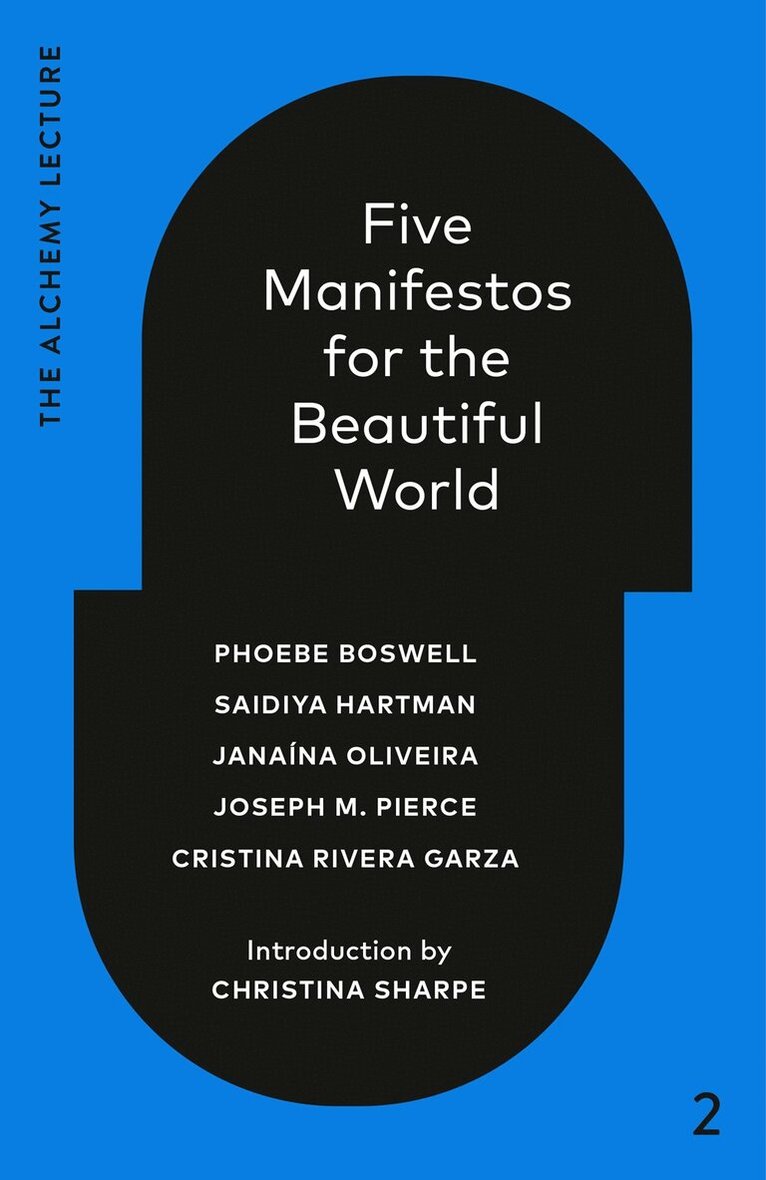
Five Manifestos for the Beautiful World
The Alchemy Lecture 2023
Av Phoebe Boswell, Saidiya Hartman m. fl.
Inbunden, 2024
244 kr
Lägg i varukorg
Five Alchemists. One book. A constellation of ideas. The second annual Alchemy Lecture was presented in November 2023 at York University to a sold out in-person audience and nearly one thousand live online viewers. Moderated by Dr. Christina Sharpe, the Alchemists—agile thinkers and practitioners …
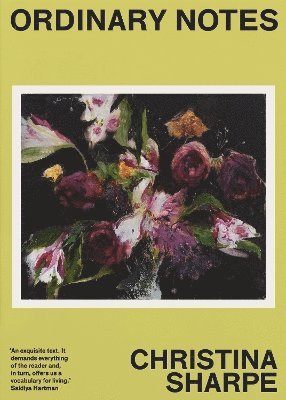
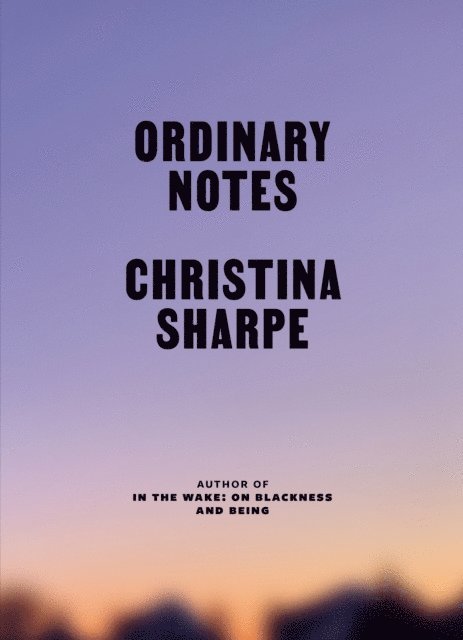
Ordinary Notes
E-bok, 2023
214 kr
Lägg i varukorg
A finalist for the National Book Award in Nonfiction A finalist for the National Book Critics Circle Award in Nonfiction Named a Best Book of 2023 by The New York Times , NPR, New York magazine, Kirkus , and Barnes and Noble The critically acclaimed author of In the Wake , “Christina Sharpe is a …
Monstrous Intimacies
Making Post-Slavery Subjects
Häftad, 2010
466 kr
Lägg i varukorg
Arguing that the fundamental, familiar, sexual violence of slavery and racialized subjugation have continued to shape black and white subjectivities into the present, Christina Sharpe interprets African diasporic and Black Atlantic visual and literary texts that address those “monstrous intimacies” …
In the Wake
On Blackness and Being
Inbunden, 2016
1291 kr
Lägg i varukorg
In this original and trenchant work, Christina Sharpe interrogates literary, visual, cinematic, and quotidian representations of Black life that comprise what she calls the "orthography of the wake." Activating multiple registers of "wake"-the path behind a ship, keeping watch with the dead, coming …
In the Wake
On Blackness and Being
E-bok, 2016
471 kr
Lägg i varukorg
In this original and trenchant work, Christina Sharpe interrogates literary, visual, cinematic, and quotidian representations of Black life that comprise what she calls the "orthography of the wake." Activating multiple registers of "wake"—the path behind a ship, keeping watch with the dead, coming …
Monstrous Intimacies
Making Post-Slavery Subjects
E-bok, 2010
524 kr
Lägg i varukorg
Arguing that the fundamental, familiar, sexual violence of slavery and racialized subjugation have continued to shape black and white subjectivities into the present, Christina Sharpe interprets African diasporic and Black Atlantic visual and literary texts that address those “monstrous intimacies” …
City of Our Dreaming
The Alchemy Lecture 2024
Av Laleh Khalili, V. Mitch McEwen m. fl.
Inbunden, 2025
244 kr
Lägg i varukorg
Four Alchemists. One book. A constellation of ideas. The third annual Alchemy Lecture took place in October 2024 at York University to a sold-out in-person audience and online viewers from multiple continents. Four Alchemists—thinkers and practitioners working across disciplines and …
Sound--at the Interregnum
Av Immanuel Wilkins, Madeleine Thien m. fl.
E-bok, 2026
419 kr
Lägg i varukorg
Ordinary Notes
Ljudbok, 2023
279 kr
Lägg i varukorg
This program is read by the author. The critically acclaimed author of In the Wake , "Christina Sharpe is a brilliant thinker who attends unflinchingly to the brutality of our current arrangements . . . and yet always finds a way to beauty and possibility" (Saidiya Hartman). A singular achievement, …
Ordinary Notes
Inbunden, 2023
369 kr
Tillfälligt slut
A finalist for the National Book Award in Nonfiction A finalist for the National Book Critics Circle Award in Nonfiction Named a Best Book of 2023 by The New York Times , NPR, New York magazine, Kirkus , and Barnes and Noble The critically acclaimed author of In the Wake , “Christina Sharpe is a …