Committee on Advanced Engineering Environments – författare
639 kr
Läs direkt efter köp
America is changing. Many of the most noticeable changes in day-to-day life are associated with the advancing capabilities of computer systems, the growing variety of tasks they can accomplish, and the accelerating rate of change. Advanced engineering environments (AEEs) combine advanced, networked computer systems with advanced modeling and simulation technologies. When more fully developed, AEEs will enable teams of researchers, technologists, designers, manufacturers, suppliers, customers, and other users scattered across a continent or the globe to develop new products and carry out new missions with unprecedented effectiveness. Business as usual, however, will not achieve this vision. Government, industry, and academic organizations need to make the organizational and process changes that will enable their staffs to use current and future AEE technologies and systems.
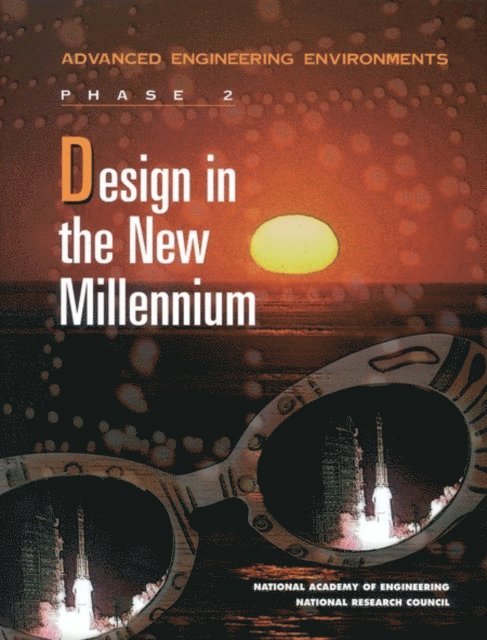
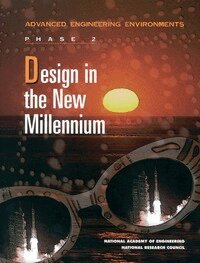
Design in the New Millennium: Advanced Engineering Environments: Phase 2 is the second part of a two-part study of advanced engineering environments. The Phase 1 report, issued in 1999, identified steps the federal government, industry, and academia could take in the near term to enhance the development of AEE technologies and systems with broad application in the U.S. engineering enterprise. Design in the New Millennium focuses on the long-term potential of AEE technologies and systems over the next 15 years. This report calls on government, industry, and academia to make major changes to current organizational cultures and practices to achieve a long-term vision that goes far beyond what current capabilities allow.
639 kr
Läs direkt efter köp
Advances in the capabilities of technologies applicable to distributed networking, telecommunications, multi-user computer applications, and interactive virtual reality are creating opportunities for users in the same or separate locations to engage in interdependent, cooperative activities using a common computer-based environment. These capabilities have given rise to relatively new interdisciplinary efforts to unite the interests of mission-oriented communities with those of the computer and social science communities to create integrated, tool-oriented computation and communication systems. These systems can enable teams in widespread locations to collaborate using the newest instruments and computing resources. The benefits are many. For example, a new paradigm for intimate collaboration between scientists and engineers is emerging. This collaboration has the potential to accelerate the development and dissemination of knowledge and optimize the use of instruments and facilities, while minimizing the time between the discovery and application of new technologies.
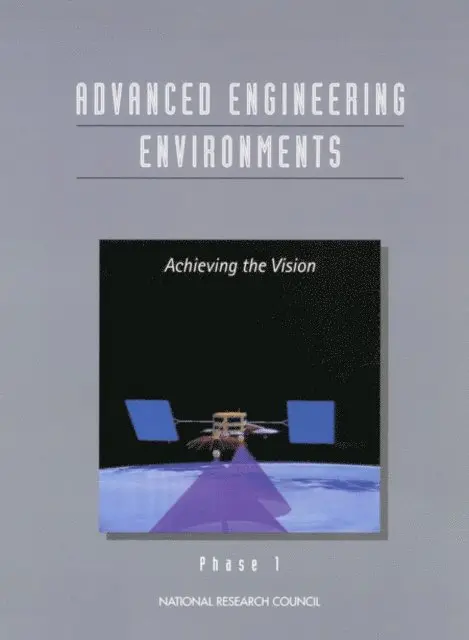
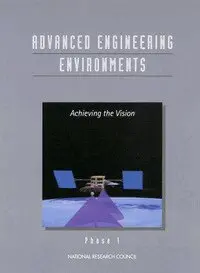
Advanced Engineering Environments: Achieving the Vision, Phase 1 describes the benefits and feasibility of ongoing efforts to develop and apply advanced engineering environments (AEEs), which are defined as particular implementations of computational and communications systems that create integrated virtual and/or distributed environments linking researchers, technologists, designers, manufacturers, suppliers, and customers.
454 kr
Läs direkt efter köp
America is changing. Many of the most noticeable changes in day-to-day life are associated with the advancing capabilities of computer systems, the growing variety of tasks they can accomplish, and the accelerating rate of change. Advanced engineering environments (AEEs) combine advanced, networked computer systems with advanced modeling and simulation technologies. When more fully developed, AEEs will enable teams of researchers, technologists, designers, manufacturers, suppliers, customers, and other users scattered across a continent or the globe to develop new products and carry out new missions with unprecedented effectiveness. Business as usual, however, will not achieve this vision. Government, industry, and academic organizations need to make the organizational and process changes that will enable their staffs to use current and future AEE technologies and systems.
Design in the New Millennium: Advanced Engineering Environments: Phase 2 is the second part of a two-part study of advanced engineering environments. The Phase 1 report, issued in 1999, identified steps the federal government, industry, and academia could take in the near term to enhance the development of AEE technologies and systems with broad application in the U.S. engineering enterprise. Design in the New Millennium focuses on the long-term potential of AEE technologies and systems over the next 15 years. This report calls on government, industry, and academia to make major changes to current organizational cultures and practices to achieve a long-term vision that goes far beyond what current capabilities allow.
454 kr
Läs direkt efter köp
Advances in the capabilities of technologies applicable to distributed networking, telecommunications, multi-user computer applications, and interactive virtual reality are creating opportunities for users in the same or separate locations to engage in interdependent, cooperative activities using a common computer-based environment. These capabilities have given rise to relatively new interdisciplinary efforts to unite the interests of mission-oriented communities with those of the computer and social science communities to create integrated, tool-oriented computation and communication systems. These systems can enable teams in widespread locations to collaborate using the newest instruments and computing resources. The benefits are many. For example, a new paradigm for intimate collaboration between scientists and engineers is emerging. This collaboration has the potential to accelerate the development and dissemination of knowledge and optimize the use of instruments and facilities, while minimizing the time between the discovery and application of new technologies.
Advanced Engineering Environments: Achieving the Vision, Phase 1 describes the benefits and feasibility of ongoing efforts to develop and apply advanced engineering environments (AEEs), which are defined as particular implementations of computational and communications systems that create integrated virtual and/or distributed environments linking researchers, technologists, designers, manufacturers, suppliers, and customers.
1 290 kr
Tillfälligt slut
1 301 kr
Tillfälligt slut