David Ledward – författare
Visar alla böcker från författaren David Ledward. Handla med fri frakt och snabb leverans.
4 produkter
4 produkter
E-bok
PDF, Engelska, 2013756 kr
Läs direkt efter köp
Upgrading Waste for Feeds and Food considers how wasted or underutilized nutrients could be recovered and upgraded in order to make more food available, either directly or through animal intermediaries. This book assesses what progress had already been made in seeking a solution to the problem of large quantities of food being wasted. The topics discussed include the world outlook for food, sources of food waste, and recovery and utilization of protein from slaughterhouse effluents by chemical precipitation. The silage production, use of microbiological agents in upgrading waste for feed and food, and underutilized proteins for beverages are also elaborated. This text likewise covers the crude pectate gelling agents in heat processed foods and utilization of food wastes as raw material in the pet-food industry. This publication is a good source for agriculturists, nutritionists, and food technologists concerned with recovering wasted food.
E-bok
Engelska, 2014916 kr
Läs direkt efter köp
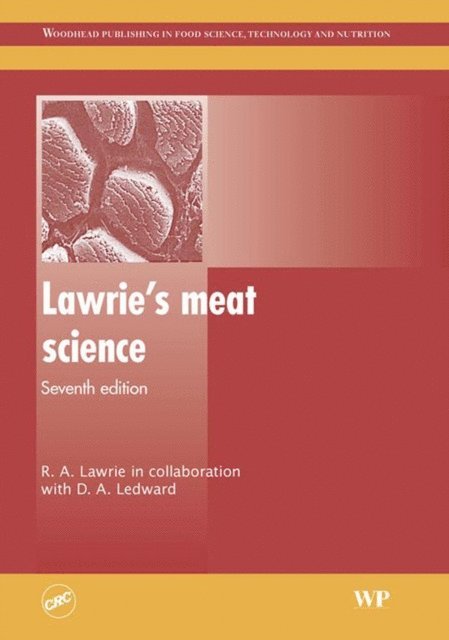
Lawrie''s Meat Science has established itself as a standard work for both students and professionals in the meat industry. Its basic theme remains the central importance of biochemistry in understanding the production, storage, processing and eating quality of meat. At a time when so much controversy surrounds meat production and nutrition, Lawrie''s meat science, written by Lawrie in collaboration with Ledward, provides a clear guide which takes the reader from the growth and development of meat animals, through the conversion of muscle to meat, to the point of consumption.The seventh edition includes details of significant advances in meat science which have taken place in recent years, especially in areas of eating quality of meat and meat biochemistry.- A standard reference for the meat industry- Discusses the importance of biochemistry in production, storage and processing of meat- Includes significant advances in meat and meat biochemistry
Inbunden, Engelska, 2002
2 231 kr
Skickas inom 10-15 vardagar
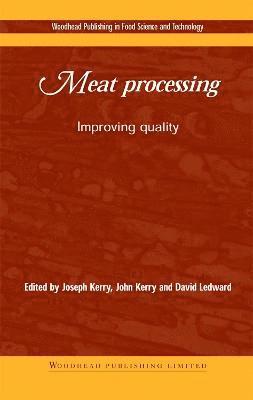
Meat is both a major food in its own right and a staple ingredient in many food products. With its distinguished editors and an international team of contributors, Meat processing reviews research on what defines and determines meat quality, and how it can be maintained or improved during processing.Part one considers the various aspects of meat quality. There are chapters on what determines the quality of raw meat, changing views of the nutritional quality of meat and the factors determining such quality attributes as colour and flavour. Part two discusses how these aspects of quality are measured, beginning with the identification of appropriate quality indicators. It also includes chapters on both sensory analysis and instrumental methods including on-line monitoring and microbiological analysis. Part three reviews the range of processing techniques that have been deployed at various stages in the supply chain. Chapters include the use of modelling techniques to improve quality and productivity in beef cattle production, new decontamination techniques after slaughter, automation of carcass processing, high pressure processing of meat, developments in modified atmosphere packaging and chilling and freezing. There are also chapters on particular products such as restructured meat and fermented meat products.With its detailed and comprehensive coverage of what defines and determines meat quality, Meat processing is a standard reference for all those involved in the meat industry and meat research.Reviews research on what defines and determines meat quality, and how it can be measured, maintained and improved during processingExamines the range of processing techniques that have been deployed at various stages in the supply chainComprehensively outlines the new decontamination techniques after slaughter and automation of carcass processing
E-bok
PDF, Engelska, 20022 825 kr
Läs direkt efter köp
Meat is both a major food in its own right and a staple ingredient in many food products. With its distinguished editors and an international team of contributors, Meat processing reviews research on what defines and determines meat quality, and how it can be maintained or improved during processing.Part one considers the various aspects of meat quality. There are chapters on what determines the quality of raw meat, changing views of the nutritional quality of meat and the factors determining such quality attributes as colour and flavour. Part two discusses how these aspects of quality are measured, beginning with the identification of appropriate quality indicators. It also includes chapters on both sensory analysis and instrumental methods including on-line monitoring and microbiological analysis. Part three reviews the range of processing techniques that have been deployed at various stages in the supply chain. Chapters include the use of modelling techniques to improve quality and productivity in beef cattle production, new decontamination techniques after slaughter, automation of carcass processing, high pressure processing of meat, developments in modified atmosphere packaging and chilling and freezing. There are also chapters on particular products such as restructured meat and fermented meat products.With its detailed and comprehensive coverage of what defines and determines meat quality, Meat processing is a standard reference for all those involved in the meat industry and meat research.- Reviews research on what defines and determines meat quality, and how it can be measured, maintained and improved during processing- Examines the range of processing techniques that have been deployed at various stages in the supply chain- Comprehensively outlines the new decontamination techniques after slaughter and automation of carcass processing