Devendra K. Choudhary - Böcker
Visar alla böcker från författaren Devendra K. Choudhary. Handla med fri frakt och snabb leverans.
16 produkter
16 produkter
1 891 kr
Skickas inom 10-15 vardagar
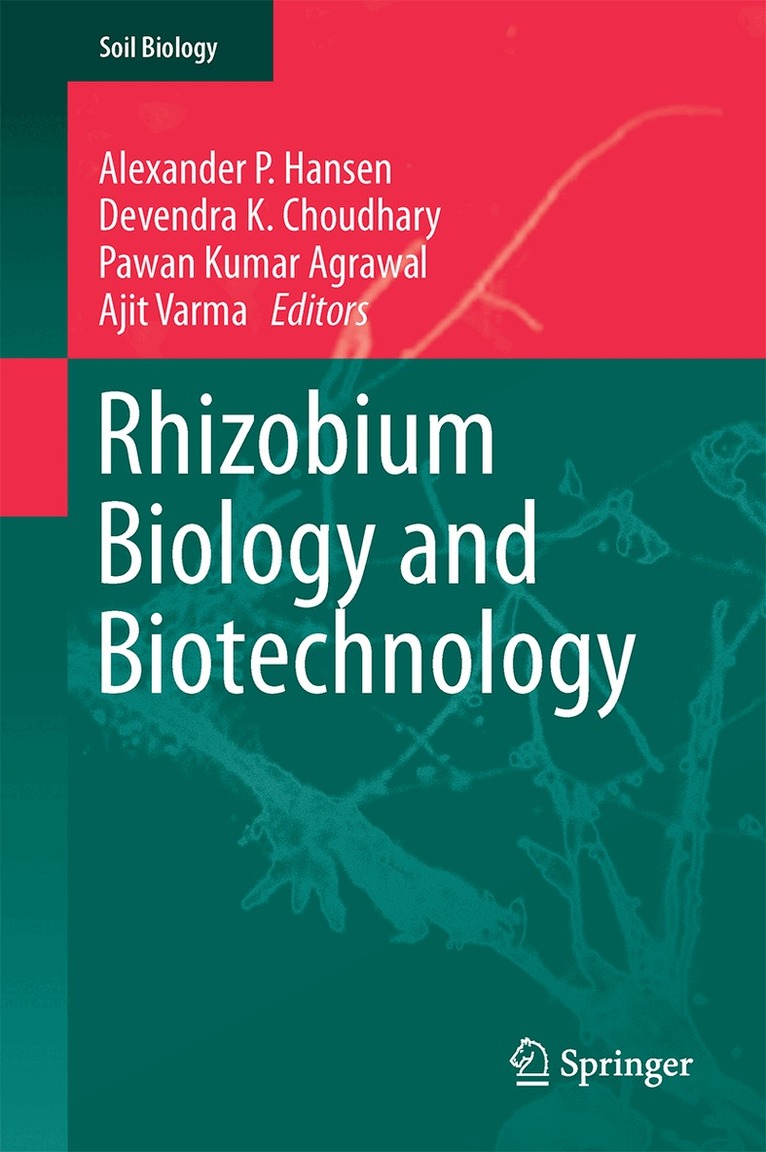
This book provides in-depth reviews of the role of Rhizobium in agriculture and its biotechnological applications. Individual chapters explore topics such as: the occurrence and distribution of Rhizobium; phenotypic and molecular characteristics of Rhizobium; impact of Rhizobium on other microbial communities in the rhizosphere;
1 381 kr
Skickas inom 10-15 vardagar
This book provides in-depth reviews of the role of Rhizobium in agriculture and its biotechnological applications. Individual chapters explore topics such as: the occurrence and distribution of Rhizobium; phenotypic and molecular characteristics of Rhizobium; impact of Rhizobium on other microbial communities in the rhizosphere;
1 577 kr
Skickas inom 10-15 vardagar
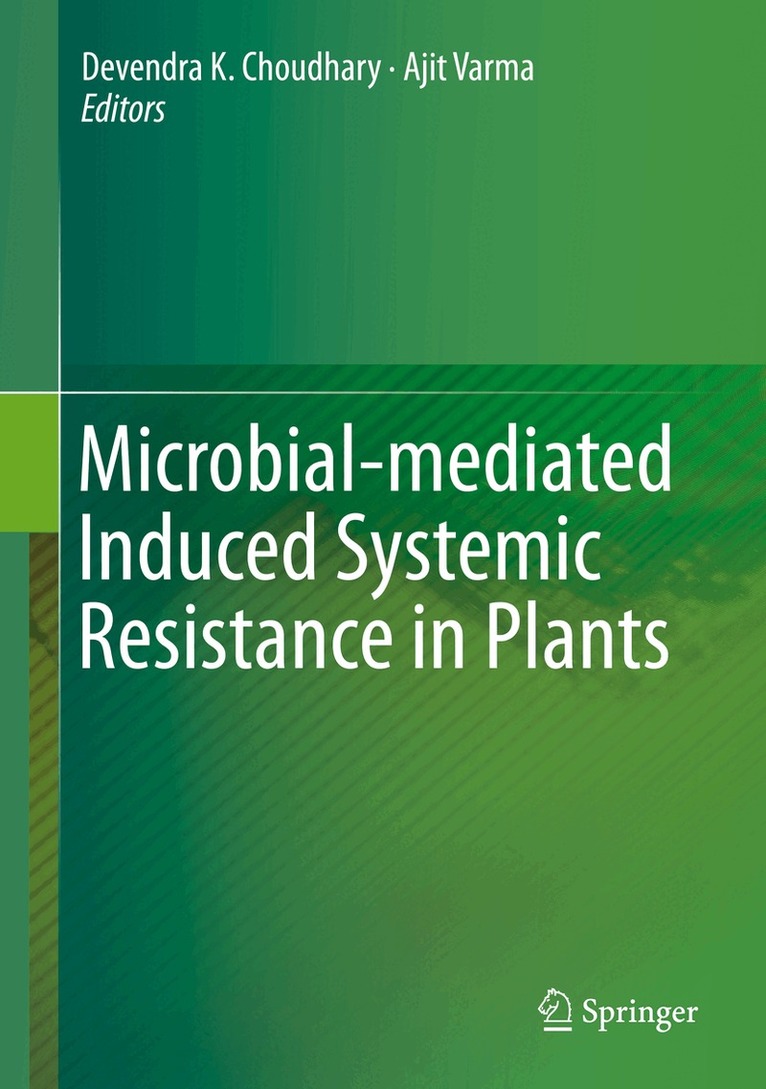
With a focus on food safety, this book highlights theimportance of microbes in sustainable agriculture. Plants, sessile organisms that are consideredas primary producers inthe ecosystem and communicate with above- and below-ground communities thatconsist of microbes, insects, and other vertebrate and invertebrate animals, are subjected to various kinds ofstress. Broadly speaking, these can be subdivided into abiotic and bioticstresses. Plants have evolved to develop elaborate mechanisms for coping with and adapting tothe environmental stresses.Amongother stresses, habitat-imposed biotic stress is one serious condition causingmajor problems for cropproductivity. Most plants employplant-growth-promoting microorganisms (PGPMs) to combat and protect themselves from stresses and alsofor better growth.PGPMsare bacteria associated with plant roots and they augment plant productivityand immunity. They arealso defined as root-colonizing bacteria that havebeneficial effects on plant growth and development. Remarkably, PGPMs includingmycorrhizae, rhizobia, and rhizobacteria (Acinetobacter, Agrobacterium,Arthrobacter, Azospirillum, Bacillus, Bradyrhizobium, Frankia, Pseudomonas,Rhizobium, Serratia, Thiobacillus) form associations with plant roots andcan promote plant growth by increasing plants’ access to soil minerals and protecting them against pathogens.To combat the pathogens causing different diseases and other biotic stresses, PGPMs produce a higher level ofresistance in addition to plants’indigenous immune systems in the form of induced systemic resistance (ISR).The ISR elicitedby PGPMs has suppressed plant diseases caused by a range of pathogens in boththe greenhouse and field. Assuch, the role of these microbes can no longer be ignored forsustainable agriculture.Today,PGPMs are also utilized in the form of bio-fertilizers to increase plantproductivity. However, the use of PGPMs requires a precise understanding of the interactions between plants and microbes, betweenmicrobes and microbiota, and how biotic factors influence theserelationships. Consequently, continued research is needed to develop newapproaches to boost theefficiency of PGPMs and to understand the ecological, genetic and biochemicalrelationships in their habitat.Thebook focuses on recentresearch concerning interactions between PGPMs and plants under biotic stress. It addresses key concernssuch as –1.The response of benignmicrobes that benefitplants under biotic stress2.The physiologicalchanges incurred in plants under harsh conditions3.The role of microbialdeterminants in promotingplant growth under biotic stressThebook focuses on a range of aspects related to PGPMs such as their mode of action, primingof plant defence and plant growth in disease challenged crops, multifunctionalbio-fertilizers, PGPM-mediateddisease suppression, andtheeffect of PGPMs on secondary metabolites etc.Thebook will be a valuableasset to researchers and professionals working in the area ofmicrobial-mediated support ofplants under biotic stress.
2 414 kr
Skickas inom 10-15 vardagar
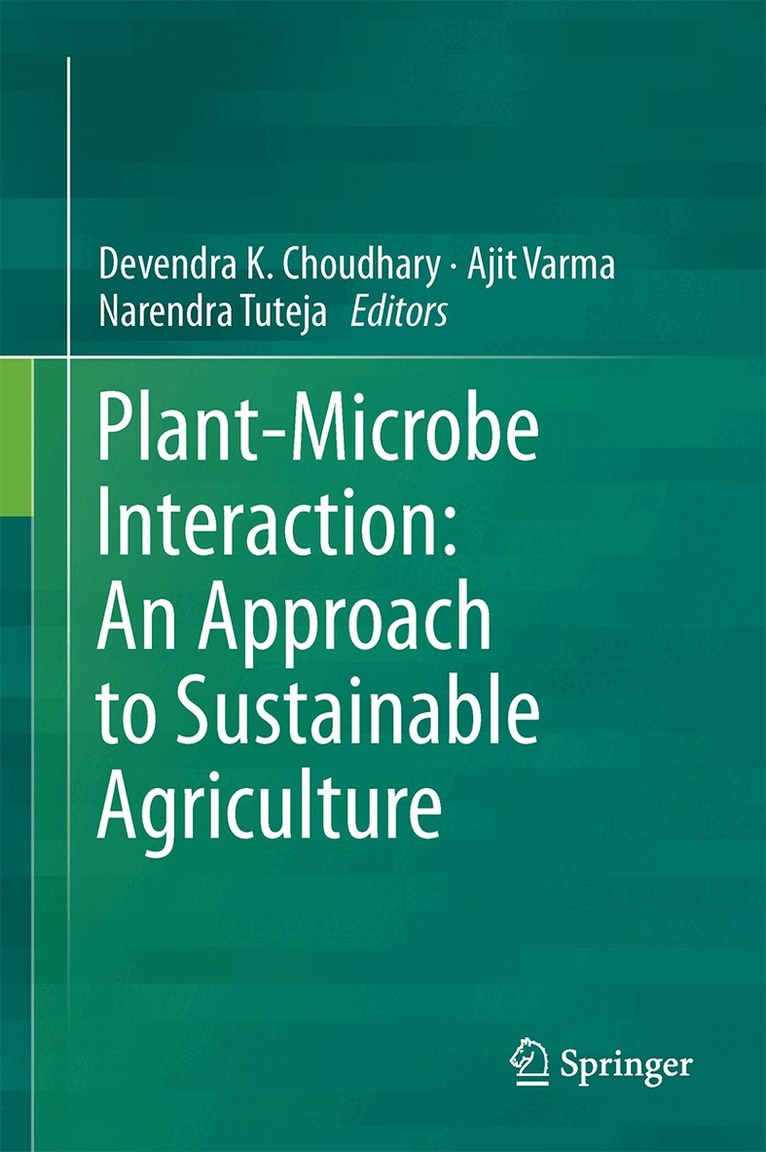
The book addresses current public concern about the adverse effect of agrochemicals and their effect on the agro-ecosystem. This book also aims to satisfy and contribute to the increasing interest in understanding the co-operative activities among microbial populations and their interaction with plants. It contains chapters on a variety of interrelated aspects of plant-microbe interactions with a single theme of stress management and sustainable agriculture. The book will be very useful for students, academicians, researcher working on plant-microbe interaction and also for policy makers involved in food security and sustainable agriculture.
1 577 kr
Skickas inom 10-15 vardagar
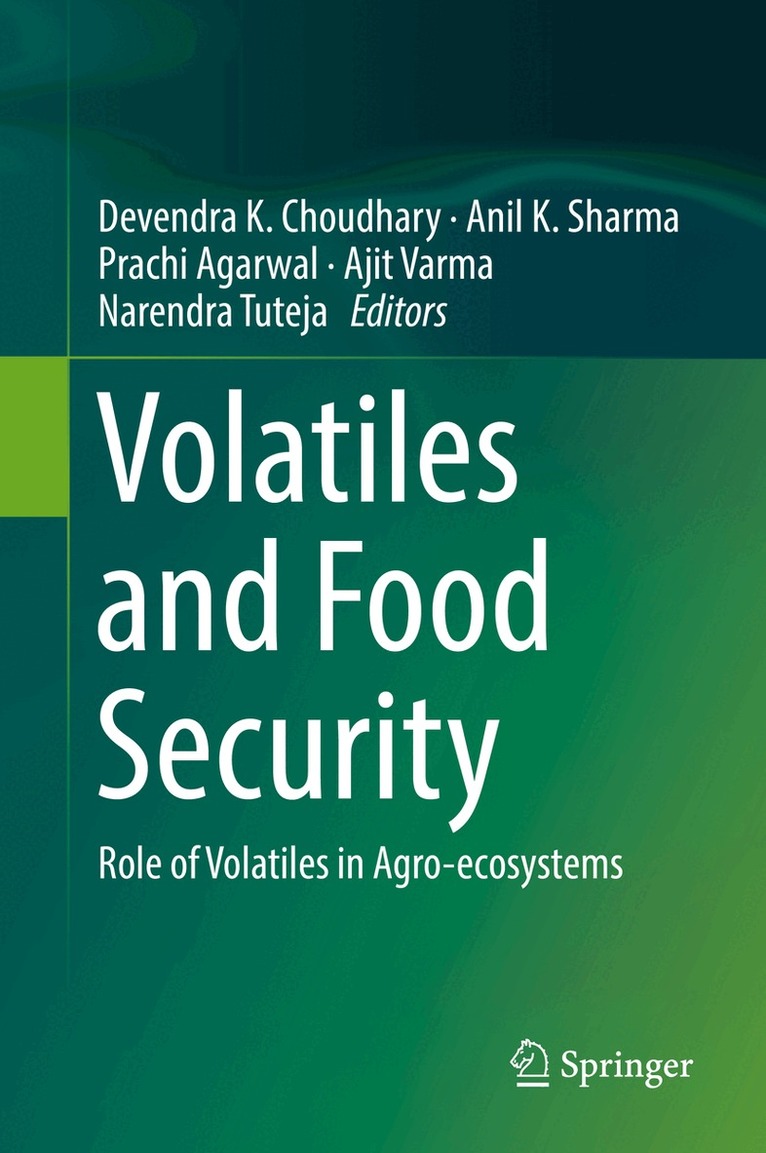
This book presents research on volatiles produced by microbes and plants along with their biotechnological implications for sustainable agriculture. A greater understanding of how plants and microbes live together and benefit each other can provide new strategies to improve plant productivity, while at the same time helping to protect the environment and maintain global biodiversity. To date, the use of chemicals to enhance plant growth or induced resistance in plants has been limited due to the negative effects and the difficulty in determining the optimal concentrations to benefit the plant. The book discusses extensive studies on biological alternatives that avoid these problems, and the research presented suggests that these compounds could offer an environmentally sound means to better grow and protect plants under greenhouse or field conditions. To understand the nature of VOCs and gene expression profiling of plant genes responding against these compounds can be conducted. Itis possible that VOCs produced by microbes while colonizing roots are generated at sufficient concentrations to trigger plant responses. In conclusion, positive or negative effects of VOCs on plant productivity will be dependent on upon specific VOCs microbial strain, plant genotype, and presence/absence of abiotic/biotic stresses
2 028 kr
Skickas inom 5-8 vardagar
With a focus on food safety, this book highlights theimportance of microbes in sustainable agriculture. Plants, sessile organisms that are consideredas primary producers inthe ecosystem and communicate with above- and below-ground communities thatconsist of microbes, insects, and other vertebrate and invertebrate animals, are subjected to various kinds ofstress. Broadly speaking, these can be subdivided into abiotic and bioticstresses. Plants have evolved to develop elaborate mechanisms for coping with and adapting tothe environmental stresses.Amongother stresses, habitat-imposed biotic stress is one serious condition causingmajor problems for cropproductivity. Most plants employplant-growth-promoting microorganisms (PGPMs) to combat and protect themselves from stresses and alsofor better growth.PGPMsare bacteria associated with plant roots and they augment plant productivityand immunity. They arealso defined as root-colonizing bacteria that havebeneficial effects on plant growth and development. Remarkably, PGPMs includingmycorrhizae, rhizobia, and rhizobacteria (Acinetobacter, Agrobacterium,Arthrobacter, Azospirillum, Bacillus, Bradyrhizobium, Frankia, Pseudomonas,Rhizobium, Serratia, Thiobacillus) form associations with plant roots andcan promote plant growth by increasing plants’ access to soil minerals and protecting them against pathogens.To combat the pathogens causing different diseases and other biotic stresses, PGPMs produce a higher level ofresistance in addition to plants’indigenous immune systems in the form of induced systemic resistance (ISR).The ISR elicitedby PGPMs has suppressed plant diseases caused by a range of pathogens in boththe greenhouse and field. Assuch, the role of these microbes can no longer be ignored forsustainable agriculture.Today,PGPMs are also utilized in the form of bio-fertilizers to increase plantproductivity. However, the use of PGPMs requires a precise understanding of the interactions between plants and microbes, betweenmicrobes and microbiota, and how biotic factors influence theserelationships. Consequently, continued research is needed to develop newapproaches to boost theefficiency of PGPMs and to understand the ecological, genetic and biochemicalrelationships in their habitat.Thebook focuses on recentresearch concerning interactions between PGPMs and plants under biotic stress. It addresses key concernssuch as –1.The response of benignmicrobes that benefitplants under biotic stress2.The physiologicalchanges incurred in plants under harsh conditions3.The role of microbialdeterminants in promotingplant growth under biotic stressThebook focuses on a range of aspects related to PGPMs such as their mode of action, primingof plant defence and plant growth in disease challenged crops, multifunctionalbio-fertilizers, PGPM-mediateddisease suppression, andtheeffect of PGPMs on secondary metabolites etc.Thebook will be a valuableasset to researchers and professionals working in the area ofmicrobial-mediated support ofplants under biotic stress.
2 414 kr
Skickas inom 10-15 vardagar
The book addresses current public concern about the adverse effect of agrochemicals and their effect on the agro-ecosystem. This book also aims to satisfy and contribute to the increasing interest in understanding the co-operative activities among microbial populations and their interaction with plants. It contains chapters on a variety of interrelated aspects of plant-microbe interactions with a single theme of stress management and sustainable agriculture. The book will be very useful for students, academicians, researcher working on plant-microbe interaction and also for policy makers involved in food security and sustainable agriculture.
1 064 kr
Skickas inom 10-15 vardagar
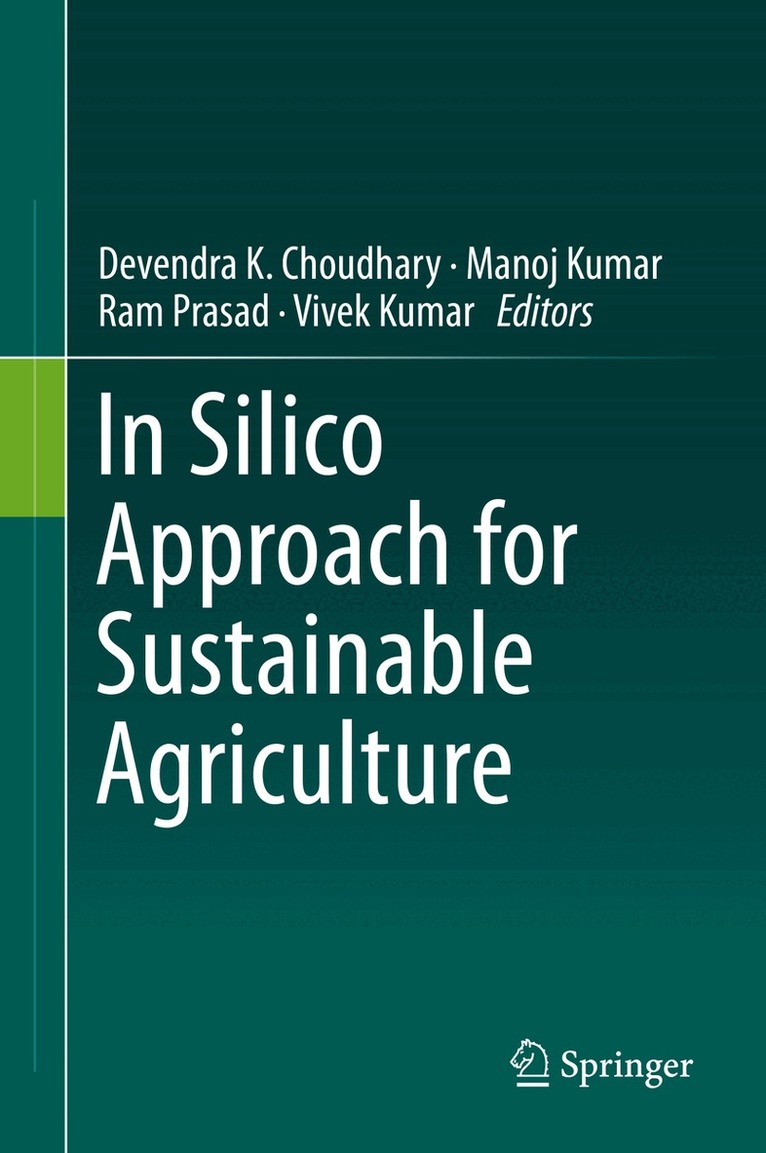
This book explores the role of in silico deployment in connection with modulation techniques for improving sustainability and competitiveness in the agri-food sector; pharmacokinetics and molecular docking studies of plant-derived natural compounds; and their potential anti-neurodegenerative activity. It also investigates biochemical pathways for bacterial metabolite synthesis, fungal diversity and plant-fungi interaction in plant diseases, methods for predicting disease-resistant candidate genes in plants, and genes-to-metabolites and metabolites-to-genes approaches for predicting biosynthetic pathways in microbes for natural product discovery. The respective chapters elaborate on the use of in situ methods to study biochemical pathways for bacterial metabolite synthesis; tools for plant metabolites in defence; plant secondary metabolites in defence; plant growth metabolites; characterisation of plant metabolites; and identification of plant derivedmetabolites in the context of plant defence. The book offers an unprecedented resource, highlighting state-of-the-art research work that will greatly benefit researchers and students alike, not only in the field of agriculture but also in many disciplines in the life sciences and plant sciences.
1 064 kr
Skickas inom 10-15 vardagar
This book explores the role of in silico deployment in connection with modulation techniques for improving sustainability and competitiveness in the agri-food sector; pharmacokinetics and molecular docking studies of plant-derived natural compounds; and their potential anti-neurodegenerative activity. It also investigates biochemical pathways for bacterial metabolite synthesis, fungal diversity and plant-fungi interaction in plant diseases, methods for predicting disease-resistant candidate genes in plants, and genes-to-metabolites and metabolites-to-genes approaches for predicting biosynthetic pathways in microbes for natural product discovery. The respective chapters elaborate on the use of in situ methods to study biochemical pathways for bacterial metabolite synthesis; tools for plant metabolites in defence; plant secondary metabolites in defence; plant growth metabolites; characterisation of plant metabolites; and identification of plant derivedmetabolites in the context of plant defence. The book offers an unprecedented resource, highlighting state-of-the-art research work that will greatly benefit researchers and students alike, not only in the field of agriculture but also in many disciplines in the life sciences and plant sciences.
1 577 kr
Skickas inom 10-15 vardagar
To date, the use of chemicals to enhance plant growth or induced resistance in plants has been limited due to the negative effects and the difficulty in determining the optimal concentrations to benefit the plant.
1 577 kr
Skickas inom 10-15 vardagar
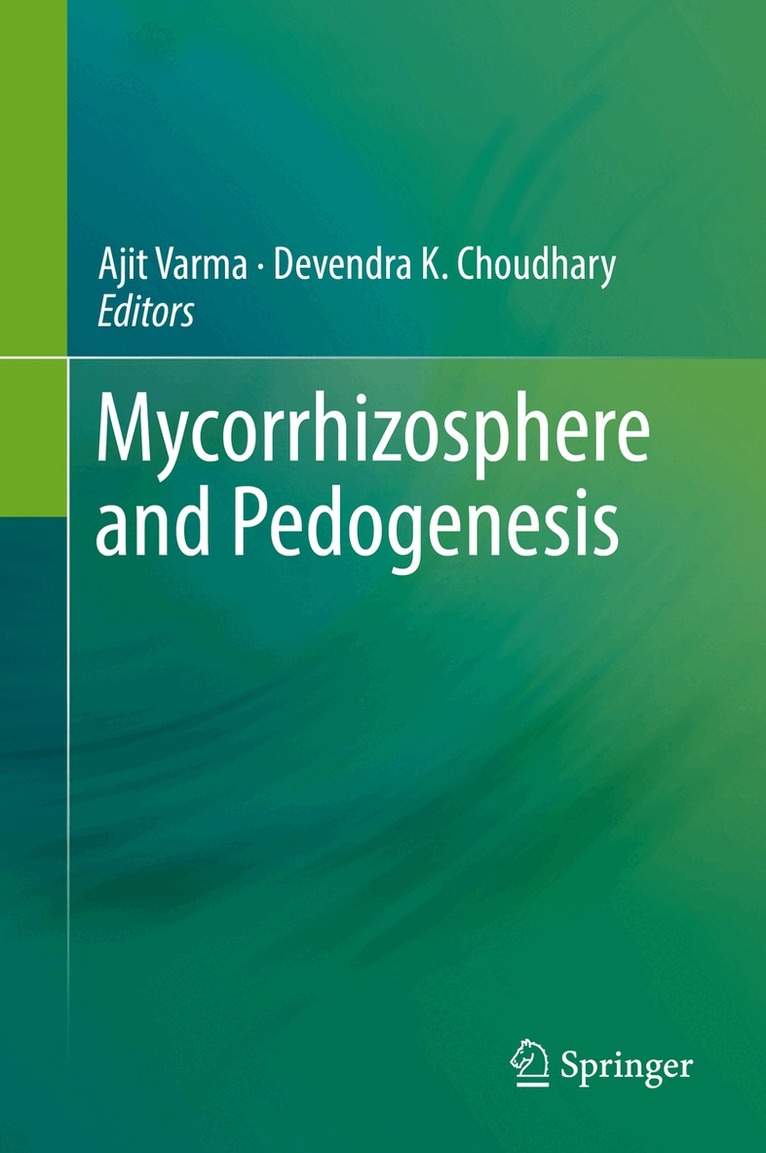
The present book highlights importance of mycorrhiza in soil genesis wherein it reflects mycorrhizal occurrence and diversity, various tools to characterize them and its impact on soil formation/health together with crop productivity.
1 577 kr
Skickas inom 10-15 vardagar
The present book highlights importance of mycorrhiza in soil genesis wherein it reflects mycorrhizal occurrence and diversity, various tools to characterize them and its impact on soil formation/health together with crop productivity.
1 577 kr
Skickas inom 10-15 vardagar
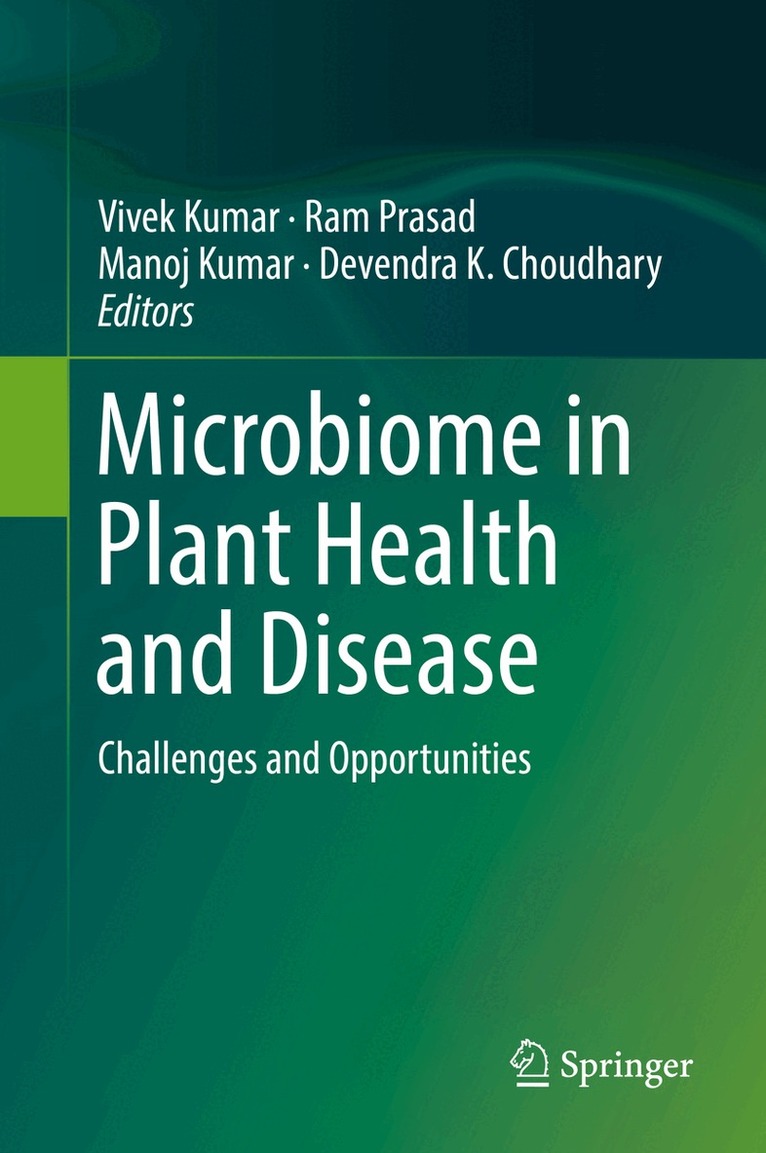
The book discusses the complex interactions between plants and their associated microbial communities. It also elucidates the ways in which these microbiomes are connected with the plant system, and how they affect plant health. The different chapters describe how microbiomes affect plants with regard to immunity, disease conditions, stress management and productivity. In addition, the book describes how an ‘additional plant genome’ functions as a whole organ system of the host, and how it presents both challenges and opportunities for the plant system. Moreover, the book includes a dedicated section on using omics tools to understand these interactions, and on exploiting them to their full potential.
1 577 kr
Skickas inom 10-15 vardagar
The book discusses the complex interactions between plants and their associated microbial communities. In addition, the book describes how an ‘additional plant genome’ functions as a whole organ system of the host, and how it presents both challenges and opportunities for the plant system.
2 100 kr
Skickas inom 10-15 vardagar
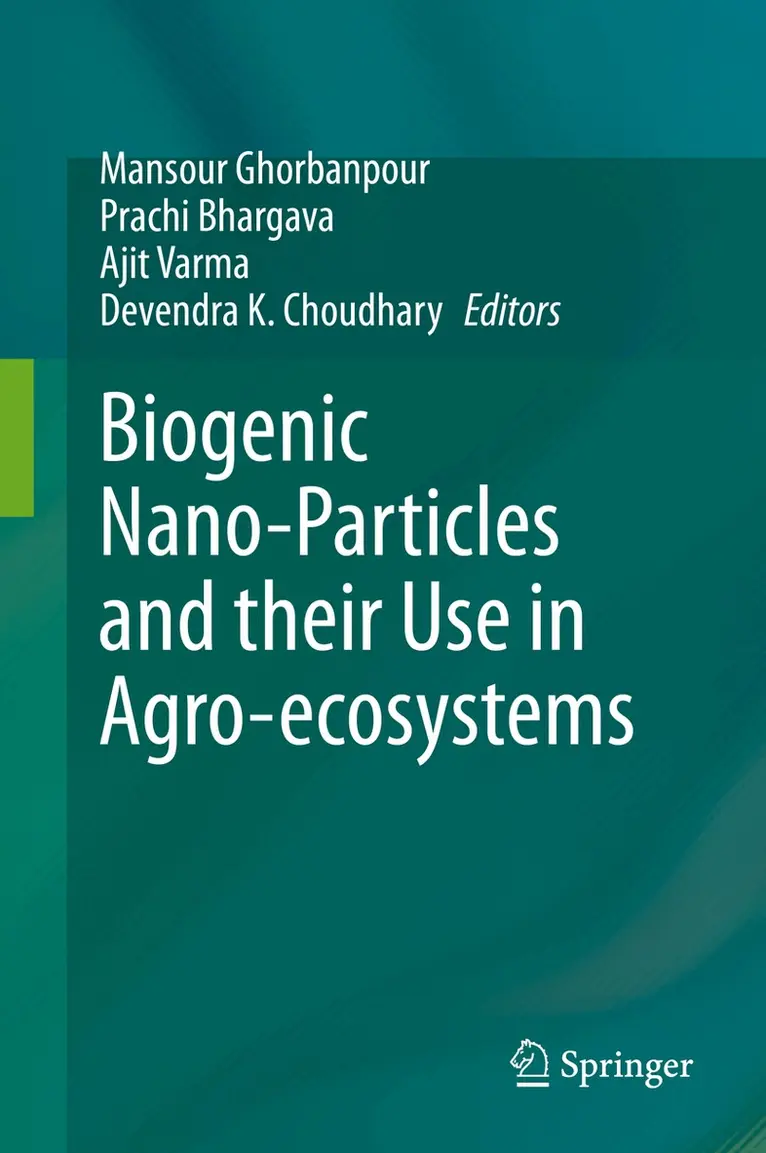
Several nano-scale devices have emerged that are capable of analysing plant diseases, nutrient deficiencies and any other ailments that may affect food security in agro-ecosystems. It has been envisioned that smart delivery systems can be developed and utilised for better management of agricultural ecosystems. These systems could exhibit beneficial, multi-functional characteristics, which could be used to assess and also control habitat-imposed stresses to crops.Nanoparticle-mediated smart delivery systems can control the delivery of nutrients or bioactive and/or pesticide molecules in plants. It has been suggested that nano-particles in plants might help determine their nutrient status and could also be used as cures in agro-ecosystems. Further, to enhance soil and crop productivity, nanotechnology has been used to create and deliver nano fertilizers, which can be defined as nano-particles that directly help supply nutrients for plant growth and soil productivity. Nano-particles can be absorbed onto clay networks, leading to improved soil health and more efficient nutrient use by crops. Additionally, fertilizer particles can be coated with nano-particles that facilitate slow and steady release of nutrients, reducing loss of nutrients and enhancing their efficiency in agri-crops. Although the use of nanotechnology in agro-ecosystems is still in its early stages and needs to be developed further, nano-particle-mediated delivery systems are promising solutions for the successful management of agri-ecosystems. In this context, the book offers insights into nanotechnology in agro-ecosystems with reference to biogenic nanoparticles. It highlights the: • occurrence and diversity of Biogenic Nanoparticles• mechanistic approach involved in the synthesis of biogenic nanoparticles• synthesis of nanoparticles using photo-activation, and their fate in the soil ecosystem• potential applicationsof nanoparticles in agricultural systems• application and biogenic synthesis of gold nanoparticles and their characterization• impact of biogenic nanoparticles on biotic stress to plants• mechanistic approaches involved in the antimicrobial effects and cytotoxicity of biogenic nanoparticles• role of biogenic nanoparticles in plant diseases management• relevance of biological synthesized nanoparticles in the longevity of agricultural crops • design and synthesis of nano-biosensors for monitoring pollutants in water, soil and plant systems• applications of nanotechnology in agriculture with special refer to soil, water and plant sciencesA useful resource for postgraduate and research students in the field of plant and agricultural sciences, it is also of interest to researchers working in nano and biotechnology.
2 002 kr
Skickas inom 3-6 vardagar
Several nano-scale devices have emerged that are capable of analysing plant diseases, nutrient deficiencies and any other ailments that may affect food security in agro-ecosystems. It has been envisioned that smart delivery systems can be developed and utilised for better management of agricultural ecosystems. These systems could exhibit beneficial, multi-functional characteristics, which could be used to assess and also control habitat-imposed stresses to crops.Nanoparticle-mediated smart delivery systems can control the delivery of nutrients or bioactive and/or pesticide molecules in plants. It has been suggested that nano-particles in plants might help determine their nutrient status and could also be used as cures in agro-ecosystems. Further, to enhance soil and crop productivity, nanotechnology has been used to create and deliver nano fertilizers, which can be defined as nano-particles that directly help supply nutrients for plant growth and soil productivity. Nano-particles can be absorbed onto clay networks, leading to improved soil health and more efficient nutrient use by crops. Additionally, fertilizer particles can be coated with nano-particles that facilitate slow and steady release of nutrients, reducing loss of nutrients and enhancing their efficiency in agri-crops. Although the use of nanotechnology in agro-ecosystems is still in its early stages and needs to be developed further, nano-particle-mediated delivery systems are promising solutions for the successful management of agri-ecosystems. In this context, the book offers insights into nanotechnology in agro-ecosystems with reference to biogenic nanoparticles. It highlights the: • occurrence and diversity of Biogenic Nanoparticles• mechanistic approach involved in the synthesis of biogenic nanoparticles• synthesis of nanoparticles using photo-activation, and their fate in the soil ecosystem• potential applicationsof nanoparticles in agricultural systems• application and biogenic synthesis of gold nanoparticles and their characterization• impact of biogenic nanoparticles on biotic stress to plants• mechanistic approaches involved in the antimicrobial effects and cytotoxicity of biogenic nanoparticles• role of biogenic nanoparticles in plant diseases management• relevance of biological synthesized nanoparticles in the longevity of agricultural crops • design and synthesis of nano-biosensors for monitoring pollutants in water, soil and plant systems• applications of nanotechnology in agriculture with special refer to soil, water and plant sciencesA useful resource for postgraduate and research students in the field of plant and agricultural sciences, it is also of interest to researchers working in nano and biotechnology.