Dick Thornburgh – författare
Visar alla böcker från författaren Dick Thornburgh. Handla med fri frakt och snabb leverans.
7 produkter
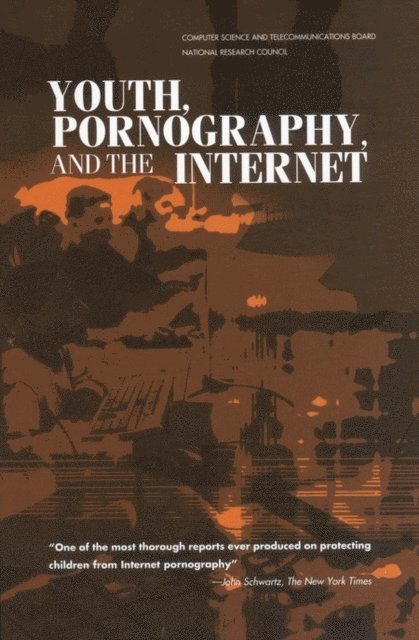
Youth, Pornography, and the Internet
Av National Research Council, Computer Science and Telecommunications Board m. fl.
Häftad, 2002
815 kr
Lägg i varukorg
The Internet has changed the way we access the world. This is especially true for kids, who soak up new technologies like eager little sponges. They have access to an enormous array of material, including educational links, sports info, chat roomsa "and, unfortunately, pornography. But we must …
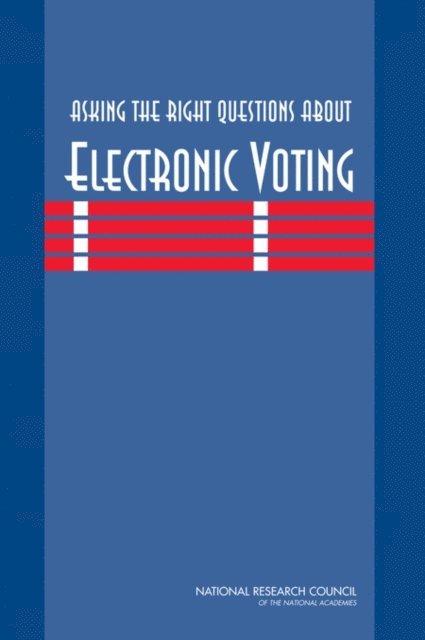
Asking the Right Questions About Electronic Voting
Av National Research Council, Division on Engineering and Physical Sciences m. fl.
Häftad, 2006
660 kr
Lägg i varukorg
Many election officials look to electronic voting systems as a means for improving their ability to more effectively conduct and administer elections. At the same time, many information technologists and activists have raised important concerns regarding the security of such systems. Policy makers …
Youth, Pornography, and the Internet
Av Committee to Study Tools and Strategies for Protecting Kids from Pornography and Their Applicability to Other Inappropriate Internet Content, Computer Science and Telecommunications Board m. fl.
E-bok, 2002
981 kr
Lägg i varukorg
The Internet has changed the way we access the world. This is especially true for kids, who soak up new technologies like eager little sponges. They have access to an enormous array of material, including educational links, sports info, chat rooms—and, unfortunately, pornography. But we must …
Asking the Right Questions About Electronic Voting
Av Committee on a Framework for Understanding Electronic Voting, Computer Science and Telecommunications Board m. fl.
E-bok, 2006
589 kr
Lägg i varukorg
Many election officials look to electronic voting systems as a means for improving their ability to more effectively conduct and administer elections. At the same time, many information technologists and activists have raised important concerns regarding the security of such systems. Policy makers …
Youth, Pornography, and the Internet
Av Committee to Study Tools and Strategies for Protecting Kids from Pornography and Their Applicability to Other Inappropriate Internet Content, Computer Science and Telecommunications Board m. fl.
E-bok, 2002
660 kr
Lägg i varukorg
The Internet has changed the way we access the world. This is especially true for kids, who soak up new technologies like eager little sponges. They have access to an enormous array of material, including educational links, sports info, chat rooms—and, unfortunately, pornography. But we must …
Asking the Right Questions About Electronic Voting
Av Committee on a Framework for Understanding Electronic Voting, Computer Science and Telecommunications Board m. fl.
E-bok, 2006
500 kr
Lägg i varukorg
Many election officials look to electronic voting systems as a means for improving their ability to more effectively conduct and administer elections. At the same time, many information technologists and activists have raised important concerns regarding the security of such systems. Policy makers …
Where the Evidence Leads
An Autobiography, Revised and Updated
Häftad, 2010
557 kr
Lägg i varukorg
Set in any era, Dick Thornburgh's brilliant career would merit study and retelling. He was the first Republican elected to two successive terms as governor of Pennsylvania (1979-87). He served in the United States Department of Justice under five presidents, including three years as attorney …