Elinor L. Brown – författare
Visar alla böcker från författaren Elinor L. Brown. Handla med fri frakt och snabb leverans.
12 produkter
12 produkter
Häftad, Engelska, 2011
590 kr
Skickas inom 5-8 vardagar
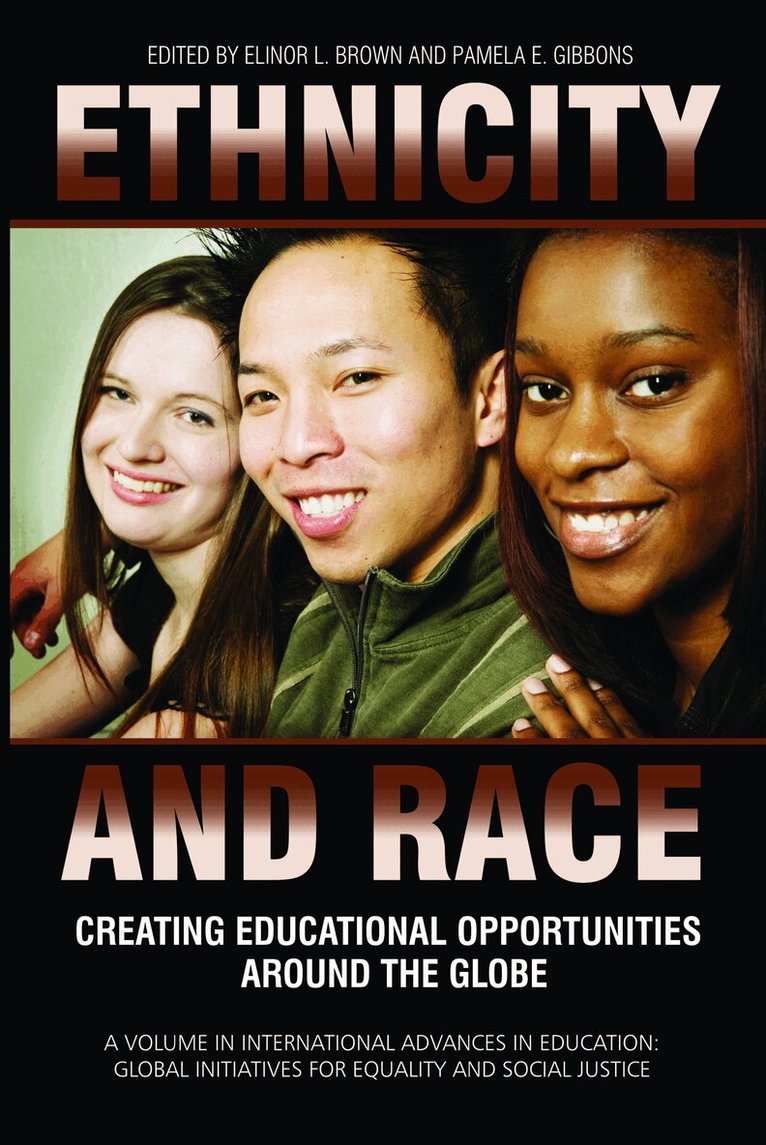
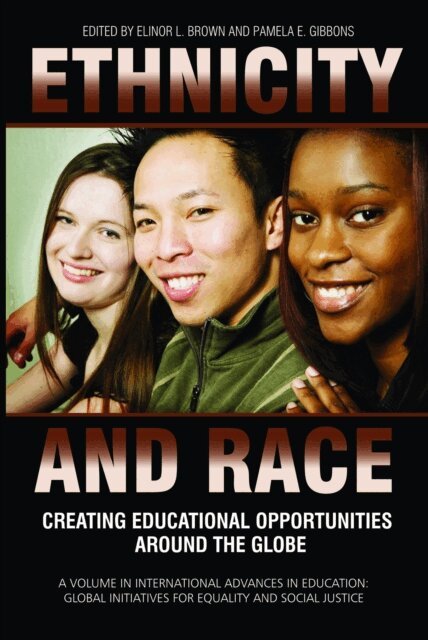
This volume of Global Initiatives for Equity and Social Justice takes a resource perspective toward culture, ethnicity, and race. Its purpose is to foster global dialog about race and ethnicity, with an emphasis on sharing strategies and solutions. While one might view problems stemming from racial and ethnic differences as intractable, the book’s editors and chapter authors wisely and creatively move through and beyond challenges and barriers by highlighting and sharing models, programs, frameworks, and strategies that are making a positive difference. Chapters provide examples and discussions relevant to the K-12 levels, as well as higher education and professional preparation in fields that include teacher education, social work, and medical education. Chapters grapple with complexities such as tensions among colonization, nation building, and ethnic identity. Chapters explore potentials of information technology for opening access to education and building dialogue across differences. Elinor Brown and Pamela Gibbons offer us a much-needed volume that, with clear recognition of problems of the present and past, looks optimistically toward the future.
Inbunden, Engelska, 2011
1 044 kr
Skickas inom 5-8 vardagar
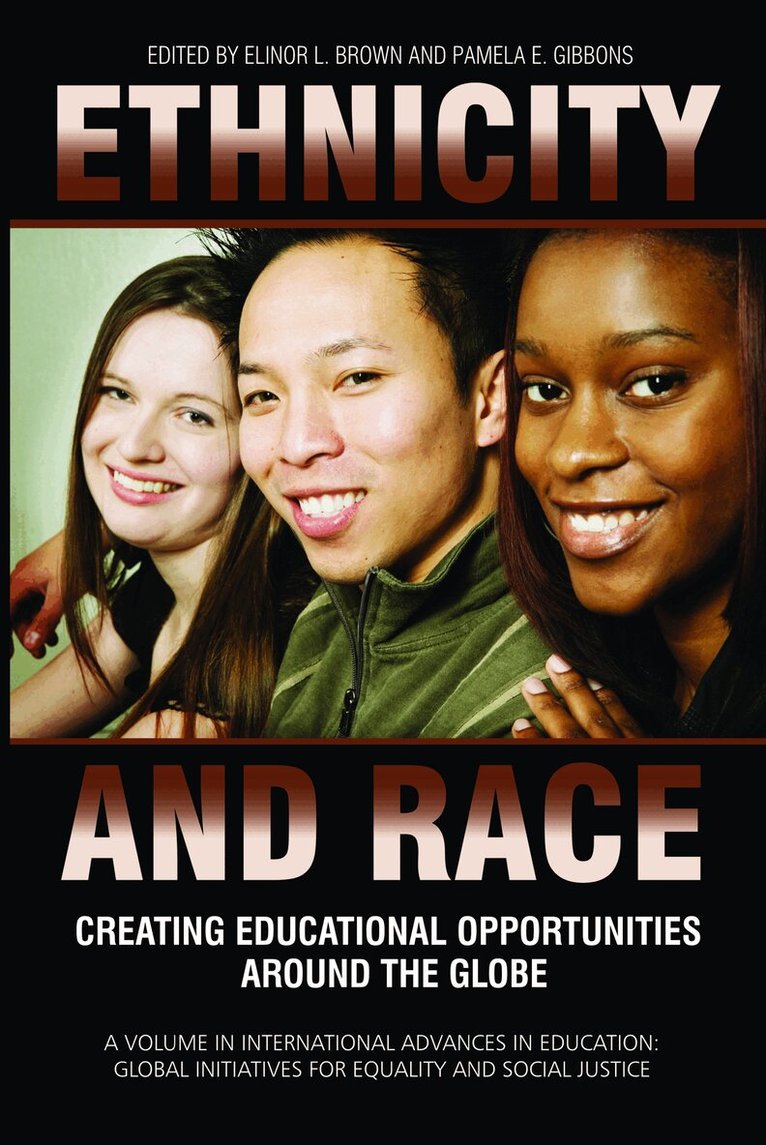
This volume of Global Initiatives for Equity and Social Justice takes a resource perspective toward culture, ethnicity, and race. Its purpose is to foster global dialog about race and ethnicity, with an emphasis on sharing strategies and solutions. While one might view problems stemming from racial and ethnic differences as intractable, the book’s editors and chapter authors wisely and creatively move through and beyond challenges and barriers by highlighting and sharing models, programs, frameworks, and strategies that are making a positive difference. Chapters provide examples and discussions relevant to the K-12 levels, as well as higher education and professional preparation in fields that include teacher education, social work, and medical education. Chapters grapple with complexities such as tensions among colonization, nation building, and ethnic identity. Chapters explore potentials of information technology for opening access to education and building dialogue across differences. Elinor Brown and Pamela Gibbons offer us a much-needed volume that, with clear recognition of problems of the present and past, looks optimistically toward the future.
Häftad, Engelska, 2012
655 kr
Skickas inom 5-8 vardagar
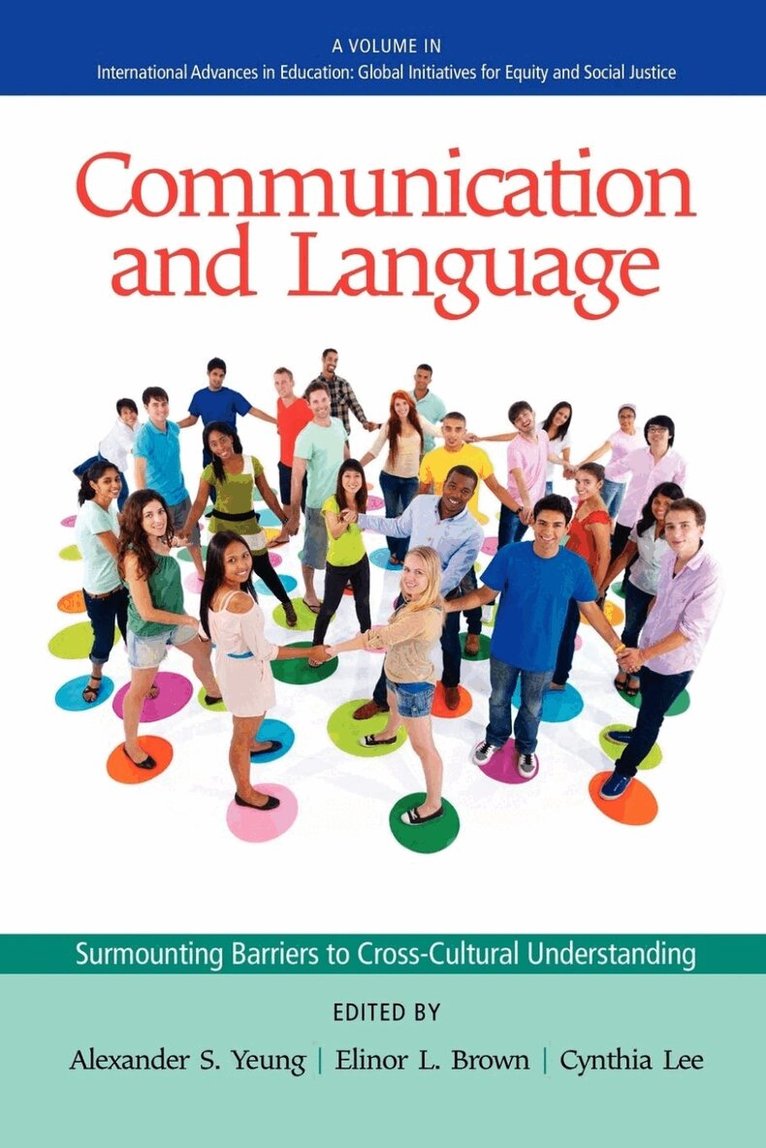
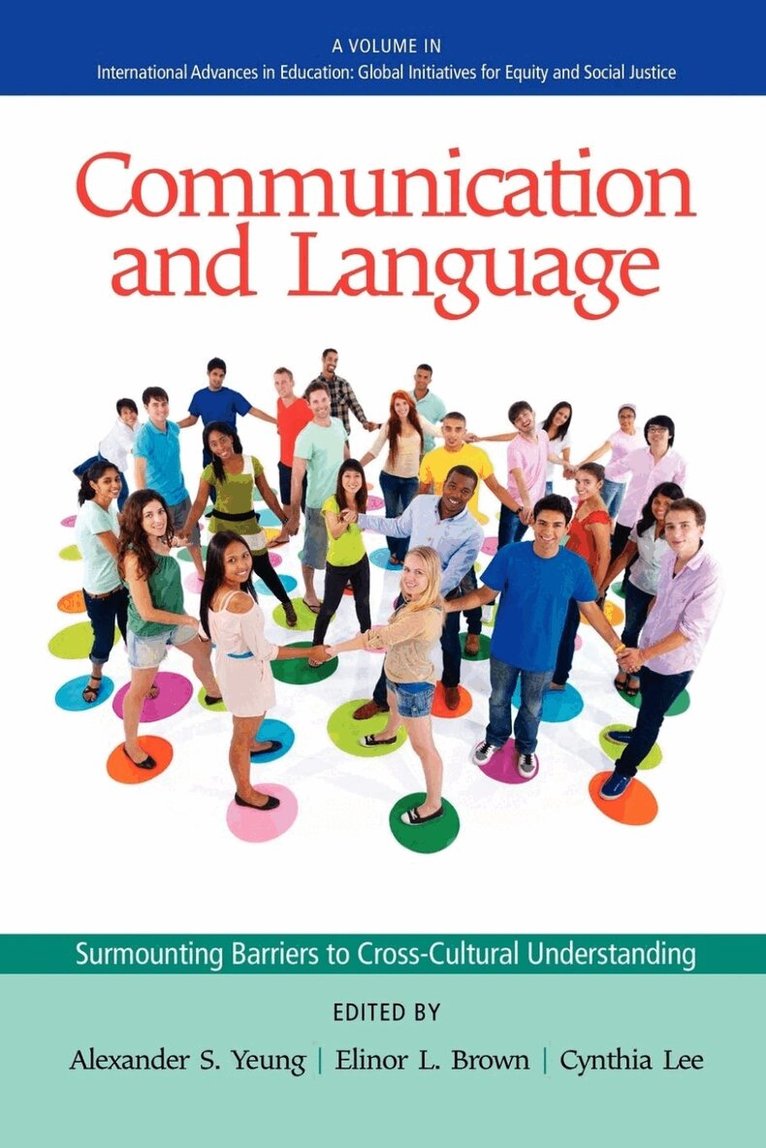
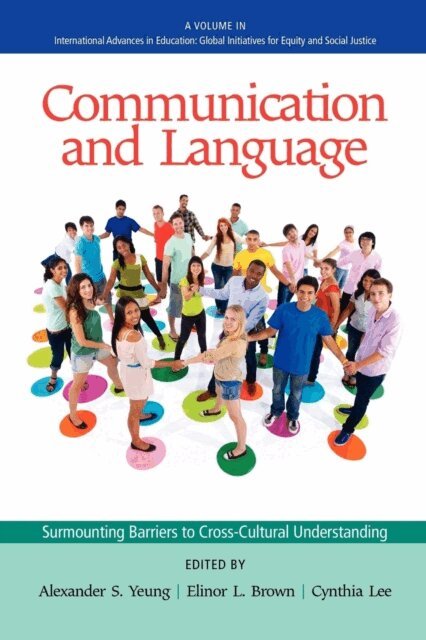
Communication and Language play a foundational role in the overall pursuit of equity and social justice in education. This volume does not take up the majority and dominant views which are especially visible in developments in the field of linguistic education and English language instruction. Rather, it travels the path less followed, to attend to the language and communication concerns of populations that possess little political and economic power and whose academic and social needs are often neglected. The volume attends to the role of language acquisition in 'levelling the playing field' to enable ALL students to develop into contented family members, good neighbours, and productive citizens in an increasingly diverse and global society.The issue takes on far greater importance, as it gradually comes to light that the capacity for language corresponds to and even implements the ability to interrelate with others. Far from being a mere utilitarian tool this is now appreciated as constituting the realm of abilities to take the position of the other, to share a field of meaning, and to project and pursue truly humane and indeed inter-humane attitudes and goals. In this light communication and language, whether verbal or preverbal, constitute the field in which one first attains and progressively evolves one’s humanity.In this volume, scholars from ten different countries examine issues related to the influence of language and communication patterns on equity and social justice in the lives of disadvantaged and marginalized populations around the globe (i.e., educational opportunities, community stability, economic prospects, and political power). Critical issues addressed include: education in traditional, national, or Western languages; language integration through dialects and code switching; non-verbal academic engagement through art, signing, and photography; cross-cultural engagement through language equity in higher education; and the influence of Western language acquisition on the self-concepts of disadvantaged students. As the succession of sections in this volume makes clear, success in the realization of language and communication abilities is not simple. Rather it reflects human life and interaction in all its complexity.
Inbunden, Engelska, 2012
1 109 kr
Skickas inom 5-8 vardagar
Communication and Language play a foundational role in the overall pursuit of equity and social justice in education. This volume does not take up the majority and dominant views which are especially visible in developments in the field of linguistic education and English language instruction. Rather, it travels the path less followed, to attend to the language and communication concerns of populations that possess little political and economic power and whose academic and social needs are often neglected. The volume attends to the role of language acquisition in 'levelling the playing field' to enable ALL students to develop into contented family members, good neighbours, and productive citizens in an increasingly diverse and global society.The issue takes on far greater importance, as it gradually comes to light that the capacity for language corresponds to and even implements the ability to interrelate with others. Far from being a mere utilitarian tool this is now appreciated as constituting the realm of abilities to take the position of the other, to share a field of meaning, and to project and pursue truly humane and indeed inter-humane attitudes and goals. In this light communication and language, whether verbal or preverbal, constitute the field in which one first attains and progressively evolves one’s humanity.In this volume, scholars from ten different countries examine issues related to the influence of language and communication patterns on equity and social justice in the lives of disadvantaged and marginalized populations around the globe (i.e., educational opportunities, community stability, economic prospects, and political power). Critical issues addressed include: education in traditional, national, or Western languages; language integration through dialects and code switching; non-verbal academic engagement through art, signing, and photography; cross-cultural engagement through language equity in higher education; and the influence of Western language acquisition on the self-concepts of disadvantaged students. As the succession of sections in this volume makes clear, success in the realization of language and communication abilities is not simple. Rather it reflects human life and interaction in all its complexity.
Häftad, Engelska, 2013
655 kr
Skickas inom 5-8 vardagar
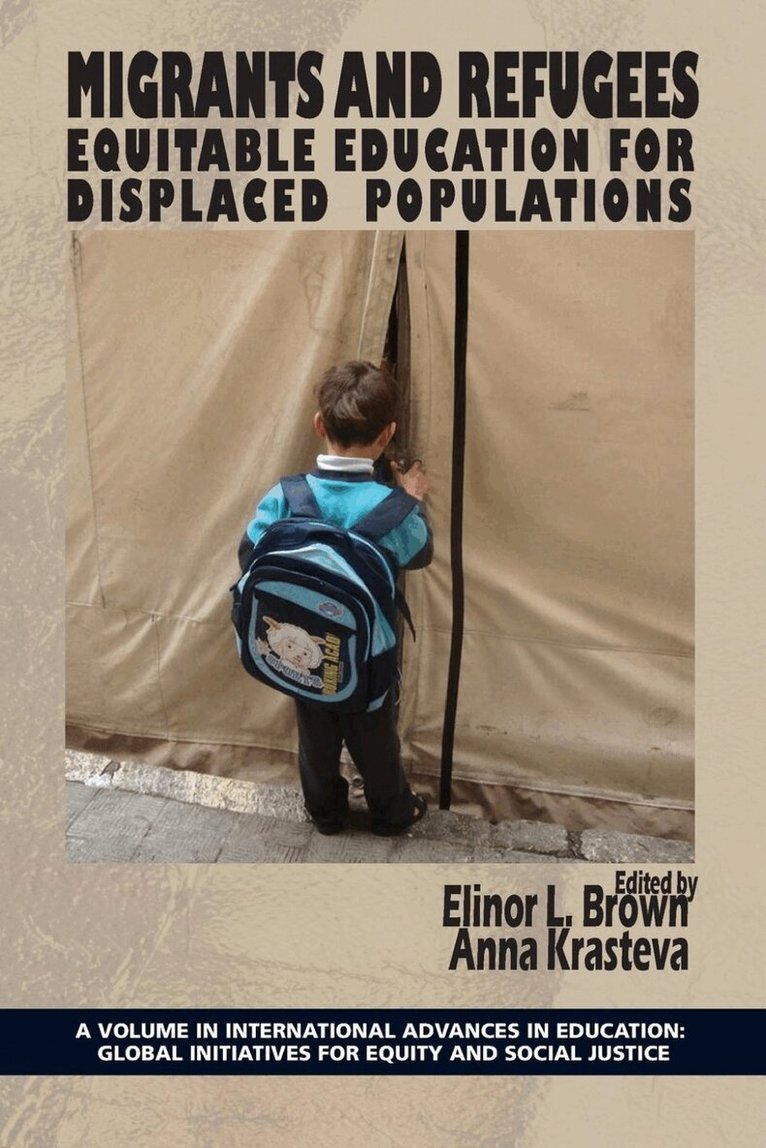
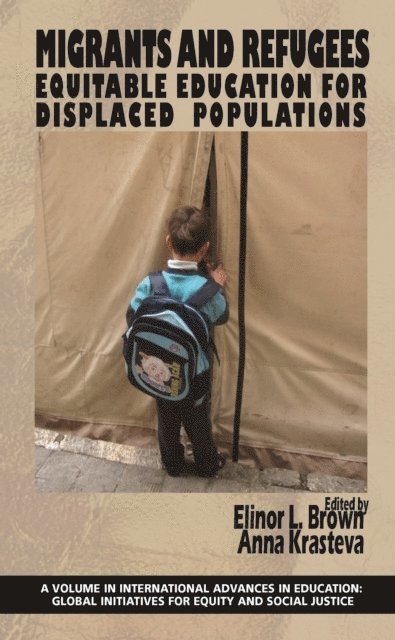
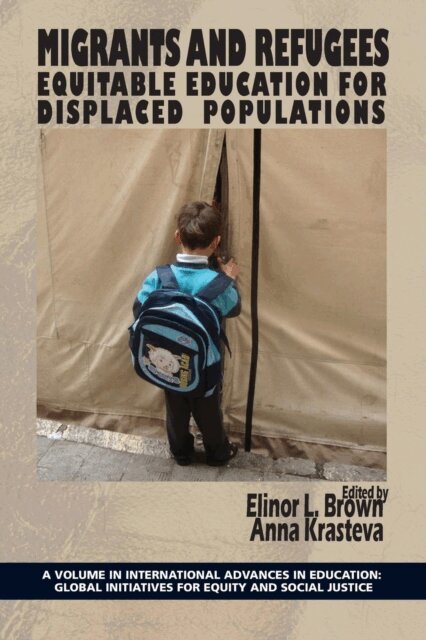
International Advances in Education: Global Initiatives for Equity and Social Justice is an international research monograph series of scholarly works that primarily focus on empowering students (children, adolescents, and young adults) from diverse current circumstances and historic beliefs and traditions to become non-exploited/non-exploitive contributing members of the global community. The series draws on the research and innovative practices of investigators, academics, and community organizers around the globe that have contributed to the evidence base for developing sound educational policies, practices, and programs that optimize all students' potential. Each volume includes multidisciplinary theory, research, and practices that provide an enriched understanding of the drivers of human potential via education to assist others in exploring, adapting, and replicating innovative strategies that enable ALL students to realize their full potential. This volume provides the reader with promising policies and practices that promote social justice and educational opportunity for the many displaced populations (migrants, asylum-seekers, refugees, and immigrants) around the globe. The volume is divided into four sections that offer: (1) insights into the educational integration of displaced children in industrialized nations, (2) methods of creating pedagogies of harmony within school environments, (3) ways to nurture school success by acknowledging and respecting the cultural traditions of newcomers, and finally (4) strategies to forge pathways to educational equity. Overall, this volume contributes to the body of knowledge on equitable educational opportunities for displaced youth and will be a valuable resource for all who seek to enable the displaced a place at the political, economic, and social table of civil society.
Inbunden, Engelska, 2013
1 108 kr
Skickas inom 5-8 vardagar
International Advances in Education: Global Initiatives for Equity and Social Justice is an international research monograph series of scholarly works that primarily focus on empowering students (children, adolescents, and young adults) from diverse current circumstances and historic beliefs and traditions to become non-exploited/non-exploitive contributing members of the global community. The series draws on the research and innovative practices of investigators, academics, and community organizers around the globe that have contributed to the evidence base for developing sound educational policies, practices, and programs that optimize all students' potential. Each volume includes multidisciplinary theory, research, and practices that provide an enriched understanding of the drivers of human potential via education to assist others in exploring, adapting, and replicating innovative strategies that enable ALL students to realize their full potential. This volume provides the reader with promising policies and practices that promote social justice and educational opportunity for the many displaced populations (migrants, asylum-seekers, refugees, and immigrants) around the globe. The volume is divided into four sections that offer: (1) insights into the educational integration of displaced children in industrialized nations, (2) methods of creating pedagogies of harmony within school environments, (3) ways to nurture school success by acknowledging and respecting the cultural traditions of newcomers, and finally (4) strategies to forge pathways to educational equity. Overall, this volume contributes to the body of knowledge on equitable educational opportunities for displaced youth and will be a valuable resource for all who seek to enable the displaced a place at the political, economic, and social table of civil society.
Häftad, Engelska, 2014
655 kr
Skickas inom 5-8 vardagar
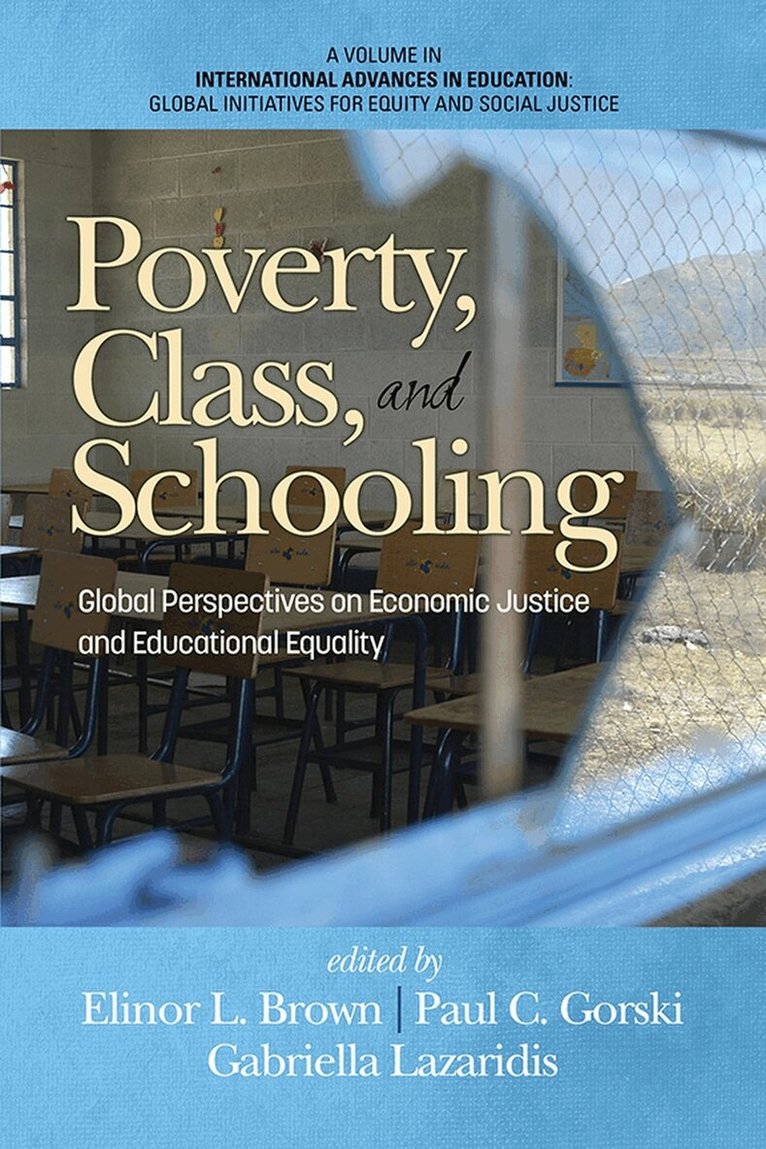
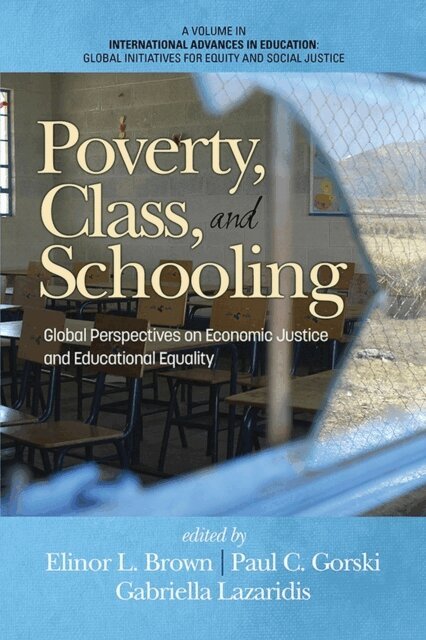
International Advances in Education: Global Initiatives for Equity and Social Justice is an international research monograph series of scholarly works that primarily focus on empowering students (children, adolescents, and young adults) from diverse current circumstances and historic beliefs and traditions to become non-exploited/non-exploitive contributing members of the 21st century. The series draws on the research and innovative practices of investigators, academics, and community organizers around the globe that have contributed to the evidence base for developing sound educational policies, practices, and programs that optimize all students' potential. Each volume includes multidisciplinary theory, research, and practices that provide an enriched understanding of the drivers of human potential via education to assist others in exploring, adapting, and replicating innovative strategies that enable ALL students to realize their full potential. Chapters in this volume are drawn from a wide range of countries including: Australia, Brazil, Canada, China, Finland, Georgia, Haiti, India, Italy, Kyrgyzstan, Portugal, Slovenia, Tanzania, Ukraine, and The United States all addressing issues of educational inequity, economic constraint, class bias and the links between education, poverty and social status.The individual chapters provide examples of theory, research, and practice that collectively present a lively, informative, cross-perspective, international conversation highlighting the significant gross economic and social injustices that abound in a wide variety of educational contexts around the world while spotlighting important, inspirational, and innovative remedies. Taken together, the chapters advance our understanding of best practices in the education of economically disadvantaged and socially marginalized populations while collectively rejecting institutional policies and traditional practices that reinforce the roots of economic and social discrimination. Chapter authors, utilize a range of methodologies including empirical research, historical reviews, case studies and personal reflections to demonstrate that poverty and class status are sociopolitical conditions, rather than individual identities. In addition, that education is an absolute human right and a powerful mechanism to promote individual, national, and international upward social and economic mobility, national stability and citizen wellbeing.
Inbunden, Engelska, 2014
1 109 kr
Skickas inom 5-8 vardagar
International Advances in Education: Global Initiatives for Equity and Social Justice is an international research monograph series of scholarly works that primarily focus on empowering students (children, adolescents, and young adults) from diverse current circumstances and historic beliefs and traditions to become non-exploited/non-exploitive contributing members of the 21st century. The series draws on the research and innovative practices of investigators, academics, and community organizers around the globe that have contributed to the evidence base for developing sound educational policies, practices, and programs that optimize all students' potential. Each volume includes multidisciplinary theory, research, and practices that provide an enriched understanding of the drivers of human potential via education to assist others in exploring, adapting, and replicating innovative strategies that enable ALL students to realize their full potential. Chapters in this volume are drawn from a wide range of countries including: Australia, Brazil, Canada, China, Finland, Georgia, Haiti, India, Italy, Kyrgyzstan, Portugal, Slovenia, Tanzania, Ukraine, and The United States all addressing issues of educational inequity, economic constraint, class bias and the links between education, poverty and social status.The individual chapters provide examples of theory, research, and practice that collectively present a lively, informative, cross-perspective, international conversation highlighting the significant gross economic and social injustices that abound in a wide variety of educational contexts around the world while spotlighting important, inspirational, and innovative remedies. Taken together, the chapters advance our understanding of best practices in the education of economically disadvantaged and socially marginalized populations while collectively rejecting institutional policies and traditional practices that reinforce the roots of economic and social discrimination. Chapter authors, utilize a range of methodologies including empirical research, historical reviews, case studies and personal reflections to demonstrate that poverty and class status are sociopolitical conditions, rather than individual identities. In addition, that education is an absolute human right and a powerful mechanism to promote individual, national, and international upward social and economic mobility, national stability and citizen wellbeing.
Häftad, Engelska, 2016
655 kr
Skickas inom 5-8 vardagar
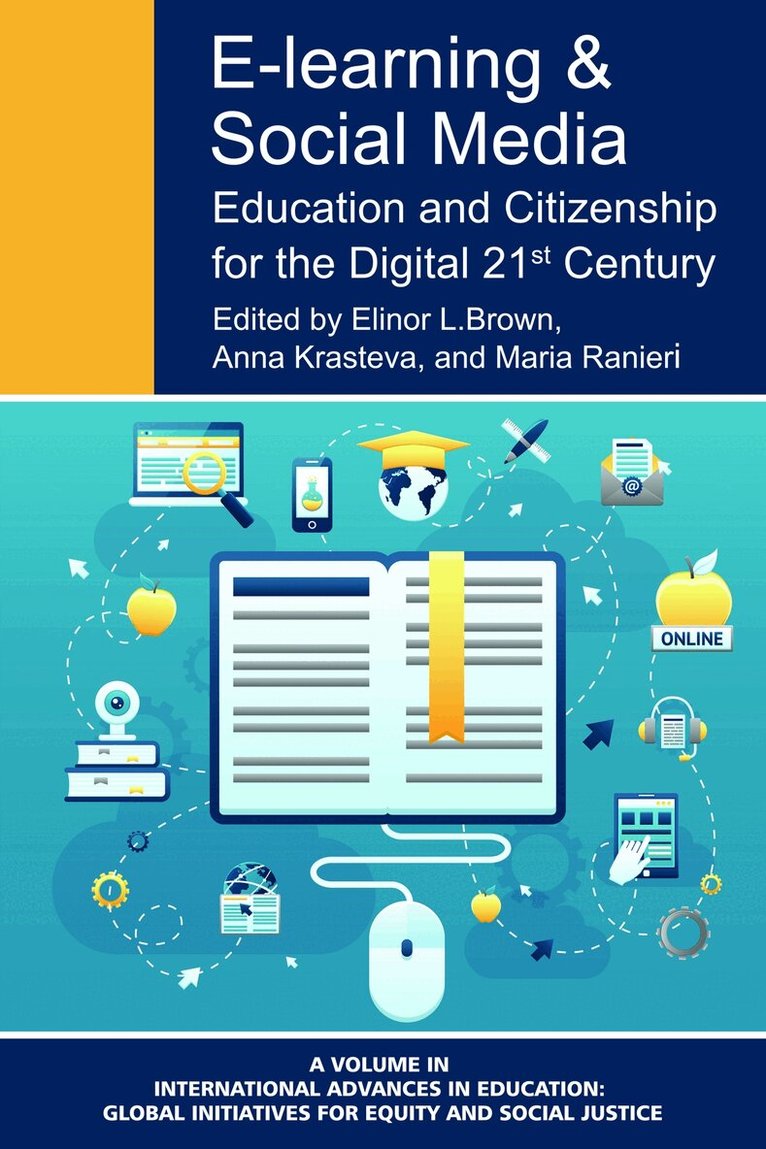
International Advances in Education: Global Initiatives for Equity and Social Justice is an international research monograph series of scholarly works that focuses primarily on empowering children, adolescents, and young adults from diverse educational, socio-cultural, linguistic, religious, racial, ethnic, and socio-economic settings to become non-exploited/non-exploitive contributing members of the global community. The series draws on the international community of investigators, academics, and community organizers that have contributed to the evidence base for developing sound educational policies, practices, and innovative programs to optimize the potential of all students. Each themed volume includes multi-disciplinary theory, research, and practice that provides an enriched understanding of the drivers of human potential via education to assist readers in exploring, adapting, and replicating innovative strategies that enable ALL students to realize their full potential.Among these strategies are the integration of digital technologies (DT) and information and communication technologies (ICT) into contemporary education platforms. However, technology must be more than just a tool to deliver content and stimulate engagement; it must become a means to broaden access to learning, advance equity, promote social justice, and encourage social inclusion. Especially reaching out to address the academic and social needs of rural, impoverished, marginalized, and displaced populations. Though the digital divide continues to hinder educational attainment for underprivileged populations, ICTs are providing significant opportunities to deliver literacy and basic skills instruction to disadvantaged segments of the global population as well as engage, motivate, and customize learning to address local needs. Nonetheless, the availability of ICT is not a deterministic process. Other societal, cultural, political and contextual factors are of fundamental importance to acceptance and integration that enables people to benefit from technology. The relationship between educational access, instructional delivery, and ICT should be considered in more complex terms. In particular, digital technologies should be viewed as instructional tools that improve access to educational opportunities, strengthen cultural resources, promote social and economic equity, and provide students with the knowledge and competencies to prepare them for a future that cannot be predicted. Therefore, developing ICT and media capabilities that instill citizenship and stewardship in today’s students is crucial to gleaning the social and cultural advantages of a contemporary global society that encourages full and equal citizenship.Citizenship education refers to two understandings of citizenship: as belonging and as engagement. The first is focused on national identity and valorizes the values of justice and democracy, as well as language and culture as the roots bridging the personality of children to the community of solidarity and shared norms. The second understanding of citizenship complements the ‘roots’ with ‘roads’, with the choices made by the individual, with the capacity to form and develop the child’s personality into the actor and author of his/her educational, professional, and life projects. The adolescent prepares to become an active, committed, and engaged citizen with the intellectual capacity for critical thinking that leads to responsible actions. Digital citizenship expresses the transformations of both belonging to and engaging in the information society and contributes to the development of generation “Y” with the aspiration to innovate and experiment, to explore the possibilities of the new digital world, to question authorities and instances of knowledge and power. Education addresses digital citizenship by opening more avenues for the intersection of Internet, imagination, and exploration.Volume 10, E-learning & Social Media: Education and Citizenship for the Digital 21st Century, addresses the use of technology in: developing and expanding educational delivery systems to reach rural populations, providing access to equitable education opportunities for disadvantaged and marginalized populations, and encouraging student civic engagement. The volume evaluates e-learning programs (distributed through the Internet, via satellite and hosted on social media) that promote equitable education for disadvantaged populations; examines the challenges and benefits of social media on student self-identity, collaboration, and academic engagement; shares promising practices associated with technology in education and e-citizenship in the 21st century, and advances the discussion on blending global citizenship education and social media that raises student awareness, accountability and social justice involvement.
Inbunden, Engelska, 2016
1 109 kr
Skickas inom 5-8 vardagar
International Advances in Education: Global Initiatives for Equity and Social Justice is an international research monograph series of scholarly works that focuses primarily on empowering children, adolescents, and young adults from diverse educational, socio-cultural, linguistic, religious, racial, ethnic, and socio-economic settings to become non-exploited/non-exploitive contributing members of the global community. The series draws on the international community of investigators, academics, and community organizers that have contributed to the evidence base for developing sound educational policies, practices, and innovative programs to optimize the potential of all students. Each themed volume includes multi-disciplinary theory, research, and practice that provides an enriched understanding of the drivers of human potential via education to assist readers in exploring, adapting, and replicating innovative strategies that enable ALL students to realize their full potential.Among these strategies are the integration of digital technologies (DT) and information and communication technologies (ICT) into contemporary education platforms. However, technology must be more than just a tool to deliver content and stimulate engagement; it must become a means to broaden access to learning, advance equity, promote social justice, and encourage social inclusion. Especially reaching out to address the academic and social needs of rural, impoverished, marginalized, and displaced populations. Though the digital divide continues to hinder educational attainment for underprivileged populations, ICTs are providing significant opportunities to deliver literacy and basic skills instruction to disadvantaged segments of the global population as well as engage, motivate, and customize learning to address local needs. Nonetheless, the availability of ICT is not a deterministic process. Other societal, cultural, political and contextual factors are of fundamental importance to acceptance and integration that enables people to benefit from technology. The relationship between educational access, instructional delivery, and ICT should be considered in more complex terms. In particular, digital technologies should be viewed as instructional tools that improve access to educational opportunities, strengthen cultural resources, promote social and economic equity, and provide students with the knowledge and competencies to prepare them for a future that cannot be predicted. Therefore, developing ICT and media capabilities that instill citizenship and stewardship in today’s students is crucial to gleaning the social and cultural advantages of a contemporary global society that encourages full and equal citizenship.Citizenship education refers to two understandings of citizenship: as belonging and as engagement. The first is focused on national identity and valorizes the values of justice and democracy, as well as language and culture as the roots bridging the personality of children to the community of solidarity and shared norms. The second understanding of citizenship complements the ‘roots’ with ‘roads’, with the choices made by the individual, with the capacity to form and develop the child’s personality into the actor and author of his/her educational, professional, and life projects. The adolescent prepares to become an active, committed, and engaged citizen with the intellectual capacity for critical thinking that leads to responsible actions. Digital citizenship expresses the transformations of both belonging to and engaging in the information society and contributes to the development of generation “Y” with the aspiration to innovate and experiment, to explore the possibilities of the new digital world, to question authorities and instances of knowledge and power. Education addresses digital citizenship by opening more avenues for the intersection of Internet, imagination, and exploration.Volume 10, E-learning & Social Media: Education and Citizenship for the Digital 21st Century, addresses the use of technology in: developing and expanding educational delivery systems to reach rural populations, providing access to equitable education opportunities for disadvantaged and marginalized populations, and encouraging student civic engagement. The volume evaluates e-learning programs (distributed through the Internet, via satellite and hosted on social media) that promote equitable education for disadvantaged populations; examines the challenges and benefits of social media on student self-identity, collaboration, and academic engagement; shares promising practices associated with technology in education and e-citizenship in the 21st century, and advances the discussion on blending global citizenship education and social media that raises student awareness, accountability and social justice involvement.
Häftad, Engelska, 2017
590 kr
Skickas inom 5-8 vardagar
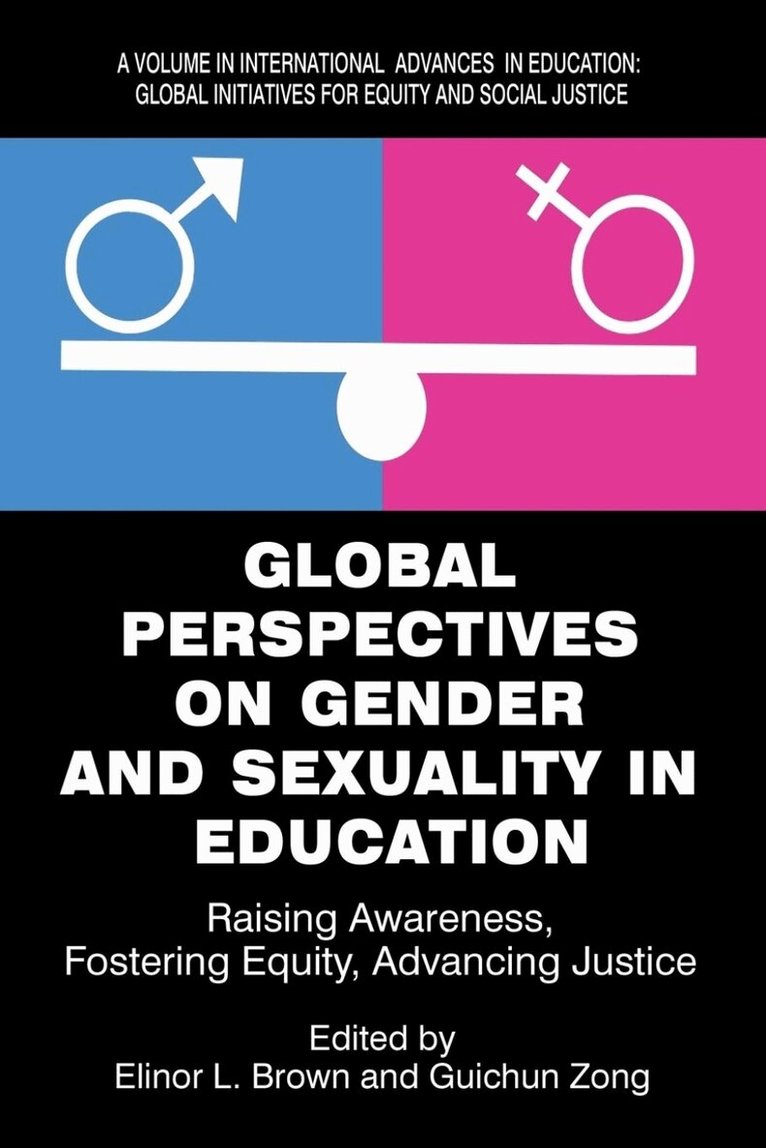
International Advances in Education: Global Initiatives for Equity and Social Justice is an international research monograph series that contributes to the body of inclusive educational policies and practices focused on: empowering society’s most vulnerable groups; raising the ethical consciousness of those in positions of authority; and encouraging all to take up the mantle of global equity in educational opportunity, economic freedom and human dignity. Each themed volume in this series draws on the research and innovative practices of investigators, academics, educators, politicians, administrators, and community organizers around the globe.This volume consists of three sections; each centered on an aspect of gender equity in the context of education. The chapters are drawn from a wide range of countries including: Australia, China, Gambia, India, Italy, Kenya, Kyrgyzstan, Laos, Slovenia, Swaziland, Grenada, Jamaica, Trinidad, Tobago, The United States, and Turkey addressing issues of gender equity, citizenship education, egalitarianism in sexual orientation, and strategies to combat human trafficking. The 15 chapters document both the progress and challenges facing those who strive for gender equity in access to education, the portrayal of women in curricula, and the acceptance of diverse sexual orientations within differing country contexts and provide an overview of promising policies, practices and replicable successful programs.
Inbunden, Engelska, 2017
1 044 kr
Skickas inom 5-8 vardagar
International Advances in Education: Global Initiatives for Equity and Social Justice is an international research monograph series that contributes to the body of inclusive educational policies and practices focused on: empowering society’s most vulnerable groups; raising the ethical consciousness of those in positions of authority; and encouraging all to take up the mantle of global equity in educational opportunity, economic freedom and human dignity. Each themed volume in this series draws on the research and innovative practices of investigators, academics, educators, politicians, administrators, and community organizers around the globe.This volume consists of three sections; each centered on an aspect of gender equity in the context of education. The chapters are drawn from a wide range of countries including: Australia, China, Gambia, India, Italy, Kenya, Kyrgyzstan, Laos, Slovenia, Swaziland, Grenada, Jamaica, Trinidad, Tobago, The United States, and Turkey addressing issues of gender equity, citizenship education, egalitarianism in sexual orientation, and strategies to combat human trafficking. The 15 chapters document both the progress and challenges facing those who strive for gender equity in access to education, the portrayal of women in curricula, and the acceptance of diverse sexual orientations within differing country contexts and provide an overview of promising policies, practices and replicable successful programs.