Paul C. Gorski – författare
2 337 kr
Skickas inom 10-15 vardagar
541 kr
Skickas inom 10-15 vardagar
379 kr
Skickas inom 5-8 vardagar
1 456 kr
Skickas inom 3-6 vardagar
393 kr
Skickas inom 5-8 vardagar
1 290 kr
Skickas inom 11-20 vardagar
1 258 kr
Skickas inom 5-8 vardagar
433 kr
Skickas inom 5-8 vardagar
588 kr
Läs direkt efter köp
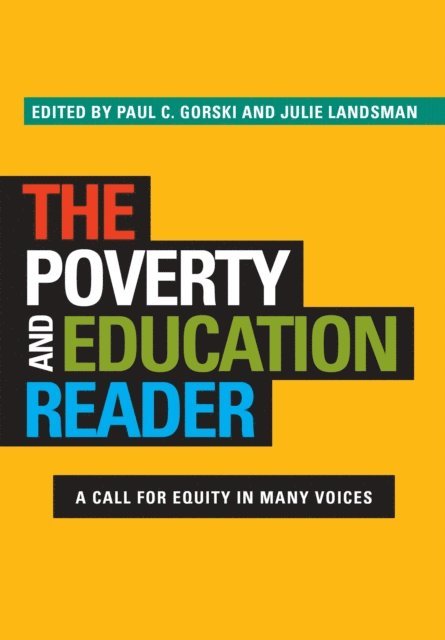
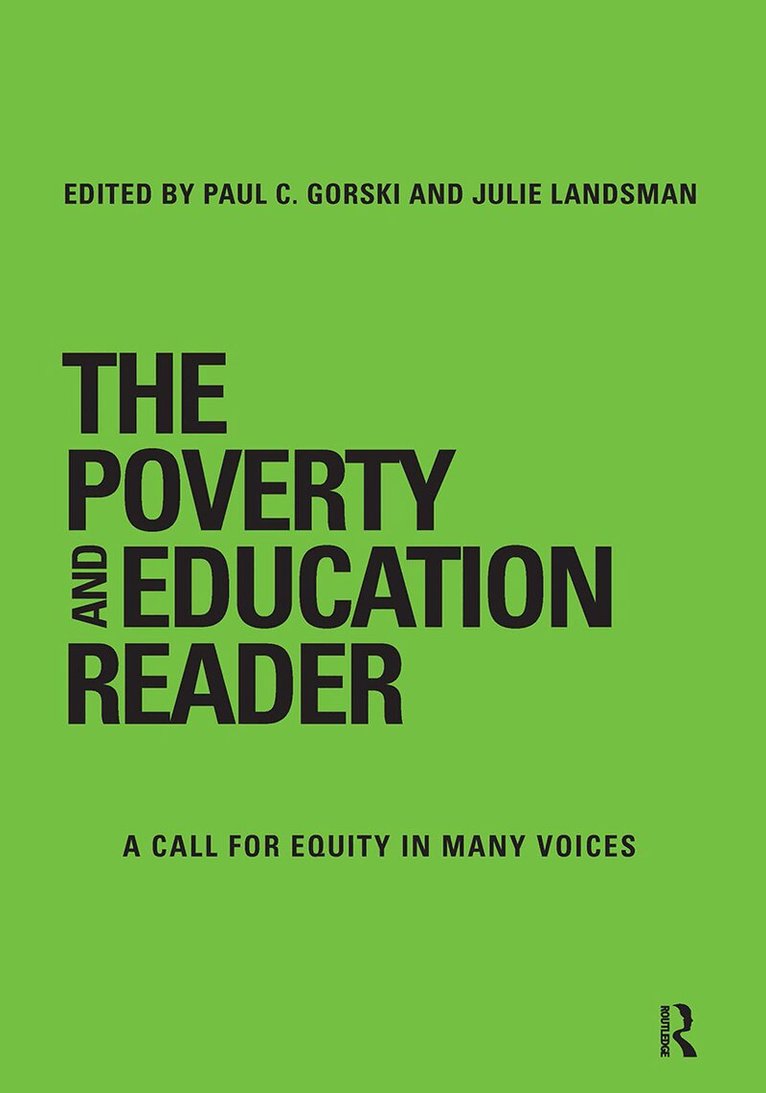
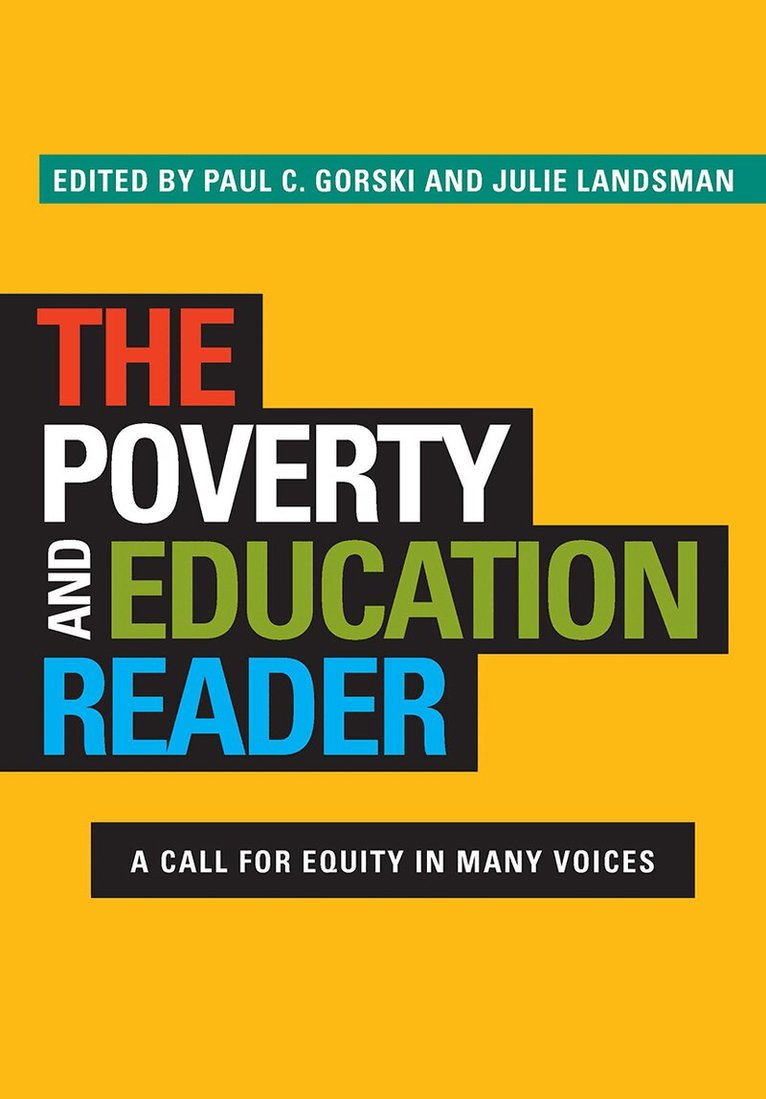
Through a rich mix of essays, memoirs, and poetry, the contributors to The Poverty and Education Reader bring to the fore the schooling experiences of poor and working class students, highlighting the resiliency, creativity, and educational aspirations of low-income families. They showcase proven strategies that imaginative teachers and schools have adopted for closing the opportunity gap, demonstrating how they have succeeded by working in partnership with low-income families, and despite growing class sizes, the imposition of rote pedagogical models, and teach-to-the-test mandates. The contributors—teachers, students, parents, educational activists, and scholars—repudiate the prevalent, but too rarely discussed, deficit views of students and families in poverty. Rather than focusing on how to “fix” poor and working class youth, they challenge us to acknowledge the ways these youth and their families are disenfranchised by educational policies and practices that deny them the opportunities enjoyed by their wealthier peers. Just as importantly, they offer effective school and classroom strategies to mitigate the effects of educational inequality on students in poverty. Rejecting the simplistic notion that a single program, policy, or pedagogy can undo social or educational inequalities, this Reader inspires and equips educators to challenge the disparities to which underserved communities are subjected. It is a positive resource for students of education and for teachers, principals, social workers, community organizers, and policy makers who want to make the promise of educational equality a reality.
572 kr
Läs direkt efter köp
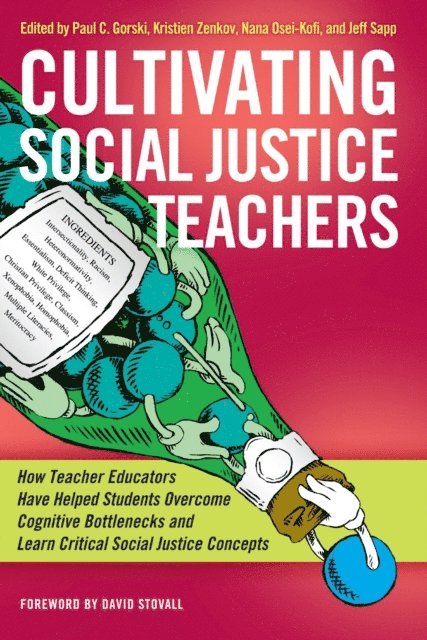
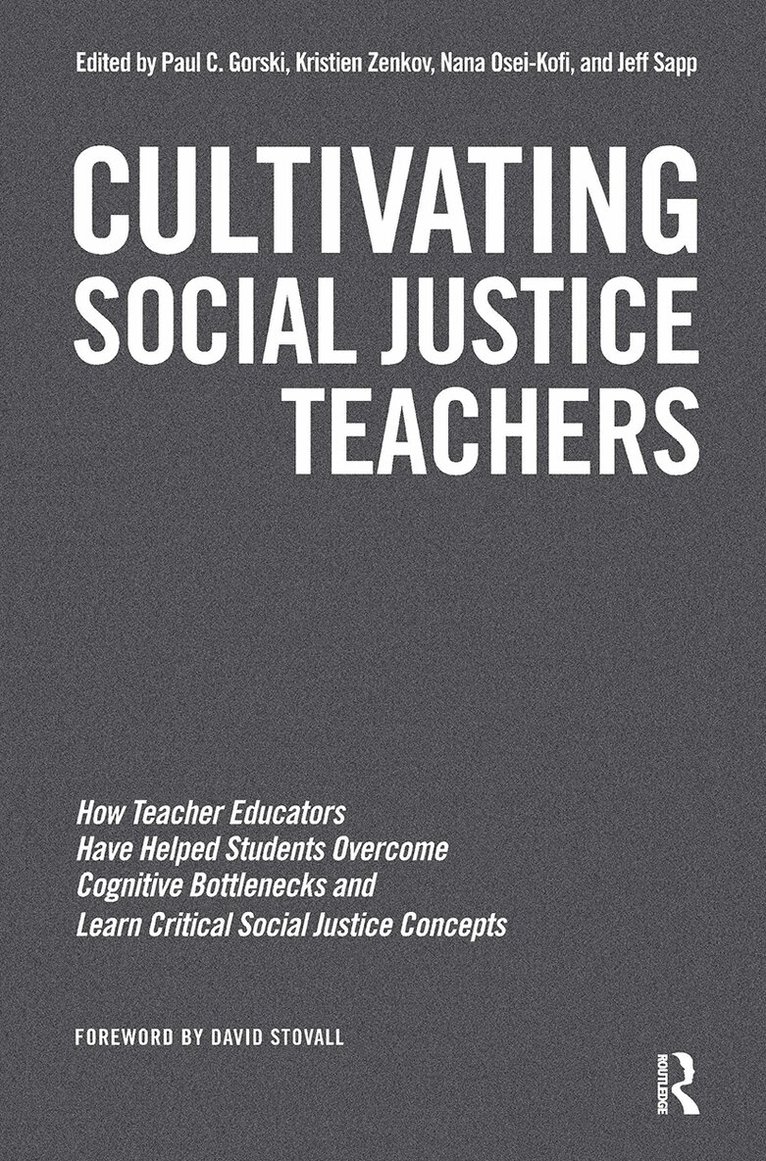
Frustrated by the challenge of opening teacher education students to a genuine understanding of the social justice concepts vital for creating an equitable learning environment?Do your students ever resist accepting that lesbian, gay, bisexual, transgender, or queer people experience bias or oppression, or that their experiences even belong in a conversation about “diversity,” “multiculturalism,” or “social justice?”Recognizing these are common experiences for teacher educators, the contributors to this book present their struggles and achievements in developing approaches that have successfully guided students to complex understandings of such threshold concepts as White privilege, homophobia, and heteronormativity, overcoming the “bottlenecks” that impede progress toward bigger learning goals and understandings. The authors initiate a conversation – one largely absent in the social justice education literature and the discourse – about the common content- and pedagogy-related challenges that social justice educators face in their work, particularly for those doing this work in relative or literal isolation, where collegial understanding cannot be found down the hall or around the corner. In doing so they hope not only to help individual teachers in their practice, but also strengthen social justice teacher education more systemically. Each contributor identifies a learning bottleneck related to one or two specific threshold concepts that they have struggled to help their students learn. Each chapter is a narrative about individual efforts toward sometimes profound pedagogical adjustment, about ambiguity and cognitive dissonance and resistance, about trial and error, and about how these educators found ways to facilitate foundational social justice learning among a diversity of education students. Although this is not intended to be a “how-to” manual, or to provide five easy steps to enable straight students to “get” heteronormativity, each chapter does describe practical strategies that teachers might adapt as part of their own practice.
588 kr
Läs direkt efter köp
Through a rich mix of essays, memoirs, and poetry, the contributors to The Poverty and Education Reader bring to the fore the schooling experiences of poor and working class students, highlighting the resiliency, creativity, and educational aspirations of low-income families. They showcase proven strategies that imaginative teachers and schools have adopted for closing the opportunity gap, demonstrating how they have succeeded by working in partnership with low-income families, and despite growing class sizes, the imposition of rote pedagogical models, and teach-to-the-test mandates. The contributors—teachers, students, parents, educational activists, and scholars—repudiate the prevalent, but too rarely discussed, deficit views of students and families in poverty. Rather than focusing on how to “fix” poor and working class youth, they challenge us to acknowledge the ways these youth and their families are disenfranchised by educational policies and practices that deny them the opportunities enjoyed by their wealthier peers. Just as importantly, they offer effective school and classroom strategies to mitigate the effects of educational inequality on students in poverty. Rejecting the simplistic notion that a single program, policy, or pedagogy can undo social or educational inequalities, this Reader inspires and equips educators to challenge the disparities to which underserved communities are subjected. It is a positive resource for students of education and for teachers, principals, social workers, community organizers, and policy makers who want to make the promise of educational equality a reality.
572 kr
Läs direkt efter köp
Frustrated by the challenge of opening teacher education students to a genuine understanding of the social justice concepts vital for creating an equitable learning environment?Do your students ever resist accepting that lesbian, gay, bisexual, transgender, or queer people experience bias or oppression, or that their experiences even belong in a conversation about “diversity,” “multiculturalism,” or “social justice?”Recognizing these are common experiences for teacher educators, the contributors to this book present their struggles and achievements in developing approaches that have successfully guided students to complex understandings of such threshold concepts as White privilege, homophobia, and heteronormativity, overcoming the “bottlenecks” that impede progress toward bigger learning goals and understandings. The authors initiate a conversation – one largely absent in the social justice education literature and the discourse – about the common content- and pedagogy-related challenges that social justice educators face in their work, particularly for those doing this work in relative or literal isolation, where collegial understanding cannot be found down the hall or around the corner. In doing so they hope not only to help individual teachers in their practice, but also strengthen social justice teacher education more systemically. Each contributor identifies a learning bottleneck related to one or two specific threshold concepts that they have struggled to help their students learn. Each chapter is a narrative about individual efforts toward sometimes profound pedagogical adjustment, about ambiguity and cognitive dissonance and resistance, about trial and error, and about how these educators found ways to facilitate foundational social justice learning among a diversity of education students. Although this is not intended to be a “how-to” manual, or to provide five easy steps to enable straight students to “get” heteronormativity, each chapter does describe practical strategies that teachers might adapt as part of their own practice.
523 kr
Läs direkt efter köp
Case Studies on Diversity and Social Justice Education offers pre- and in-service educators the opportunity to analyze and reflect upon a variety of real-life scenarios related to educational equity and social justice. The accessibly written cases allow educators to practice considering a range of contextual factors, check their own biases, and make immediate and longer-term decisions about how to create and sustain equitable learning environments for all students.
Unique to this case study collection is a section of expert insights related to each case and a seven-point process for examining case studies. This framework guides readers through the process of identifying, examining, reflecting on, and taking concrete steps to resolve inequities and injustice in schools. Features of the third edition include:
Ten new case studies and updates to existing cases that reflect societal contexts A series of questions to guide discussions for each case; and A section of facilitator notes called "Points for Consideration" that provide valuable insight for understanding how inequity is operating in each caseThe cases themselves present everyday examples of the ways in which racism, sexism, cisgenderism, homophobia and heterosexism, class inequities, language bias, religious-based oppression, and other equity and diversity concerns affect students, teachers, families, and other members of our school communities. They involve classroom, school, and district issues that are relevant to all grade levels and content areas, allowing significant flexibility in how and with whom they are used.
505 kr
Läs direkt efter köp
Case Studies on Diversity and Social Justice Education offers pre- and in-service educators the opportunity to analyze and reflect upon a variety of real-life scenarios related to educational equity and social justice. The accessibly written cases allow educators to practice considering a range of contextual factors, check their own biases, and make immediate and longer-term decisions about how to create and sustain equitable learning environments for all students.
Unique to this case study collection is a section of expert insights related to each case and a seven-point process for examining case studies. This framework guides readers through the process of identifying, examining, reflecting on, and taking concrete steps to resolve inequities and injustice in schools. Features of the third edition include:
Ten new case studies and updates to existing cases that reflect societal contexts A series of questions to guide discussions for each case; and A section of facilitator notes called "Points for Consideration" that provide valuable insight for understanding how inequity is operating in each caseThe cases themselves present everyday examples of the ways in which racism, sexism, cisgenderism, homophobia and heterosexism, class inequities, language bias, religious-based oppression, and other equity and diversity concerns affect students, teachers, families, and other members of our school communities. They involve classroom, school, and district issues that are relevant to all grade levels and content areas, allowing significant flexibility in how and with whom they are used.
446 kr
Skickas inom 10-15 vardagar
1 996 kr
Skickas inom 10-15 vardagar
637 kr
Läs direkt efter köp
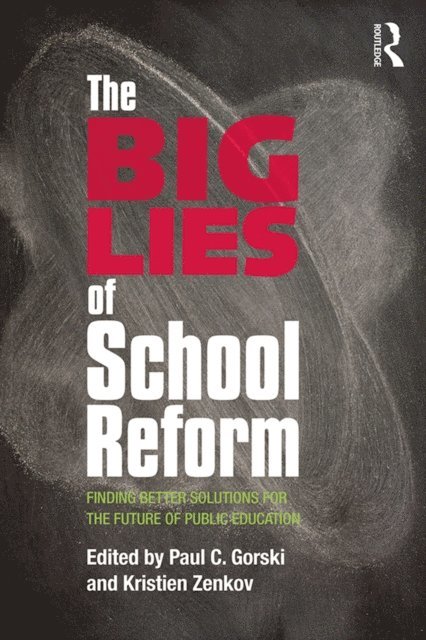
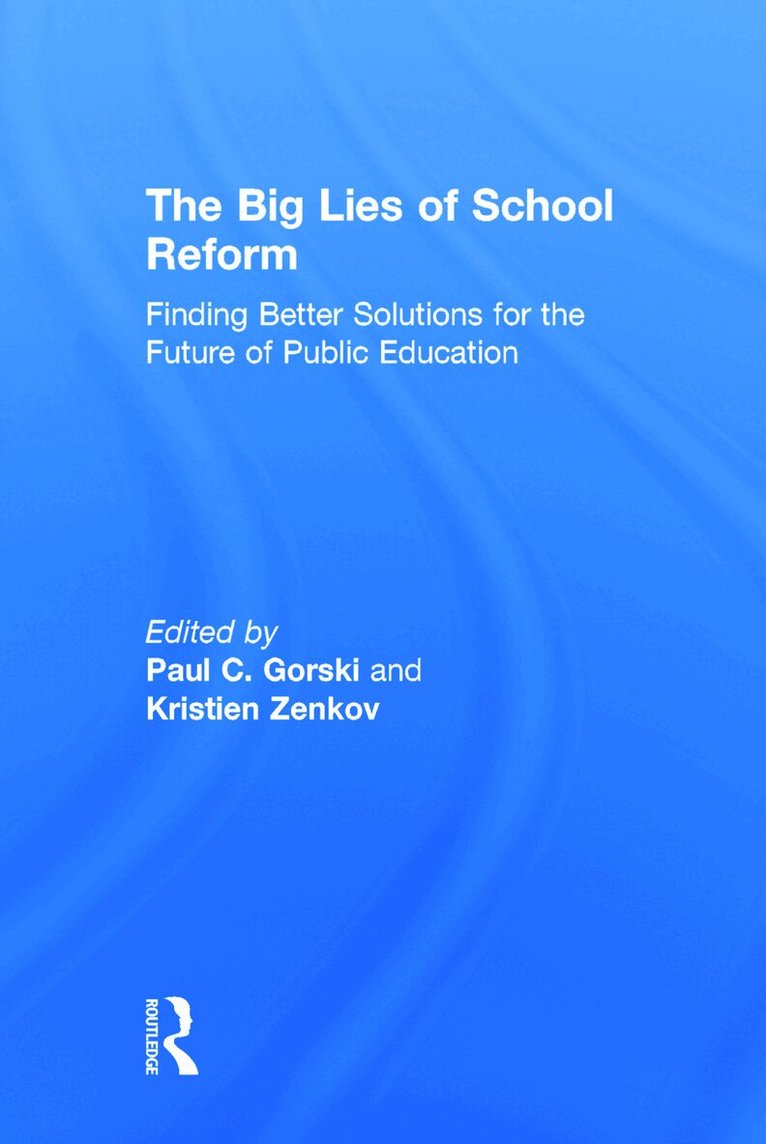
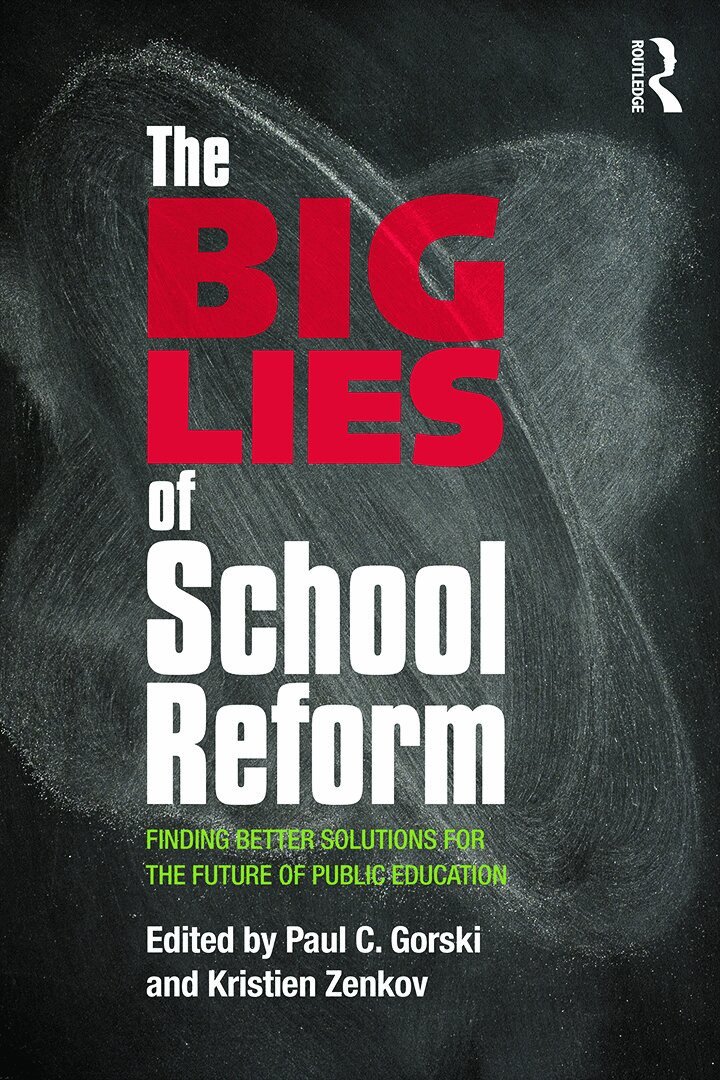
The Big Lies of School Reform provides a critical interruption to the ongoing policy conversations taking place around public education in the United States today. By analyzing the discourse employed by politicians, lobbyists, think tanks, and special interest groups, the authors uncover the hidden assumptions that often underlie popular statements about school reform, and demonstrate how misinformation or half-truths have been used to reshape public education in ways that serve the interests of private enterprise.
Through a thoughtful series of essays that each identify one “lie“ about popular school reform initiatives, the authors of this collection reveal the concrete impacts of these falsehoods—from directing funding to shaping curricula to defining student achievement. Luminary contributors including Deborah Meier, Jeannie Oakes, Gloria Ladson-Billings, and Jim Cummins explain how reform movements affect teachers and administrators, and how widely-accepted mistruths can hinder genuine efforts to keep public education equitable, effective, and above all, truly public. Topics covered include common core standards, tracking, alternative paths to licensure, and the disempowerment of teachers’ unions. Beyond critically examining the popular rhetoric, the contributors offer visions for improving educational access, opportunity, and outcomes for all students and educators, and for protecting public education as a common good.
637 kr
Läs direkt efter köp
The Big Lies of School Reform provides a critical interruption to the ongoing policy conversations taking place around public education in the United States today. By analyzing the discourse employed by politicians, lobbyists, think tanks, and special interest groups, the authors uncover the hidden assumptions that often underlie popular statements about school reform, and demonstrate how misinformation or half-truths have been used to reshape public education in ways that serve the interests of private enterprise.
Through a thoughtful series of essays that each identify one “lie“ about popular school reform initiatives, the authors of this collection reveal the concrete impacts of these falsehoods—from directing funding to shaping curricula to defining student achievement. Luminary contributors including Deborah Meier, Jeannie Oakes, Gloria Ladson-Billings, and Jim Cummins explain how reform movements affect teachers and administrators, and how widely-accepted mistruths can hinder genuine efforts to keep public education equitable, effective, and above all, truly public. Topics covered include common core standards, tracking, alternative paths to licensure, and the disempowerment of teachers’ unions. Beyond critically examining the popular rhetoric, the contributors offer visions for improving educational access, opportunity, and outcomes for all students and educators, and for protecting public education as a common good.
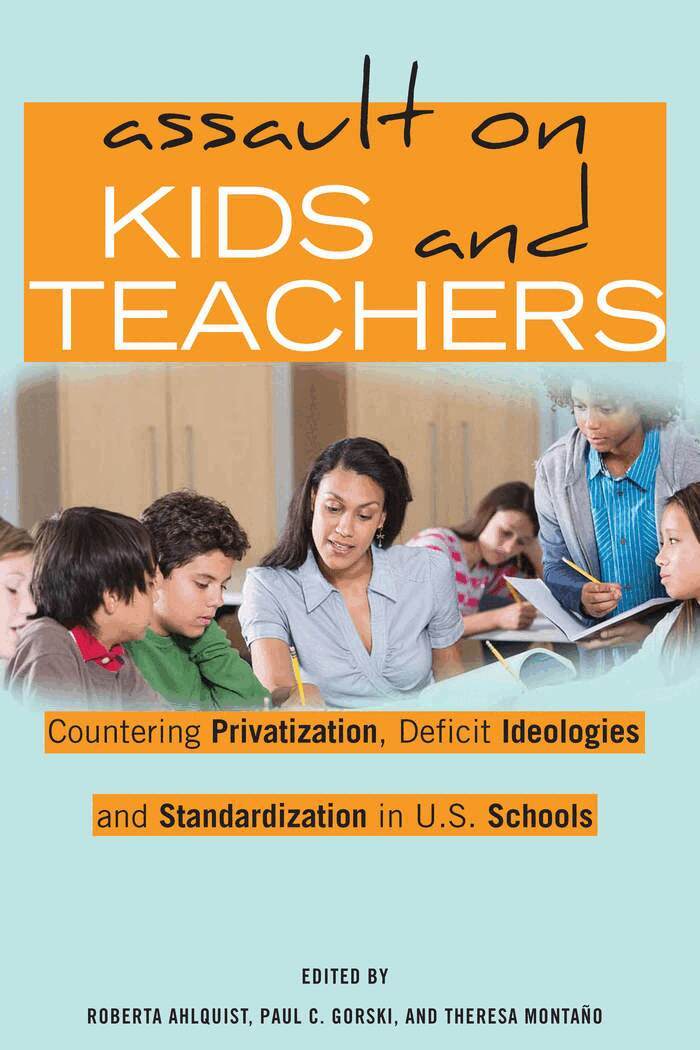
Assault on Kids and Teachers
Countering Privatization, Deficit Ideologies and Standardization in U.S. Schools
444 kr
Skickas inom 5-8 vardagar
Assault on Kids and Teachers
Countering Privatization, Deficit Ideologies and Standardization in U.S. Schools
1 395 kr
Skickas inom 5-8 vardagar
952 kr
Skickas inom 10-15 vardagar
493 kr
Skickas inom 10-15 vardagar
530 kr
Läs direkt efter köp
1 366 kr
Skickas inom 10-15 vardagar
583 kr
Skickas inom 10-15 vardagar
1 090 kr
Skickas inom 5-8 vardagar
1 625 kr
Läs direkt efter köp
Multicultural counseling and psychology evolved as a response to the Eurocentrism prevalent in the Western healing professions and has been used to challenge the Eurocentric, patriarchal, and heteronormative constructs commonly embedded in counseling and psychology. Ironically, some of the practices and paradigms commonly associated with “multiculturalism” reinforce the very hegemonic practices and paradigms that multicultural counseling and psychology approaches were created to correct.
In Decolonizing "Multicultural" Counseling through Social Justice, counseling and psychology scholars and practitioners examine this paradox through a social justice lens by questioning and challenging the infrastructure of dominance in society, as well as by challenging ourselves as practitioners, scholars, and activists to rethink our commitments. The authors analyze the ways well-meaning clinicians might marginalize clients and contribute to structural inequities despite multicultural or cross-cultural training, and offer new frameworks and skills to replace the essentializing and stereotyping practices that are widespread in the field. By addressing the power imbalances embedded in key areas of multicultural theory and practice, contributors present innovative methods for revising research paradigms, professional education, and hands-on practice to reflect a commitment to equity and social justice. Together, the chapters in this book model transformative practice in the clinic, the schools, the community, and the discipline. Among the topics covered:
Rethinking racial identity development models.Queering multicultural competence in counseling.Developing a liberatory approach to trauma counseling.Decolonizing psychological practice in the context of poverty.Utilizing indigenous paradigms in counseling research.Addressing racism through intersectionality.A mind-opening text for multicultural counseling and psychology courses as well as other foundational courses in counseling and psychology education, Decolonizing "Multicultural" Counseling through Social Justice challenges us to let go of simplistic approaches, however well-intended, and to embrace a more transformative approach to counseling and psychology practice and scholarship.
732 kr
Skickas inom 5-8 vardagar
2 133 kr
Skickas inom 10-15 vardagar
501 kr
Skickas inom 10-15 vardagar