• Fri frakt över 249 kr
  • •
  • Snabba leveranser
  • •
  • Billiga böcker
Kundservice

Du är på sajten för privatpersoner.

Företag, bibliotek eller offentlig verksamhet?

Du handlar på classic.bokus.com, där alla dina funktioner finns intakta.
Till classic.bokus.com
Bokus logotyp. Gå till startsidan.
  • Erbjudanden
  • Nyheter
  • Student
  • Topplistor
  • Barn & ungdom
  • Bokus Play
  • E-böcker
  • Pocketböcker
  • Spel & pussel

10% rabatt på allt med kod NYSTART10 →

Sidfot

Mina sidor

    Hjälp

    • Kundservice
    • Vanliga frågor och svar
    • Frakt och leverans
    • Retur vid ångerrätt
    • Reklamera vara
    • Betalning
    • Köpvillkor
    • Allmänna villkor
    • Information om webbplatsens tillgänglighet

    Om Bokus

    • Om oss
    • Pressrum
    • För studenter
    • För företag
    • För bibliotek och offentlig verksamhet
    • För leverantörer
    • Hållbarhet

    Populärt

    • Aktuella erbjudanden
    • Presentkort
    • Studentlitteratur
    • Nya böcker
    • Topplistor
    • Signerade böcker
    • Engelska böcker

    Inspiration

    • Boktips
    • BookTok
    • Populära bokserier
    • Barnbokskaraktärer
    • Populära författare
    Logotyp för Bokus
    Följ oss på Facebook (extern länk)Följ oss på Instagram (extern länk)Följ oss på YouTube (extern länk)Följ oss på TikTok (extern länk)
    bokus @ CookiesAnpassa cookiesIntegritetspolicyKöpvillkor
    Till Citymail hemsida (extern länk)Till Budbee hemsida (extern länk)Till Postnord hemsida (extern länk)Till Schenker hemsida (extern länk)Till Early Bird hemsida (extern länk)Till Walleys hemsida (extern länk)
    1. Samhälle och politik
    2. Samhälle och kultur
    3. Sociala och etiska frågor

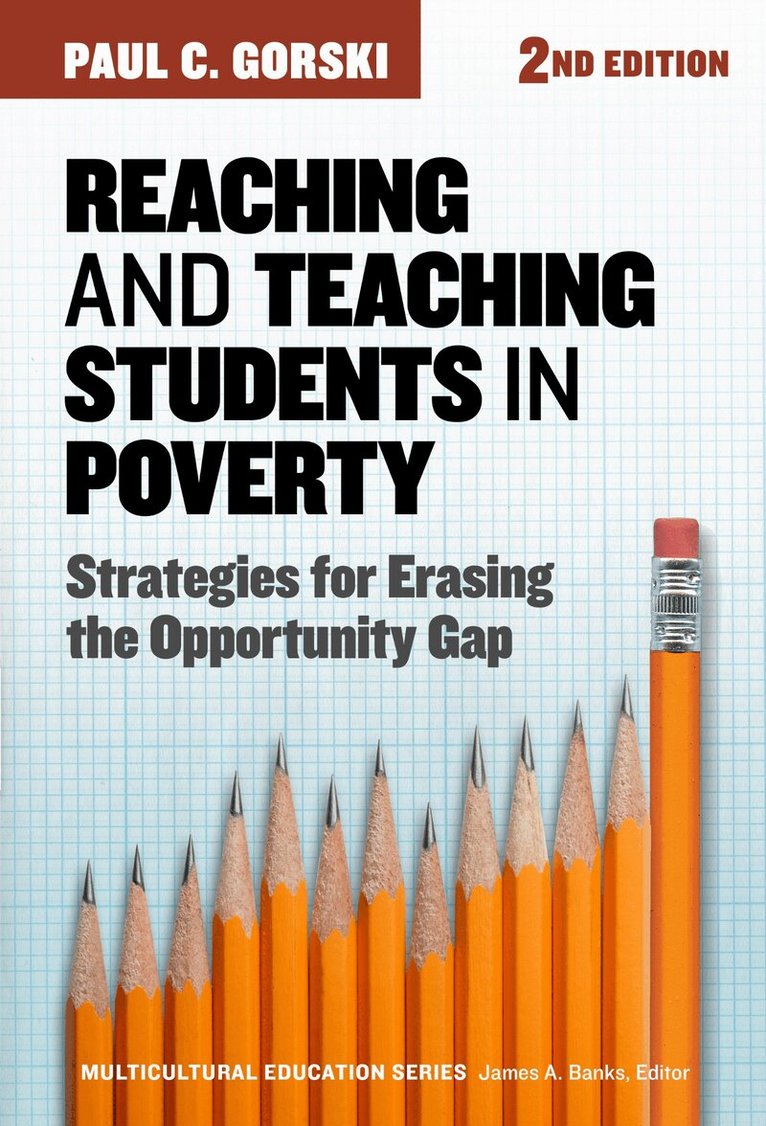
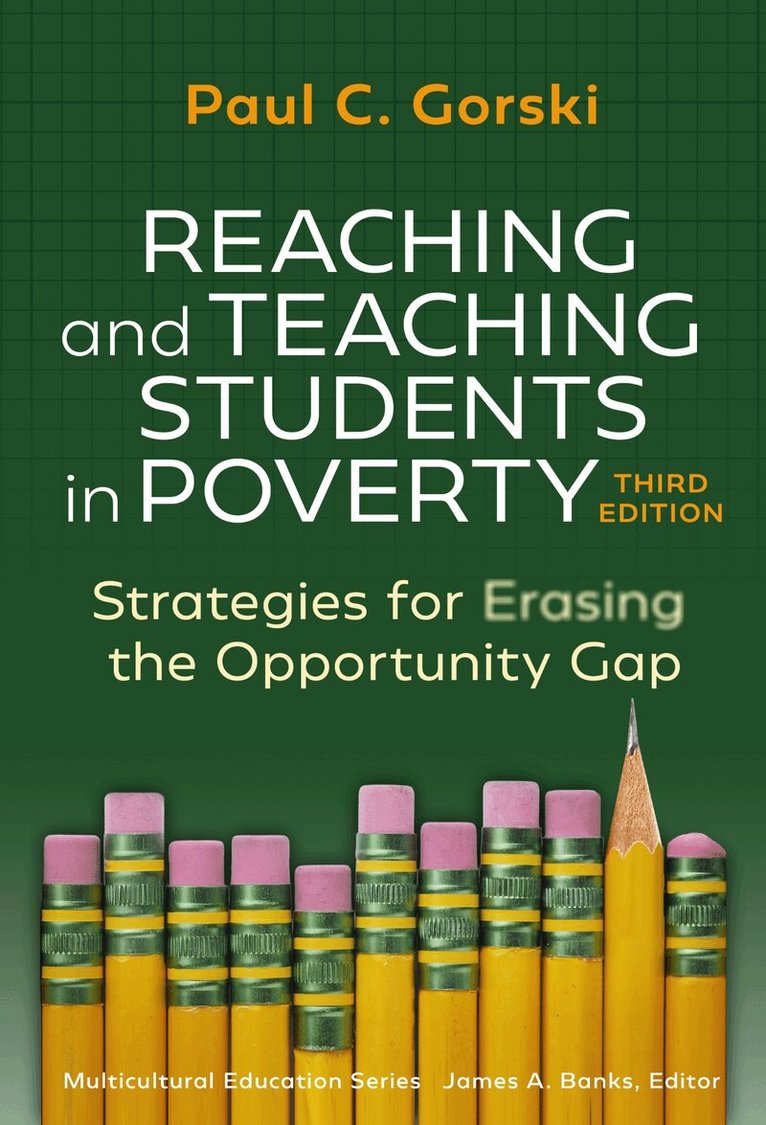
    Reaching and Teaching Students in Poverty

    Strategies for Erasing the Opportunity Gap

    AvPaul C. Gorski,James a. Banks

    Inbunden, Engelska, 2026

    Del i serien Multicultural Education Series

    1 257 kr

    Beställningsvara. Skickas inom 5-8 vardagar. Fri frakt över 249 kr.

    Fler format och utgåvor

    Häftad

    379 kr

    Inbunden

    1 503 kr

    Häftad

    433 kr

    Beskrivning

    This influential book describes the knowledge and skills teachers, school administrators, and other educators need to combat the bias and inequity that deny students experiencing poverty the levels of educational access and opportunity their wealthier peers often enjoy.Written in an engaging, conversational style that makes complex concepts accessible and actionable, this book will help readers learn how to identify and eliminate even the subtlest inequities in their classrooms, schools, and districts. The third edition features extensive revisions based on the most recent research and lessons learned from the author’s professional development work. Enhancements include an extended summary of Gorski’s equity literacy framework; several new narrative case scenarios; a new section detailing how schools unintentionally “punish poverty”; a revised Poverty Awareness Quiz; and updated strategies throughout to assist today’s K–12 teachers, school administrators, counselors, and social workers.Book Features:Offers a research-informed alternative to popular books about poverty and education that focus on adjusting something about students experiencing poverty rather than making classrooms and schools more equitable.Describes evidence-based strategies and practices that strengthen equitable education access for students experiencing poverty.Incorporates narrative case scenarios that help readers practice recognizing subtle bias and inequity in common viewpoints and programs.Embraces an intersectional view of poverty and class by addressing how it interacts with race, gender, sexual orientation, and other dimensions of identity and experience.

    Produktinformation

    • Utgivningsdatum:2026-02-27
    • Mått:156 x 229 x 20 mm
    • Vikt:513 g
    • Format:Inbunden
    • Språk:Engelska
    • Serie:Multicultural Education Series
    • Antal sidor:288
    • Upplaga:3
    • Förlag:Teachers' College Press
    • ISBN:9780807783627

    Utforska kategorier

    • Sociala och etiska frågor inom Samhälle och politik
    • Utbildningsstrategier och utbildningspolitik inom Psykologi och pedagogik
    • Pedagogisk metodik inom Psykologi och pedagogik

    Mer om författaren

    Paul C. Gorski is the founder of the Equity Literacy Institute and The Art of Reach. He is an author and educator who has worked with schools in 48 states and more than a dozen countries.

    Innehållsförteckning

    • ContentsSeries Foreword James A. Banks  xiiiAcknowledgments  xix1.  Introduction  1A Place to Start: Important Shifts in Understanding  3Definitions and Distinctions  8The Remainder of the Book  12Reflection Questions and Exercises  132.  Imagining Equitable Classrooms and Schools for Students Experiencing Poverty: An Equity Literacy Approach  14Introducing Equity Literacy  20Frameworks That Help Inform Equity Literacy  23What the “Equity” Means in Equity Literacy  24The Five Abilities of Equity Literacy  28Equity Literacy Principles for Educators  33Conclusion  43Reflection Questions and Exercises  433.  The Economic Injustice Mess We’re In: A Class and Poverty Primer  44Poverty Awareness Quiz  44An Introduction to Poverty, Wealth, and Economic Inequality  47The Unequal Distribution of Poverty  54Conclusion  62Reflection Questions and Exercises  634.  Ditching Deficit Ideology and Quitting Grit: Embracing a Structural View of Poverty and Education  64Poverty Attribution and the Importance of Ideology  64The Dangers of Deficit Ideology  69Meet Deficit Ideology’s Cousin, Grit  70The Hope of Structural Ideology  73An Exercise in Structural Framing and Language  75Conclusion  77Reflection Questions and Exercises  775.  The Misunderstandings and Myths That Misdirect Equity Efforts in Schools  79Debunking the “Culture of Poverty” and Other Absurd Notions  81A Hint of Truth? The Nature of Poverty Stereotyping  83Misperceivers Are We: Questioning Common Stereotypes About Families Experiencing Poverty  86The Dangers of Stereotypes  96Conclusion  97Reflection Questions and Exercises  986.  Class Inequities Beyond School Walls and Why They Matter at School  99The Unlevel Playing Field of Poverty  101Why the “Achievement Gap” Is Really an Opportunity Gap  114Conclusion  115Reflection Questions and Exercises  1167.  How Schools Punish Poverty: Learning to Recognize the Achievement—er, Opportunity—Gap  117How Schools Punish Poverty: The Great Unequalizer?  120Opportunity Gaps, Neoliberal School Reform, and Attacking “DEI”  133Conclusion  137Reflection Questions and Exercises  1388.  Teaching Students Experiencing Poverty in Effective, Equitable, and Even Data-Informed Ways: Curricular and Pedagogical Strategies  139A Couple Caveats  139Instructional Strategies That Work  140Conclusion  162Reflection Questions and Exercises  1639.  The Mother of All Strategies: Nurturing Equity-Informed Relationships With Students and Families  164Equity-Informed Relational Commitments  165Conclusion  180Reflection Questions and Exercises  18010.  Cultivating School Change Through Equity Literacy: Commitments and Strategies for School and District Leaders  182Shaping Institutional Culture Around an Ethic of Equity  184Cultivating Equity Literacy in Faculty and Staff  188Creating Policies and Practices to Redistribute Access and Opportunity  193Conclusion  197Reflection Questions and Exercises  19711.  Expanding Our Spheres of Influence: Advocating Change for the Educational and Societal Good  199Policy Advocacy for Educational Equity  200Policy Advocacy for Societal Justice  204Conclusion  206Reflection Questions and Exercises  207Conclusion  208References  213Index  245About the Author  261