Ghulam Hussain - Böcker
Visar alla böcker från författaren Ghulam Hussain. Handla med fri frakt och snabb leverans.
16 produkter
16 produkter
2 151 kr
Skickas inom 10-15 vardagar
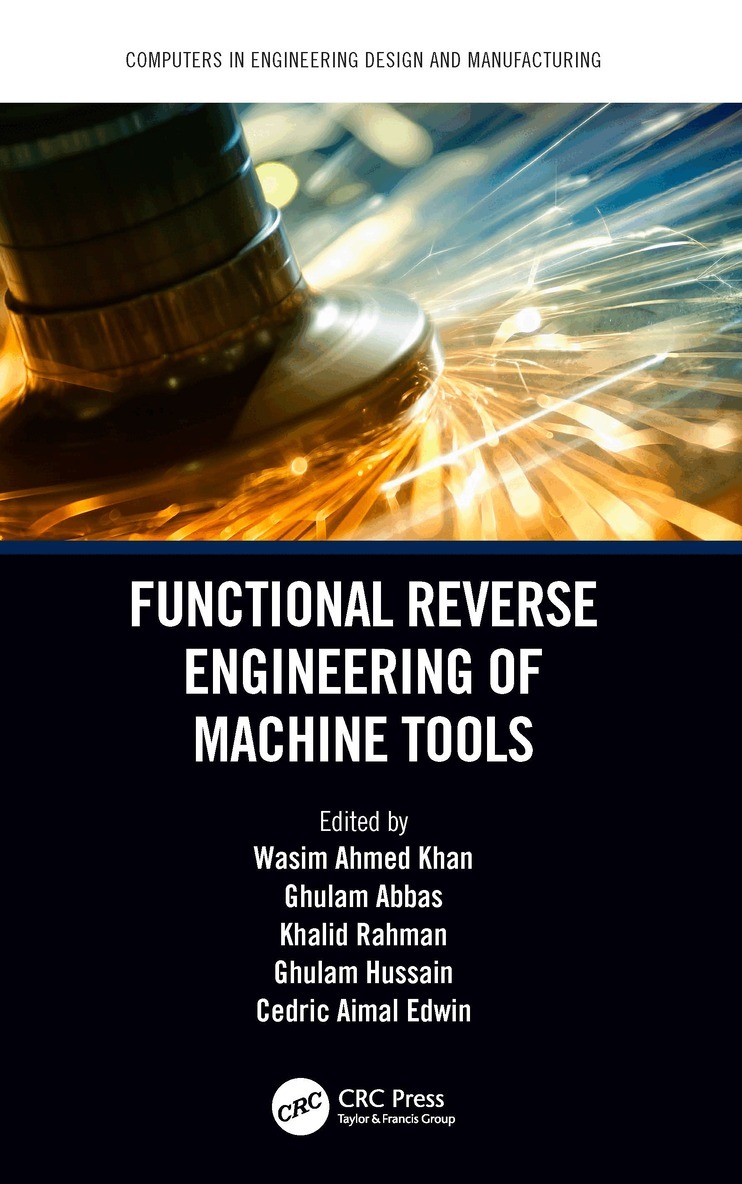
The purpose of this book is to develop capacity building in strategic and non-strategic machine tool technology. The book contains chapters on how to functionally reverse engineer strategic and non-strategic computer numerical control machinery. Numerous engineering areas, such as mechanical engineering, electrical engineering, control engineering, and computer hardware and software engineering, are covered. The book offers guidelines and covers design for machine tools, prototyping, augmented reality for machine tools, modern communication strategies, and enterprises of functional reverse engineering, along with case studies.Features Presents capacity building in machine tool development Discusses engineering design for machine tools Covers prototyping of strategic and non-strategic machine tools Illustrates augmented reality for machine tools Includes Internet of Things (IoT) for machine tools
2 088 kr
Skickas inom 10-15 vardagar
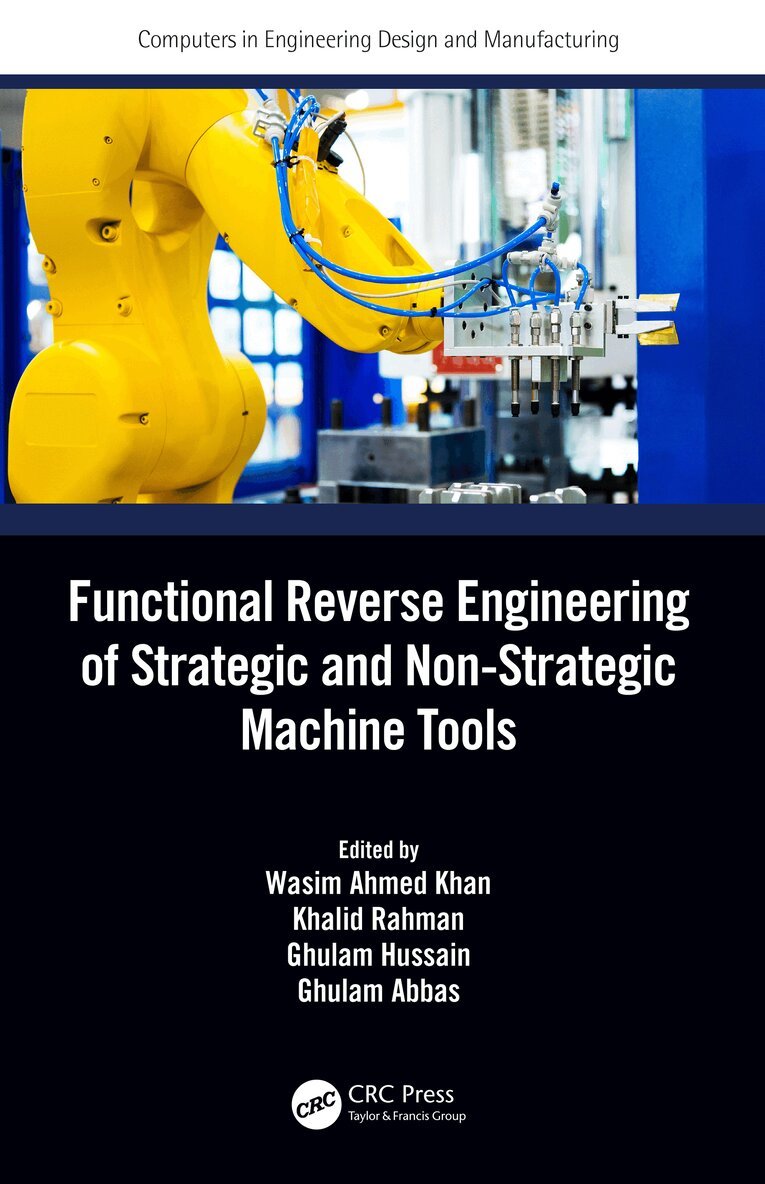
This book describes capacity building in strategic and non-strategic machine tool technology. It includes machine building in sectors such as machine tools, automobiles, home appliances, energy, and biomedical engineering, along with case studies.The book offers guidelines for capacity building in academia, covering how to promote enterprises of functional reverse engineering enterprises. It also discusses machine tool development, engineering design, prototyping of strategic, and non-strategies machine tools, as well as presenting communication strategies and IoT, along with case studies.Professionals from the CNC (Computer Numeric Control) machine tools industry, industrial and manufacturing engineers, and students and faculty in engineering disciplines will find interest in this book.
671 kr
Skickas inom 10-15 vardagar
This book describes capacity building in strategic and non-strategic machine tool technology. It includes machine building in sectors such as machine tools, automobiles, home appliances, energy, and biomedical engineering, along with case studies.The book offers guidelines for capacity building in academia, covering how to promote enterprises of functional reverse engineering enterprises. It also discusses machine tool development, engineering design, prototyping of strategic, and non-strategies machine tools, as well as presenting communication strategies and IoT, along with case studies.Professionals from the CNC (Computer Numeric Control) machine tools industry, industrial and manufacturing engineers, and students and faculty in engineering disciplines will find interest in this book.
1 943 kr
Skickas inom 10-15 vardagar
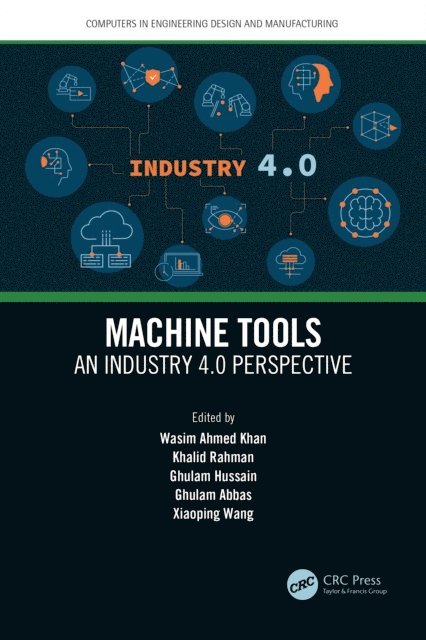
This book introduces the applications of Industry 4.0 in machine tools through an overview of the latest available digital technologies. It focuses on digital twining, communication between industrial controls, motion, and input/output devices, along with sustainability in SMEs. Machine Tools: An Industry 4.0 Perspective focuses on the digital twining of machine tools, which improves the life of the machines and provides a method of operating a factory during times of complete lockdown resulting from various conditions. It presents an overview of the communication between industrial controls, motion, and input/output devices through standardized digital interfaces such as SERCOS and USB. The book goes on to discuss industrial cybersecurity systems applicable to discrete manufacturing, which includes cyberattacks and human errors, and address the security aspects related to software, hardware, and data. The book also explores the application of big data for different stages of production and illustrates the uses such as predictive maintenance, product quality, product life cycle management (PLM), and more. This book is an ideal reference for undergraduate, graduate, and postgraduate students of industrial, mechanical, and mechatronics engineering, along with professionals, and general readers.
756 kr
Skickas inom 10-15 vardagar
This book introduces the applications of Industry 4.0 in machine tools through an overview of the latest available digital technologies. It focuses on digital twining, communication between industrial controls, motion, and input/output devices, along with sustainability in SMEs. Machine Tools: An Industry 4.0 Perspective focuses on the digital twining of machine tools, which improves the life of the machines and provides a method of operating a factory during times of complete lockdown resulting from various conditions. It presents an overview of the communication between industrial controls, motion, and input/output devices through standardized digital interfaces such as SERCOS and USB. The book goes on to discuss industrial cybersecurity systems applicable to discrete manufacturing, which includes cyberattacks and human errors, and address the security aspects related to software, hardware, and data. The book also explores the application of big data for different stages of production and illustrates the uses such as predictive maintenance, product quality, product life cycle management (PLM), and more. This book is an ideal reference for undergraduate, graduate, and postgraduate students of industrial, mechanical, and mechatronics engineering, along with professionals, and general readers.
733 kr
Skickas inom 10-15 vardagar
The purpose of this book is to develop capacity building in strategic and non-strategic machine tool technology. The book contains chapters on how to functionally reverse engineer strategic and non-strategic computer numerical control machinery. Numerous engineering areas, such as mechanical engineering, electrical engineering, control engineering, and computer hardware and software engineering, are covered. The book offers guidelines and covers design for machine tools, prototyping, augmented reality for machine tools, modern communication strategies, and enterprises of functional reverse engineering, along with case studies.Features Presents capacity building in machine tool development Discusses engineering design for machine tools Covers prototyping of strategic and non-strategic machine tools Illustrates augmented reality for machine tools Includes Internet of Things (IoT) for machine tools
Integration of Heterogeneous Manufacturing Machinery in Cells and Systems
Policies and Practices
Inbunden, Engelska, 2024
1 887 kr
Skickas inom 10-15 vardagar
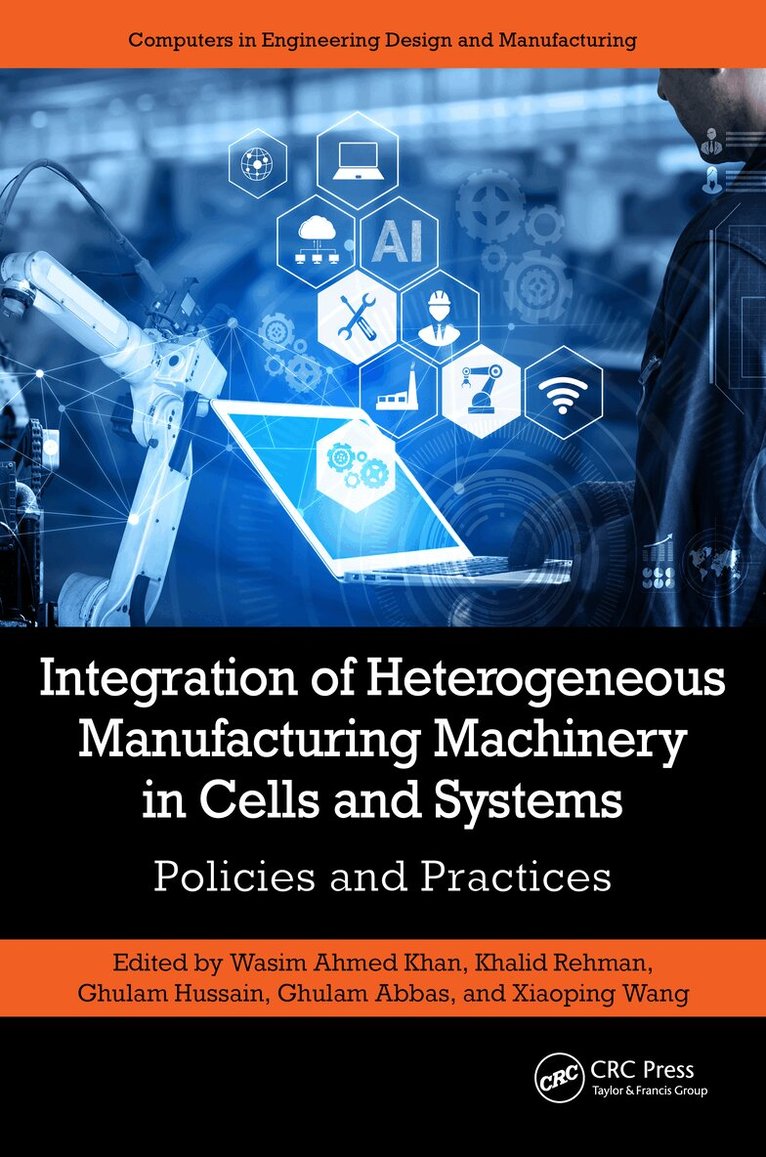
With the advent of the 4th Industrial Revolution, the implementation of the nine pillars of technology has taken a firm root, especially after the post-COVID pandemic era. The integration of cyber-physical systems is one of the most important pillars that has led to the maximization of productivity, which also leads to the maximization of profits from a manufacturing system. This book discusses manufacturing enterprises, then looks at the theoretical and practical aspects of integrating these manufacturing systems using legacy and modern communication methodologies and relates them to the current level of technology readiness.Integration of Heterogenous Manufacturing Machinery in Cells and Systems: Policies and Practices focuses on the methods covering the use of Artificial Intelligence, Augmented Reality, the Internet of Things, and cellular and physical industrial communication. It describes the nine pillars of technology which include the Internet of Things, Cloud Computing, Autonomous, and Robotics Systems, Big Data Analytics, Augmented Reality, Cyber Security, Simulation, System integration, and Additive Manufacturing. The book highlights the methods used that cover mechanical, electrical, electronics, and computer software aspects of developing manufacturing machinery and discusses computer-aided design (CAD), production planning, and manufacturing, as well as production databases with basics and semantics. This book is an ideal reference for undergraduate, graduate, and postgraduate students of industrial, manufacturing, mechanical, and mechatronics engineering, along with professionals and general readers.
Integration of Heterogeneous Manufacturing Machinery in Cells and Systems
Policies and Practices
Häftad, Engelska, 2025
725 kr
Skickas inom 10-15 vardagar
With the advent of the 4th Industrial Revolution, the implementation of the nine pillars of technology has taken a firm root, especially after the post-COVID pandemic era. The integration of cyber-physical systems is one of the most important pillars that has led to the maximization of productivity, which also leads to the maximization of profits from a manufacturing system. This book discusses manufacturing enterprises, then looks at the theoretical and practical aspects of integrating these manufacturing systems using legacy and modern communication methodologies and relates them to the current level of technology readiness.Integration of Heterogenous Manufacturing Machinery in Cells and Systems: Policies and Practices focuses on the methods covering the use of Artificial Intelligence, Augmented Reality, the Internet of Things, and cellular and physical industrial communication. It describes the nine pillars of technology which include the Internet of Things, Cloud Computing, Autonomous, and Robotics Systems, Big Data Analytics, Augmented Reality, Cyber Security, Simulation, System integration, and Additive Manufacturing. The book highlights the methods used that cover mechanical, electrical, electronics, and computer software aspects of developing manufacturing machinery and discusses computer-aided design (CAD), production planning, and manufacturing, as well as production databases with basics and semantics. This book is an ideal reference for undergraduate, graduate, and postgraduate students of industrial, manufacturing, mechanical, and mechatronics engineering, along with professionals and general readers.
2 088 kr
Skickas inom 10-15 vardagar
This book is a groundbreaking and original contribution to understanding the intersectionality of caste, race, and class in South Asia. Grounded in rich ethnographic fieldwork, it situates its analyses in Pakistan to reveal how caste—often denied or obscured by nationalist, religious, and liberal-progressive discourses—continues to shape everyday hierarchies, moral imaginaries, and political structures. It unravels how both privileged and oppressed caste groups invoke the past to construct identities and contest histories in the present, showing how systemic discrimination has pushed Scheduled Castes and Pasmanda communities to the lowest rungs of the social, economic, and political hierarchy. Moving beyond the familiar frames of Indian caste practices, the book demonstrates that caste in Pakistan is not a relic of the past or a “Hindu problem,” but a transreligious and deeply entrenched social structure sustained across Hindu, Muslim, and Christian communities alike. Foregrounding caste as an analytic category and a fundamental marker of identity, the book interrogates the role of hegemonic actors—religious, nationalist, and secular—in strategically denying or reasserting caste to preserve structures of privilege. Combining theoretical sophistication with moral and ethnographic engagement, Architecture of Caste in Pakistan compels a rethinking of caste, religion, and equality in Muslim societies.This volume will be of great interest to scholars and researchers of caste and discrimination studies, critical Dalit and Pasmanda studies, sociology, social anthropology, and South Asian studies.
1 753 kr
Skickas inom 10-15 vardagar
This book addresses the digital twinning of manufacturing processes, cells, and systems and attempts to bring in the basic characteristics of the Fourth Industrial Revolution along with an emphasis on cyber-physical systems.Digital Twinning for Discrete Manufacturing discusses how to maximize the use of the pillars of Industry 4.0 and 5.0 in discrete manufacturing. It presents how digital twinning has a very special characteristic that can be applied in the training of novice workers on expensive equipment. The book explains how digital twinning of laboratory industrial equipment is cheap to build and can be used to train workers on intricate machinery with real involvement, without any injury to workers or damage to the machines. The book also portrays the full scope of digital twinning based on AR/VR with a physical interface to real machinery.Digital twinning is currently an advanced topic that is of interest to researchers, postgraduates, graduates, senior undergraduates, as well as professionals.
1 676 kr
Skickas inom 5-8 vardagar
1 947 kr
Skickas inom 10-15 vardagar
Oxidative stress and neuroinflammation are considered causative factors in various neurological disorders such as Parkinson’s and Alzheimer’s diseases. Antioxidants are chemicals that bind with oxidative species and nullify their effect from causing damage to biological molecules. Endogenous antioxidants are produced by our body, however most of them are obtained from external sources, primarily through diet, called dietary antioxidants. Major sources of antioxidants are brightly colored fruits, vegetables, cereals, legumes, and herbs. Other very effective sources are berries, green tea, and dark chocolate. These compounds have the potential to hinder neurodegeneration, reduce neuronal death and improve memory as well as cognitive functions. Based on the complex nature of antioxidants and oxidative stress, particular antioxidants such as vitamin E, vitamin C or β-carotene are beneficial in protecting cells, organs and tissues against oxidative damage.The Role of Natural Antioxidants in Brain Disorders describes various neuroprotective effects and their physiological phenomenon mediated by antioxidants to maintain and regulate the general health biomarkers against brain disorders. The important role of antioxidants, diet and lifestyle in managing brain disorders is covered, as is their use in conjunction with conventional therapies against oxidative stress. Both exogenous and endogenous antioxidants are explored in full. By focusing on the role of oxidative stress as a triggering mechanism for various brain disorders and the use of antioxidant foods in conjunction with traditional therapies in combating and preventing them, this is a valuable source for researchers in food science, nutrition, health science and physiology.
1 947 kr
Skickas inom 10-15 vardagar
Oxidative stress and neuroinflammation are considered causative factors in various neurological disorders such as Parkinson’s and Alzheimer’s diseases. Antioxidants are chemicals that bind with oxidative species and nullify their effect from causing damage to biological molecules. Endogenous antioxidants are produced by our body, however most of them are obtained from external sources, primarily through diet, called dietary antioxidants. Major sources of antioxidants are brightly colored fruits, vegetables, cereals, legumes, and herbs. Other very effective sources are berries, green tea, and dark chocolate. These compounds have the potential to hinder neurodegeneration, reduce neuronal death and improve memory as well as cognitive functions. Based on the complex nature of antioxidants and oxidative stress, particular antioxidants such as vitamin E, vitamin C or β-carotene are beneficial in protecting cells, organs and tissues against oxidative damage.The Role of Natural Antioxidants in Brain Disorders describes various neuroprotective effects and their physiological phenomenon mediated by antioxidants to maintain and regulate the general health biomarkers against brain disorders. The important role of antioxidants, diet and lifestyle in managing brain disorders is covered, as is their use in conjunction with conventional therapies against oxidative stress. Both exogenous and endogenous antioxidants are explored in full. By focusing on the role of oxidative stress as a triggering mechanism for various brain disorders and the use of antioxidant foods in conjunction with traditional therapies in combating and preventing them, this is a valuable source for researchers in food science, nutrition, health science and physiology.
1 786 kr
Skickas inom 10-15 vardagar
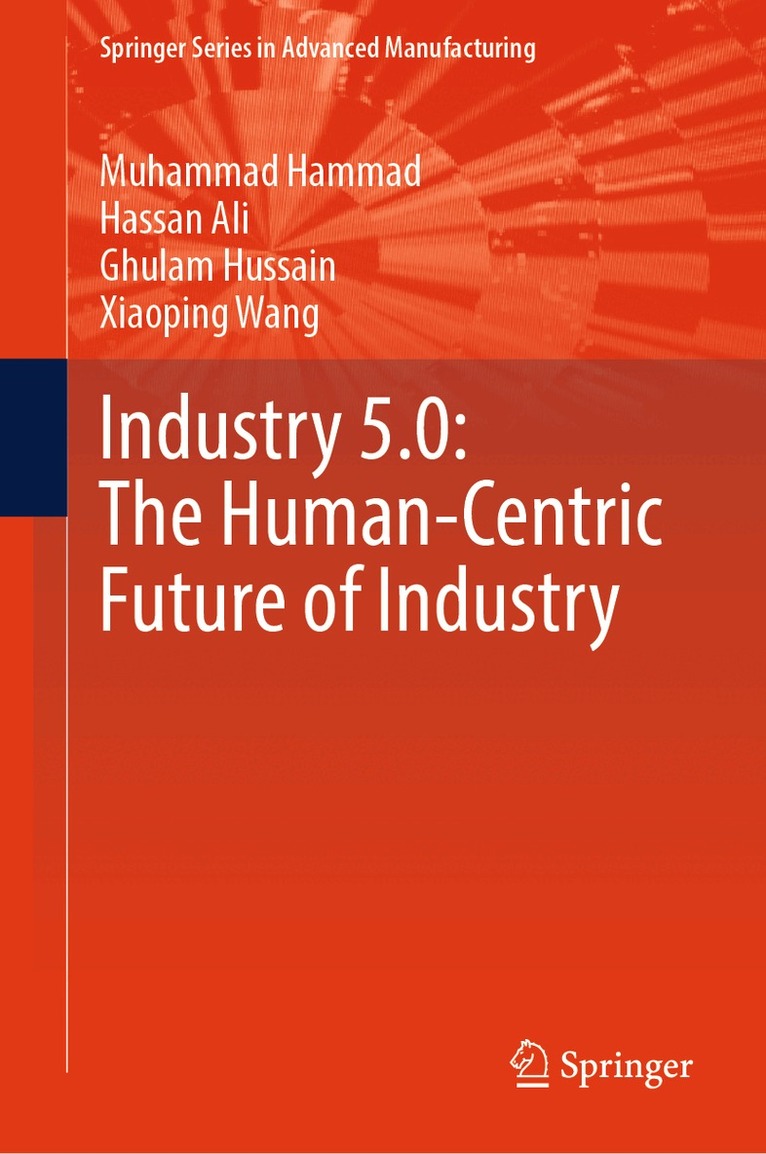
This book provides a detailed and insightful exploration of the next stage in industrial evolution, focusing on the integration of advanced technologies with human-centered values. Unlike the previous phases of industrial revolutions, Industry 5.0 emphasizes the collaboration between humans and machines, where technology serves to complement and enhance human capabilities rather than replace them.This book highlights the key technologies that are shaping the future of industry, such as collaborative robots (cobots), artificial intelligence, digital twins, and the Internet of Things (IoT). These innovations are examined through practical case studies across various sectors, including manufacturing, healthcare, agriculture, and smart cities, demonstrating their transformative effects on productivity, sustainability, and workforce development.A unique feature of this book is its strong focus on the human aspect of Industry 5.0, addressing the need for upskilling and reskilling the workforce, ensuring workplace safety, and promoting ethical considerations in technology design. It also explores the growing importance of sustainability, with discussions on circular economic practices and strategies to reduce environmental impact.This book serves as an essential resource for business leaders, policymakers, and educators looking to understand and navigate the challenges and opportunities posed by Industry 5.0, equipping readers with the tools to lead industries into a more sustainable and human-centered future.
Role of Polyphenols and Bioactive Compounds for Combating Neurodegenerative Diseases
Inbunden, Engelska, 2026
3 126 kr
Skickas inom 5-8 vardagar
The Role of Polyphenols and Bioactive Compounds for Combating Neurodegenerative Diseases
Häftad, Engelska, 2026
2 570 kr
Skickas inom 5-8 vardagar