Ghulam Abbas – författare
2 250 kr
Skickas inom 10-15 vardagar
2 184 kr
Skickas inom 10-15 vardagar
901 kr
Läs direkt efter köp
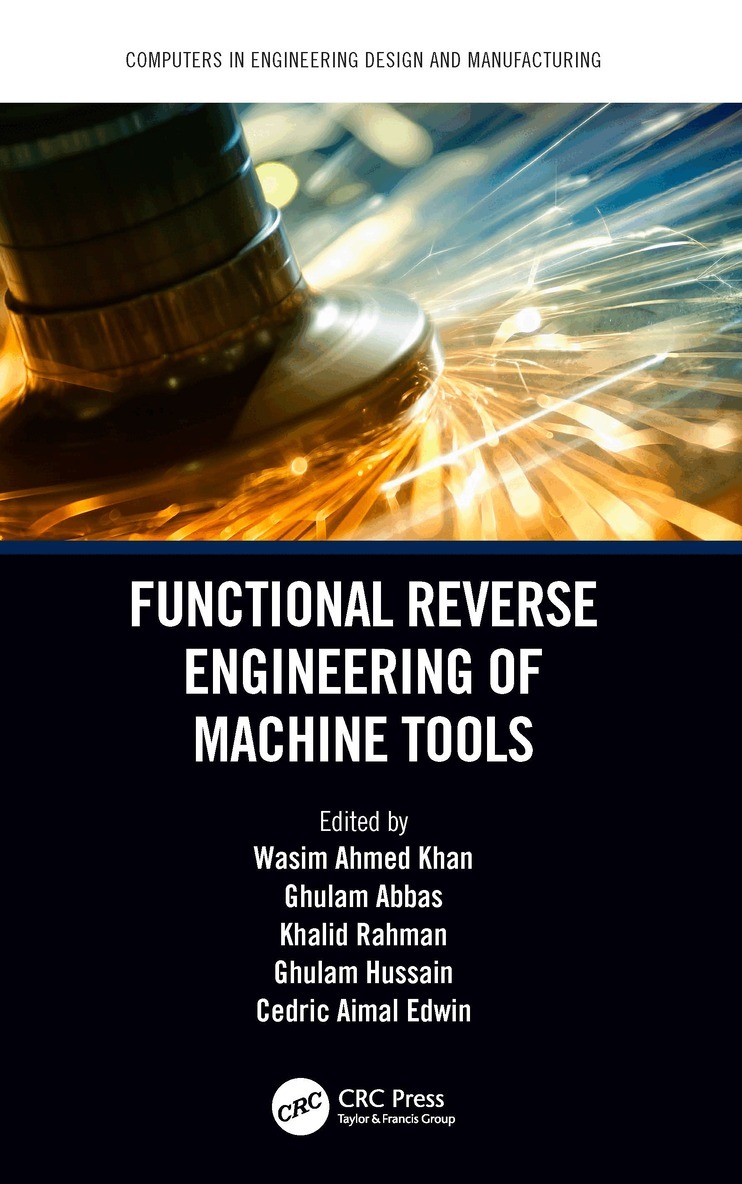
The purpose of this book is to develop capacity building in strategic and non-strategic machine tool technology. The book contains chapters on how to functionally reverse engineer strategic and non-strategic computer numerical control machinery. Numerous engineering areas, such as mechanical engineering, electrical engineering, control engineering, and computer hardware and software engineering, are covered. The book offers guidelines and covers design for machine tools, prototyping, augmented reality for machine tools, modern communication strategies, and enterprises of functional reverse engineering, along with case studies.
Features
Presents capacity building in machine tool development
Discusses engineering design for machine tools
Covers prototyping of strategic and non-strategic machine tools
Illustrates augmented reality for machine tools
Includes Internet of Things (IoT) for machine tools
901 kr
Läs direkt efter köp
The purpose of this book is to develop capacity building in strategic and non-strategic machine tool technology. The book contains chapters on how to functionally reverse engineer strategic and non-strategic computer numerical control machinery. Numerous engineering areas, such as mechanical engineering, electrical engineering, control engineering, and computer hardware and software engineering, are covered. The book offers guidelines and covers design for machine tools, prototyping, augmented reality for machine tools, modern communication strategies, and enterprises of functional reverse engineering, along with case studies.
Features
Presents capacity building in machine tool development
Discusses engineering design for machine tools
Covers prototyping of strategic and non-strategic machine tools
Illustrates augmented reality for machine tools
Includes Internet of Things (IoT) for machine tools
849 kr
Läs direkt efter köp
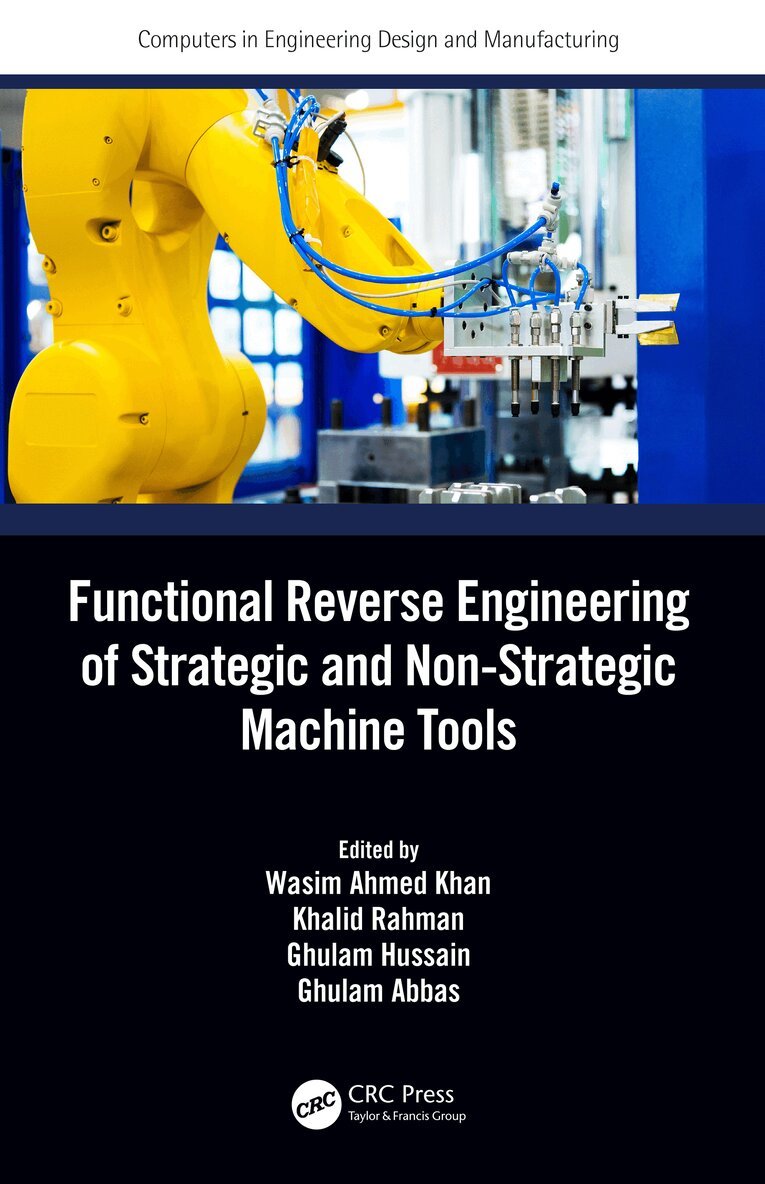
This book describes capacity building in strategic and non-strategic machine tool technology. It includes machine building in sectors such as machine tools, automobiles, home appliances, energy, and biomedical engineering, along with case studies.
The book offers guidelines for capacity building in academia, covering how to promote enterprises of functional reverse engineering enterprises. It also discusses machine tool development, engineering design, prototyping of strategic, and non-strategies machine tools, as well as presenting communication strategies and IoT, along with case studies.
Professionals from the CNC (Computer Numeric Control) machine tools industry, industrial and manufacturing engineers, and students and faculty in engineering disciplines will find interest in this book.
849 kr
Läs direkt efter köp
This book describes capacity building in strategic and non-strategic machine tool technology. It includes machine building in sectors such as machine tools, automobiles, home appliances, energy, and biomedical engineering, along with case studies.
The book offers guidelines for capacity building in academia, covering how to promote enterprises of functional reverse engineering enterprises. It also discusses machine tool development, engineering design, prototyping of strategic, and non-strategies machine tools, as well as presenting communication strategies and IoT, along with case studies.
Professionals from the CNC (Computer Numeric Control) machine tools industry, industrial and manufacturing engineers, and students and faculty in engineering disciplines will find interest in this book.
901 kr
Läs direkt efter köp
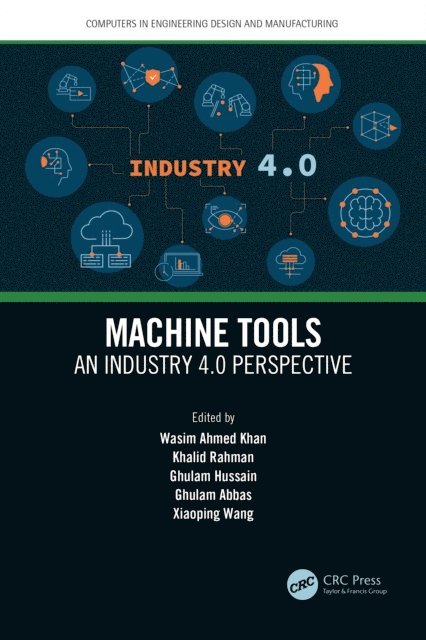
This book introduces the applications of Industry 4.0 in machine tools through an overview of the latest available digital technologies. It focuses on digital twining, communication between industrial controls, motion, and input/output devices, along with sustainability in SMEs.
Machine Tools: An Industry 4.0 Perspective focuses on the digital twining of machine tools, which improves the life of the machines and provides a method of operating a factory during times of complete lockdown resulting from various conditions. It presents an overview of the communication between industrial controls, motion, and input/output devices through standardized digital interfaces such as SERCOS and USB. The book goes on to discuss industrial cybersecurity systems applicable to discrete manufacturing, which includes cyberattacks and human errors, and address the security aspects related to software, hardware, and data. The book also explores the application of big data for different stages of production and illustrates the uses such as predictive maintenance, product quality, product life cycle management (PLM), and more.
This book is an ideal reference for undergraduate, graduate, and postgraduate students of industrial, mechanical, and mechatronics engineering, along with professionals, and general readers.
901 kr
Läs direkt efter köp
This book introduces the applications of Industry 4.0 in machine tools through an overview of the latest available digital technologies. It focuses on digital twining, communication between industrial controls, motion, and input/output devices, along with sustainability in SMEs.
Machine Tools: An Industry 4.0 Perspective focuses on the digital twining of machine tools, which improves the life of the machines and provides a method of operating a factory during times of complete lockdown resulting from various conditions. It presents an overview of the communication between industrial controls, motion, and input/output devices through standardized digital interfaces such as SERCOS and USB. The book goes on to discuss industrial cybersecurity systems applicable to discrete manufacturing, which includes cyberattacks and human errors, and address the security aspects related to software, hardware, and data. The book also explores the application of big data for different stages of production and illustrates the uses such as predictive maintenance, product quality, product life cycle management (PLM), and more.
This book is an ideal reference for undergraduate, graduate, and postgraduate students of industrial, mechanical, and mechatronics engineering, along with professionals, and general readers.
726 kr
Skickas inom 10-15 vardagar
2 066 kr
Skickas inom 10-15 vardagar
806 kr
Skickas inom 10-15 vardagar
762 kr
Skickas inom 10-15 vardagar
2 066 kr
Skickas inom 10-15 vardagar
797 kr
Skickas inom 10-15 vardagar
918 kr
Läs direkt efter köp
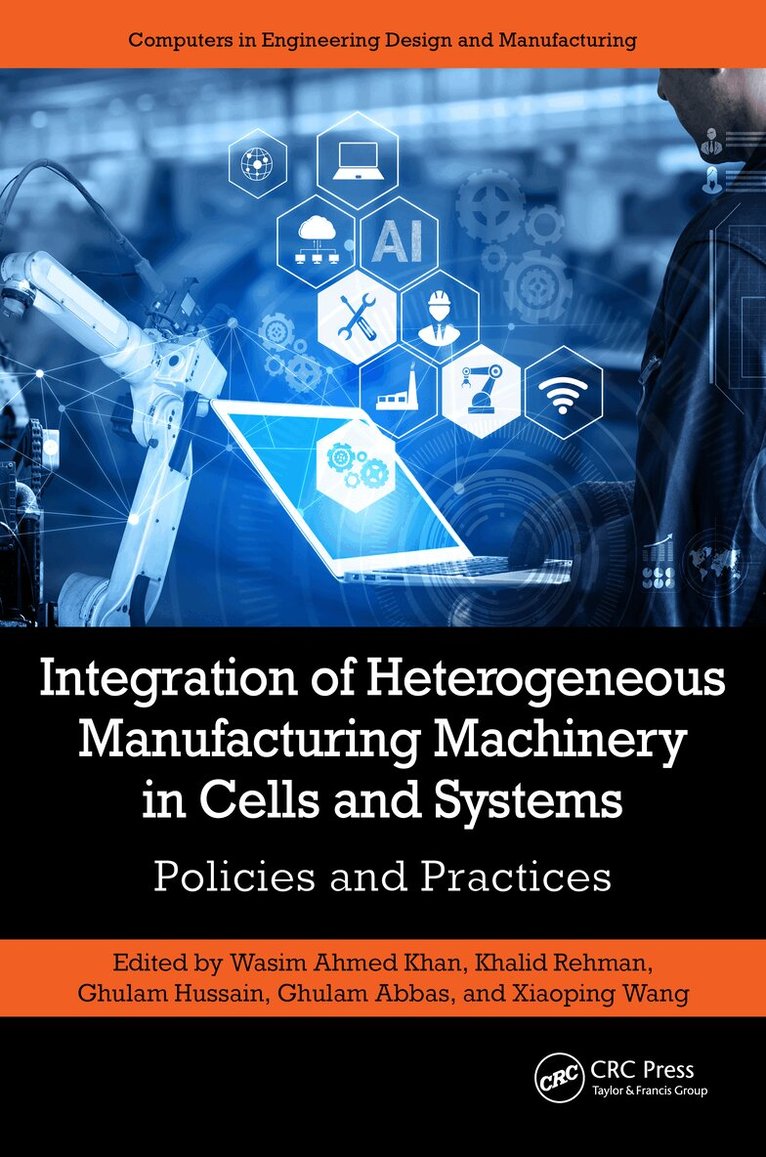
With the advent of the 4th Industrial Revolution, the implementation of the nine pillars of technology has taken a firm root, especially after the post-COVID pandemic era. The integration of cyber-physical systems is one of the most important pillars that has led to the maximization of productivity, which also leads to the maximization of profits from a manufacturing system. This book discusses manufacturing enterprises, then looks at the theoretical and practical aspects of integrating these manufacturing systems using legacy and modern communication methodologies and relates them to the current level of technology readiness.
Integration of Heterogenous Manufacturing Machinery in Cells and Systems: Policies and Practices focuses on the methods covering the use of Artificial Intelligence, Augmented Reality, the Internet of Things, and cellular and physical industrial communication. It describes the nine pillars of technology which include the Internet of Things, Cloud Computing, Autonomous, and Robotics Systems, Big Data Analytics, Augmented Reality, Cyber Security, Simulation, System integration, and Additive Manufacturing. The book highlights the methods used that cover mechanical, electrical, electronics, and computer software aspects of developing manufacturing machinery and discusses computer-aided design (CAD), production planning, and manufacturing, as well as production databases with basics and semantics.
This book is an ideal reference for undergraduate, graduate, and postgraduate students of industrial, manufacturing, mechanical, and mechatronics engineering, along with professionals and general readers.
918 kr
Läs direkt efter köp
With the advent of the 4th Industrial Revolution, the implementation of the nine pillars of technology has taken a firm root, especially after the post-COVID pandemic era. The integration of cyber-physical systems is one of the most important pillars that has led to the maximization of productivity, which also leads to the maximization of profits from a manufacturing system. This book discusses manufacturing enterprises, then looks at the theoretical and practical aspects of integrating these manufacturing systems using legacy and modern communication methodologies and relates them to the current level of technology readiness.
Integration of Heterogenous Manufacturing Machinery in Cells and Systems: Policies and Practices focuses on the methods covering the use of Artificial Intelligence, Augmented Reality, the Internet of Things, and cellular and physical industrial communication. It describes the nine pillars of technology which include the Internet of Things, Cloud Computing, Autonomous, and Robotics Systems, Big Data Analytics, Augmented Reality, Cyber Security, Simulation, System integration, and Additive Manufacturing. The book highlights the methods used that cover mechanical, electrical, electronics, and computer software aspects of developing manufacturing machinery and discusses computer-aided design (CAD), production planning, and manufacturing, as well as production databases with basics and semantics.
This book is an ideal reference for undergraduate, graduate, and postgraduate students of industrial, manufacturing, mechanical, and mechatronics engineering, along with professionals and general readers.
909 kr
Läs direkt efter köp
917 kr
Läs direkt efter köp
2 066 kr
Skickas inom 10-15 vardagar
230 kr
Skickas inom 5-8 vardagar
288 kr
Skickas inom 5-8 vardagar
281 kr
Skickas inom 5-8 vardagar
2 158 kr
Skickas inom 10-15 vardagar
2 840 kr
Läs direkt efter köp
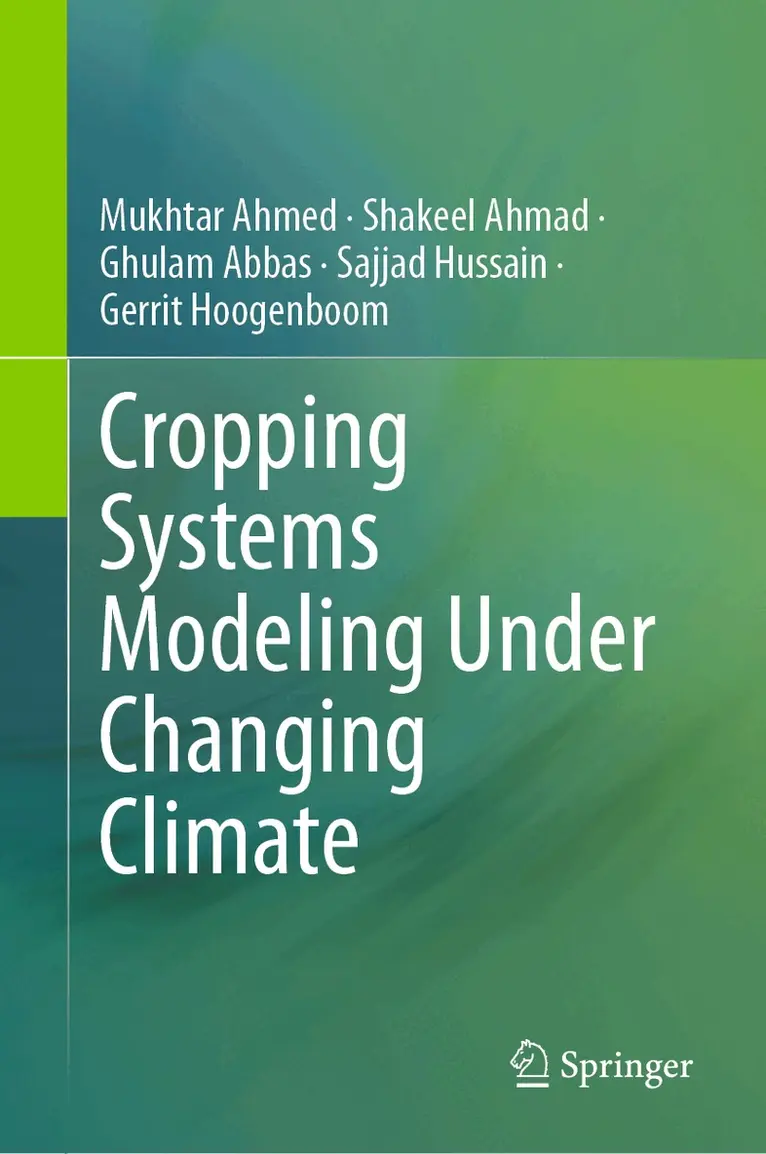
This book aims at bringing out comprehensive information on cropping systems modelling in the world. The major focus of this book is to address the integration of soil, plant and environmental interactions for climate smart agriculture. This book covers aspects of application of Decision Support System for Agrotechnology Transfer (DSSAT) for climate smart agriculture. Step-by-step details of application of modelling approaches used for various cropping systems under changing climate are provided which are being adopted by farmers in the world. The book is enriched with figures or diagrams to show the various mechanisms involved to support the decision making for climate change adaptations. Essential information is given regarding crop models calibration, evaluation and application and every individual chapter is comprised of a specific cropping system. Further contents include integration of climate models and crop models for refining the decisions for sustaining the production of various cropping systems for climate smart agriculture.
This book assists the agricultural scientists involved in research regarding climate smart agriculture for improving the standards of agricultural research for ensuring food security under changing climate. This is also equally useful for policy makers being involved in future planning.
2 158 kr
Skickas inom 10-15 vardagar