Giulia Rossetto – författare
Visar alla böcker från författaren Giulia Rossetto. Handla med fri frakt och snabb leverans.
5 produkter
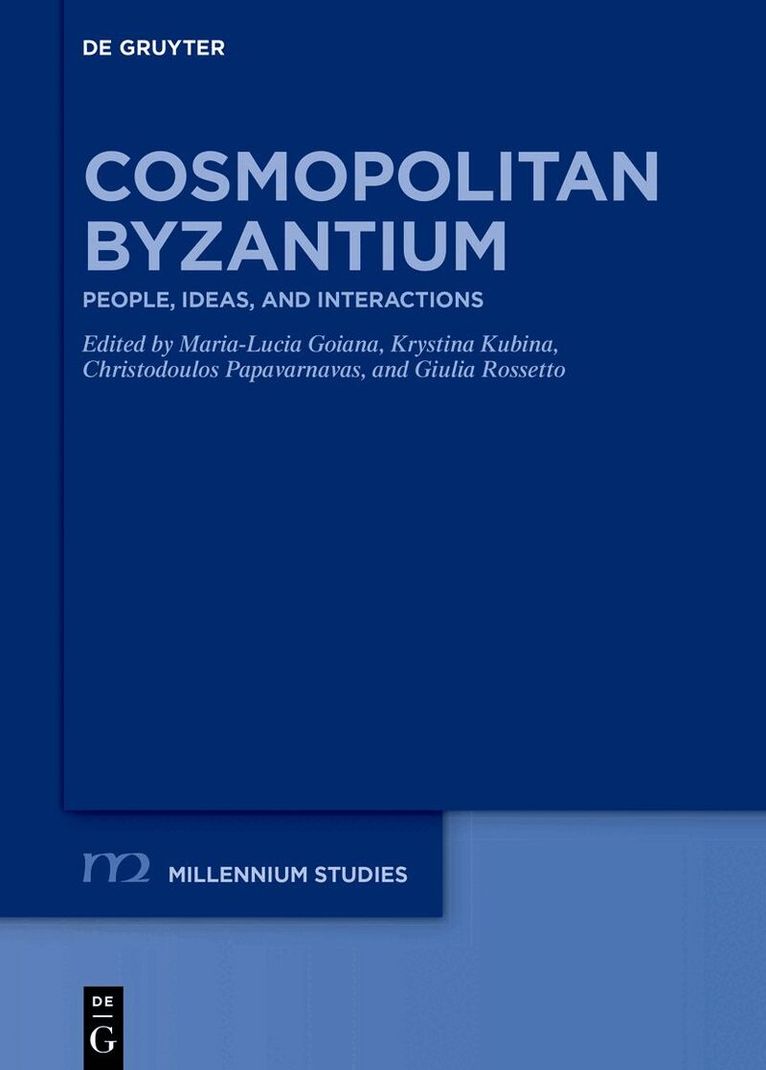
Cosmopolitan Byzantium
People, Ideas, and Interactions. A ›Festschrift‹ for Claudia Rapp
Av Maria-Lucia Goiana, Krystina Kubina m. fl.
Inbunden, 2026
1733 kr
Lägg i varukorg
Throughout a millennium of history, the Byzantine Empire remained at the intersection of Eastern and Western civilizations. The location of its great capital city, Constantinople, on the frontier between Europe and Asia, ensured its enduring importance in cross-cultural exchange. People of …
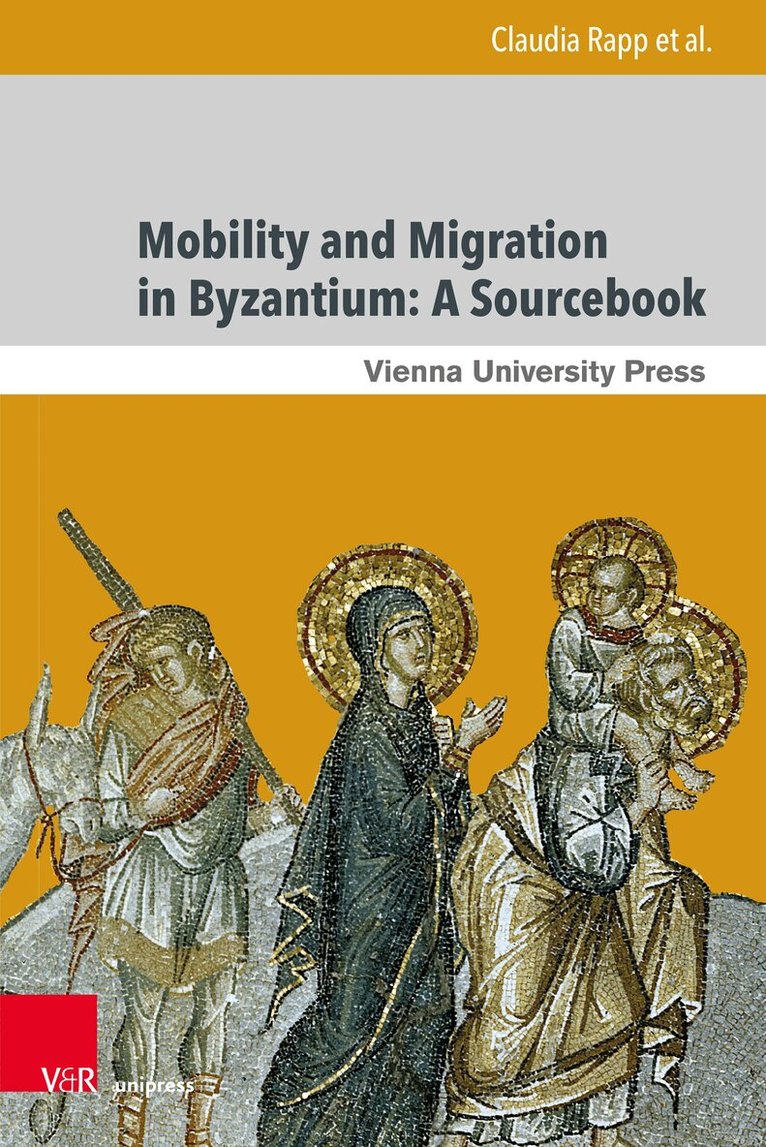
Mobility and Migration in Byzantium: A Sourcebook
Av Claudia Rapp, Matthew Kinloch m. fl.
Inbunden, 2023
1115 kr
Lägg i varukorg
Mobility and migration were not uncommon in Byzantium, as is true for all societies. Yet, scholarship is only beginning to pay attention to these phenomena. This book presents in English translation a wide array of relevant source texts from ca. 650 to ca. 1450 originally written in medieval Greek: …
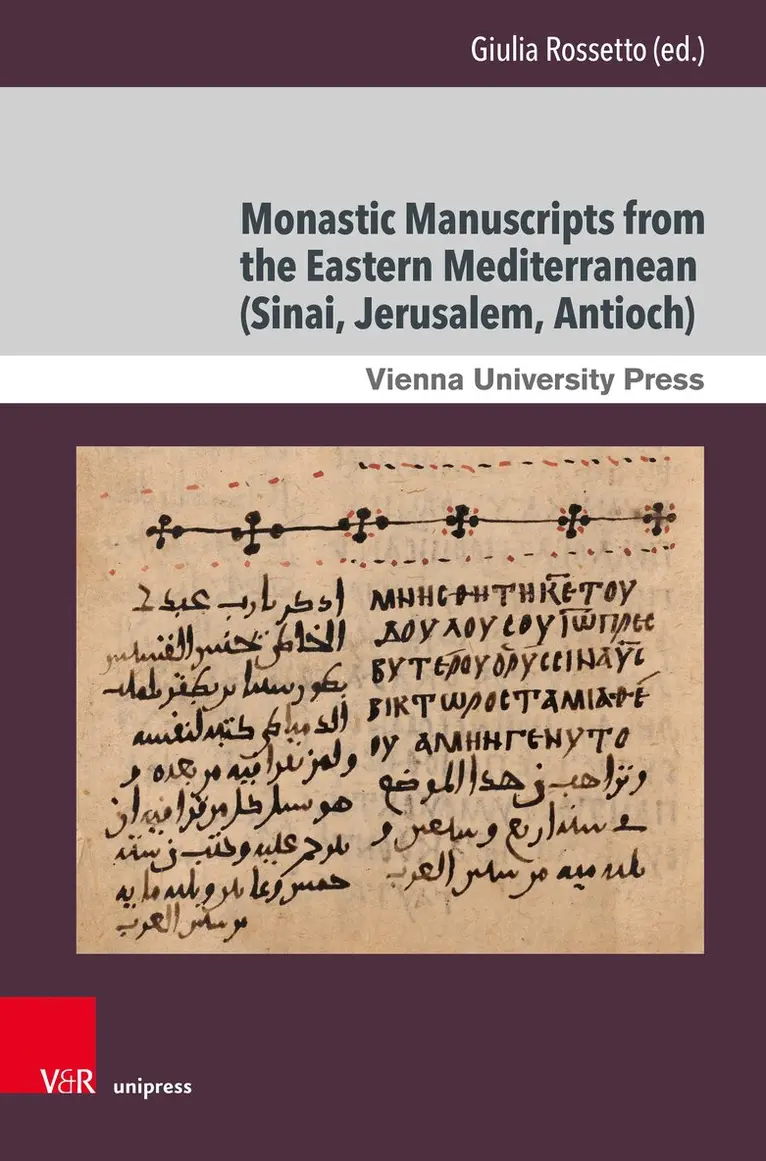
Priests and their Manuscripts in the Holy Land and Sinai
Production, Use, and Contexts
Inbunden, 2026
685 kr
Lägg i varukorg
New light on the Social and Cultural Role of Priests Active in the Holy Land and Sinai
Byzantium Beyond Byzantium
Proceedings of the Plenary Sessions at the 25th International Congress of Byzantine Studies (Vienna, 24–29 August 2026)
Av Nikos Zagklas, Giulia Rossetto m. fl.
Inbunden, 2026
1140 kr
Lägg i varukorg
This volume brings together the plenary papers presented at the 25th International Congress of Byzantine Studies, reflecting new developments and trends in current research on the Byzantine world and its enduring legacy. Organized into six sections, the studies address multiple aspects of Byzantine …