Gunnhildur Lily Magnusdottir - Böcker
Visar alla böcker från författaren Gunnhildur Lily Magnusdottir. Handla med fri frakt och snabb leverans.
4 produkter
4 produkter
2 104 kr
Skickas inom 10-15 vardagar
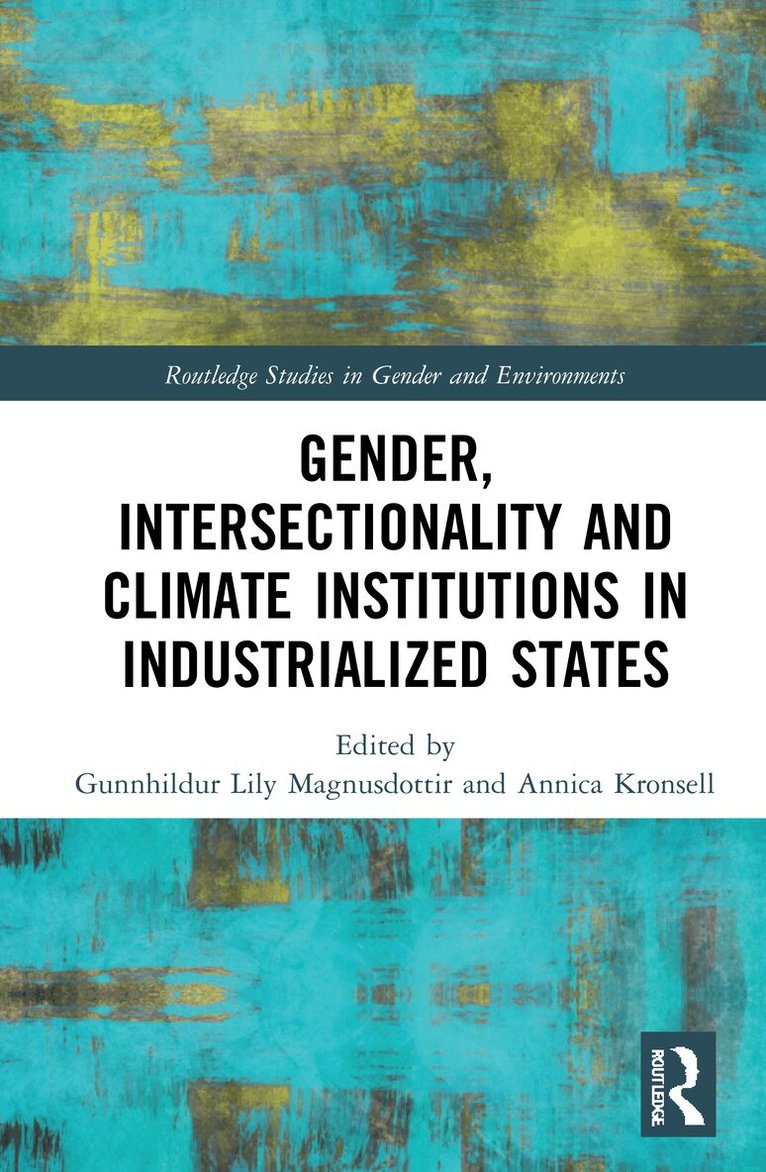
This book explores how climate institutions in industrialized countries work to further the recognition of social differences and integrate this understanding in climate policy making.With contributions from a range of expert scholars in the field, this volume investigates policy-making in climate institutions from the perspective of power as it relates to gender. It also considers other intersecting social factors at different levels of governance, from the global to the local level and extending into climate-relevant sectors. The authors argue that a focus on climate institutions is important since they not only develop strategies and policies, they also (re)produce power relations, promote specific norms and values, and distribute resources. The chapters throughout draw on examples from various institutions including national ministries, transport and waste management authorities, and local authorities, as well as the European Union and the UNFCCC regime. Overall, this book demonstrates how feminist institutionalist theory and intersectionality approaches can contribute to an increased understanding of power relations and social differences in climate policy-making and in climate-relevant sectors in industrialized states. In doing so, it highlights the challenges of path dependencies, but also reveals opportunities for advancing gender equality, equity, and social justice.Gender, Intersectionality and Climate Institutions in Industrialized States will be of great interest to students and scholars of climate politics, international relations, gender studies and policy studies.The Open Access version of this book, available at https://doi.org/10.4324/9781003052821, has been made available under a Creative Commons Attribution-Non Commercial-No Derivatives 4.0 license.
575 kr
Skickas inom 10-15 vardagar
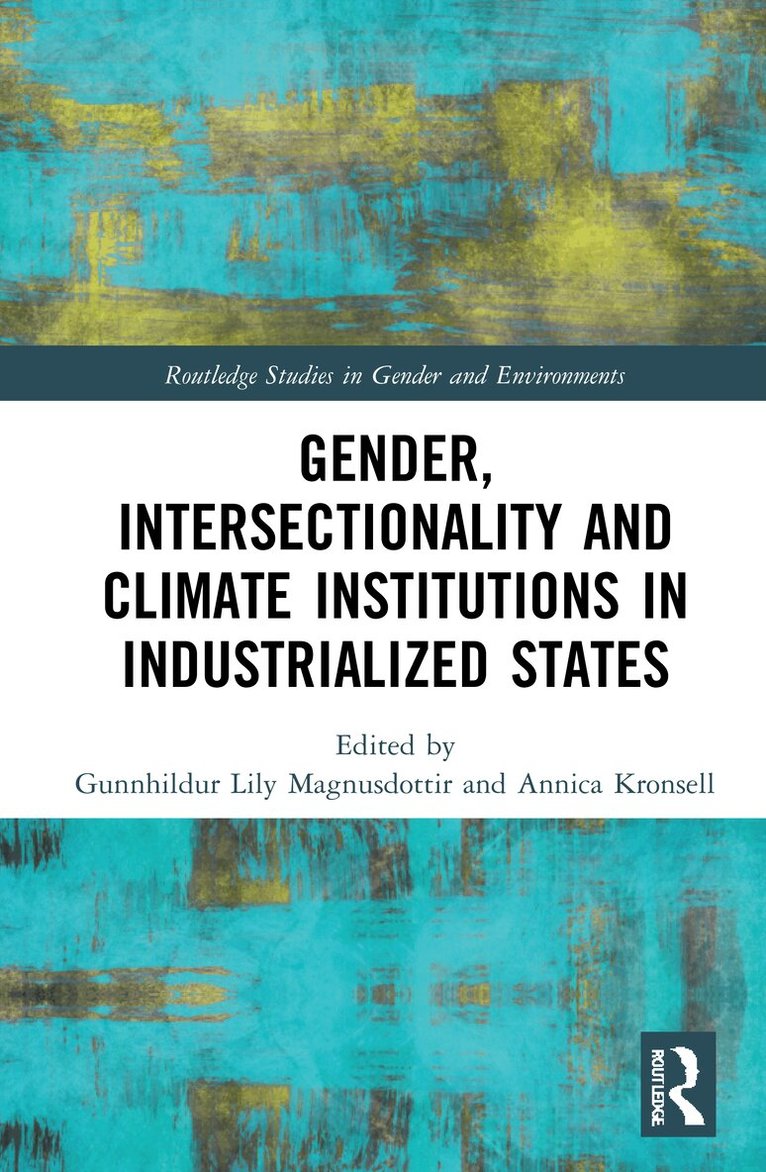
This book explores how climate institutions in industrialized countries work to further the recognition of social differences and integrate this understanding in climate policy making.With contributions from a range of expert scholars in the field, this volume investigates policy-making in climate institutions from the perspective of power as it relates to gender. It also considers other intersecting social factors at different levels of governance, from the global to the local level and extending into climate-relevant sectors. The authors argue that a focus on climate institutions is important since they not only develop strategies and policies, they also (re)produce power relations, promote specific norms and values, and distribute resources. The chapters throughout draw on examples from various institutions including national ministries, transport and waste management authorities, and local authorities, as well as the European Union and the UNFCCC regime. Overall, this book demonstrates how feminist institutionalist theory and intersectionality approaches can contribute to an increased understanding of power relations and social differences in climate policy-making and in climate-relevant sectors in industrialized states. In doing so, it highlights the challenges of path dependencies, but also reveals opportunities for advancing gender equality, equity, and social justice.Gender, Intersectionality and Climate Institutions in Industrialized States will be of great interest to students and scholars of climate politics, international relations, gender studies and policy studies.The Open Access version of this book, available at https://doi.org/10.4324/9781003052821, has been made available under a Creative Commons Attribution-Non Commercial-No Derivatives 4.0 license.
Feminist Climate Policy in Industrialised States
A Gender-Just Climate Emergency Response
Häftad, Engelska, 2025
575 kr
Skickas inom 10-15 vardagar
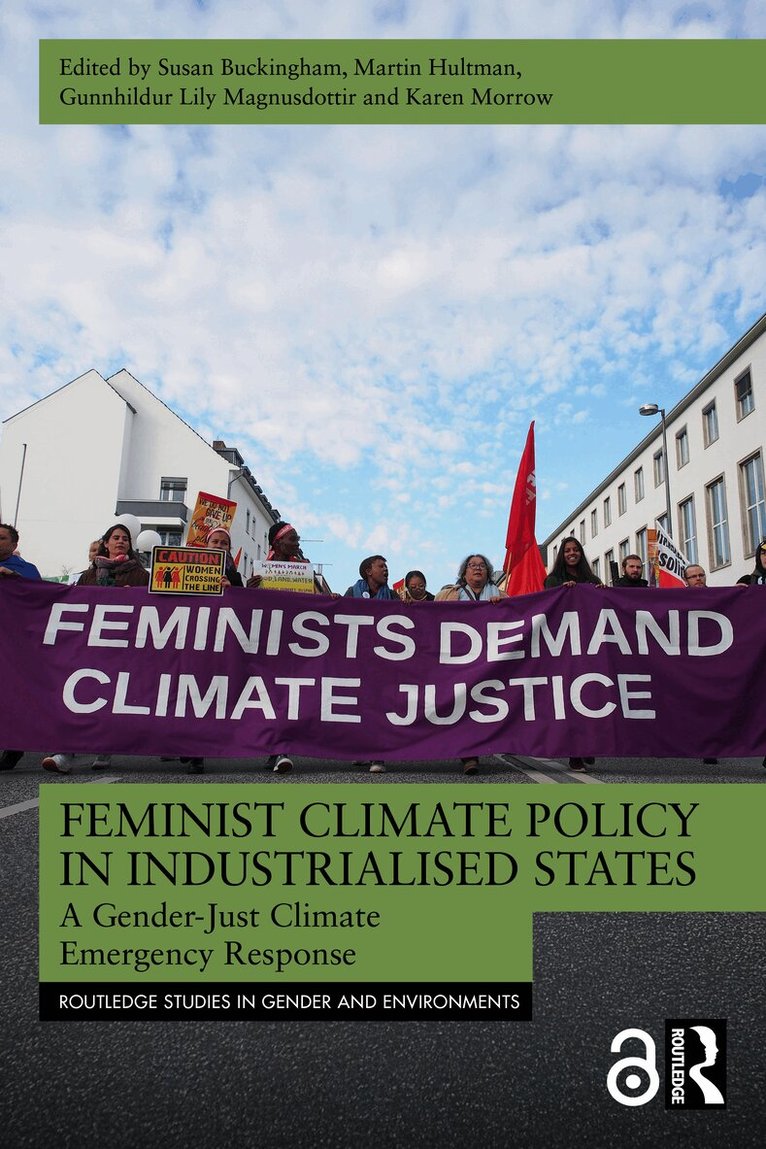
Feminist Climate Policy in Industrialised States explores ways in which policymakers can overcome institutional barriers and conventions in pursuit of the radical changes necessary for a gender-just climate emergency response.In 2021, the Intergovernmental Panel on Climate Change acknowledged that addressing the climate emergency must involve social justice and equality. Feminist approaches to decision-making, policy-making, community organising and their underpinning methodologies can enable this. The authors draw critically on case studies, research and interviews with feminist practitioners, legislators and leaders who have implemented significant changes, to signal how change might be achieved and ask what lessons can be drawn. The book posits that we need to ultimately move beyond the gender mainstreaming and gender equality issues which have been integrated into existing – and failing – structures, to more transformative feminist approaches. It concludes by identifying key strands of feminist-oriented praxis that offer the potential to expedite responses to climate change across multiple levels of governance.With industrialised states shifting rightwards to a politics which diminishes the importance and urgency of gender equality, diversity, human rights and the need for climate action, this volume will inspire, guide, and provide tools for policymakers, politicians, community activists, academics, and students to take transformative action to address the climate emergency.The Open Access version of this book, available at http://www.taylorfrancis.com, has been made available under a Creative Commons [Attribution-Non Commercial-No Derivatives (CC BY-NC-ND)] 4.0 license.
Feminist Climate Policy in Industrialised States
A Gender-Just Climate Emergency Response
Inbunden, Engelska, 2025
2 104 kr
Skickas inom 10-15 vardagar
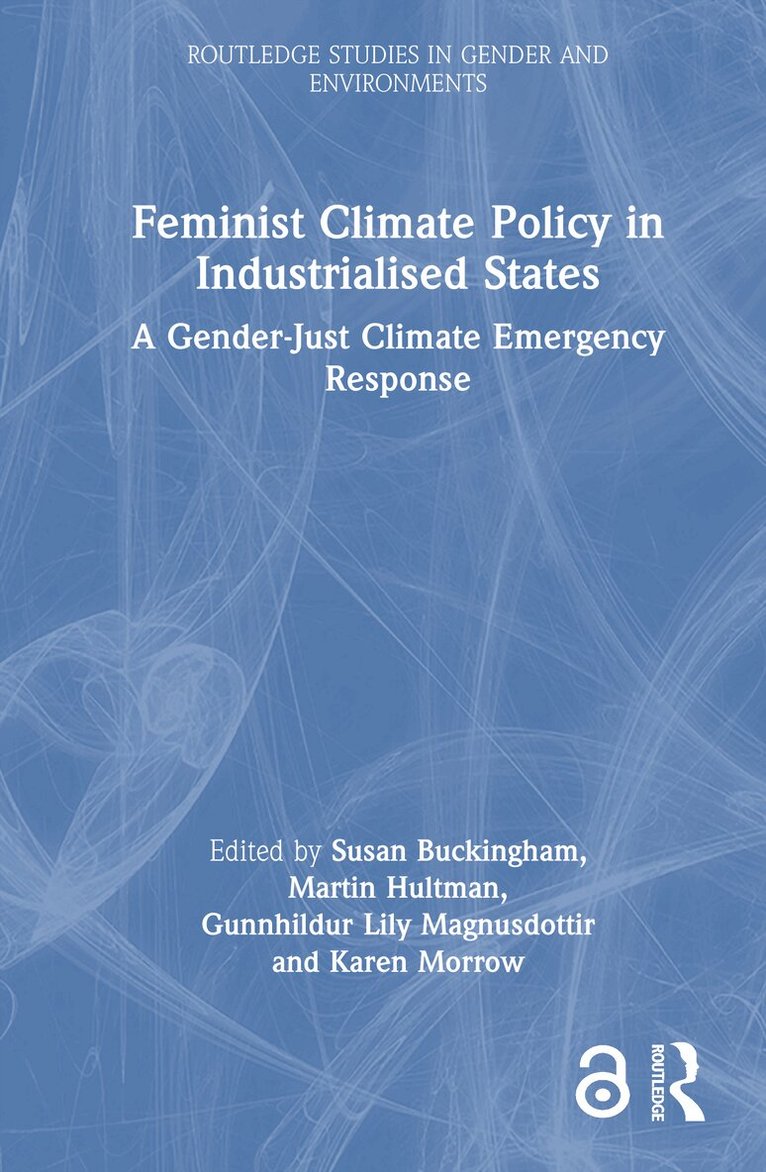
Feminist Climate Policy in Industrialised States explores ways in which policymakers can overcome institutional barriers and conventions in pursuit of the radical changes necessary for a gender-just climate emergency response.In 2021, the Intergovernmental Panel on Climate Change acknowledged that addressing the climate emergency must involve social justice and equality. Feminist approaches to decision-making, policy-making, community organising and their underpinning methodologies can enable this. The authors draw critically on case studies, research and interviews with feminist practitioners, legislators and leaders who have implemented significant changes, to signal how change might be achieved and ask what lessons can be drawn. The book posits that we need to ultimately move beyond the gender mainstreaming and gender equality issues which have been integrated into existing – and failing – structures, to more transformative feminist approaches. It concludes by identifying key strands of feminist-oriented praxis that offer the potential to expedite responses to climate change across multiple levels of governance.With industrialised states shifting rightwards to a politics which diminishes the importance and urgency of gender equality, diversity, human rights and the need for climate action, this volume will inspire, guide, and provide tools for policymakers, politicians, community activists, academics, and students to take transformative action to address the climate emergency.The Open Access version of this book, available at http://www.taylorfrancis.com, has been made available under a Creative Commons [Attribution-Non Commercial-No Derivatives (CC BY-NC-ND)] 4.0 license.