Hans-Jorg Rheinberger – författare
257 kr
Skickas inom 5-8 vardagar
249 kr
Skickas inom 5-8 vardagar
833 kr
Skickas inom 5-8 vardagar
493 kr
Läs direkt efter köp
2 110 kr
Läs direkt efter köp
633 kr
Läs direkt efter köp
572 kr
Läs direkt efter köp
With the rise of genomics, the life sciences have entered a new era. Maps of genomes have become the icons for a comprehensive knowledge of the organism on a previously unattained level of complexity, and the organisation of genetic knowledge in maps has been a major driving force in the establishment of the discipline. This book provides a comprehensive history of molecular genetics and genomics.The first section of the book shows how the genetic cartography of classical genetics was linked to the molecular analysis of gene structure through the introduction of new model organisms such as bacteria and through the invention of new experimental tools such as gene transfer. The second section addresses the moral and political economy of human genome sequencing in all its technical, epistemic, social and economic complexity.With detailed analyses of the scientific practices of mapping and its illustration of the diversity of mapping practices this book is a significant contribution to the history of genetics. A companion volume from the same editors - Classical Genetic Research and Its Legacy: The Mapping Cultures of Twentieth Century Genetics - covers the history of mapping procedures as they were developed in classical genetics.
874 kr
Läs direkt efter köp
With the rise of genomics, the life sciences have entered a new era. This book provides a comprehensive history of mapping procedures as they were developed in classical genetics. An accompanying volume - From Molecular Genetics to Genomics - covers the history of molecular genetics and genomics.The book shows that the technology of genetic mapping is by no means a recent acquisition of molecular genetics or even genetic engineering. It demonstrates that the development of mapping technologies has accompanied the rise of modern genetics from its very beginnings. In Section One, Mendelian genetics is set in perspective from the viewpoint of the detection and description of linkage phenomena. Section Two addresses the role of mapping for the experimental working practice of classical geneticists, their social interactions and for the laboratory ''life worlds''.With detailed analyses of the scientific practices of mapping and its illustration of the diversity of mapping practices this book is a significant contibution to the history of genetics. A companion volume from the same editors - From Molecular Genetics to Genomics: The Mapping Cultures of Twentieth Century Genetics - covers the history of molecular genetics and genomics.
874 kr
Läs direkt efter köp
With the rise of genomics, the life sciences have entered a new era. This book provides a comprehensive history of mapping procedures as they were developed in classical genetics. An accompanying volume - From Molecular Genetics to Genomics - covers the history of molecular genetics and genomics.The book shows that the technology of genetic mapping is by no means a recent acquisition of molecular genetics or even genetic engineering. It demonstrates that the development of mapping technologies has accompanied the rise of modern genetics from its very beginnings. In Section One, Mendelian genetics is set in perspective from the viewpoint of the detection and description of linkage phenomena. Section Two addresses the role of mapping for the experimental working practice of classical geneticists, their social interactions and for the laboratory ''life worlds''.With detailed analyses of the scientific practices of mapping and its illustration of the diversity of mapping practices this book is a significant contibution to the history of genetics. A companion volume from the same editors - From Molecular Genetics to Genomics: The Mapping Cultures of Twentieth Century Genetics - covers the history of molecular genetics and genomics.
1 322 kr
Skickas inom 3-6 vardagar
963 kr
Läs direkt efter köp
Dem Paradigma der verkörperten Kognition zufolge bilden die Bewegungen eines Körpers die Voraussetzung dafür, dass sich intelligentes Verhalten entwickeln kann. Auch Affekte und weitere somatische Dimensionen bestärken die kognitionswissenschaftliche Grundannahme, dass Intelligenz verkörpert ist. Neben diesem Begriff des ,embodiment'' existieren jedoch zahlreiche andere Bedeutungen von ,Verkörperung''. So kann mit diesem Begriff gemeint sein, eine Idee oder Eigenschaft zu personifizieren oder ein Abstraktum zu konkretisieren, wie etwa die Fleischwerdung Gottes, das Spielen einer Rolle oder das Tragen einer Maske. Die Beiträge dieses Bandes diskutieren den Begriff der Verkörperung daher interdisziplinär. Sie reichen von der Neurophysiologie über die Epistemologie bis zur Kunstgeschichte und zu den Literatur- und Theaterwissenschaften.
1 461 kr
Läs direkt efter köp
1 226 kr
Läs direkt efter köp
1 461 kr
Läs direkt efter köp
198 kr
Läs direkt efter köp
124 kr
Läs direkt efter köp
61 kr
Läs direkt efter köp
44 kr
Läs direkt efter köp
284 kr
Läs direkt efter köp
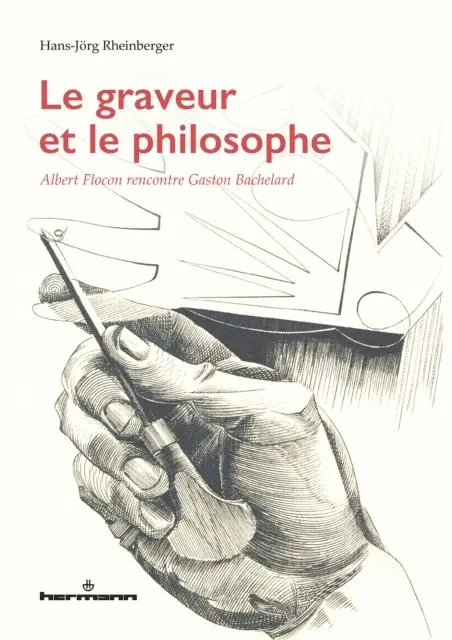
La rencontre entre le graveur sur cuivre Albert Flocon et le philosophe de la science Gaston Bachelard reste peu connue du public. Pourtant, elle semble tout à fait emblématique des influences réciproques entre la philosophie et l’art, le travail de l’esprit et celui de la main. Tous deux enracinés dans le surréalisme, mais chacun à sa manière, Bachelard et Flocon s’aventuraient régulièrement aux frontières de leur métier pour explorer des terres encore inconnues. Bachelard, se réclamant d’une « raison sauvage » et d’un principe expérimental radical, choisissait les objets de sa pensée selon leurs promesses insistantes. Il n’en reconnaissait pas moins dans les œuvres du bricoleur Flocon sa propre « philosophie au travail » – un travail où sa raison pouvait toujours être remise en jeu.Sous la forme d’une double biographie, Hans-Jörg Rheinberger parvient à composer une histoire intellectuelle lucide tout en présentant une fascinante lecture illustrée des cuivres d’Albert Flocon.