Helmut Greim – författare
Visar alla böcker från författaren Helmut Greim. Handla med fri frakt och snabb leverans.
22 produkter
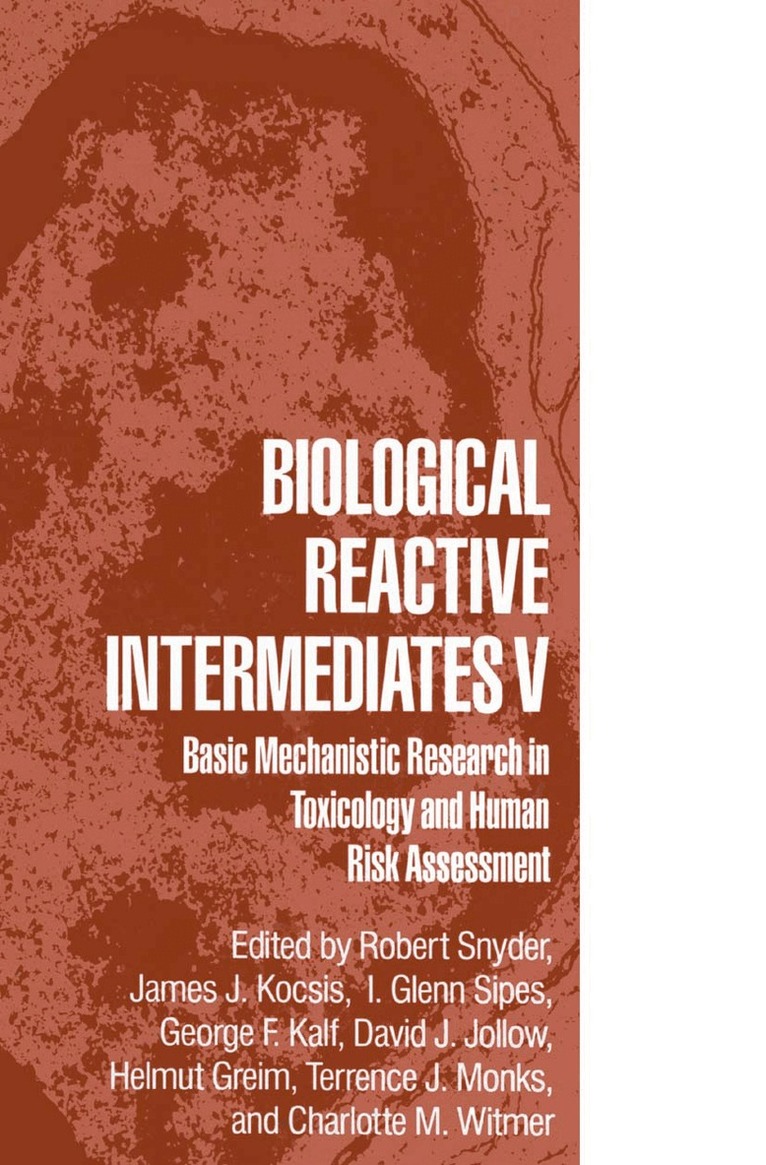
Biological Reactive Intermediates V
Basic Mechanistic Research in Toxicology and Human Risk Assessment
Av Robert R. Snyder, James J. Kocsis m. fl.
Inbunden, 1996
2254 kr
Lägg i varukorg
Much of organic chemistry is based on the ability of suitably structured chemicals to bind together through the formation of covalent bonds. Biochemistry is replete with exam ples of enzymatically catalyzed reactions in which normal body constituents can be linked through covalent bonds during the …
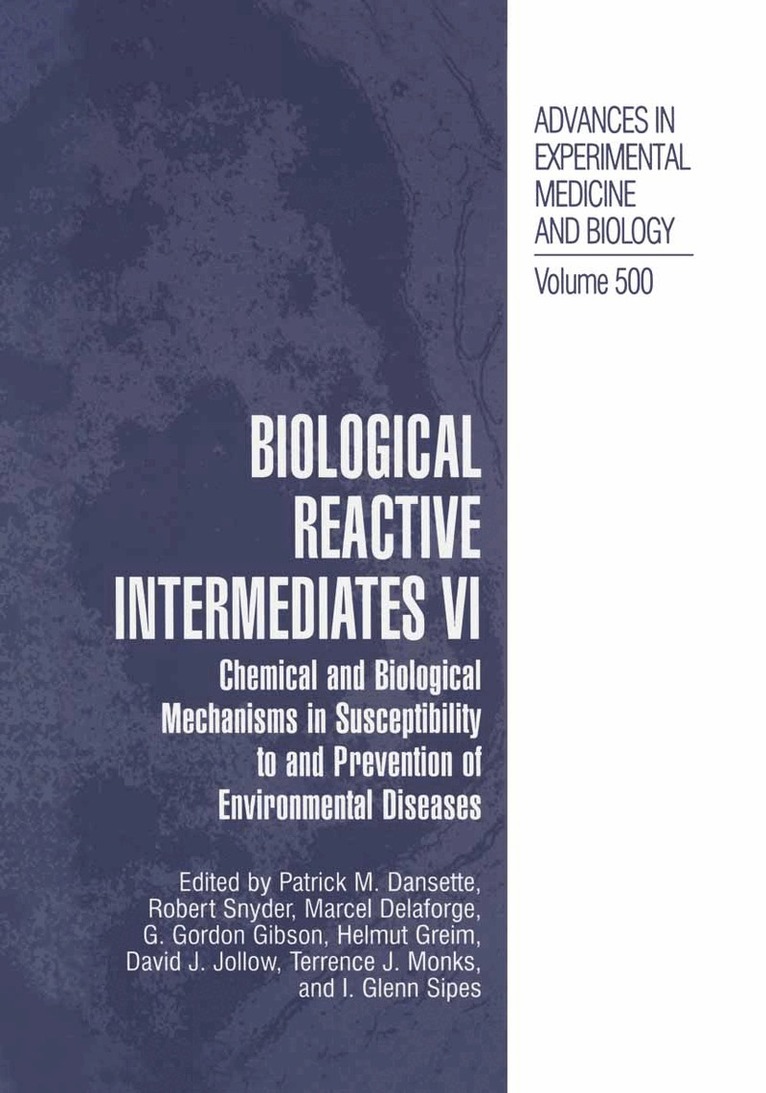
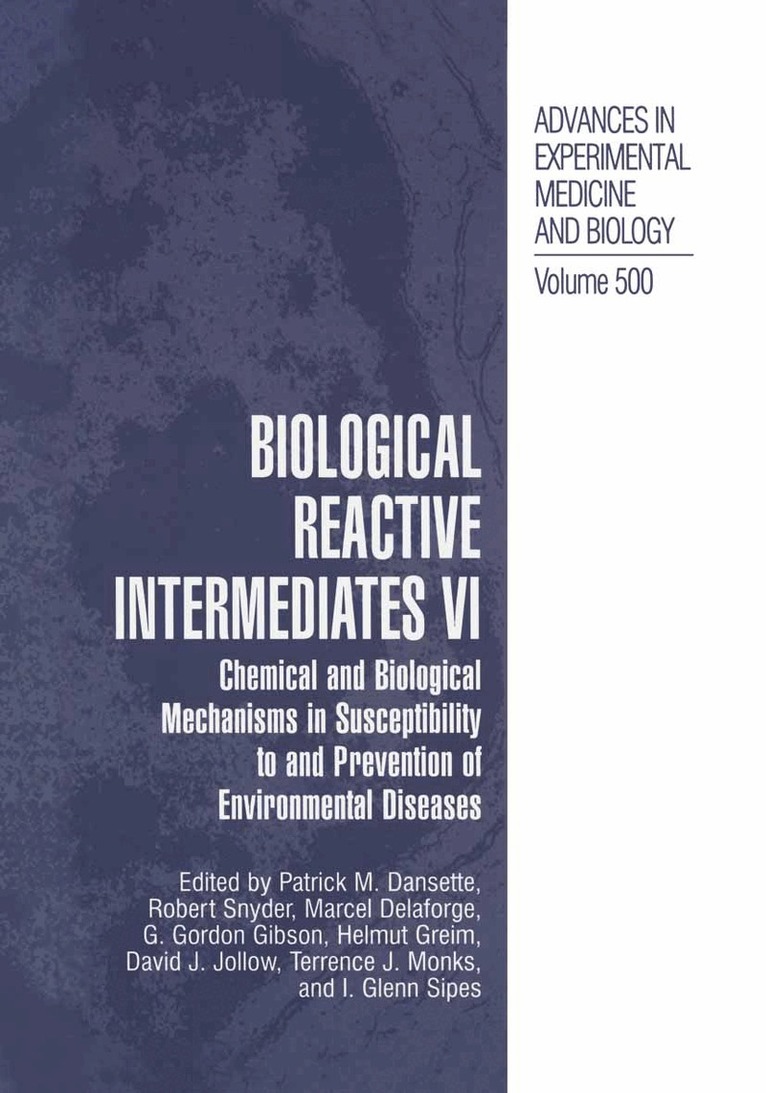
Biological Reactive Intermediates Vi
Chemical and Biological Mechanisms in Susceptibility to and Prevention of Environmental Diseases
Av Patrick M. Dansette, Robert R. Snyder m. fl.
Inbunden, 2001
2254 kr
Lägg i varukorg
Historically we have separated the disciplines of Chemistry and Biochemistry by recognizing that the distinguishing characteristic of Biochemistry is the catalysis of reactions by enzymes. Enzymes permit metabolic reactions which would otherwise require extremes of temperature, pressure or pH, …
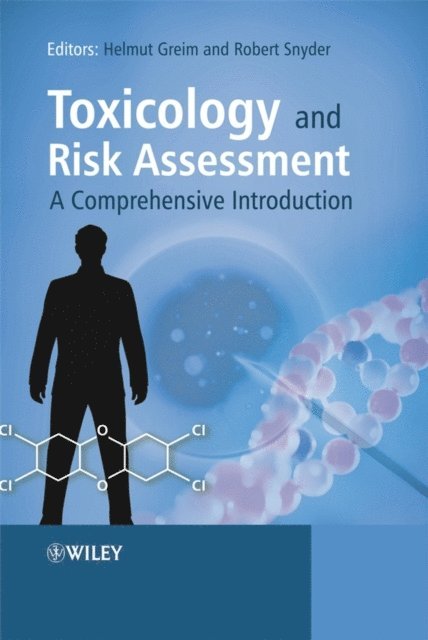
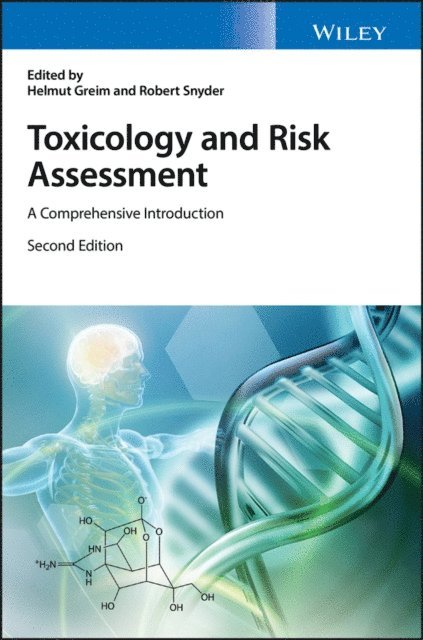
Toxicology and Risk Assessment
A Comprehensive Introduction
Av Robert Snyder, Helmut Greim
E-bok, 2008
2072 kr
Lägg i varukorg
This new book, written by two outstanding scientists in the field, describes the basic principles of toxic mechanisms and organ toxicity, providing detailed information on specific mechanisms or chemicals for exemplification. The goal is to provide sufficient information that the reader becomes …
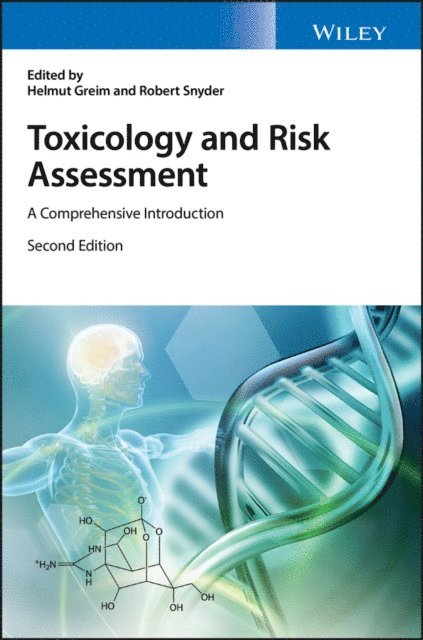
Toxicology and Risk Assessment
A Comprehensive Introduction
Av Robert Snyder, Helmut Greim
E-bok, 2018
2199 kr
Lägg i varukorg
Provides a complete understanding of how our bodies respond to toxicants, and the principles used to assess the health risks of specific exposure scenarios Toxicology and Risk Assessment: A Comprehensive Introduction, Second Edition reflects recent advances in science and technology, and provides …
Toxicology and Risk Assessment
A Comprehensive Introduction
Av Robert Snyder, Helmut Greim
E-bok, 2018
2152 kr
Lägg i varukorg
Provides a complete understanding of how our bodies respond to toxicants, and the principles used to assess the health risks of specific exposure scenarios Toxicology and Risk Assessment: A Comprehensive Introduction, Second Edition reflects recent advances in science and technology, and provides …
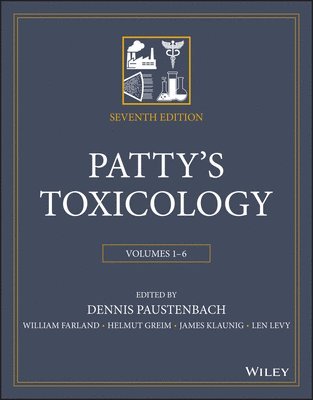
Patty's Toxicology, 6 Volume Set
Av Dennis J. Paustenbach, William H. Farland m. fl.
Inbunden, 2024
36406 kr
Lägg i varukorg
The leading source for industrial and occupational toxicology for over 75 years. Patty's Toxicology was originally published as Patty's Industrial Hygiene and Toxicology in 1948 and has long been recognized as the premier reference for toxicological information on a large number of industrial …
Biological Reactive Intermediates Vi
Chemical and Biological Mechanisms in Susceptibility to and Prevention of Environmental Diseases
Av Patrick M. Dansette, Robert R. Snyder m. fl.
Häftad, 2012
2254 kr
Lägg i varukorg
Historically we have separated the disciplines of Chemistry and Biochemistry by recognizing that the distinguishing characteristic of Biochemistry is the catalysis of reactions by enzymes. Enzymes permit metabolic reactions which would otherwise require extremes of temperature, pressure or pH, …
Biological Reactive Intermediates Vi
Chemical and Biological Mechanisms in Susceptibility to and Prevention of Environmental Diseases
Av Marcel Delaforge, G. Gordon Gibson m. fl.
E-bok, 2012
3013 kr
Lägg i varukorg
Biological Reactive Intermediates V
Basic Mechanistic Research in Toxicology and Human Risk Assessment
Av Charlotte M. Witmer, Terrence J. Monks m. fl.
E-bok, 2013
3013 kr
Lägg i varukorg
Much of organic chemistry is based on the ability of suitably structured chemicals to bind together through the formation of covalent bonds. Biochemistry is replete with exam ples of enzymatically catalyzed reactions in which normal body constituents can be linked through covalent bonds during the …
Biological Reactive Intermediates V
Basic Mechanistic Research in Toxicology and Human Risk Assessment
Av Robert R. Snyder, James J. Kocsis m. fl.
Häftad, 2013
2249 kr
Lägg i varukorg
Much of organic chemistry is based on the ability of suitably structured chemicals to bind together through the formation of covalent bonds. Biochemistry is replete with exam ples of enzymatically catalyzed reactions in which normal body constituents can be linked through covalent bonds during the …
Cellular Response to the Genotoxic Insult
The Question of Threshold for Genotoxic Carcinogens
Av Richard Albertini, Helmut Greim
E-bok, 2012
2853 kr
Lägg i varukorg
Genotoxic carcinogens can lead to DNA mutations with the potential to cause cancer. Typically, a series of mutation events are needed before malignancy occurs so a single, small exposure may not result in disease. Also, cells have an armoury of defence mechanisms which, to a degree, counter the …
Das Toxikologiebuch
Grundlagen, Verfahren, Bewertung
Av Helmut Greim
Inbunden, 2017
2011 kr
Lägg i varukorg
Ein internationales Expertenteam unter Leitung eines der renommiertesten deutschen Toxikologen beschreibt die Toxikologie in ihrer gesamten Breite, von grundlegenden Aspekten der molekularen Wirkung von Toxinen über die Wechselwirkung des menschlichen Organismus mit Fremdstoffen bis hin zu Fragen …
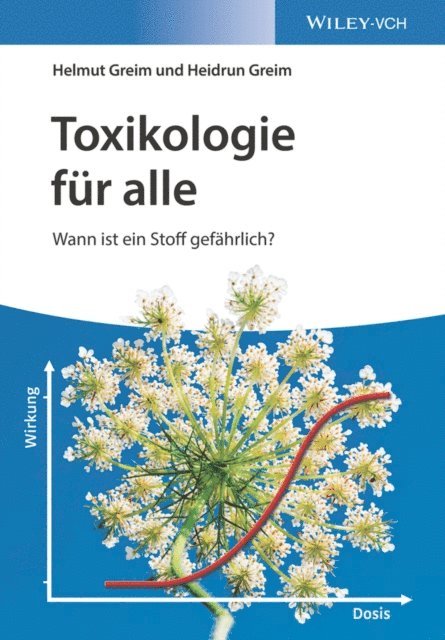
Toxikologie für alle
Wann ist ein Stoff gefährlich?
Av Helmut Greim, Heidrun Greim
Häftad, 2022
389 kr
Lägg i varukorg
Was man über Giftstoffe, deren Wirkung und Bewertung wissen muss: Zwei erfahrene Toxikologen erklären allgemeinverständlich, wann ein Stoff zum Schadstoff wird.Der Schwerpunkt liegt dabei auf den allgemeinen Grundlagen einer toxikologischen Untersuchung und Bewertung von Schadstoffen, sowie den …
Das Toxikologiebuch
Grundlagen, Verfahren, Bewertung
Av Helmut Greim
E-bok, 2017
2153 kr
Lägg i varukorg
Ein internationales Expertenteam unter Leitung eines der renommiertesten deutschen Toxikologen beschreibt die Toxikologie in ihrer gesamten Breite, von grundlegenden Aspekten der molekularen Wirkung von Toxinen über die Wechselwirkung des menschlichen Organismus mit Fremdstoffen bis hin zu Fragen …
Das Toxikologiebuch
Grundlagen, Verfahren, Bewertung
Av Helmut Greim
E-bok, 2017
2200 kr
Lägg i varukorg
Ein internationales Expertenteam unter Leitung eines der renommiertesten deutschen Toxikologen beschreibt die Toxikologie in ihrer gesamten Breite, von grundlegenden Aspekten der molekularen Wirkung von Toxinen über die Wechselwirkung des menschlichen Organismus mit Fremdstoffen bis hin zu Fragen …
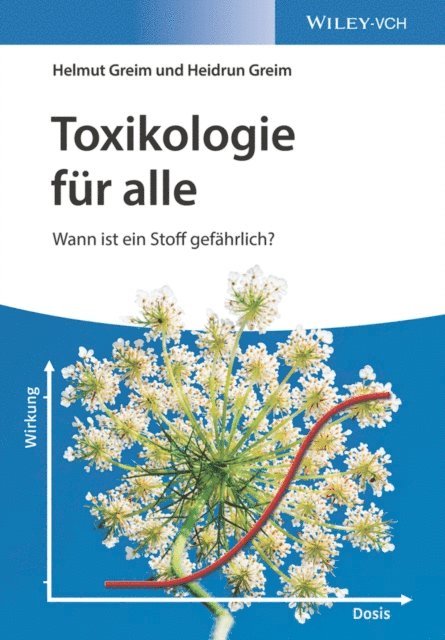
Toxikologie für alle
Wann ist ein Stoff gefährlich?
Av Heidrun Greim, Helmut Greim
E-bok, 2022
407 kr
Lägg i varukorg
Was man über Giftstoffe, deren Wirkung und Bewertung wissen muss: Zwei erfahrene Toxikologen erklären allgemeinverständlich, wann ein Stoff zum Schadstoff wird. Der Schwerpunkt liegt dabei auf den allgemeinen Grundlagen einer toxikologischen Untersuchung und Bewertung von Schadstoffen, sowie den …
Toxikologie für alle
Wann ist ein Stoff gefährlich?
Av Heidrun Greim, Helmut Greim
E-bok, 2022
407 kr
Lägg i varukorg
Was man über Giftstoffe, deren Wirkung und Bewertung wissen muss: Zwei erfahrene Toxikologen erklären allgemeinverständlich, wann ein Stoff zum Schadstoff wird. Der Schwerpunkt liegt dabei auf den allgemeinen Grundlagen einer toxikologischen Untersuchung und Bewertung von Schadstoffen, sowie den …
Biological Monitoring of Exposure and the Response at the Subcellular Level to Toxic Substances
Proceedings of the European Society of Toxicology Meeting held in Munich, September 4–7, 1988
Av Philip L. Chambers, Claire M. Chambers m. fl.
Häftad, 1989
568 kr
Lägg i varukorg
This supplement contains the papers submitted at EUROTOX 88, the joint Congress of the European Society of Toxicology and the Federation of the European Societies of Toxicology. The theme was one of monitoring and examining the effects of toxic substances in the biological response at the …
Biological Monitoring of Exposure and the Response at the Subcellular Level to Toxic Substances
Proceedings of the European Society of Toxicology Meeting held in Munich, September 4–7, 1988
Av Helmut Greim, Claire M. Chambers m. fl.
E-bok, 2012
755 kr
Lägg i varukorg
This supplement contains the papers submitted at EUROTOX 88, the joint Congress of the European Society of Toxicology and the Federation of the European Societies of Toxicology. The theme was one of monitoring and examining the effects of toxic substances in the biological response at the …
Toxicology and Risk Assessment
A Comprehensive Introduction
Av Helmut Greim, Robert Snyder
Inbunden, 2018
1452 kr
Tillfälligt slut
Provides a complete understanding of how our bodies respond to toxicants, and the principles used to assess the health risks of specific exposure scenariosToxicology and Risk Assessment: A Comprehensive Introduction, Second Edition reflects recent advances in science and technology, and provides …
Cellular Response to the Genotoxic Insult
The Question of Threshold for Genotoxic Carcinogens
Av Helmut Greim, Richard Albertini
Inbunden, 2012
2569 kr
Tillfälligt slut
Genotoxic carcinogens can lead to DNA mutations with the potential to cause cancer. Typically, a series of mutation events are needed before malignancy occurs so a single, small exposure may not result in disease. Also, cells have an armoury of defence mechanisms which, to a degree, counter the …
Analytische Methoden zur Prüfung gesundheitsschädlicher Arbeitsstoffe: Band
Av Helmut Greim
2003
13428 kr
Tillfälligt slut