Jaś Elsner - Böcker
Visar alla böcker från författaren Jaś Elsner. Handla med fri frakt och snabb leverans.
10 produkter
10 produkter
1 749 kr
Skickas inom 7-10 vardagar
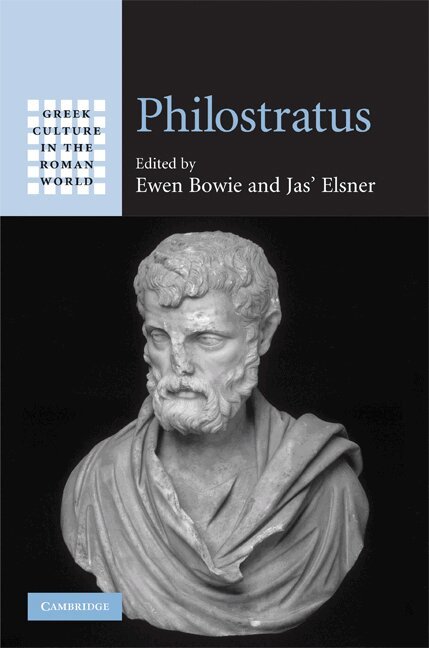
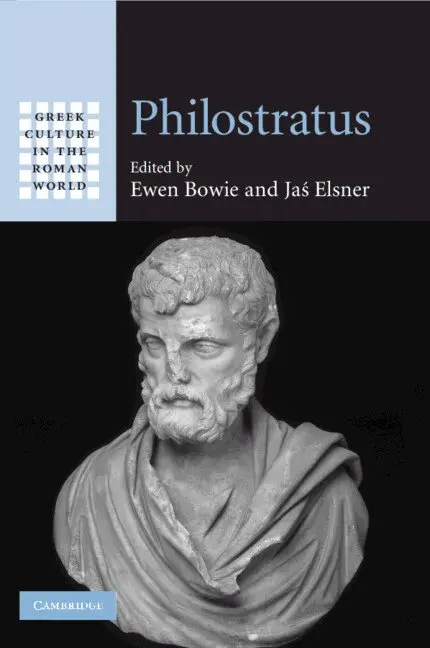
This is the first volume of collected papers to be devoted to the work of Philostratus, the great essayist, biographer and historian of Greek culture in the Roman world, and the most scintillating writer of Greek prose in the third century AD. The papers cover his remarkable range, from hagiographic fiction to historical dialogue, from pictorial description to love letters, and from prescriptions for gymnastics to the lives of the Sophists. The quality of his writing and the concerns within his purview - religion, aesthetics, athletics and education - make Philostratus's writings among the most important documents for understanding Greek culture in the Roman world, and guide us in exploring the maturity of Hellenic cultural identity in the context of the rise of Christianity. Few studies have been devoted to this neglected figure, and this collection will therefore be of great value to scholars and students of imperial Greek literature and art.
1 702 kr
Skickas inom 7-10 vardagar
The Roman Empire during the reigns of Septimius Severus and his successors (AD 193-225) enjoyed a remarkably rich and dynamic cultural life. It saw the consolidation of the movement known as the second sophistic, which had flourished during the second century and promoted the investigation and reassessment of classical Greek culture. It also witnessed the emergence of Christianity on its own terms, in Greek and in Latin, as a major force extending its influence across literature, philosophy, theology, art and even architecture. This volume offers the first wide-ranging and authoritative survey of the culture of this fascinating period when the background of Rome's rulers was for the first time non-Italian. Leading scholars discuss general trends and specific instances, together producing a vibrant picture of an extraordinary period of cultural innovation rooted in ancient tradition.
How to Describe a Painting
Philostratus and Art Criticism in the Graeco-Roman World
Inbunden, Engelska, 2026
876 kr
Kommande
How should we talk about material objects, especially the virtual two-dimensional impressions of painting? A particularly sophisticated answer is provided by Philostratus' Imagines, one of the world's earliest and greatest works of art criticism. Jaś Elsner and Michael Squire situate this Imperial Greek text in its various 'Second Sophistic' contexts, especially in relation to Graeco-Roman traditions of image-making, aesthetics, rhetoric and the evocation of visual impressions (so-called 'ecphrasis'). They also champion its extraordinarily rich significance for anyone interested in perception, subjective imagination and the emotional leverage of art. If the Imagines remains unsurpassed as one of the western tradition's most creatively original, scintillating and self-reflexive works of art criticism, Elsner and Squire argue, its relevance is also pressingly contemporary: there are modern lessons to be learnt from this ancient project of educating the young - lessons that have a particular urgency in our own dawning digital age.
1 682 kr
Skickas
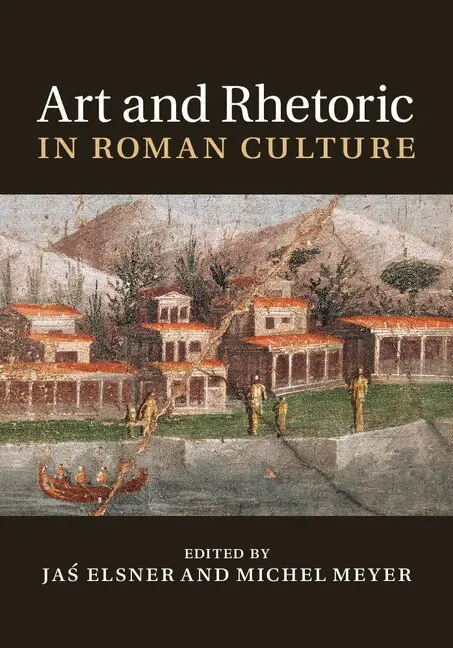
Rhetoric was fundamental to education and to cultural aspiration in the Greek and Roman worlds. It was one of the key aspects of antiquity that slipped under the line between the ancient world and Christianity erected by the early Church in late antiquity. Ancient rhetorical theory is obsessed with examples and discussions drawn from visual material. This book mines this rich seam of theoretical analysis from within Roman culture to present an internalist model for some aspects of how the Romans understood, made and appreciated their art. The understanding of public monuments like the Arch of Titus or Trajan's Column or of imperial statuary, domestic wall painting, funerary altars and sarcophagi, as well as of intimate items like children's dolls, is greatly enriched by being placed in relevant rhetorical contexts created by the Roman world.
496 kr
Skickas inom 7-10 vardagar
The Roman Empire during the reigns of Septimius Severus and his successors (AD 193-225) enjoyed a remarkably rich and dynamic cultural life. It saw the consolidation of the movement known as the second sophistic, which had flourished during the second century and promoted the investigation and reassessment of classical Greek culture. It also witnessed the emergence of Christianity on its own terms, in Greek and in Latin, as a major force extending its influence across literature, philosophy, theology, art and even architecture. This volume offers the first wide-ranging and authoritative survey of the culture of this fascinating period when the background of Rome's rulers was for the first time non-Italian. Leading scholars discuss general trends and specific instances, together producing a vibrant picture of an extraordinary period of cultural innovation rooted in ancient tradition.
Empires of Faith in Late Antiquity
Histories of Art and Religion from India to Ireland
Häftad, Engelska, 2023
425 kr
Skickas
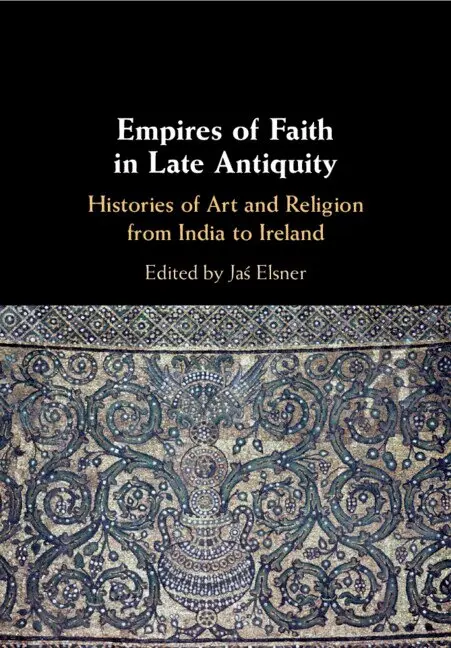
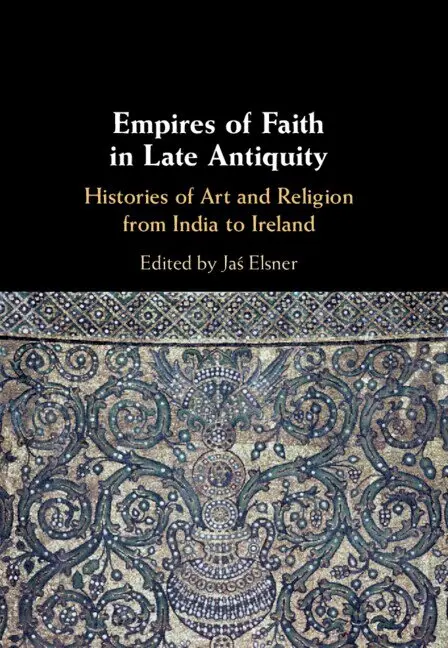
This book reveals the rewards of exploring the relationship between art and religion in the first millennium, and the particular problems of comparing the visual cultures of different emergent and established religions of the period in Eurasia - Buddhism, Hinduism, Zoroastrianism, Islam, Judaism, Christianity and the pagan religions of the Roman world. Most of these became established and remained in play as what are called 'the world religions'. The chapters in this volume show how the long traditions of studying these topics are caught up in complex local, ancestral, colonial and post-colonial discourses and biases, which have made comparison difficult. The study of Late Antiquity turns out also to be an examination of the intellectual histories of modernity.
Empires of Faith in Late Antiquity
Histories of Art and Religion from India to Ireland
Inbunden, Engelska, 2020
1 692 kr
Skickas inom 7-10 vardagar
This book reveals the rewards of exploring the relationship between art and religion in the first millennium, and the particular problems of comparing the visual cultures of different emergent and established religions of the period in Eurasia - Buddhism, Hinduism, Zoroastrianism, Islam, Judaism, Christianity and the pagan religions of the Roman world. Most of these became established and remained in play as what are called 'the world religions'. The chapters in this volume show how the long traditions of studying these topics are caught up in complex local, ancestral, colonial and post-colonial discourses and biases, which have made comparison difficult. The study of Late Antiquity turns out also to be an examination of the intellectual histories of modernity.
1 200 kr
Skickas inom 7-10 vardagar
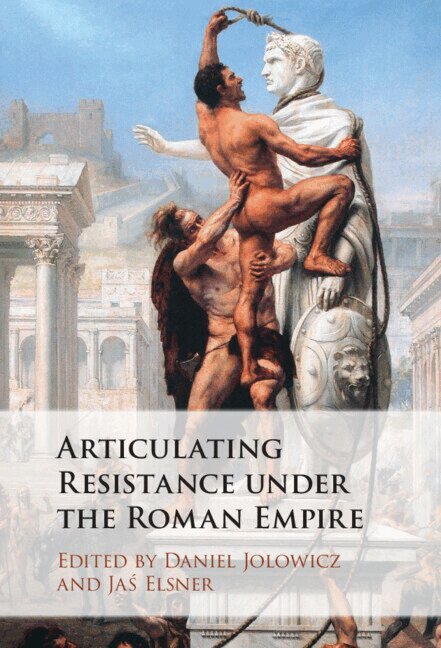
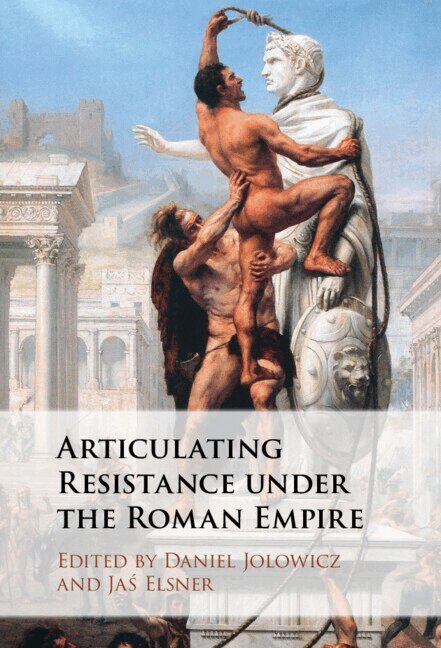
This book explores the many strategies by which elite Greeks and Romans resisted the cultural and political hegemony of the Roman Empire in ways that avoided direct confrontation or simple warfare. By resistance is meant a range of responses including 'opposition', 'subversion', 'antagonism', 'dissent', and 'criticism' within a multiplicity of cultural forms from identity-assertion to polemic. Although largely focused on literary culture, its implications can be extended to the world of visual and material culture. Within the volume a distinguished group of scholars explores topics such as the affirmation of identity via language choice in epigraphy; the use of genre (dialogue, declamation, biography, the novel) to express resistant positions; identity negotiation in the scintillating and often satirical Greek essays of Lucian; and the place of religion in resisting hegemonic power.
346 kr
Skickas inom 7-10 vardagar
This book explores the many strategies by which elite Greeks and Romans resisted the cultural and political hegemony of the Roman Empire in ways that avoided direct confrontation or simple warfare. By resistance is meant a range of responses including 'opposition', 'subversion', 'antagonism', 'dissent', and 'criticism' within a multiplicity of cultural forms from identity-assertion to polemic. Although largely focused on literary culture, its implications can be extended to the world of visual and material culture. Within the volume a distinguished group of scholars explores topics such as the affirmation of identity via language choice in epigraphy; the use of genre (dialogue, declamation, biography, the novel) to express resistant positions; identity negotiation in the scintillating and often satirical Greek essays of Lucian; and the place of religion in resisting hegemonic power.
584 kr
Skickas inom 7-10 vardagar
This is the first volume of collected papers to be devoted to the work of Philostratus, the great essayist, biographer and historian of Greek culture in the Roman world, and the most scintillating writer of Greek prose in the third century AD. The papers cover his remarkable range, from hagiographic fiction to historical dialogue, from pictorial description to love letters, and from prescriptions for gymnastics to the lives of the Sophists. The quality of his writing and the concerns within his purview - religion, aesthetics, athletics and education - make Philostratus's writings among the most important documents for understanding Greek culture in the Roman world, and guide us in exploring the maturity of Hellenic cultural identity in the context of the rise of Christianity. Few studies have been devoted to this neglected figure, and this collection will therefore be of great value to scholars and students of imperial Greek literature and art.