Jameelah Omar – författare
Visar alla böcker från författaren Jameelah Omar. Handla med fri frakt och snabb leverans.
6 produkter
6 produkter
E-bok
PDF, Engelska, 2025712 kr
Läs direkt efter köp
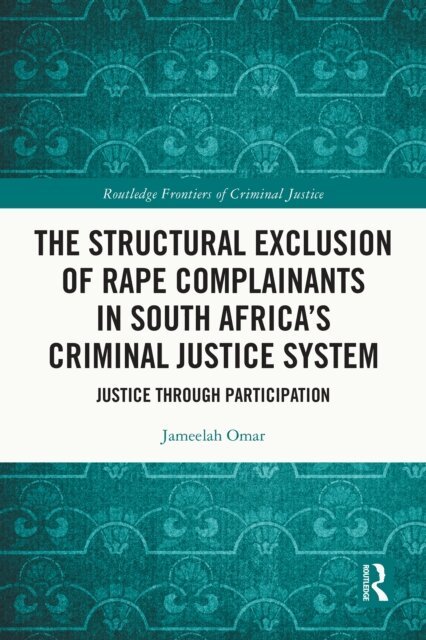
Exploring the intricate dynamics surrounding rape complainants within the South African criminal justice system, this book proposes reforms in the approach to participation of victims with the aim of mitigating the structural barriers imposed by the adversarial process.Broadening the concept of participation, the book takes a comprehensive view of meaningful participation at every stage of the legal process and argues that participation can further justice for rape victims. In doing so, it highlights that justice as an outcome of the criminal process should not solely be focused on convicting perpetrators, but about restoring the dignity of and empowering victims. Through the practical proposals included in the book to integrate complainants into the criminal process, readers will gain an understanding of what is possible even within the structures of the adversarial system, and activists both within and outside the system will be better equipped to advocate for systemic change.The Structural Exclusion of Rape Complainants in South Africa's Criminal Justice System will be of value to students and scholars of socio-legal studies, criminal law, and criminology, particularly those focused on sexual offences, victimology, and the criminal justice system. It will also be of interest to those working with victims, such as NGOs providing legal representation, victim support and therapeutic counselling.
E-bok
Engelska, 2025712 kr
Läs direkt efter köp
Exploring the intricate dynamics surrounding rape complainants within the South African criminal justice system, this book proposes reforms in the approach to participation of victims with the aim of mitigating the structural barriers imposed by the adversarial process.Broadening the concept of participation, the book takes a comprehensive view of meaningful participation at every stage of the legal process and argues that participation can further justice for rape victims. In doing so, it highlights that justice as an outcome of the criminal process should not solely be focused on convicting perpetrators, but about restoring the dignity of and empowering victims. Through the practical proposals included in the book to integrate complainants into the criminal process, readers will gain an understanding of what is possible even within the structures of the adversarial system, and activists both within and outside the system will be better equipped to advocate for systemic change.The Structural Exclusion of Rape Complainants in South Africa's Criminal Justice System will be of value to students and scholars of socio-legal studies, criminal law, and criminology, particularly those focused on sexual offences, victimology, and the criminal justice system. It will also be of interest to those working with victims, such as NGOs providing legal representation, victim support and therapeutic counselling.
Inbunden, Engelska, 2025
2 240 kr
Skickas inom 10-15 vardagar
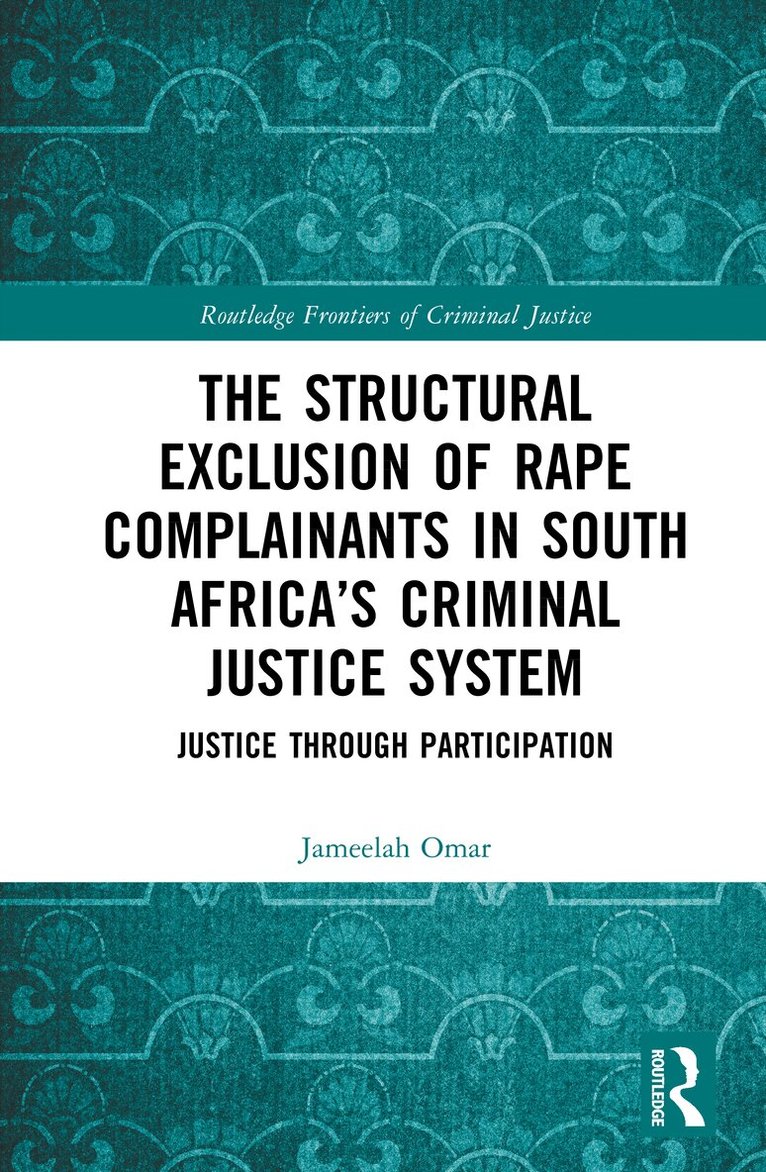
Exploring the intricate dynamics surrounding rape complainants within the South African criminal justice system, this book proposes reforms in the approach to participation of victims with the aim of mitigating the structural barriers imposed by the adversarial process.Broadening the concept of participation, the book takes a comprehensive view of meaningful participation at every stage of the legal process and argues that participation can further justice for rape victims. In doing so, it highlights that justice as an outcome of the criminal process should not solely be focused on convicting perpetrators, but about restoring the dignity of and empowering victims. Through the practical proposals included in the book to integrate complainants into the criminal process, readers will gain an understanding of what is possible even within the structures of the adversarial system, and activists both within and outside the system will be better equipped to advocate for systemic change.The Structural Exclusion of Rape Complainants in South Africa’s Criminal Justice System will be of value to students and scholars of socio-legal studies, criminal law, and criminology, particularly those focused on sexual offences, victimology, and the criminal justice system. It will also be of interest to those working with victims, such as NGOs providing legal representation, victim support and therapeutic counselling.
Häftad, Engelska, 2023
366 kr
Skickas inom 5-8 vardagar
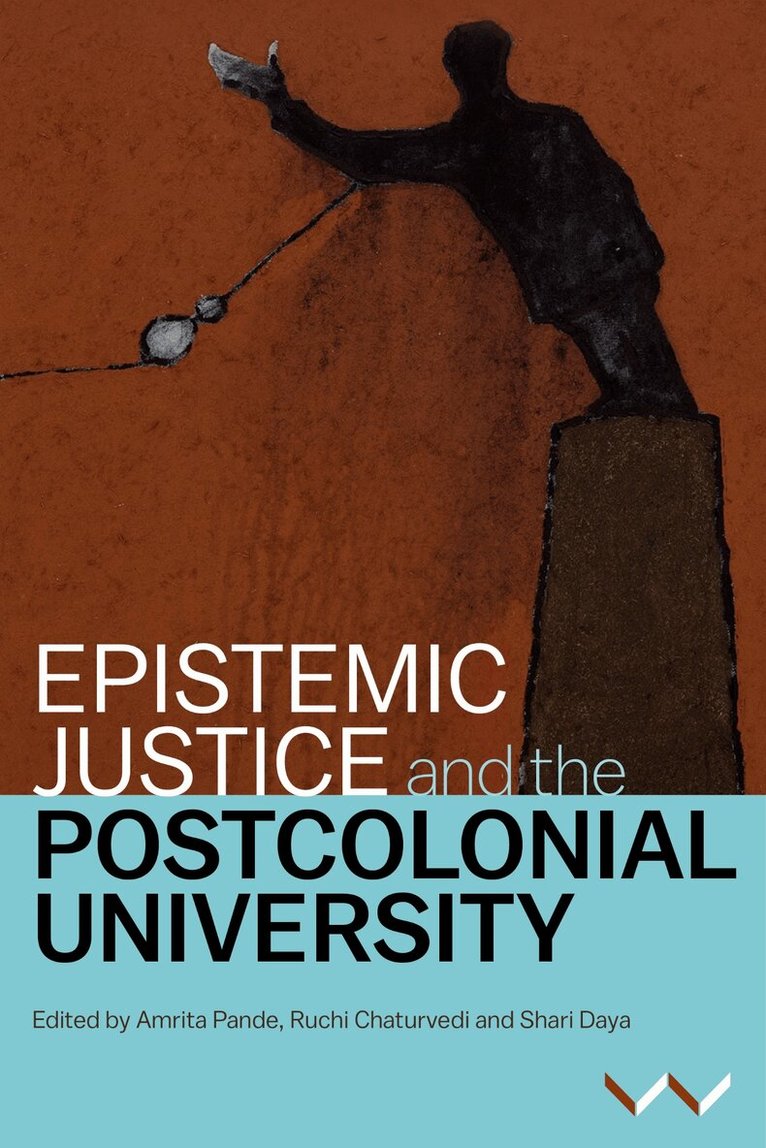
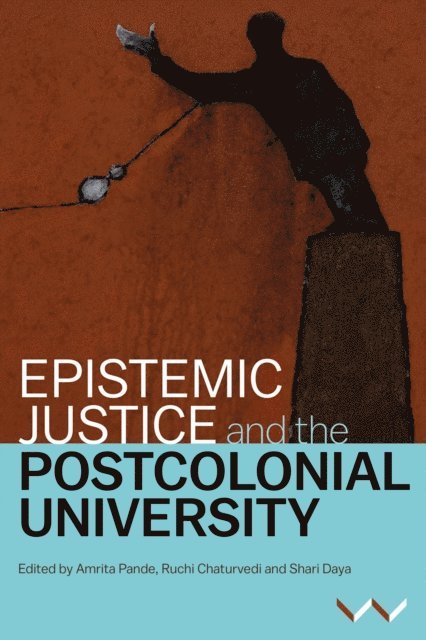
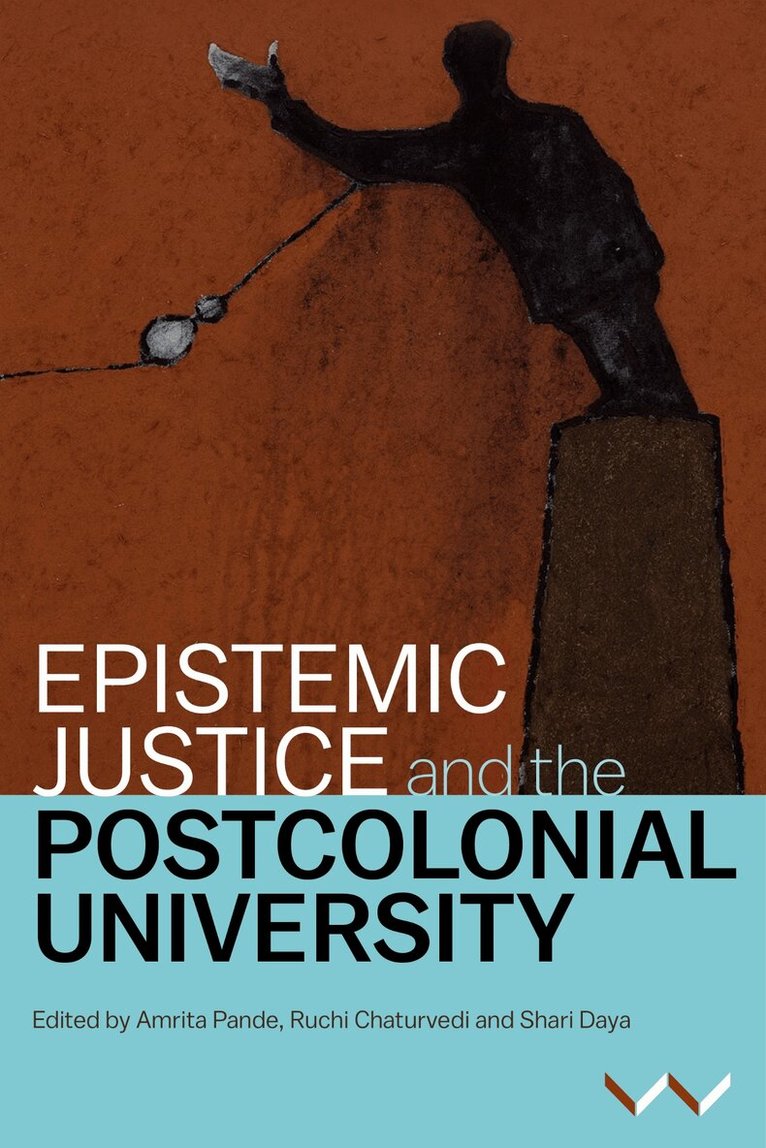
This book addresses urgent current debates on decolonisation by offering reimagined teaching and learning interventions for obtaining greater epistemic justice in the contemporary postcolonial university.At a time when debates on decolonisation have gained urgency in academic, civic and public spaces, this interdisciplinary collection by authors based at the University of Cape Town, South Africa, serves as a valuable archive documenting and reflecting on a turbulent period in South African higher education. It is an important resource for academics looking to grasp debates on decoloniality both in South Africa, and in university and teaching spaces further afield. Calling for concerted and collaborative work towards greater epistemic justice across diverse disciplines, the book puts forward a new vision of the postcolonial university as one that enables excellent teaching and learning, undertaken in a spirit of critical consciousness and reciprocity.
E-bok
PDF, Engelska, 2023375 kr
Läs direkt efter köp
Across the world, universities are grappling with the colonial legacies that have shaped them. That struggle is especially vital in South Africa where the Rhodes Must Fall and Fees Must Fall movements have catalysed decolonial activism and discourse against the legacy of apartheid in higher education. This collection asks what epistemic justice might look like in teaching, learning and research across multiple academic disciplines. Each author writes from first-hand experience of teaching at the University of Cape Town, an institution that was and remains a key site of complicity with and resistance against settler colonialism, apartheid, and their ongoing oppressions. The contributors trace power relations that are embedded in various teaching and learning spaces at UCT, asking critical questions about the kinds of subjects and objects of knowledge that are produced by their disciplines. Further, they explore new ideas, texts, and intellectual and pedagogical practices that can help academics interrogate, challenge and transform the dominant power relations in the South African academy. Collectively, these chapters work to imagine new subjects of knowledge in the postcolonial university through an ethic of epistemic justice. At a time when debates on decolonisation have gained urgency in academic, civic and public spaces, this interdisciplinary collection serves as a valuable archive documenting and reflecting on a turbulent period in South African higher education. It is an important resource for academics looking to grasp debates on decoloniality both in South Africa, and in university and teaching spaces further afield. Calling for concerted and collaborative work towards greater epistemic justice across diverse disciplines, the book puts forward a new vision of the postcolonial university as one that enables excellent teaching and learning, undertaken in a spirit of critical consciousness and reciprocity.
E-bok
Engelska, 2023375 kr
Läs direkt efter köp
Across the world, universities are grappling with the colonial legacies that have shaped them. That struggle is especially vital in South Africa where the Rhodes Must Fall and Fees Must Fall movements have catalysed decolonial activism and discourse against the legacy of apartheid in higher education. This collection asks what epistemic justice might look like in teaching, learning and research across multiple academic disciplines. Each author writes from first-hand experience of teaching at the University of Cape Town, an institution that was and remains a key site of complicity with and resistance against settler colonialism, apartheid, and their ongoing oppressions. The contributors trace power relations that are embedded in various teaching and learning spaces at UCT, asking critical questions about the kinds of subjects and objects of knowledge that are produced by their disciplines. Further, they explore new ideas, texts, and intellectual and pedagogical practices that can help academics interrogate, challenge and transform the dominant power relations in the South African academy. Collectively, these chapters work to imagine new subjects of knowledge in the postcolonial university through an ethic of epistemic justice. At a time when debates on decolonisation have gained urgency in academic, civic and public spaces, this interdisciplinary collection serves as a valuable archive documenting and reflecting on a turbulent period in South African higher education. It is an important resource for academics looking to grasp debates on decoloniality both in South Africa, and in university and teaching spaces further afield. Calling for concerted and collaborative work towards greater epistemic justice across diverse disciplines, the book puts forward a new vision of the postcolonial university as one that enables excellent teaching and learning, undertaken in a spirit of critical consciousness and reciprocity.