Jason King – författare
343 kr
Skickas inom 7-10 vardagar
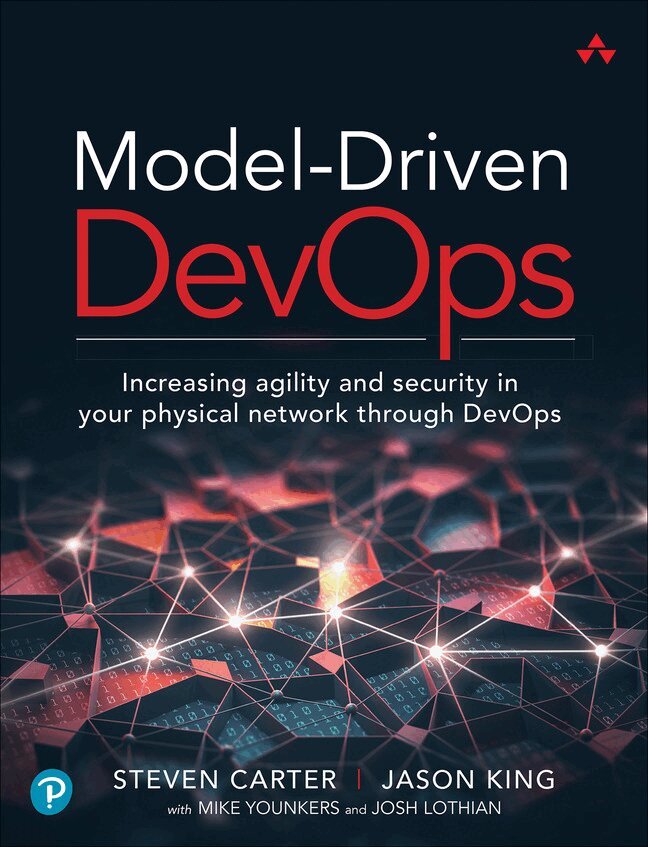
Develop Network Infrastructure More Rapidly, and Operate It More Effectively
Using model-driven DevOps and the Infrastructure as Code (IaC) paradigm, teams can develop and operate network infrastructure more quickly, consistently, and securely--growing agility, getting to market sooner, and delivering more value. Now, two leading practitioners walk you step by step through successfully implementing model-driven DevOps for infrastructure. In this practical guide, they share lessons learned, help you avoid common pitfalls, and illuminate key differences between DevOps for infrastructure and conventional application-based DevOps.
You'll learn why network infrastructure operations must change, what needs to change, and how to work together to change it. The authors guide you through creating consistent data models to manage massive numbers of network elements, organizing huge quantities of network data, and applying DevOps to infrastructure repeatably and consistently. Your journey includes a complete, hands-on reference implementation, detailed use cases, many examples based on open source tools, and sample code downloadable at GitHub.
* Normalize and organize network infrastructure data consistently, to gain the same benefits from DevOps as cloud operators do * Replace legacy command lines with APIs, then leverage and scale them * Use configuration management, templates, and other tools to program infrastructure without coding * Safely implement Continuous Integration/Continuous Deployment for infrastructureSucceed with key human factors: break down silos, change culture, and address skills gaps
Whether you're a network or cybersecurity engineer, architect, manager, or leader, this guide will help you suffuse all your network operations with greater efficiency, security, responsiveness, and resilience.
470 kr
Skickas inom 5-8 vardagar
392 kr
Läs direkt efter köp
392 kr
Läs direkt efter köp
799 kr
Skickas inom 10-15 vardagar
22 kr
Läs direkt efter köp
153 kr
Skickas inom 5-8 vardagar
458 kr
Skickas inom 5-8 vardagar
490 kr
Läs direkt efter köp
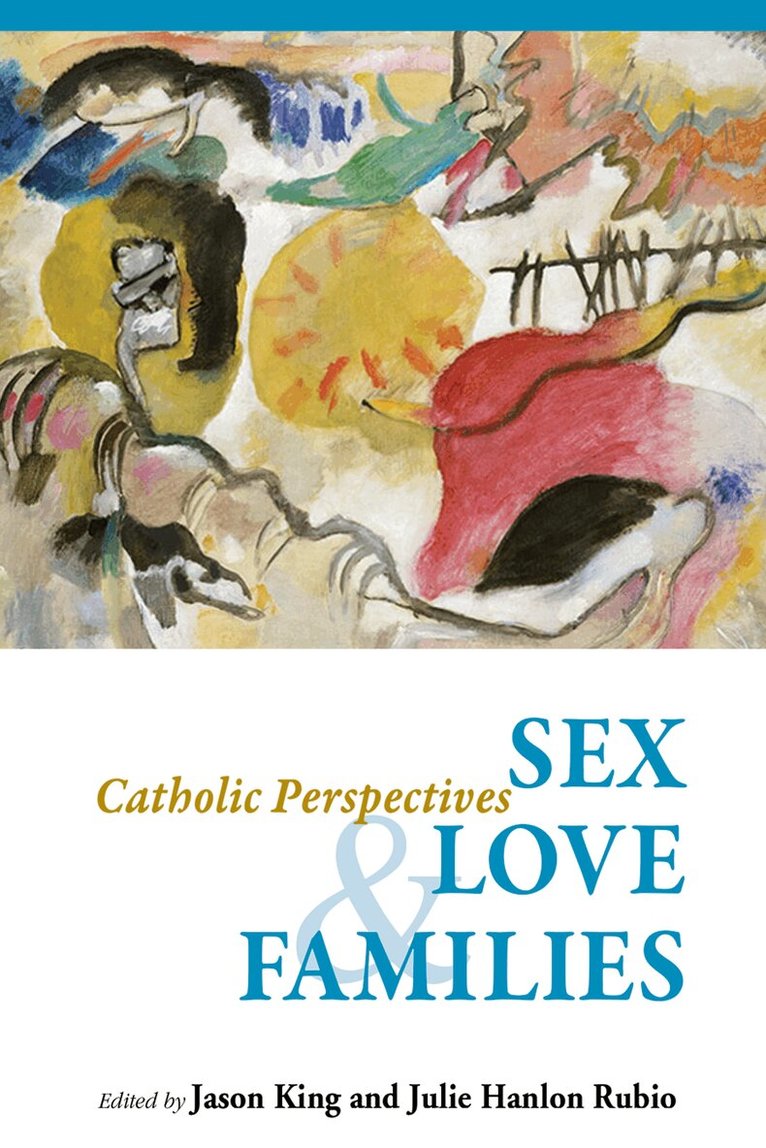
2021 Association of Catholic Publishers first place award in theology2021 Catholic Media Association Award first place award in marriage and family living Six years into the papacy of Pope Francis, Catholics are still figuring out how to respond to his image of the church as a field hospital —a church that goes into the streets rather than remaining locked up behind closed doors. Marriage and family are primary sites of the field hospital, called to meet people's need for healing and accompaniment with compassion and love. The authors of this collection —all lay, a mix of single and married, traditional and progressive Catholics —take up this work. They offer practical wisdom from and critical engagement with the Catholic tradition but avoid rehashing decades-old theological debates. Instead, their essays engage with and respond to realities shaping contemporary family life, like religious pluralism, technology, migration, racism, sex and gender, incarceration, consumerism, and the call to holiness. The result is a collection that envisions ways that families can be places of healing and love in and for the world.
List of contributors:
Jennifer BesteMegan K. McCabeElizabeth AntusKathryn Lilla CoxKent LasnoskiHoon ChoiCristina L. H. TrainaCraig A. Ford Jr.Bridget Burke RavizzaJulie Donovan MasseyEmily Reimer-BarryRichard GaillardetzTimothy O'MalleySandra Sullivan-DunbarKathryn Getek-SolisKari-Shane Davis ZimmermanJana Marguerite BennettVictor CarmonaGemma Tulud CruzDaniel OlsenThomas BeaudoinChristine Firer HinzeDavid CloutierMarcus MescherSue MuldoonTimothy MuldoonMary M. Doyle-RocheJason KingJulie Rubio898 kr
Skickas inom 10-15 vardagar
431 kr
Skickas inom 5-8 vardagar
522 kr
Läs direkt efter köp
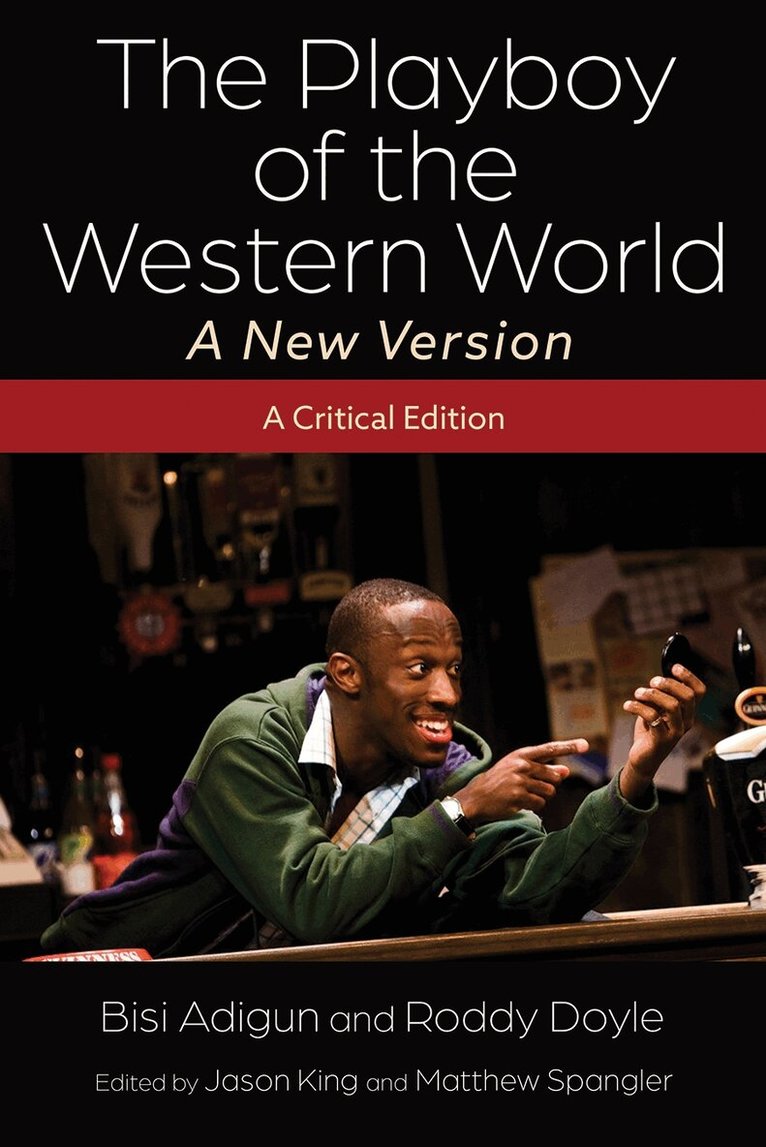
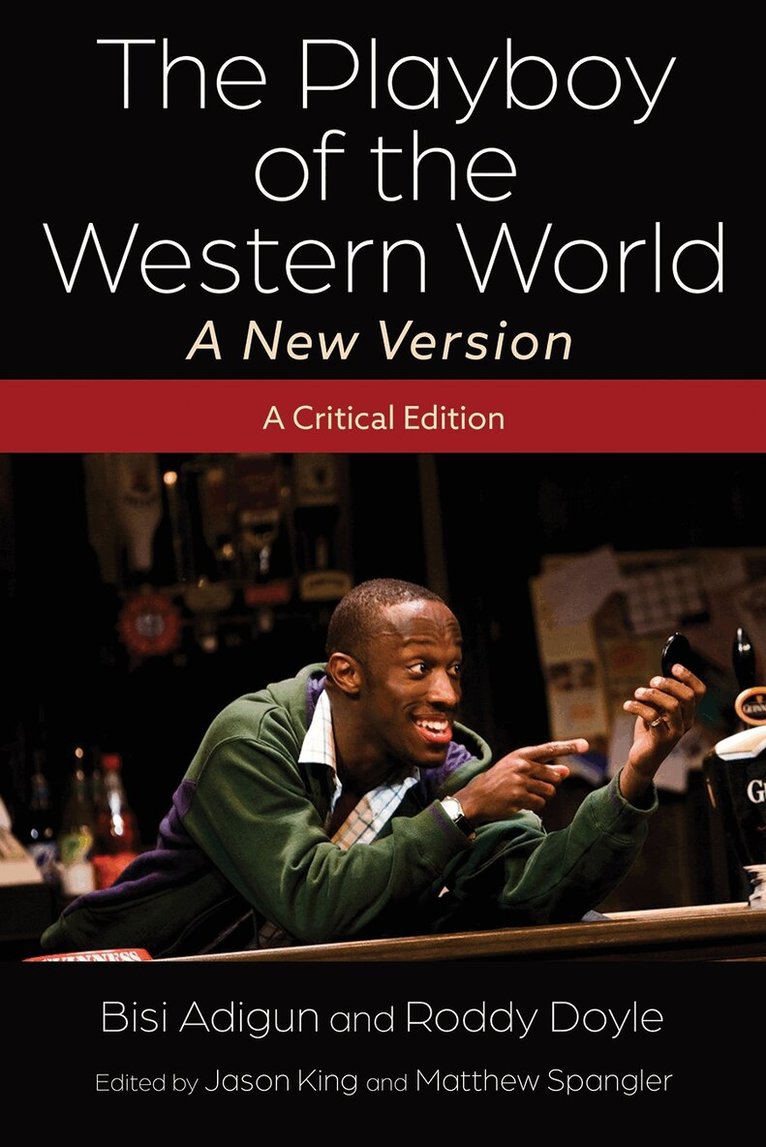
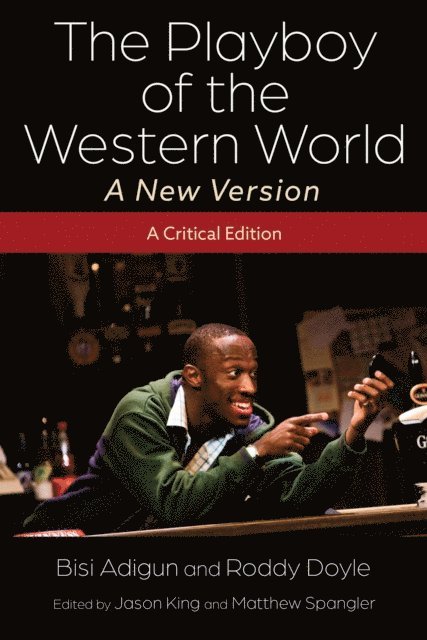
Bisi Adigun and Roddy Doyle’s centenary adaption of J. M. Synge’s classic The Playboy of the Western World had a sold-out run when it was produced at Dublin’s Abbey Theatre in 2007 and was brought back by popular demand in 2008. The new version is set in a contemporary Dublin pub and features the character of a Nigerian asylum-seeker in the lead role. Under the coauthorship of Bisi Adigun, artistic director of Arambe Productions—Ireland’s first African theater company—and best-selling, Booker Prize–winning novelist Roddy Doyle, the play engages with issues of race and immigration in modern Ireland and, when first released, aimed to be a model for intercultural collaboration.This critical edition features the full text of the play, published for the first time, along with a collection of essays exploring the play’s themes, cultural significance, critical reception, and the legal case that cut short its successful production run. Though the play was first produced over a decade ago, the topic of migration has only increased in its global importance over that time, and this adaptation of Playboy remains a popular touchstone among scholars of Irish theater and immigration.
605 kr
Läs direkt efter köp
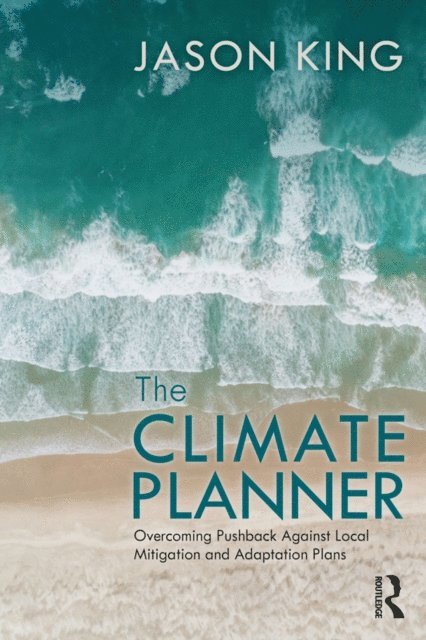
The Climate Planner is about overcoming the objections to climate change mitigation and adaption that urban planners face at a local level. It shows how to draft climate plans that encounter less resistance because they involve the public, stakeholders, and decisionmakers in a way that builds trust, creates consensus, and leads to implementation. Although focused on the local level, this book discusses climate basics such as carbon dioxide levels in the atmosphere, the Intergovernmental Panel on Climate Change, the Paris Agreement of 2015, worldwide energy generation forecasts, and other items of global concern in order to familiarize urban planners and citizen planners with key concepts that they will need to know in order to be able to host climate conversations at the local level. The many case studies from around the United States of America show how communities have encountered pushback and bridged the implementation gap, the gap between plan and reality, thanks to a commitment to substantive public engagement. The book is written for urban planners, local activists, journalists, elected or appointed representatives, and the average citizen worried about climate breakdown and interested in working to reshape the built environment.
605 kr
Läs direkt efter köp
The Climate Planner is about overcoming the objections to climate change mitigation and adaption that urban planners face at a local level. It shows how to draft climate plans that encounter less resistance because they involve the public, stakeholders, and decisionmakers in a way that builds trust, creates consensus, and leads to implementation. Although focused on the local level, this book discusses climate basics such as carbon dioxide levels in the atmosphere, the Intergovernmental Panel on Climate Change, the Paris Agreement of 2015, worldwide energy generation forecasts, and other items of global concern in order to familiarize urban planners and citizen planners with key concepts that they will need to know in order to be able to host climate conversations at the local level. The many case studies from around the United States of America show how communities have encountered pushback and bridged the implementation gap, the gap between plan and reality, thanks to a commitment to substantive public engagement. The book is written for urban planners, local activists, journalists, elected or appointed representatives, and the average citizen worried about climate breakdown and interested in working to reshape the built environment.
639 kr
Läs direkt efter köp
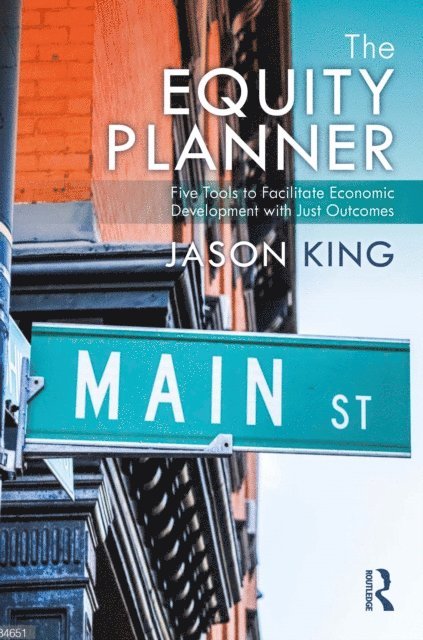
Economic development is intended to benefit everyone in a community; however, in many cases, increased public and private investment can result in the pricing out and displacement of existing residents and businesses. How do we achieve more equitable outcomes?
The Equity Planner provides a toolkit of practical solutions for planners and all those involved in placemaking to promote thoughtful, inclusive planning. Each chapter of The Equity Planner examines one particular aspect of inequity in the urban planning sphere, covering issues such as identity retention, affordability, and the protection and enhancement of local assets. While each chapter offers practicable solutions to these issues, the "Notes from the Field" sections describe how these same tools have been used (either successfully or unsuccessfully) in projects the author has been involved in, with a particular focus on the local resistance each project encountered. These real-world case studies are used to suggest methods to overcome such resistance, which the reader can then apply to their present initiatives.
This book is written for urban planners, local activists, social scientists, policymakers, and anyone with an interest in equity planning. This book will be of use to both practicing and training urban planners and architects who seek to add equity planning to their professional repertoire.
658 kr
Läs direkt efter köp
Economic development is intended to benefit everyone in a community; however, in many cases, increased public and private investment can result in the pricing out and displacement of existing residents and businesses. How do we achieve more equitable outcomes?
The Equity Planner provides a toolkit of practical solutions for planners and all those involved in placemaking to promote thoughtful, inclusive planning. Each chapter of The Equity Planner examines one particular aspect of inequity in the urban planning sphere, covering issues such as identity retention, affordability, and the protection and enhancement of local assets. While each chapter offers practicable solutions to these issues, the "Notes from the Field" sections describe how these same tools have been used (either successfully or unsuccessfully) in projects the author has been involved in, with a particular focus on the local resistance each project encountered. These real-world case studies are used to suggest methods to overcome such resistance, which the reader can then apply to their present initiatives.
This book is written for urban planners, local activists, social scientists, policymakers, and anyone with an interest in equity planning. This book will be of use to both practicing and training urban planners and architects who seek to add equity planning to their professional repertoire.
22 kr
Läs direkt efter köp
530 kr
Skickas inom 10-15 vardagar
2 495 kr
Skickas inom 10-15 vardagar
2 495 kr
Skickas inom 10-15 vardagar
586 kr
Skickas inom 10-15 vardagar
9 817 kr
Skickas inom 10-15 vardagar
2 033 kr
Skickas inom 10-15 vardagar
2 177 kr
Skickas inom 10-15 vardagar
10 kr
Läs direkt efter köp
11 kr
Läs direkt efter köp
21 kr
Läs direkt efter köp
22 kr
Läs direkt efter köp
2 424 kr
Läs direkt efter köp
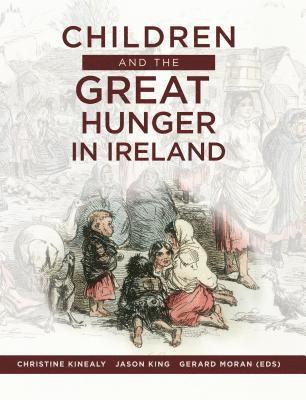
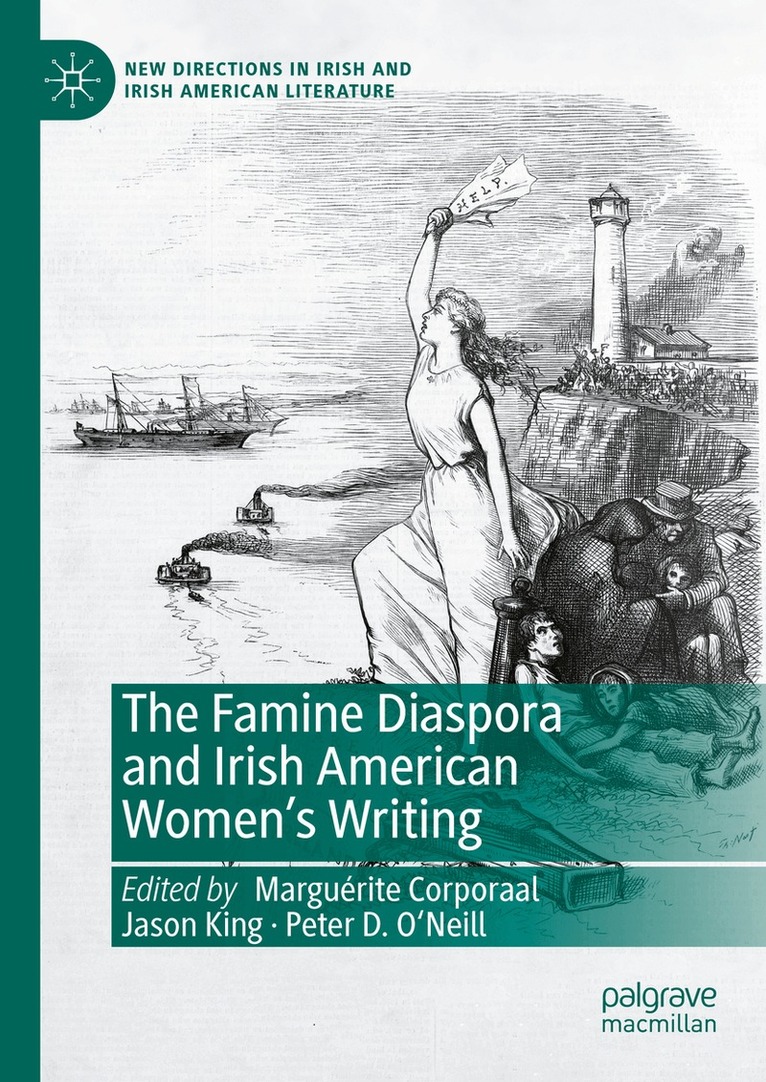
The Great Irish Famine remains one of the most lethal famines in modern world history and a watershed moment in the development of modern Ireland – socially, politically, demographically and culturally. In the space of only four years, Ireland lost twenty-five per cent of its population as a consequence of starvation, disease and large-scale emigration. Certain aspects of the Famine remain contested and controversial, for example the issue of the British government’s culpability, proselytism, and the reception of emigrants. However, recent historiographical focus on this famine has overshadowed the impact of other periods of subsistence crisis, both before 1845 and after 1852.
This volume breaks new ground in bringing together foundational narratives of one of Europe and North America’s first refugee crises — making visible their impact in shaping perceptions, public opinion, and patterns of memorialization of Irish forced migration. It documents eyewitness impressions of suffering Irish emigrants, and raises questions about what literary conventions, mnemonic motifs, and popular images can be found in eyewitness accounts, press coverage, and foundational narratives of Famine Irish forced migration. These primary sources provide a model for understanding how representations of forced migration shape public opinion and policy.
2 424 kr
Läs direkt efter köp
The Great Irish Famine remains one of the most lethal famines in modern world history and a watershed moment in the development of modern Ireland – socially, politically, demographically and culturally. In the space of only four years, Ireland lost twenty-five per cent of its population as a consequence of starvation, disease and large-scale emigration. Certain aspects of the Famine remain contested and controversial, for example the issue of the British government’s culpability, proselytism, and the reception of emigrants. However, recent historiographical focus on this famine has overshadowed the impact of other periods of subsistence crisis, both before 1845 and after 1852.
This volume breaks new ground in bringing together foundational narratives of one of Europe and North America’s first refugee crises — making visible their impact in shaping perceptions, public opinion, and patterns of memorialization of Irish forced migration. It documents eyewitness impressions of suffering Irish emigrants, and raises questions about what literary conventions, mnemonic motifs, and popular images can be found in eyewitness accounts, press coverage, and foundational narratives of Famine Irish forced migration. These primary sources provide a model for understanding how representations of forced migration shape public opinion and policy.